
A properly functioning car air conditioning system is essential for comfortable driving, especially during hot weather. When your car AC stops cooling, produces weak airflow, makes unusual noises, or blows warm air, the problem could range from low refrigerant to a damaged compressor or condenser.
So, how much does it cost to fix a car AC? The answer depends on the type of problem, vehicle make and model, AC components involved, labor charges, refrigerant type, and whether you use OEM or aftermarket replacement parts.
In this comprehensive guide, we will explain the car AC repair cost, common automotive AC problems, replacement costs for major AC components, and what you should know before getting your vehicle’s air conditioning system repaired.

What Determines the Cost to Fix a Car AC?
The cost to fix a car AC can vary significantly from one vehicle to another. A simple refrigerant recharge may be relatively affordable, while replacing an AC compressor, evaporator, or other major component can be considerably more expensive.
The main factors affecting car AC repair cost include the type of repair, vehicle make and model, refrigerant type, replacement part quality, labor charges, location, and the type of repair shop.
1. Type of AC Repair Required
The specific problem with your vehicle’s air conditioning system is usually the biggest factor affecting repair costs.
AC Refrigerant Recharge
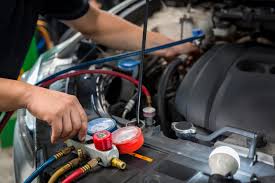
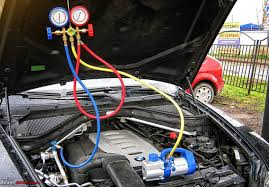
Low refrigerant can cause poor cooling or warm air from the vents. A professional car AC recharge may cost around $100 to $200, depending on the vehicle, refrigerant type, and service provider.
However, low refrigerant may indicate a leak. Simply adding refrigerant without finding the cause can provide only a temporary solution.
Refrigerant Leak Detection and Repair
A refrigerant leak can occur in hoses, O-rings, condenser connections, evaporator components, or other parts of the AC system.
Leak detection may cost approximately $150 to $300, while repairing a small leak may add another $200 to $400 or more. Larger leaks or difficult-to-access components can increase the total car AC repair cost.
AC Compressor Replacement
The car AC compressor is one of the most important components of the automotive air conditioning system. It circulates and pressurizes refrigerant through the system.
If the compressor fails, replacement can cost approximately $500 to $1,500 or more, depending on the vehicle, compressor type, parts quality, and labor.
For this reason, the AC compressor price is an important consideration when estimating the total cost of repairing a car AC system.
AC Condenser Replacement
The car AC condenser removes heat from the refrigerant before it moves through the rest of the system. A damaged, blocked, or leaking condenser can cause poor AC performance.
A condenser replacement may cost approximately $300 to $600, depending on the vehicle and labor involved.
AC Evaporator Replacement
The car AC evaporator absorbs heat from the cabin air and plays a critical role in producing cool air.
Evaporator replacement can be more expensive because the component is often located inside the vehicle’s dashboard or HVAC housing. Costs can range from approximately $500 to $1,000 or more, depending on the vehicle and labor requirements.
Blower Motor Replacement
The blower motor pushes air through the HVAC system and into the passenger cabin. A failing blower motor may cause weak or no airflow from the vents.
Replacing a blower motor can cost around $300 to $700, depending on the vehicle and accessibility of the component.
AC Clutch Replacement
Some automotive AC compressors use an electromagnetic clutch to engage and disengage the compressor. If the clutch fails, the compressor may not operate correctly.
An AC clutch replacement may cost approximately $300 to $600, although the actual repair depends on the compressor design and vehicle.
Expansion Valve Replacement
The AC expansion valve regulates refrigerant flow into the evaporator. If it becomes blocked or fails, the AC system may not cool properly.
Replacement costs can range from approximately $150 to $500, depending on the vehicle and labor required.
2. Labor Costs
Labor is another major component of the overall car AC repair cost.
Simple services such as refrigerant recharging may require less labor, while replacing an evaporator or compressor can require significantly more time.
Labor rates vary according to location, workshop type, technician experience, and repair complexity. In markets where hourly labor pricing is used, rates may range from approximately $75 to $150 per hour, although actual prices vary considerably by region.
Dealerships often have higher labor rates than independent automotive repair shops. However, choosing a repair shop should not be based on price alone. Experience with automotive AC systems and proper diagnostic equipment are also important.
3. Vehicle Make and Model
The vehicle’s make and model can significantly affect the cost of car AC repair.
Common economy vehicles may have readily available replacement parts and relatively straightforward AC systems. Luxury, imported, hybrid, and premium vehicles may require specialized components, diagnostic equipment, and additional labor.
Vehicle design also affects how easily technicians can access AC components. For example, an evaporator located behind the dashboard can require considerably more labor than an easily accessible component.
4. Type of Refrigerant
The refrigerant used in the vehicle can also affect the total repair cost.
Older vehicles commonly use R-134a refrigerant, while many newer vehicles use R-1234yf refrigerant.
R-1234yf generally requires compatible service equipment and can be more expensive than R-134a. The correct refrigerant should always be determined from the vehicle manufacturer’s specifications.
Never mix refrigerants or use an incompatible refrigerant simply because it is cheaper.
5. OEM vs Aftermarket AC Parts
If a component needs to be replaced, the choice between OEM and aftermarket parts can affect the total car AC repair cost.
OEM AC Parts
OEM, or Original Equipment Manufacturer, parts are designed to meet the specifications of the vehicle manufacturer. They can offer precise fitment and are often selected when maintaining original-equipment specifications is a priority.
Aftermarket AC Parts
Aftermarket automotive AC parts are manufactured by companies other than the original vehicle manufacturer. Quality can vary between manufacturers, but high-quality aftermarket components can provide a practical replacement option.
Common aftermarket AC components include:
- Car AC compressors
- AC condensers
- AC evaporators
- Expansion valves
- Receiver driers
- AC hoses
- Pressure switches
- AC compressor clutches
- AC fittings and components
When purchasing an aftermarket car AC compressor or other replacement component, always verify compatibility with the vehicle’s make, model, year, engine, and original component specifications.
6. Location and Type of Repair Shop
The location of the repair shop can also influence the final price.
Workshops in large cities may have higher operating costs and labor charges. Independent automotive AC workshops may offer competitive prices compared with dealerships, while specialist AC service centers may charge more for advanced diagnostics and specialized expertise.
Before approving a repair, ask for a detailed estimate that separates parts, refrigerant, labor, diagnostic charges, and additional services.
Common Car AC Problems and Their Repair Costs
Understanding common AC problems can help you identify why your vehicle is not cooling properly.
1. Low Refrigerant
Low refrigerant is one of the most common causes of poor car AC cooling. It can result from a refrigerant leak or another problem within the system.
Estimated repair: A basic recharge may cost around $100 to $200, while leak detection and repair can increase the total cost.
2. Faulty AC Compressor
A faulty automotive AC compressor can prevent refrigerant from circulating correctly through the system.
Common compressor problems include:
- Unusual noises
- Compressor clutch failure
- Poor cooling
- Compressor seizure
- Incorrect pressure
- Refrigerant circulation problems
Estimated repair: Compressor replacement can range from approximately $500 to $1,500 or more.
3. Damaged AC Condenser
The condenser is located toward the front of the vehicle and can be vulnerable to damage from road debris or corrosion.
Signs of condenser problems may include poor cooling, refrigerant leakage, or abnormal AC pressures.
Estimated repair: Condenser replacement may cost around $300 to $600, depending on the vehicle.
4. Blower Motor Failure
If the AC is producing cold air but very little air is coming through the vents, the blower motor or related electrical components may be the problem.
Estimated repair: Approximately $300 to $700, depending on the vehicle.
5. Clogged or Faulty Expansion Valve
A blocked or malfunctioning expansion valve can disrupt refrigerant flow and affect evaporator performance.
Estimated repair: Approximately $150 to $500, depending on the vehicle and labor.
6. Evaporator Failure
A damaged or leaking evaporator can cause poor cooling and refrigerant loss. Because evaporators are often difficult to access, replacement can be labor-intensive.
Estimated repair: Approximately $500 to $1,000 or more.
7. Electrical or Sensor Problems
Modern automotive AC systems rely on pressure sensors, temperature sensors, control modules, relays, fuses, and other electrical components.
A faulty sensor or electrical connection can prevent the compressor from operating correctly even when the refrigerant level is adequate.
The cost depends on the specific component and diagnostic time required.
DIY vs Professional Car AC Repair
Some basic AC-related maintenance tasks can be performed by experienced vehicle owners, but many repairs require professional equipment and knowledge.
DIY AC Repairs
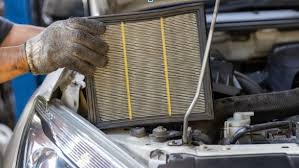
Simple tasks may include replacing a cabin air filter or inspecting visible AC components.
Some owners also attempt refrigerant recharging using DIY kits. However, incorrect refrigerant quantity, wrong refrigerant type, or improper charging can damage the AC system.
For this reason, professional service is recommended when the AC system has stopped cooling or the cause of the problem is unknown.
Professional AC Repairs
Professional technicians can use specialized equipment to diagnose refrigerant pressure, detect leaks, recover refrigerant, evacuate the system, recharge it accurately, and inspect major AC components.
Professional repair is particularly recommended for:
- AC compressor replacement
- Condenser replacement
- Evaporator replacement
- Refrigerant leak detection
- Expansion valve replacement
- AC system flushing
- Refrigerant recovery and recharge
- Compressor oil service
- Major AC electrical diagnosis
How to Diagnose a Car AC Problem
Before replacing an expensive component such as a compressor, the AC system should be properly diagnosed.
A technician may inspect:
- Refrigerant pressure
- Compressor operation
- Condenser condition
- Evaporator performance
- Expansion valve operation
- AC hoses and connections
- Refrigerant leaks
- Pressure sensors
- Cooling fans
- Electrical connections
- Cabin air filter and airflow
- AC control system
Proper diagnosis helps prevent unnecessary replacement of expensive automotive AC parts.
Signs Your Car AC Needs Repair
Look out for these common warning signs:
Warm Air From the Vents
If the AC is blowing warm air even when the system is switched to maximum cooling, the vehicle may have low refrigerant, a compressor problem, or another AC fault.
Weak Airflow
Weak airflow may be caused by a clogged cabin filter, blower motor issue, blocked evaporator, or other airflow restriction.
Unusual AC Noises
Grinding, rattling, squealing, or other unusual sounds can indicate a compressor, clutch, pulley, or blower motor problem.
Refrigerant Leakage
Visible oily residue around AC connections may indicate a refrigerant leak, although not every leak will be visible.
AC Works Intermittently
If the AC works sometimes and stops working at other times, the cause could involve electrical components, pressure sensors, compressor operation, or refrigerant levels.
Poor Cooling at Idle
If your AC cools while driving but becomes weak when the vehicle is stationary, the cooling fan, condenser airflow, compressor performance, or refrigerant system should be checked.
How to Save Money on Car AC Repairs
You can reduce unnecessary car AC repair costs by following a few simple steps.
Get a Proper Diagnosis
Do not immediately replace the compressor just because the AC is not cooling. Several different problems can produce similar symptoms.
Compare Parts
If a replacement component is required, compare OEM and reputable aftermarket options based on quality, warranty, compatibility, and total cost.
Check Compatibility
Before purchasing an auto AC compressor, condenser, evaporator, or expansion valve, verify the exact vehicle application and component specifications.
Repair Leaks
If your vehicle is repeatedly losing refrigerant, repair the leak instead of continuously recharging the system.
Choose Quality AC Components
Low-quality replacement parts may lead to premature failure and additional labor costs. Choose automotive AC components from reliable manufacturers and suppliers.
Why Quality Automotive AC Parts Matter
The performance and reliability of a vehicle’s air conditioning system depend heavily on the quality and compatibility of its components.
A properly matched car AC compressor, condenser, evaporator, expansion valve, and other AC components can help ensure efficient refrigerant circulation and reliable cooling.
For workshops, distributors, retailers, fleet operators, and automotive businesses, sourcing reliable automotive AC parts is particularly important because component quality, availability, fitment, and consistency can directly affect repair outcomes.
When Should You Replace a Car AC Compressor?
A compressor may need replacement when it has suffered severe mechanical damage, has seized, cannot produce the required pressure, or has sustained internal failure.
However, compressor replacement should generally follow proper diagnosis. Sometimes a compressor clutch, electrical component, refrigerant issue, or another AC component may be responsible for the problem.
When replacement is necessary, compare the compressor’s specifications, mounting configuration, pulley or clutch arrangement, refrigerant compatibility, oil requirements, and vehicle application before purchasing.
Final Thoughts
The answer to how much it costs to fix a car AC depends on the exact problem and the parts required. A simple refrigerant recharge may cost significantly less than replacing an AC compressor, condenser, evaporator, blower motor, or expansion valve.
The vehicle’s make and model, refrigerant type, labor charges, repair-shop rates, and choice between OEM and aftermarket parts can all influence the final bill.
If your car AC is not cooling properly, the best approach is to diagnose the system before replacing components. Once the faulty component has been identified, choose a reliable and compatible replacement part and have the repair performed by a qualified automotive AC technician.
For automotive businesses, workshops, distributors, and vehicle AC specialists, having access to dependable car AC compressors, condensers, evaporators, expansion valves, and other automotive AC parts can make repairs more efficient and help maintain consistent service quality.