Author name: Mini Mini

Ashok Leyland Truck AC Parts & Compressors: Complete Guide

By Airgreen Corporation — Manufacturers & Suppliers of Auto Parts and Automotive AC Components At Airgreen Corporation, we work as manufacturers and suppliers of auto parts, with strong expertise in heavy-duty commercial vehicle air conditioning. Ashok Leyland trucks — widely used across haulage, construction logistics, and long-distance transport — depend on a durable cabin AC system to keep drivers comfortable and alert through long routes and heavy loads. This guide covers Ashok Leyland AC components, common failure points, and how to source the right replacement parts. Contact Us Why AC Matters in Ashok Leyland Trucks Ashok Leyland trucks operate across a wide range of commercial use cases — from regional haulage to long-distance interstate transport — often running 8–12 hours a day in varying climates. A reliable AC system directly affects: Driver alertness and fatigue during long routes Comfort during rest halts, especially in sleeper-cab variants Cargo protection in select refrigerated/temperature-sensitive haulage applications Core Ashok Leyland AC Components 1. Ashok Leyland AC Compressor Circulates refrigerant through the AC loop. Ashok Leyland trucks typically use heavy-duty compressors rated for continuous highway operation and engine vibration, commonly Sanden or Sanden-compatible units matched to the specific truck platform and engine variant. Signs of a failing compressor: Warm air from vents despite AC running Grinding, clicking, or squealing noise from the compressor AC clutch not engaging Refrigerant oil leaks around compressor seals or fittings Repeated low refrigerant levels with no visible external leak 2. Ashok Leyland AC Condenser Releases heat absorbed by the refrigerant. Mounted near the front of the vehicle, it’s highly exposed to road dust and debris, especially on unpaved or rural haulage routes. Common issues: Clogged fins reducing cooling efficiency Physical damage from road debris Leaks at seams or fitting connections 3. Ashok Leyland AC Evaporator Cools cabin air before circulating it through the vents. Common issues: Reduced airflow from dust/dirt buildup on the coil Musty odors from mold or bacteria growth Cabin water leakage from a blocked drain line 4. Expansion Valve, Receiver Drier & Hoses Regulate refrigerant flow and filter moisture/contaminants. Hoses are exposed to engine heat and continuous vibration on long routes, making them prone to wear and leaks over time. Common Ashok Leyland AC Problems & Causes Problem Likely Cause Warm air despite AC running Faulty compressor, low refrigerant, worn clutch Weak or no airflow Clogged evaporator, failed blower motor Uneven cabin cooling Ductwork blockage, faulty expansion valve Water leaking inside cabin Blocked evaporator drain line Frequent refrigerant loss Leaks at condenser, hoses, or compressor seals AC weak at idle, strong at highway speed Weak compressor clutch or belt slippage Maintenance Tips for Ashok Leyland Fleet Operators Clean the condenser regularly — rural and haulage routes accumulate dust and debris quickly. Check refrigerant levels seasonally, especially before summer routes through hot regions. Inspect hoses and fittings for wear caused by engine vibration on long routes. Flush evaporator drain lines to prevent cabin water leakage and odor buildup. Use verified OEM or OEM-grade compatible parts to avoid repeat AC failures common with mismatched components on heavy-duty platforms. OEM vs Aftermarket Ashok Leyland AC Parts OEM Ashok Leyland AC parts guarantee exact fitment and are built to original specification — recommended for compressors and sealed system components given continuous commercial use. Aftermarket/compatible AC parts offer a cost-effective option for high-mileage fleet maintenance, provided they’re sourced from a verified auto parts manufacturer with confirmed fitment data. As manufacturers and suppliers of auto parts, Airgreen Corporation supplies Ashok Leyland-compatible AC compressors, condensers, evaporators, and related components, helping fleet operators and workshops source reliable, fitment-accurate parts for heavy-duty haulage trucks. Frequently Asked Questions What type of AC compressor does Ashok Leyland use? Ashok Leyland trucks typically use heavy-duty compressors rated for continuous highway operation, matched to the specific truck platform and engine variant — always confirm the exact model number before replacement. Why does Ashok Leyland truck AC blow warm air? The most common causes are low refrigerant from a slow leak, a worn compressor clutch, or a condenser clogged with road dust and debris after extended operation. How often should Ashok Leyland AC systems be serviced? Fleet operators typically recommend servicing at least twice a year, with condenser cleaning and refrigerant checks done more frequently for trucks in continuous haulage operation. Can I use aftermarket AC compressors on an Ashok Leyland truck? Yes, as long as the replacement matches the required displacement, port configuration, and clutch/pulley type, and is sourced from a verified auto parts manufacturer or supplier. Why Choose Airgreen Corporation Airgreen Corporation is a trusted name among manufacturers of auto parts, specializing in automotive air conditioning systems for heavy-duty commercial vehicles. Our Ashok Leyland AC product range includes: Ashok Leyland-compatible AC compressors Condensers, evaporators, and expansion valves Receiver driers, hoses, and blower motors Complete AC spare parts support for heavy-duty haulage fleets Whether you’re a fleet operator, parts distributor, or workshop owner, Airgreen Corporation provides fitment-accurate, quality-tested Ashok Leyland AC parts backed by manufacturing expertise. Looking for reliable Ashok Leyland truck AC parts — compressors, condensers, or evaporators? Airgreen Corporation — manufacturers and suppliers of auto parts — supplies a complete range of OEM and OEM-grade AC components for heavy-duty haulage trucks. Contact us today for fleet sourcing and bulk order inquiries.    

Ashok Leyland Truck AC Parts & Compressors: Complete Guide Read More »
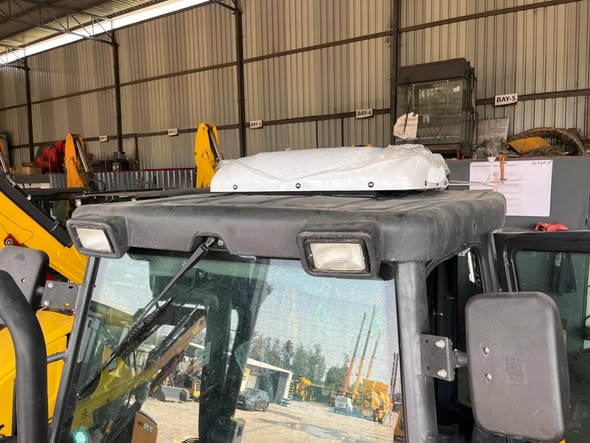
Tata Signa Truck AC Parts & Compressors: Complete Guide

By Airgreen Corporation — Manufacturers & Suppliers of Auto Parts and Automotive AC Components At Airgreen Corporation, we work as manufacturers and suppliers of auto parts, with strong expertise in heavy-duty commercial vehicle air conditioning. The Tata Signa range — used extensively for long-haul haulage, tippers, and tractor-trailer applications — puts serious demand on its cabin AC system through long routes, heavy loads, and continuous engine operation. This guide covers Tata Signa AC components, common failure points, and how to source the right replacement parts. Contact Us Why AC Matters in the Tata Signa Range Tata Signa trucks are built for heavy haulage and long-distance operation, often running 10+ hours a day with drivers spending extended periods in the cabin. Reliable AC directly affects: Driver alertness and fatigue on long-haul routes Comfort during extended halts and rest periods in sleeper-cab variants Overall drive productivity, especially on interstate and highway routes through hot regions Core Tata Signa AC Components 1. Tata Signa AC Compressor Circulates refrigerant through the AC loop. Signa trucks use heavy-duty compressors rated for continuous highway operation and engine vibration — commonly Sanden or Sanden-compatible heavy-duty units matched to Tata’s commercial vehicle platforms. Signs of a failing compressor: Warm air from vents despite AC running Grinding, clicking, or squealing noise from the compressor AC clutch not engaging Refrigerant oil leaks around compressor seals or fittings Repeated low refrigerant levels with no visible external leak 2. Tata Signa AC Condenser Releases heat absorbed by the refrigerant. Front-mounted near the radiator, it’s highly exposed to road dust and debris on long-haul routes. Common issues: Clogged fins reducing cooling efficiency Physical damage from road debris Leaks at seams or fitting connections 3. Tata Signa AC Evaporator Cools cabin air before circulating it through the vents. Common issues: Reduced airflow from dust/dirt buildup on the coil Musty odors from mold or bacteria growth Cabin water leakage from a blocked drain line 4. Expansion Valve, Receiver Drier & Hoses Regulate refrigerant flow and filter moisture/contaminants from the system. Hoses in Signa trucks are exposed to engine heat and constant vibration on long routes, making them prone to wear over time. Common Tata Signa AC Problems & Causes Problem Likely Cause Warm air despite AC running Faulty compressor, low refrigerant, worn clutch Weak or no airflow Clogged evaporator, failed blower motor Uneven cabin cooling Ductwork blockage, faulty expansion valve Water leaking inside cabin Blocked evaporator drain line Frequent refrigerant loss Leaks at condenser, hoses, or compressor seals AC weak at idle, strong at highway speed Weak compressor clutch or belt slippage Maintenance Tips for Tata Signa Fleet Operators Clean the condenser regularly — long-haul routes accumulate road dust and insects fast. Check refrigerant levels seasonally, especially before summer haulage routes through hot regions. Inspect hoses and fittings for wear from vibration on long-distance runs. Flush evaporator drain lines to prevent cabin water leakage and odor buildup. Use verified OEM or OEM-grade compatible parts to avoid repeat AC failures common with mismatched components on heavy-duty platforms. OEM vs Aftermarket Tata Signa AC Parts OEM Tata Signa AC parts guarantee exact fitment and are built to original specification — recommended for compressors and sealed system components given the vehicle’s heavy-duty usage. Aftermarket/compatible AC parts offer a cost-effective option for high-mileage fleet maintenance, provided they’re sourced from a verified auto parts manufacturer with confirmed fitment data. As manufacturers and suppliers of auto parts, Airgreen Corporation supplies Tata Signa-compatible AC compressors, condensers, evaporators, and related components, helping fleet operators and workshops source reliable, fitment-accurate parts for heavy-duty haulage trucks. Frequently Asked Questions What type of AC compressor does the Tata Signa use? Tata Signa trucks typically use heavy-duty compressors rated for continuous highway operation, matched to the vehicle’s commercial platform specification — always confirm the exact model number before replacement. Why does Tata Signa AC blow warm air on long routes? The most common causes are low refrigerant from a slow leak, a worn compressor clutch, or a condenser clogged with road debris after extended highway driving. How often should Tata Signa AC systems be serviced? Fleet operators typically recommend servicing at least twice a year, with condenser cleaning and refrigerant checks done more frequently for trucks in continuous long-haul operation. Can I use aftermarket AC compressors on a Tata Signa? Yes, as long as the replacement matches the required displacement, port configuration, and clutch/pulley type, and is sourced from a verified auto parts manufacturer or supplier. Why Choose Airgreen Corporation Airgreen Corporation is a trusted name among manufacturers of auto parts, specializing in automotive air conditioning systems for heavy-duty commercial vehicles. Our Tata Signa AC product range includes: Tata Signa-compatible AC compressors Condensers, evaporators, and expansion valves Receiver driers, hoses, and blower motors Complete AC spare parts support for heavy-duty haulage fleets Whether you’re a fleet operator, parts distributor, or workshop owner, Airgreen Corporation provides fitment-accurate, quality-tested Tata Signa AC parts backed by manufacturing expertise. Looking for reliable Tata Signa truck AC parts — compressors, condensers, or evaporators? Airgreen Corporation — manufacturers and suppliers of auto parts — supplies a complete range of OEM and OEM-grade AC components for heavy-duty haulage trucks. Contact us today for fleet sourcing and bulk order inquiries.

Tata Signa Truck AC Parts & Compressors: Complete Guide Read More »
Harvester AC Compressor & Parts Guide: Keeping Farm Machinery Cabins Cool

By Airgreen Corporation — Manufacturers & Suppliers of Auto Parts and Automotive AC Components At Airgreen Corporation, we work as manufacturers and suppliers of auto parts, extending our automotive AC expertise into agricultural machinery. Combine harvesters operate during the most demanding and time-sensitive period of the farming calendar, running long hours in heat, dust, and crop debris. A reliable cabin AC system isn’t a luxury here — it directly affects operator endurance and harvest efficiency. This guide covers every major harvester AC component, common failure points, and how to choose the right replacement parts. Contact Us Why AC Matters in Combine Harvesters Harvesters typically run 10+ hours a day during peak harvest season, in cabins constantly exposed to dust, chaff, and crop residue thrown up by the cutting and threshing mechanisms. A functioning AC system is critical because: Harvest windows are time-sensitive — operators can’t afford downtime from heat fatigue Cabins are heavily exposed to airborne chaff and dust, more than any other agricultural machine Extended operating hours during peak season put continuous strain on AC components Because harvesters combine long-duty operation with extreme dust exposure, their AC systems typically require more frequent maintenance than tractors or other farm equipment. Core Harvester AC Components 1. Harvester AC Compressor The compressor circulates refrigerant through the AC system. Harvesters commonly use heavy-duty, high-capacity compressors (Sanden SD7 series and similar off-highway rated units) built to handle continuous operation during long harvest days. Signs of a failing harvester AC compressor: Warm air from cabin vents despite AC running Grinding, clicking, or squealing noise from the compressor AC clutch not engaging Refrigerant oil leaks around compressor seals or fittings Repeated refrigerant loss with no visible external leak 2. Harvester AC Condenser Releases the heat absorbed by refrigerant. Harvester condensers are among the most exposed to chaff, straw dust, and crop debris of any farm machine’s AC component, making clogging a very common issue. Common issues: Fins heavily clogged with chaff and dust, drastically reducing cooling efficiency Physical damage from crop debris or field obstacles Leaks at fitting connections from continuous machine vibration 3. Harvester AC Evaporator Positioned inside the cabin, the evaporator cools air before circulating it to the operator. Common issues: Reduced airflow from a dirty evaporator core Musty odors from mold/bacteria buildup Water leakage into the cabin from a blocked drain line 4. Expansion Valve / Orifice Tube Regulates refrigerant flow into the evaporator, maintaining consistent cooling. A faulty valve causes uneven or reduced performance. 5. Receiver Drier / Accumulator Filters moisture and contaminants from the refrigerant circuit — especially important given the high dust and chaff load harvesters operate in. 6. Cabin Air Filtration (Pre-cleaners & Cabin Filters) Harvesters often use multi-stage filtration — a pre-cleaner to block larger chaff particles plus a standard cabin air filter — to protect the evaporator core from heavy dust ingress. Common Harvester AC Problems & Causes Problem Likely Cause Warm air despite AC running Faulty compressor, low refrigerant, worn clutch Weak airflow in cabin Clogged evaporator or dirty/clogged cabin filters AC cooling drops during active harvesting Condenser fins clogged with chaff and dust Water leaking inside cabin Blocked evaporator drain line Musty smell from vents Mold/bacteria buildup on evaporator coil AC failure mid-harvest-season Compressor wear from extended continuous-duty operation Seasonal Maintenance Tips for Harvester AC Clean condenser fins daily during active harvest operation — chaff buildup happens fast and directly affects cooling performance. Check and clean pre-cleaner and cabin filters frequently, especially during dry, dusty harvest conditions. Inspect refrigerant levels before harvest season begins to avoid breakdowns during the most time-sensitive period. Run the AC periodically during off-season storage to prevent seal degradation and refrigerant leaks from prolonged inactivity. Inspect compressor belts and mounts for wear from continuous threshing vibration. Flush evaporator drain lines before each harvest season to prevent cabin water leakage. OEM vs Aftermarket Harvester AC Parts OEM harvester AC parts guarantee exact fitment and are built to original equipment specification — the recommended choice for compressors and sealed system components given how critical uptime is during harvest. Aftermarket/compatible harvester AC parts provide a practical, cost-effective option for routine maintenance and older machines, provided they’re sourced from a verified auto parts manufacturer with confirmed fitment data. As manufacturers and suppliers of auto parts, Airgreen Corporation supplies harvester-compatible AC compressors, condensers, evaporators, and related components, helping farmers, dealers, and workshops source reliable, fitment-accurate parts ahead of the harvest season. Frequently Asked Questions What type of AC compressor is used in combine harvesters? Harvesters typically use heavy-duty, high-capacity compressors such as Sanden SD7 series units, built for continuous-duty operation in dusty, high-vibration conditions. Why does harvester AC lose cooling during active harvesting? The most common cause is chaff and dust rapidly clogging the condenser fins, which reduces heat dissipation and overall cooling efficiency — daily cleaning during harvest season helps prevent this. How often should harvester cabin filters be cleaned? Given the heavy chaff and dust exposure, pre-cleaners and cabin filters should be checked daily during active harvest operation and cleaned or replaced as needed. Why does harvester AC fail after off-season storage? Extended inactivity can dry out seals, leading to refrigerant leaks — running the AC briefly every few weeks during storage helps prevent this common issue. Can I use aftermarket AC parts on my combine harvester? Yes, as long as the component matches the required specification and mounting configuration, and is sourced from a verified auto parts manufacturer or supplier. Why Choose Airgreen Corporation Airgreen Corporation is a trusted name among manufacturers of auto parts, extending our automotive AC expertise into agricultural machinery applications. Our harvester AC product range includes: Harvester-compatible AC compressors (Sanden and off-highway rated units) Condensers and evaporators built to handle high chaff and dust exposure Expansion valves, receiver driers, and multi-stage cabin filtration components Complete AC spare parts support for agricultural equipment dealers and workshops Whether you’re a farmer, equipment dealer, or workshop owner, Airgreen Corporation provides fitment-accurate, quality-tested harvester AC parts backed by manufacturing expertise — ready

Harvester AC Compressor & Parts Guide: Keeping Farm Machinery Cabins Cool Read More »

Excavator AC Parts & Compressors: Complete Guide for Construction Machinery

By Airgreen Corporation — Manufacturers & Suppliers of Auto Parts and Automotive AC Components At Airgreen Corporation, we work as manufacturers and suppliers of auto parts, with dedicated expertise in construction equipment air conditioning. Excavators operate in some of the harshest working environments — dusty sites, direct sun, and long continuous shifts — making a dependable cabin AC system essential for operator comfort and productivity. This guide covers every major excavator AC component, common failure points, and how to choose the right replacement. Contact Us Why AC Matters in Excavators Excavator operators often work 8–12 hour shifts inside sealed cabins, digging, lifting, and maneuvering in high-heat, high-dust environments. A properly functioning AC system directly impacts: Operator alertness and fatigue during long shifts Safety during precision digging and lifting operations Site productivity, especially in summer months and dusty terrain Because excavator cabins are more enclosed than open-platform machinery, AC failure has an outsized impact on operator comfort compared to other equipment types. Core Excavator AC Components 1. Excavator AC Compressor The compressor circulates refrigerant through the AC loop. Excavators commonly use heavy-duty compressors (Sanden SD7 series and similar off-highway rated units) mounted on the engine bay, built to handle continuous vibration and dust exposure. Signs of a failing excavator AC compressor: Warm air from cabin vents despite AC running Grinding, clicking, or squealing noise from the compressor AC clutch not engaging Refrigerant oil leaks around compressor seals Repeated refrigerant loss with no visible external leak 2. Excavator AC Condenser Releases heat absorbed by the refrigerant. Excavator condensers are typically mounted near the engine bay or rear of the machine and are heavily exposed to dust, mud splash, and debris. Common issues: Clogged fins from dust and debris buildup, reducing cooling efficiency Physical damage from worksite debris Leaks at fitting connections from continuous vibration 3. Excavator AC Evaporator Located inside the cabin, the evaporator cools air before it circulates to the operator. Common issues: Reduced airflow from a dirty evaporator core Musty odors from mold/bacteria buildup Water leakage into the cabin from a blocked drain line 4. Expansion Valve / Orifice Tube Regulates refrigerant flow into the evaporator. A faulty valve causes uneven or reduced cooling. 5. Receiver Drier / Accumulator Filters moisture and contaminants from the refrigerant circuit — critical in dusty excavation environments where contamination risk is higher. 6. Cabin Air Filters Reduce dust ingress before air reaches the evaporator. Neglected filters reduce both airflow and cooling performance significantly on excavation sites. Excavator AC Applications by Brand Brand/Type AC System Notes JCB Excavators Cabin-mounted AC with engine-driven compressor Tata Hitachi Excavators Standard cabin AC across mini and large excavator ranges L&T Komatsu Excavators Heavy-duty AC units for extended operating hours Mini Excavators Compact AC systems suited to smaller cabin volumes Always confirm the exact compressor model and machine variant before ordering — excavator AC configurations vary across engine options and production years, even within the same model line. Common Excavator AC Problems & Causes Problem Likely Cause Warm air despite AC running Faulty compressor, low refrigerant, worn clutch Weak airflow in cabin Clogged evaporator or dirty cabin air filter AC cools slowly on hot days Clogged condenser fins from dust/mud buildup Water leaking inside cabin Blocked evaporator drain line Musty smell from vents Mold/bacteria buildup on evaporator coil Frequent refrigerant loss Leaks at condenser, hoses, or compressor seals from vibration Maintenance Tips for Excavator AC Systems Clean condenser fins frequently — dusty and muddy sites clog condensers faster than road-going vehicles. Replace cabin air filters regularly, especially during dry-season or high-dust excavation work. Check refrigerant levels each season, particularly before peak summer operation. Inspect compressor mounts and belts for wear caused by continuous digging vibration. Flush evaporator drain lines periodically to prevent cabin water leakage. Use verified OEM or OEM-grade compatible parts to avoid repeat AC failures common with mismatched components. OEM vs Aftermarket Excavator AC Parts OEM excavator AC parts guarantee exact fitment and are built to original equipment specification — the safer choice for compressors and sealed system components. Aftermarket/compatible excavator AC parts offer a cost-effective alternative for routine maintenance and older machines, provided they’re sourced from a verified auto parts manufacturer with confirmed fitment data. As manufacturers and suppliers of auto parts, Airgreen Corporation supplies excavator-compatible AC compressors, condensers, evaporators, and related components, helping equipment owners, rental fleets, and workshops source reliable, fitment-accurate parts. Frequently Asked Questions What type of compressor does an excavator use? Excavators commonly use heavy-duty AC compressors such as Sanden SD7 series units, built to withstand continuous vibration, dust exposure, and off-highway operating conditions. Why does excavator AC stop cooling in summer? The most common cause is a dust or mud-clogged condenser reducing heat dissipation, followed by low refrigerant levels or a worn compressor clutch. How often should excavator cabin air filters be replaced? Cabin air filters should be checked regularly and replaced every 200–500 operating hours depending on dust exposure, with more frequent checks needed in high-dust excavation sites. Can I use aftermarket AC parts on my excavator? Yes, as long as the component matches the required specification and mounting configuration, and is sourced from a verified auto parts manufacturer or supplier. Do all excavators come with factory-fitted AC? Most modern enclosed-cabin excavators come standard with AC, while older or open-cabin models may not — retrofitting is possible but requires matching components to the specific cabin design. Why Choose Airgreen Corporation Airgreen Corporation is a trusted name among manufacturers of auto parts, extending our automotive AC expertise into construction equipment applications. Our excavator AC product range includes: Excavator-compatible AC compressors (Sanden and off-highway rated units) Condensers and evaporators for mini and large excavators Expansion valves, receiver driers, and cabin air filters Complete AC spare parts support for construction equipment fleets Whether you’re an equipment owner, rental fleet operator, or workshop, Airgreen Corporation provides fitment-accurate, quality-tested excavator AC parts backed by manufacturing expertise. Looking for reliable excavator AC parts — compressors, condensers, or evaporators? Airgreen Corporation — manufacturers and suppliers of auto

Excavator AC Parts & Compressors: Complete Guide for Construction Machinery Read More »

How Much Does It Cost to Fix a Car AC? Comprehensive Guide

A properly functioning car air conditioning system is essential for comfortable driving, especially during hot weather. When your car AC stops cooling, produces weak airflow, makes unusual noises, or blows warm air, the problem could range from low refrigerant to a damaged compressor or condenser. So, how much does it cost to fix a car AC? The answer depends on the type of problem, vehicle make and model, AC components involved, labor charges, refrigerant type, and whether you use OEM or aftermarket replacement parts. In this comprehensive guide, we will explain the car AC repair cost, common automotive AC problems, replacement costs for major AC components, and what you should know before getting your vehicle’s air conditioning system repaired. Contact Us What Determines the Cost to Fix a Car AC? The cost to fix a car AC can vary significantly from one vehicle to another. A simple refrigerant recharge may be relatively affordable, while replacing an AC compressor, evaporator, or other major component can be considerably more expensive. The main factors affecting car AC repair cost include the type of repair, vehicle make and model, refrigerant type, replacement part quality, labor charges, location, and the type of repair shop. 1. Type of AC Repair Required The specific problem with your vehicle’s air conditioning system is usually the biggest factor affecting repair costs. AC Refrigerant Recharge Low refrigerant can cause poor cooling or warm air from the vents. A professional car AC recharge may cost around $100 to $200, depending on the vehicle, refrigerant type, and service provider. However, low refrigerant may indicate a leak. Simply adding refrigerant without finding the cause can provide only a temporary solution. Refrigerant Leak Detection and Repair A refrigerant leak can occur in hoses, O-rings, condenser connections, evaporator components, or other parts of the AC system. Leak detection may cost approximately $150 to $300, while repairing a small leak may add another $200 to $400 or more. Larger leaks or difficult-to-access components can increase the total car AC repair cost. AC Compressor Replacement The car AC compressor is one of the most important components of the automotive air conditioning system. It circulates and pressurizes refrigerant through the system. If the compressor fails, replacement can cost approximately $500 to $1,500 or more, depending on the vehicle, compressor type, parts quality, and labor. For this reason, the AC compressor price is an important consideration when estimating the total cost of repairing a car AC system. AC Condenser Replacement The car AC condenser removes heat from the refrigerant before it moves through the rest of the system. A damaged, blocked, or leaking condenser can cause poor AC performance. A condenser replacement may cost approximately $300 to $600, depending on the vehicle and labor involved. AC Evaporator Replacement The car AC evaporator absorbs heat from the cabin air and plays a critical role in producing cool air. Evaporator replacement can be more expensive because the component is often located inside the vehicle’s dashboard or HVAC housing. Costs can range from approximately $500 to $1,000 or more, depending on the vehicle and labor requirements. Blower Motor Replacement The blower motor pushes air through the HVAC system and into the passenger cabin. A failing blower motor may cause weak or no airflow from the vents. Replacing a blower motor can cost around $300 to $700, depending on the vehicle and accessibility of the component. AC Clutch Replacement Some automotive AC compressors use an electromagnetic clutch to engage and disengage the compressor. If the clutch fails, the compressor may not operate correctly. An AC clutch replacement may cost approximately $300 to $600, although the actual repair depends on the compressor design and vehicle. Expansion Valve Replacement The AC expansion valve regulates refrigerant flow into the evaporator. If it becomes blocked or fails, the AC system may not cool properly. Replacement costs can range from approximately $150 to $500, depending on the vehicle and labor required. 2. Labor Costs Labor is another major component of the overall car AC repair cost. Simple services such as refrigerant recharging may require less labor, while replacing an evaporator or compressor can require significantly more time. Labor rates vary according to location, workshop type, technician experience, and repair complexity. In markets where hourly labor pricing is used, rates may range from approximately $75 to $150 per hour, although actual prices vary considerably by region. Dealerships often have higher labor rates than independent automotive repair shops. However, choosing a repair shop should not be based on price alone. Experience with automotive AC systems and proper diagnostic equipment are also important. 3. Vehicle Make and Model The vehicle’s make and model can significantly affect the cost of car AC repair. Common economy vehicles may have readily available replacement parts and relatively straightforward AC systems. Luxury, imported, hybrid, and premium vehicles may require specialized components, diagnostic equipment, and additional labor. Vehicle design also affects how easily technicians can access AC components. For example, an evaporator located behind the dashboard can require considerably more labor than an easily accessible component. 4. Type of Refrigerant The refrigerant used in the vehicle can also affect the total repair cost. Older vehicles commonly use R-134a refrigerant, while many newer vehicles use R-1234yf refrigerant. R-1234yf generally requires compatible service equipment and can be more expensive than R-134a. The correct refrigerant should always be determined from the vehicle manufacturer’s specifications. Never mix refrigerants or use an incompatible refrigerant simply because it is cheaper. 5. OEM vs Aftermarket AC Parts If a component needs to be replaced, the choice between OEM and aftermarket parts can affect the total car AC repair cost. OEM AC Parts OEM, or Original Equipment Manufacturer, parts are designed to meet the specifications of the vehicle manufacturer. They can offer precise fitment and are often selected when maintaining original-equipment specifications is a priority. Aftermarket AC Parts Aftermarket automotive AC parts are manufactured by companies other than the original vehicle manufacturer. Quality can vary between manufacturers, but high-quality aftermarket components can provide a

How Much Does It Cost to Fix a Car AC? Comprehensive Guide Read More »

Cost to Recharge Car AC: A Comprehensive Guide for Vehicle Owners

If your car’s air conditioner is blowing warm air, taking too long to cool the cabin, or not providing the same cooling performance as before, the AC system may have low refrigerant levels. A car AC recharge is one of the most common services used to restore cooling performance. But how much does it cost to recharge a car AC? The car AC recharge cost depends on several factors, including the type of refrigerant, vehicle model, service provider, location, labor charges, and whether the system has an underlying leak or component failure. In this guide, we will explain the cost to recharge car AC, different car AC recharge prices, signs that your AC needs refrigerant, how often an AC recharge is required, and what to check before paying for an AC recharge service. Contact Us What Is a Car AC Recharge? A car AC recharge is the process of restoring the correct amount of refrigerant in a vehicle’s air conditioning system. Refrigerant is responsible for absorbing heat from the cabin and releasing it outside the vehicle, allowing the AC system to produce cool air. A properly functioning AC system is generally a sealed system, so refrigerant should not normally need to be added frequently. If refrigerant levels become low, there may be a leak or another problem that needs to be diagnosed. During a professional AC recharge service, a technician may recover the existing refrigerant, check the system, evacuate moisture and air, and refill the system with the correct type and quantity of refrigerant according to the vehicle manufacturer’s specifications. How Much Does It Cost to Recharge a Car AC? The average car AC recharge cost varies depending on the vehicle and refrigerant type. A basic recharge may cost considerably less than a complete AC service that includes leak detection, vacuuming, refrigerant replacement, and repairs. For vehicles using R-134a, the refrigerant itself is generally less expensive than newer R-1234yf refrigerant. Luxury and imported vehicles may also have higher service costs because of specialized equipment and vehicle-specific requirements. If you are searching for the car AC recharge price, it is important to ask whether the quoted amount includes refrigerant, labor, system inspection, vacuuming, leak testing, and taxes. A low initial price may not represent the final cost if additional repairs are required. DIY Car AC Recharge Kit Cost A DIY car AC recharge kit can be a less expensive option for vehicle owners who understand the process and have the correct equipment. Depending on the refrigerant type, brand, and included accessories, a DIY kit can cost around $30 to $60 in markets where these kits are commonly sold. A typical kit may include refrigerant, a charging hose, pressure gauge, and adapter. Advantages of a DIY Car AC Recharge Lower upfront cost Convenient for experienced vehicle owners Can be completed relatively quickly Useful when the system only requires a properly diagnosed refrigerant refill Disadvantages of a DIY AC Recharge It does not necessarily identify refrigerant leaks. Incorrect charging can damage the AC system. Using the wrong refrigerant can cause serious system problems. It can be difficult to determine the correct refrigerant charge without proper equipment. A recharge will not repair a damaged compressor, condenser, evaporator, hose, seal, or expansion valve. For these reasons, professional diagnosis is generally the safer option when the cause of poor cooling is unknown. Professional Car AC Recharge Cost A professional car AC recharge typically costs more than a DIY recharge because the service may include specialized equipment, refrigerant recovery, vacuuming, pressure testing, leak inspection, and labor. The final car AC service cost depends on the vehicle and the condition of the AC system. Independent workshops may charge less than dealerships, while luxury and imported vehicles may require more expensive service. If the technician discovers a refrigerant leak, damaged AC hose, faulty compressor, defective condenser, blocked expansion valve, or evaporator problem, the repair cost will be added to the recharge cost. Factors That Affect Car AC Recharge Price Several factors can influence the total car AC recharge cost. 1. Type of Refrigerant The refrigerant used by the vehicle is one of the most important pricing factors. Older vehicles commonly use R-134a refrigerant, while many newer vehicles use R-1234yf refrigerant. R-1234yf is generally more expensive and requires compatible service equipment. Never select refrigerant based only on price. Always use the refrigerant specified for the vehicle. 2. Vehicle Make and Model The make and model of your vehicle can affect the amount of refrigerant required, accessibility of AC components, and labor involved. A standard passenger car may have a relatively straightforward AC system, while larger vehicles, premium vehicles, SUVs, buses, and imported cars may require additional refrigerant or specialized procedures. 3. Labor Charges Labor charges vary by workshop and location. Dealerships and specialist AC workshops may charge more than independent garages. If the technician needs to remove components to access the AC system or diagnose a difficult leak, labor costs can increase significantly. 4. Leak Detection and Repair A low refrigerant level is often a symptom rather than the actual problem. If the system has a refrigerant leak, simply adding refrigerant may only provide temporary cooling. A technician may need to perform a leak test using appropriate diagnostic equipment before repairing and recharging the system. 5. AC Compressor Condition The car AC compressor is one of the most important components in the cooling system. If the compressor is damaged, seized, noisy, or unable to create the required pressure, an AC recharge alone will not solve the problem. Compressor replacement can make the total car AC repair cost considerably higher. 6. Condenser, Evaporator, and Expansion Valve Other components can also affect cooling performance. A damaged condenser, leaking evaporator, blocked expansion valve, or faulty AC control component may require additional repair. Therefore, a professional inspection is important when an AC recharge does not restore proper cooling. 7. Location AC service prices vary between cities and regions. Workshops in major metropolitan areas may have higher operating and labor costs than garages in

Cost to Recharge Car AC: A Comprehensive Guide for Vehicle Owners Read More »

Mahle Behr AC Compressors: Applications, Benefits & Buying Guide | Airgreen Corporation

At Airgreen Corporation, we work as manufacturers and suppliers of auto parts, with deep expertise in automotive air conditioning systems for cars, buses, trucks, and heavy-duty vehicles. In this guide, we break down everything you need to know about Mahle Behr AC compressors — one of the most respected names in vehicle climate control, especially for European and premium vehicle platforms. Contact Us What Is a Mahle Behr AC Compressor? Mahle Behr is the automotive thermal management division of the Mahle Group, a German engineering company with over a century of experience in vehicle components. Behr was originally an independent thermal systems manufacturer before merging with Mahle, and together they became one of the largest global suppliers of AC compressors, condensers, evaporators, and climate control systems to major automakers. Mahle Behr AC compressors are known for precision engineering, quiet operation, and tight OEM tolerances — making them a preferred choice for European vehicle brands as well as a growing number of Asian and American manufacturers. Applications of Mahle Behr AC Compressors Passenger Cars Mahle Behr compressors are widely used as OEM equipment in German and European vehicles (Volkswagen, BMW, Mercedes-Benz, Audi, and others), as well as in many Asian-market vehicles that use Mahle-supplied thermal systems. SUVs & Light Commercial Vehicles Their variable-displacement compressor models are common in mid-size SUVs and light commercial vans, where efficient cooling and low cabin noise are priorities. Buses & Trucks (Select Ranges) Mahle also produces heavy-duty compressor variants used in select bus and truck platforms, particularly where OEM specification calls for Mahle thermal systems as standard equipment. Off-Highway & Specialty Vehicles Mahle Behr’s industrial and off-highway compressor lines are used in select construction and agricultural equipment where OEM contracts specify Mahle components. Key Benefits of Mahle Behr AC Compressors Precision German engineering — tight manufacturing tolerances reduce wear and improve system efficiency Quiet, smooth operation — variable-displacement models adjust output for consistent cooling with minimal noise OEM-grade reliability — widely used as original equipment, so replacement units match factory performance Energy efficiency — helps reduce engine load and supports better fuel economy compared to older fixed-displacement designs Broad refrigerant compatibility — many models support both R134a and newer R1234yf refrigerant systems Common Mahle Behr Compressor Models Model Series Typical Use ACP series Passenger cars, SUVs Variable Displacement (VDC) Modern European vehicles requiring efficient, load-responsive cooling Fixed Displacement (FDC) Older vehicle platforms, select commercial applications Heavy-Duty Behr Line Select bus, truck, and off-highway equipment Always confirm the exact model number and port/pulley configuration against your vehicle’s OEM specification sheet before ordering a replacement. Mahle Behr vs Sanden Compressors Factor Mahle Behr Sanden OEM Strength Strong in European vehicles Strong across Japanese, Korean & mixed fleets Best For Passenger cars, SUVs, premium vehicles Cars, buses, trucks, heavy-duty use Noise Level Very quiet, precision-tuned Reliable, slightly more common in commercial use Availability Moderate, brand-specific Wide global availability Both brands are considered premium-tier. The right choice generally depends on what your vehicle’s manufacturer specified as OEM equipment, rather than one brand being universally “better.” Signs Your Mahle Behr AC Compressor Needs Replacement Warm air from AC vents despite the system running Unusual noise (clicking, grinding, or squealing) from the compressor area AC clutch not engaging when the AC is switched on Refrigerant oil stains around the compressor or hose fittings Frequent low refrigerant levels with no visible external leak Reduced cooling performance at idle or low RPM Buying Guide: How to Choose the Right Mahle Behr Compressor Match by model/part number, not just vehicle make and model — production years can use different compressor variants. Check refrigerant type compatibility (R134a vs R1234yf) — using the wrong compressor can affect system performance and seals. Verify port configuration and pulley/clutch type to ensure a direct fit without modification. Choose OEM or OEM-grade remanufactured units for critical applications — avoid uncertified low-cost clones, which often fail prematurely. Buy from a verified auto parts manufacturer or supplier who can confirm fitment and provide warranty support. As manufacturers and suppliers of auto parts, Airgreen Corporation sources and supplies Mahle Behr-compatible AC compressors alongside condensers, evaporators, and related climate control components — helping distributors, workshops, and fleet operators source verified, fitment-accurate parts with confidence. Frequently Asked Questions Is Mahle Behr a good AC compressor brand? Yes. Mahle Behr is a leading German OEM supplier known for precision engineering, quiet operation, and reliable performance, particularly in European vehicles. What is the difference between Mahle and Behr? Behr was an independent German thermal systems manufacturer that merged with the Mahle Group; today “Mahle Behr” refers to Mahle’s automotive thermal management and AC compressor division. Are Mahle Behr compressors compatible with R1234yf refrigerant? Many newer Mahle Behr compressor models support R1234yf, the newer low-GWP refrigerant, but compatibility should always be confirmed against the specific model number. How do I know which Mahle Behr compressor fits my car? Check the part number on your existing compressor or match it against your vehicle’s chassis number and production year using an OEM parts catalog, since port and pulley configurations can vary across model years. Can I replace a Mahle Behr compressor with a Sanden or Denso unit? In many cases, yes — as long as displacement, port configuration, and clutch/pulley type match — but it’s safer to stick with the OEM-specified brand for warranty and long-term reliability, especially in premium vehicles. Why Choose Airgreen Corporation Airgreen Corporation is a trusted name among manufacturers of auto parts, specializing in automotive air conditioning systems and components for cars, buses, trucks, and heavy machinery. Our product range includes: Mahle Behr AC compressors Sanden and Sanden-compatible AC compressors AC condensers, evaporators, and related cooling components AC parts for buses, trucks, tractors, harvesters, and construction equipment (including JCB) Whether you’re a fleet operator, parts distributor, or workshop owner, Airgreen Corporation provides fitment-accurate, quality-tested auto AC parts backed by manufacturing expertise. Looking for genuine Mahle Behr AC compressors for your car or fleet vehicle? Airgreen Corporation — manufacturers and suppliers of auto parts — offers a

Mahle Behr AC Compressors: Applications, Benefits & Buying Guide | Airgreen Corporation Read More »

DENSO Car AC Parts: Understanding Automotive HVAC Components

When your car’s air conditioning stops blowing cold, the first thing most drivers do is blame the compressor. But a vehicle’s climate control system is really a chain of interdependent parts — and if you’re a workshop owner, fleet manager, or spare parts distributor, knowing how each component works (and why brand quality matters) makes the difference between a repair that lasts and one that comes back in a month. DENSO is one of the names that comes up again and again in this space, and for good reason. In this post, we’ll walk through what DENSO brings to automotive HVAC, break down the key components in a car AC system, and explain why sourcing genuine, OE-standard parts matters — something we take seriously at Air Green Corporation as a wholesale supplier of automotive AC parts. Contact Us Why DENSO Matters in Automotive Air Conditioning DENSO’s history with vehicle thermal systems goes back further than most people realize — the company’s roots in car heaters date to the 1950s, and air conditioning and cooling systems followed soon after. Today, DENSO is recognized as one of the world’s largest manufacturers of automotive A/C equipment, supplying compressors and thermal components as original equipment (OE) to many major vehicle manufacturers. That OE pedigree matters for two reasons: Fit and performance — parts designed to original specifications integrate seamlessly with a vehicle’s existing system, refrigerant charge, and control logic. Durability — components engineered for OE supply are tested to withstand years of heat cycling, vibration, humidity, and pressure — the exact conditions that cause cheaper aftermarket parts to fail early. The Core Components of a Car AC System Whether you’re diagnosing a customer complaint or stocking your shelves, it helps to think of the AC system as a loop. Each part has one job, and a failure anywhere in the chain shows up as the same symptom: warm air from the vents. Compressor The heart of the system. It pressurizes refrigerant and pushes it through the loop. A worn compressor is often noisy, cycles erratically, or seizes entirely — and because it’s mechanically driven off the engine, a failure here can cascade into belt or pulley problems too. Condenser Mounted at the front of the vehicle, the condenser releases the heat absorbed by the refrigerant into the outside air, turning high-pressure gas back into liquid. Corrosion, road debris, and blocked airflow are the usual culprits when a condenser underperforms. Evaporator (Cooling Coil) Housed inside the dashboard, the evaporator is where the actual cooling happens — refrigerant expands and absorbs heat from cabin air, which the blower motor then pushes through the vents. Receiver Drier / Accumulator This component filters the refrigerant and removes moisture using a desiccant. Moisture in an AC system is a slow killer — it causes corrosion and ice blockages inside the loop, so a saturated or failing drier is often the hidden cause of a “recurring” AC problem. Expansion Valve This regulates how much refrigerant enters the evaporator. Too much or too little, and cooling efficiency drops sharply — a high-efficiency valve also means the system uses less refrigerant to do its job. Blower Motor and Fan Assemblies These move air across the evaporator and condenser. A failing blower motor shows up as weak airflow even when the system is otherwise working perfectly. Clutch Assemblies, Hoses, and Seals The supporting cast — compressor clutches engage and disengage cooling on demand, while hoses and seals keep the pressurized refrigerant contained. Leaks here are one of the most common reasons a system “loses gas” over time. Common Signs of AC Component Failure Warm air blowing even with the AC switched on Unusual noises when the compressor engages Weak or inconsistent airflow from the vents A musty smell (often linked to a dirty evaporator or clogged drain) Frequent need to “top up” refrigerant Any of these point to a specific component rather than the system as a whole — which is why accurate diagnosis, backed by quality replacement parts, saves both time and repeat visits. Sourcing Genuine AC Parts: Why It Matters for Workshops and Distributors For garages, fleet operators, and B2B distributors, the temptation to buy the cheapest available part is understandable — margins in the aftermarket space are tight. But AC components operate under real pressure and temperature extremes, and substandard parts (leaky seals, poorly brazed condensers, low-grade compressor oil) tend to fail fast, damaging brand trust with the end customer in the process. At Air Green Corporation, we supply a full range of OE-standard automotive AC components — condensers, compressors, receiver driers, blower motors, expansion valves, hose assemblies, clutch assemblies, and more — built to the same performance benchmarks that brands like DENSO are known for. Our products are brazed, corrosion-tested, and leak-checked before they leave our facility, which means fewer comebacks and more confidence for the workshops and distributors we supply. Final Thoughts A car’s AC system is only as strong as its weakest component. Understanding how compressors, condensers, evaporators, and driers work together — and insisting on OE-quality parts — is what separates a lasting repair from a temporary fix. Whether you’re running a workshop, managing a fleet, or distributing parts at scale, partnering with a supplier that prioritizes quality and consistency keeps your customers cool and your business running smoothly, season after season. Looking for reliable, OE-standard automotive AC parts for your workshop or business? Get in touch with Air Green Corporation to explore our full product range. Contact Us

DENSO Car AC Parts: Understanding Automotive HVAC Components Read More »

Harvester AC Parts & Compressors: Complete Guide to Agricultural Machinery

At Airgreen Corporation, we are manufacturers and suppliers of auto parts and automotive AC components, providing AC solutions that extend beyond conventional vehicles into agricultural and off-highway machinery. Modern harvesters and combine harvesters are increasingly equipped with enclosed, air-conditioned operator cabins. During harvesting operations, operators can spend long hours inside the cabin while working in high temperatures and environments filled with dust, crop residue, and chaff. A reliable AC system helps maintain a comfortable cabin environment and supports better operating conditions throughout demanding agricultural operations. This guide explains the major harvester AC parts and compressors, their functions, common problems, maintenance requirements, and important factors to consider when sourcing replacement components. Contact Us Why AC Matters in Agricultural Harvesters Harvesters often operate for extended periods during critical harvesting seasons. Unlike passenger vehicles, agricultural machinery works in environments with high levels of dust, crop residue, vibration, and heat. A properly functioning harvester AC system helps with: Maintaining comfortable cabin temperatures during long harvesting hours Reducing operator fatigue caused by excessive heat Improving visibility and comfort inside enclosed cabins Supporting concentration during extended machinery operation Filtering dust and airborne particles entering the cabin Providing consistent cooling during peak agricultural seasons Because harvesters can remain unused for several months between seasons, their AC systems also require specific off-season maintenance. Refrigerant seals, belts, electrical connections, and other components may deteriorate during prolonged inactivity. Core Harvester AC Components 1. Harvester AC Compressor The AC compressor is one of the most important components of an agricultural machinery air-conditioning system. It compresses and circulates refrigerant through the AC circuit, allowing the system to absorb heat from the cabin and release it outside. Harvesters commonly use compact, belt-driven compressors designed to withstand vibration and demanding off-highway working conditions. Common signs of a failing harvester AC compressor include: Warm or insufficiently cool air from cabin vents Unusual grinding, squealing, or clicking sounds AC clutch failing to engage Refrigerant oil visible around compressor seals or fittings Reduced cooling performance Repeated refrigerant loss Compressor belt slipping or showing excessive wear Before replacing a compressor, the exact compressor model, mounting arrangement, pulley configuration, and refrigerant specification should be verified. 2. Harvester AC Condenser The condenser removes heat from the refrigerant after compression. It is normally positioned where it can receive sufficient airflow. Harvesters operate in dusty fields with significant amounts of crop residue, making condenser contamination a common cause of reduced cooling. Common condenser problems include: Dust and chaff blocking condenser fins Bent fins reducing airflow Damage from crop residue or field debris Refrigerant leakage around fittings Poor airflow caused by a blocked or damaged condenser Regular cleaning is particularly important during harvesting operations. 3. Harvester AC Evaporator The evaporator is installed inside the cabin HVAC assembly. It absorbs heat from the cabin air as refrigerant passes through it, producing cool air for the operator. Common evaporator problems include: Reduced cooling due to a dirty evaporator core Restricted airflow Unpleasant or musty smells Excessive moisture accumulation Water leaking into the cabin because of a blocked drain Reduced heat transfer caused by dust buildup A clean evaporator is essential for maintaining efficient cabin cooling. 4. Expansion Valve / Orifice Tube The expansion valve controls the flow of refrigerant into the evaporator. It reduces refrigerant pressure and helps regulate the cooling cycle. A faulty expansion valve may result in: Uneven cooling Poor cabin temperature control Excessive pressure in the AC system Evaporator icing Reduced cooling performance The correct valve specification should always be matched with the compressor and overall AC system. 5. Receiver Drier / Accumulator The receiver drier or accumulator helps remove moisture and contaminants from the refrigerant system. This component is particularly important for agricultural machinery because harvester AC systems operate in environments with high levels of dust and debris. A saturated or damaged receiver drier can affect overall AC performance and may contribute to moisture-related system problems. 6. Cabin Air Filters Cabin air filters play an important role in agricultural machinery because harvesting operations generate considerable amounts of dust, pollen, chaff, and crop particles. A clogged cabin filter can cause: Weak airflow Reduced cooling efficiency Increased blower load Dust entering the operator cabin Higher strain on the HVAC system Filters should be inspected and replaced according to operating conditions rather than relying only on standard vehicle service intervals. Harvester AC Applications by Machinery Type Agricultural Machinery AC System Application Combine Harvesters Enclosed operator cabins requiring continuous cooling during harvesting Grain Harvesters Cabin AC systems designed for long-duration agricultural operations Crop Harvesters Cooling and filtration systems for dusty field environments Forage Harvesters Heavy-duty AC systems exposed to crop residue and vibration Self-Propelled Harvesters Integrated HVAC systems for operator comfort Agricultural Machinery Off-highway AC components designed for demanding field conditions Exact AC configurations vary according to machine model, cabin design, engine arrangement, compressor mounting, and manufacturer specifications. Always verify the required component before placing an order. Common Harvester AC Problems & Causes Problem Likely Cause Warm air despite AC running Low refrigerant, compressor issue, faulty clutch Weak cabin airflow Clogged cabin filter or dirty evaporator Poor cooling during harvesting Blocked condenser caused by dust and chaff AC compressor making noise Bearing, clutch, pulley, or internal compressor problem Water leaking inside cabin Blocked evaporator drain Unpleasant smell from vents Moisture, mold, or contamination in evaporator area AC stops after seasonal storage Refrigerant leakage, deteriorated seals, electrical faults Compressor belt slipping Worn belt, incorrect tension, or pulley issue Seasonal Maintenance Tips for Harvester AC Systems Harvesters are highly seasonal machines, making preventive AC maintenance particularly important. 1. Run the AC during the off-season Operate the AC periodically even when the machine is not being used regularly. This can help keep system components and seals in working condition. 2. Clean the condenser regularly Remove dust, chaff, and crop residue from condenser fins. Restricted airflow can significantly reduce cooling performance. 3. Replace cabin air filters Check filters before and during harvesting season. Extremely dusty operations may require more frequent replacement. 4. Inspect the compressor and belt Check

Harvester AC Parts & Compressors: Complete Guide to Agricultural Machinery Read More »

JCB AC Units

Tractor AC Parts & Compressors: Complete Guide to Tractor Air Conditioning

By Airgreen Corporation—Manufacturers & Suppliers of Auto Parts and Automotive AC Components At Airgreen Corporation, we work as manufacturers and suppliers of auto parts, extending our automotive AC expertise into agricultural machinery. Modern farm tractors increasingly come with enclosed, air-conditioned cabins, and reliable cooling has become essential for operator comfort and productivity during long field hours under direct sun. This guide covers every major tractor AC component, common failure points, and how to choose the right replacement parts. Contact Us Why AC Matters in Farm Tractors Tractors often operate 6–10 hours a day in open fields, under direct sun, with dust and chaff in the air — especially during ploughing, tilling, and harvest-adjacent operations. A functioning cabin AC system directly affects: Operator comfort and fatigue during long working hours Concentration and safety while operating heavy machinery Productivity during peak farming seasons Because tractors are used seasonally and often stored for months at a time, their AC systems are also more prone to refrigerant leaks and seal degradation from inactivity — an important maintenance consideration unique to agricultural equipment. Core Tractor AC Components 1. Tractor AC Compressor The compressor circulates refrigerant through the AC system. Tractors commonly use compact, heavy-duty compressors (Sanden SD5/SD7 series and similar off-highway rated units) mounted on the engine and driven by belt. Signs of a failing tractor AC compressor: Warm air from cabin vents despite AC running Grinding, clicking, or squealing noise from the compressor AC clutch not engaging when switched on Refrigerant oil leaks around compressor seals or fittings Repeated refrigerant loss with no visible external leak 2. Tractor AC Condenser Releases the heat absorbed by refrigerant. Tractor condensers are exposed to significant dust, chaff, and debris during field operations, making them prone to clogging. Common issues: Clogged fins from dust, chaff, and crop debris, reducing cooling efficiency Physical damage from field debris or branches Leaks at fitting connections from constant vibration 3. Tractor AC Evaporator Located inside the cabin, the evaporator cools air before circulating it to the operator. Common issues: Reduced airflow from a dirty evaporator core Musty odors from mold/bacteria buildup Water leakage into the cabin from a blocked drain line 4. Expansion Valve / Orifice Tube Regulates refrigerant flow into the evaporator, maintaining consistent cooling. A faulty valve causes uneven or reduced performance. 5. Receiver Drier / Accumulator Filters moisture and contaminants from the refrigerant circuit — especially important given the dusty conditions tractors typically operate in. 6. Cabin Air Filters Tractor cabins rely on air filters to reduce dust and chaff ingress before air reaches the evaporator. Neglected filters reduce both airflow and cooling performance. Tractor AC Applications by Brand Brand/Type AC System Notes Mahindra Tractors Widely uses compact belt-driven compressors on enclosed-cabin models John Deere Tractors Larger cabin AC systems with higher-capacity compressors on bigger models Sonalika Tractors Standard cabin AC units on premium/enclosed-cabin variants Compact/Utility Tractors Smaller AC units suited to smaller cabin volumes Always confirm the exact compressor model and cabin variant before ordering — tractor AC configurations vary significantly between open-cabin and enclosed-cabin models, even within the same tractor series. Common Tractor AC Problems & Causes Problem Likely Cause Warm air despite AC running Faulty compressor, low refrigerant, worn clutch Weak airflow in cabin Clogged evaporator or dirty cabin air filter AC cools slowly in the field Clogged condenser fins from dust/chaff buildup Water leaking inside cabin Blocked evaporator drain line Musty smell from vents Mold/bacteria buildup on evaporator coil AC stopped working after off-season storage Refrigerant leak from seal degradation during inactivity Seasonal Maintenance Tips for Tractor AC Run the AC briefly every few weeks during the off-season — keeps seals lubricated and prevents refrigerant leaks from prolonged inactivity. Clean condenser fins after every dusty field operation — chaff and dust buildup reduces cooling efficiency quickly. Replace cabin air filters seasonally, more often during harvest when dust and chaff levels are highest. Check refrigerant levels before peak summer field work to avoid mid-season breakdowns. Inspect belts and compressor mounts for wear caused by constant field vibration. Flush evaporator drain lines periodically to prevent cabin water leakage. OEM vs Aftermarket Tractor AC Parts OEM tractor AC parts offer guaranteed fitment and are built to original equipment specification—generally recommended for compressors and sealed system components. Aftermarket/compatible tractor AC parts provide a cost-effective option for routine maintenance and older tractor models, provided they’re sourced from a verified auto parts manufacturer with confirmed fitment data. As manufacturers and suppliers of auto parts, Airgreen Corporation supplies tractor-compatible AC compressors, condensers, evaporators, and related components, helping farmers, dealers, and workshops source reliable, fitment-accurate parts for agricultural machinery. Frequently Asked Questions What type of AC compressor is used in tractors? Tractors commonly use compact, belt-driven compressors such as Sanden SD5/SD7 series units, built to handle vibration, dust exposure, and off-highway operating conditions. Why does tractor AC stop working after winter storage? Extended inactivity can cause seals to dry out and shrink, leading to refrigerant leaks — running the AC briefly every few weeks during the off-season helps prevent this. How often should tractor AC filters be replaced? Cabin air filters should be checked regularly during active field use and replaced more frequently during dusty operations like tilling or harvesting, typically every season or sooner in high-dust conditions. Do all tractors come with AC-equipped cabins? No — AC is standard mainly on enclosed-cabin tractor models, while open-platform and older/basic tractor models typically do not have factory AC systems. Can I install aftermarket AC parts on my tractor? Yes, as long as the component matches the required specification and mounting configuration, and is sourced from a verified auto parts manufacturer or supplier. Why Choose Airgreen Corporation Airgreen Corporation is a trusted name among manufacturers of auto parts, extending our automotive AC expertise into agricultural machinery applications. Our tractor AC product range includes: Tractor-compatible AC compressors (Sanden and off-highway rated units) Condensers and evaporators for enclosed-cabin tractors Expansion valves, receiver driers, and cabin air filters Complete AC spare parts support for farm equipment dealers

Tractor AC Parts & Compressors: Complete Guide to Tractor Air Conditioning Read More »

Scroll to Top