Author name: Mini Mini

JCB AC Parts & Compressors: Complete Guide for Construction Equipment

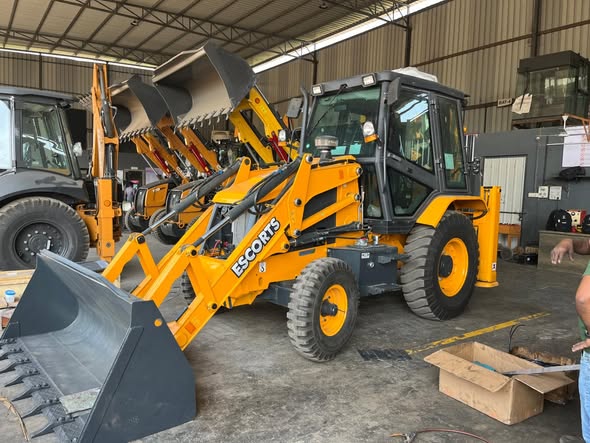
By Airgreen Corporation — Manufacturers & Suppliers of Auto Parts and Automotive AC Components At Airgreen Corporation, we work as manufacturers and suppliers of auto parts, extending our expertise beyond cars, buses, and trucks into construction equipment air conditioning. JCB machines — backhoe loaders, excavators, and skid steers — operate in some of the toughest environments: dusty sites, direct sun, and long working hours. This guide covers everything you need to know about JCB AC parts and compressors, common failure points, and how to choose the right replacement. Contact Us Why AC Matters in Construction Equipment Unlike passenger vehicles, JCB machines are often used for 8–12 hours a day in open, dusty, high-heat environments — making a functioning AC system essential for operator comfort, alertness, and productivity. Poor cabin cooling directly affects operator fatigue and safety on construction and excavation sites, which is why JCB AC systems are built to handle: Extreme dust ingress Continuous-duty operation Engine vibration and heat Variable ambient temperatures across outdoor worksites Core JCB AC Components 1. JCB AC Compressor The compressor is the core of the cabin cooling system, compressing refrigerant and circulating it through the AC loop. JCB machines commonly use heavy-duty compressors (Sanden SD7 series and similar off-highway rated units) built to withstand constant vibration and dusty operating conditions. Signs of a failing JCB AC compressor: Warm air from cabin vents despite AC running Grinding, clicking, or squealing noise from the compressor AC clutch not engaging Refrigerant oil leaks around compressor seals Repeated refrigerant loss with no visible external leak 2. JCB AC Condenser Releases heat absorbed by the refrigerant. In construction equipment, condensers are highly exposed to dust and debris, making them prone to clogging faster than in road vehicles. Common issues: Clogged fins from dust and debris buildup, reducing cooling efficiency Physical damage from worksite debris Leaks at fitting connections due to vibration over time 3. JCB AC Evaporator Located inside the cabin, the evaporator cools the air before it’s circulated to the operator. Dust ingress through cabin seals can accelerate evaporator coil fouling. Common issues: Reduced airflow from a dirty evaporator core Musty odors from mold/bacteria buildup Water leakage into the cabin from a blocked drain line 4. Expansion Valve / Orifice Tube Regulates refrigerant flow into the evaporator. A faulty valve leads to inconsistent or reduced cooling. 5. Receiver Drier / Accumulator Filters moisture and contaminants from the refrigerant circuit. In dusty environments, contamination risk is higher, making a functioning drier especially important. 6. Cabin Air Filters JCB cabins rely on cabin air filters to reduce dust ingress before it reaches the evaporator. Neglected filters both reduce cooling performance and increase evaporator fouling. Common JCB Machines & AC Applications Machine Type AC System Notes JCB 3DX / Backhoe Loaders Standard cabin AC unit, compressor mounted on engine bay Excavators Cabin-mounted AC with roof or rear-mounted condenser Skid Steer Loaders Compact AC systems, more exposed to dust ingress Wheel Loaders Heavy-duty AC units for extended operating hours Always confirm the exact compressor model and machine variant before ordering — JCB machines can use different AC configurations across production years and engine options. Common JCB AC Problems & Causes Problem Likely Cause Warm air despite AC running Faulty compressor, low refrigerant, worn clutch Weak airflow in cabin Clogged evaporator or dirty cabin air filter AC cools slowly on hot days Clogged condenser fins from dust buildup Water leaking inside cabin Blocked evaporator drain line Musty smell from vents Mold/bacteria buildup on evaporator coil Frequent refrigerant loss Leaks at condenser, hoses, or compressor seals from vibration Maintenance Tips for JCB AC Systems Clean condenser fins frequently — dusty worksites clog condensers far faster than road use. Replace cabin air filters regularly — a clogged filter reduces both airflow and cooling efficiency. Check refrigerant levels each season, especially before peak summer operation. Inspect compressor mounts and belts — constant vibration on construction sites accelerates wear. Flush evaporator drain lines periodically to prevent cabin water leakage. Use verified OEM or OEM-grade compatible parts — mismatched components are a common cause of repeat AC failure in off-highway equipment. OEM vs Aftermarket JCB AC Parts OEM JCB AC parts guarantee exact fitment and are built to original equipment specification — generally the safer choice for compressors and sealed system components. Aftermarket/compatible JCB AC parts offer a cost-effective alternative for routine maintenance and older machines, provided they’re sourced from a verified auto parts manufacturer with confirmed fitment data. As manufacturers and suppliers of auto parts, Airgreen Corporation supplies JCB-compatible AC compressors, condensers, evaporators, and related components, helping equipment owners, rental fleets, and workshops source reliable, fitment-accurate parts for construction machinery. Frequently Asked Questions What type of compressor does a JCB use? JCB machines commonly use heavy-duty AC compressors such as Sanden SD7 series units, rated for continuous-duty operation and built to withstand vibration and dust exposure. Why does JCB AC stop cooling in summer? The most common cause is a dust-clogged condenser reducing heat dissipation, followed by low refrigerant levels or a worn compressor clutch. How often should JCB AC filters be replaced? Cabin air filters should generally be checked monthly and replaced every 200–500 operating hours depending on dust exposure at the worksite, though heavy-dust environments may require more frequent replacement. Can I use aftermarket AC parts on my JCB machine? Yes, as long as the aftermarket compressor or component matches the required specification and port configuration, and is sourced from a verified auto parts manufacturer or supplier. Why does construction equipment need such a strong AC system? Operators work 8–12 hour shifts in hot, dusty, open environments, and reliable cabin cooling is essential for comfort, alertness, and safe machine operation. Why Choose Airgreen Corporation Airgreen Corporation is a trusted name among manufacturers of auto parts, extending our automotive AC expertise into construction equipment applications. Our JCB AC product range includes: JCB-compatible AC compressors (Sanden and heavy-duty off-highway units) Condensers and evaporators for backhoe loaders, excavators, and skid steers Expansion valves, receiver driers, and cabin

JCB AC Parts & Compressors: Complete Guide for Construction Equipment Read More »
Truck AC Parts: Complete Guide to Compressors & AC Components

By Airgreen Corporation — Manufacturers & Suppliers of Auto Parts and Automotive AC Components At Airgreen Corporation, we work as manufacturers and suppliers of auto parts, with a strong focus on commercial vehicle air conditioning systems. Trucks — whether light-duty delivery vans, heavy-duty haulers, or sleeper-cab long-haulers — put serious demand on their AC systems through long hours, engine vibration, and tough operating environments. This guide covers every major truck AC component, common failure points, and how to choose the right replacement parts. Contact Us Why Truck AC Systems Need Special Attention Truck AC systems differ from passenger car systems in several important ways: Longer duty cycles — trucks often run AC for 10+ hours a day, especially on long-haul routes Higher engine vibration and load — compressors and mounts must be built to withstand constant vibration Larger cabin volumes in some truck types, requiring higher-capacity components Exposure to dust, heat, and road debris, particularly for condensers mounted low or at the front of the vehicle Sleeper cab cooling — trucks with sleeper compartments may need auxiliary AC units for overnight cooling without the engine running Because of these demands, truck AC parts are generally built to higher durability standards than standard passenger car components. Core Truck AC Components 1. Truck AC Compressor The compressor circulates refrigerant through the AC system, and in trucks it must handle high torque loads and continuous operation. Common types used in trucks include Sanden heavy-duty SD7/TR series, Bock, and Bitzer compressors, depending on truck class and application. Signs of a failing truck AC compressor: Warm air despite the AC running Grinding, clicking, or squealing noise from the compressor AC clutch failing to engage Refrigerant oil leaks around compressor seals or fittings Repeated low refrigerant levels with no visible external leak 2. Truck AC Condenser The condenser releases absorbed heat from the refrigerant. In trucks, condensers are often mounted in front of the radiator and are highly exposed to road debris and dust. Common issues: Clogged fins reducing airflow and cooling efficiency Physical damage from stones or debris Leaks at seams or fitting connections 3. Truck AC Evaporator Positioned inside the cabin, the evaporator absorbs heat from cabin air before it’s circulated back through the vents. Common issues: Reduced airflow from dirt/dust buildup on the coil Musty odors from mold or bacteria growth Cabin water leakage from a blocked drain line 4. Expansion Valve / Orifice Tube Regulates refrigerant flow into the evaporator, maintaining correct pressure and temperature. A faulty valve causes uneven or reduced cooling. 5. Receiver Drier / Accumulator Removes moisture and contaminants from refrigerant. A saturated drier reduces cooling efficiency and can damage the compressor over time if left unaddressed. 6. AC Hoses & Fittings Truck AC hoses are exposed to engine heat, vibration, and road conditions, making them prone to wear, cracking, and refrigerant leaks over time — especially at crimped fittings. 7. Auxiliary/Sleeper Cab AC Units Long-haul trucks often use separate battery-powered or roof-mounted auxiliary AC units to cool the sleeper cabin without idling the main engine, improving fuel efficiency and reducing engine wear. Common Truck AC Problems & Causes Problem Likely Cause Warm air despite AC running Faulty compressor, low refrigerant, worn clutch Weak or no airflow Clogged evaporator, failed blower motor Uneven cooling in cabin Ductwork blockage, faulty expansion valve Water leaking inside cabin Blocked evaporator drain line Musty smell from vents Mold/bacteria buildup on evaporator coil Frequent refrigerant loss Leaks at condenser, hoses, or compressor seals AC works only at high RPM Weak or worn compressor clutch, belt slippage Light-Duty vs Heavy-Duty Truck AC Parts Factor Light-Duty Trucks Heavy-Duty Trucks Compressor Type Similar to passenger cars, variable-displacement Heavy-duty fixed or high-capacity variable displacement Duty Cycle Moderate Continuous, long-haul operation Cabin Volume Standard Larger, sometimes includes sleeper compartments Component Durability Standard automotive-grade Reinforced for vibration and extended runtime Choosing the correct AC part starts with identifying your truck’s duty class — using light-duty components in a heavy-duty application (or vice versa) can lead to premature failure or inefficient cooling. Maintenance Tips for Truck Fleet Operators Clean condensers regularly — front-mounted condensers collect road debris fast, especially on highway routes. Check refrigerant levels seasonally — low refrigerant is a leading cause of compressor failure due to inadequate lubrication. Inspect hoses and fittings for wear — vibration and heat accelerate hose degradation in trucks more than in passenger vehicles. Service auxiliary sleeper AC units separately — these run independently and need their own maintenance schedule. Flush evaporator drain lines — prevents cabin water leakage and mold buildup. Use verified OEM or OEM-grade aftermarket parts — mismatched or low-quality components are a common cause of repeat AC failures in commercial fleets. OEM vs Aftermarket Truck AC Parts OEM truck AC parts guarantee exact fitment and are built to original specifications — often the safer choice for compressors and critical sealed components. Aftermarket/compatible truck AC parts offer a more cost-effective option for high-mileage fleet maintenance, provided they’re sourced from a verified auto parts manufacturer with proper fitment data. As manufacturers and suppliers of auto parts, Airgreen Corporation supplies truck AC compressors, condensers, evaporators, and related components across light-duty and heavy-duty truck categories, helping fleet operators and workshops source reliable, fitment-accurate parts. Frequently Asked Questions What are the main components of a truck AC system? The core components are the compressor, condenser, evaporator, expansion valve, receiver drier, hoses, and blower motor — working together to compress, cool, and circulate refrigerant and cabin air. Why do truck AC compressors fail more often than car compressors? Trucks run their AC systems for longer hours under higher engine vibration and load, which accelerates wear on compressor seals, clutches, and internal components compared to passenger cars. What is a sleeper cab AC unit? It’s an auxiliary AC system, often battery-powered or roof-mounted, that cools a truck’s sleeper compartment without needing the main engine to run — improving fuel efficiency during rest stops. How often should truck AC systems be serviced? Most fleet operators recommend servicing truck

Truck AC Parts: Complete Guide to Compressors & AC Components Read More »

Automotive Air Conditioning Repairs Near Me: A Complete Guide

When the summer season warmth kicks in, a useful car air conditioning (AC) device is more than a pricey—it is a need. A defective AC now not satisfactory makes your drives uncomfortable but also can have an effect on your car’s everyday ordinary performance. That’s why looking for “automobile aircon safety near me” is often a pinnacle priority at the same time as AC troubles stand up. At Air Green Corporation, we’ve put together this complete manual to stroll you through everything you want to understand about automobile AC upkeep, not unusual problems, costs, and hints for finding reliable restore services near you. Contact Us How Does a Car AC System Work? Understanding how your automobile’s AC works is the first step to diagnosing troubles and records while renovation are critical. Compressor: The coronary heart of the AC device compresses refrigerant gas, growing its temperature and strain. Condenser: The condenser cools the excessive-stress refrigerant gasoline, changing it into a liquid. Expansion Valve/Orifice Tube: This element reduces the refrigerant’s strain, permitting it to cool before accomplishing the evaporator. Evaporator: The refrigerant absorbs warmth from the cabin air, cooling it earlier than it’s circulated lower back into the auto. Refrigerant: The refrigerant (in conjunction with R-134a or R-1234yf) is the fluid that lets in warm temperature change and cooling. When any of those additives fail or malfunction, your AC tool may stop operating efficiently, requiring instantaneous upkeep. Common Car AC Problems Identifying not unusual AC issues will allow you to speak greater correctly with a restore technician and ensure brief fixes. 1. Weak Cooling When your AC blows air, but it’s now not bloodless enough, it may be due to low refrigerant tiers, a clogged condenser, or a failing compressor. 2. No Cold Air If the AC nice blows warmth air, there may be a refrigerant leak, a damaged compressor, or an problem with the increase valve. 3. Strange Noises Unusual noises like hissing, rattling, or squealing at the same time as the AC is strolling can endorse problems with the compressor, fan motor, or belts. 4. Foul Odors A musty or unsightly odor from the AC vents also can moreover stop stop result from mold or micro organism buildup in the evaporator or cabin air clear out. 5. AC Clutch Not Engaging The AC take preserve of engages to power the compressor. If it doesn’t engage, the refrigerant tiers might be low, or the seize may be defective. 6. Water Leaks Inside the Cabin Water pooling under your dashboard indicates a clogged or broken AC drain hose. Why Choose Professional AC Repairs? While some automobile owners may also additionally strive DIY fixes, expert car AC preservation make sure the trouble is correctly diagnosed and fixed. Here’s why expert maintenance are in fact worth it: Comprehensive Diagnosis: Technicians use specialised device to pinpoint problems fast. Proper Equipment: AC maintenance require gear like refrigerant restoration machines and leak detectors, which professionals have accessible. Compliance with Environmental Standards: Professionals control refrigerants well and examine suggestions for their disposal. Cost-Effective: While DIY maintenance also can save money to start with, incorrect handling can result in extra highly-priced preservation down the road. How to Find the Best Automotive Air Conditioning Repairs Near Me Finding a dependable AC repair keep near you can hold time and make certain outstanding business enterprise. Here are some pointers for selecting the great issuer provider, and it’s the same standard we hold ourselves to at Air Green Corporation: 1. Check Online Reviews Search for nearby restore stores and have a look at reviews on Google, Yelp, or one-of-a-type evaluation structures. Look for ordinary outstanding remarks and testimonials approximately AC restore offerings. 2. Ask for Recommendations Word-of-mouth hints from pals, circle of relatives, or coworkers will can help you locate relied on restore shops nearby. 3. Verify Certifications Choose a store with licensed technicians, collectively with human beings with Automotive Service Excellence (ASE) credentials. 4. Request a Detailed Estimate A valid repair hold should offer a apparent estimate, along with tough art work, factors, and refrigerant charges. 5. Compare Prices While fee shouldn’t be the great problem, evaluating charges from multiple repair stores can help you find out a stability among rate and top notch. 6. Look for Warranty Coverage A sincere save gives warranties on their renovation, ensuring peace of mind if issues upward push up later. What to Expect During an Automotive AC Repair Service When you take your car to a repair store, proper right right here’s what an average AC repair system seems like: 1. Initial Inspection The technician will take a look at your AC system, test refrigerant degrees, and choose out seen issues like leaks or damaged components. 2. Leak Detection They’ll use equipment like UV dye or digital leak detectors to locate refrigerant leaks. 3. Refrigerant Recovery If the refrigerant wishes opportunity, the technician will effectively recover the antique refrigerant. 4. System Repairs or Component Replacement Faulty additives like compressors, condensers, or hoses are repaired or modified. 5. System Recharge The AC tool is recharged with the perfect quantity and sort of refrigerant. 6. Performance Testing Finally, the tool is examined to make sure it’s cooling efficiently and functioning with out issues. Costs of Automotive Air Conditioning Repairs The fee of AC protection varies relying on the difficulty, the type of automobile, and the shop’s location. Here’s a breakdown of normal charges: Refrigerant Recharge: $a hundred–$three hundred Leak Detection and Repair: $a hundred and fifty–$500 Compressor Replacement: $500–$1, hundred Condenser Replacement: $4 hundred–$900 Expansion Valve or Orifice Tube Replacement: $one hundred fifty–$three hundred Evaporator Core Replacement: $800–$1,500 Keep in mind that expenses can range extensively, so it’s an excellent concept to get a couple of expenses. DIY Maintenance Tips to Avoid Frequent AC Repairs While professional upkeep are vital for essential problems, regular maintenance can prevent many not unusual AC troubles. 1. Run the AC Regularly Even ultimately of colder months, run the AC for a couple of minutes weekly to maintain the compressor and

Automotive Air Conditioning Repairs Near Me: A Complete Guide Read More »

Automotive Air Conditioning Repair: A Complete Guide to Keeping Your Car Cool

When summer time rolls round, the consolation of your vehicle’s aircon device turns into crucial. However, similar to another part of your vehicle, your car’s air con (AC) machine can run into issues over the years, leaving you sweltering inside the warm temperature. Whether it’s a easy leak, a refrigerant problem, or a few factor more complicated, car air conditioning repair is important to keeping your vehicle’s comfort and performance. At Air Green Corporation, we’ve put together this complete guide to cover the entirety you want to know approximately automobile air con repair, from common AC issues and the way to diagnose them to the steps involved in repairing the tool. Additionally, we’ll discover renovation suggestions which can help prevent future breakdowns, signs and symptoms that your AC wishes restore, and a way to pick out out a expert for AC restore. Contact Us Understanding the Basics of Automotive Air Conditioning Systems Before diving into the repair method, it’s essential to have a easy understanding of the way car air conditioning structures art work. This will offer you with belief into why sure problems occur and the manner they are typically addressed sooner or later of upkeep. An automotive air conditioning machine generally consists of the subsequent crucial components: Compressor – The coronary heart of the AC machine, the compressor pressurizes the refrigerant and pumps it through the gadget. It is powered by way of the use of the engine thru a belt. Condenser – The condenser releases warm temperature from the refrigerant. It cools down the excessive-pressure gasoline from the compressor and turns it right right into a liquid. Evaporator – Located within the vehicle’s cabin, the evaporator absorbs heat from the air in the automobile and cools it down thru converting the refrigerant proper into a gas. Expansion Valve or Orifice Tube – This aspect regulates the go with the flow of refrigerant into the evaporator. It controls the strain of the refrigerant because it enters the evaporator. Refrigerant – The substance that circulates through the gadget, soaking up and liberating heat to kick back the auto. Refrigerant is regularly the maximum commonplace culprit whilst an AC device stops functioning properly. Together, the ones components paintings in a cycle to take in warmness from in the car and release it out of doors, retaining you cool and cushty. When one or greater of these elements fail, the entire machine can prevent running as intended, leading to a need for restore. Common Problems with Automotive Air Conditioning Systems There are loads of issues that can stand up along with your car’s air conditioning gadget. Below are some of the most not unusual issues that require automobile AC restore. 1. Low Refrigerant Refrigerant is the lifeblood of your AC machine. If your device has low refrigerant levels, the AC will not cool nicely. Refrigerant can leak through the years due to damaged seals, hoses, or exceptional additives in the machine. Low refrigerant is one of the maximum commonplace motives of awful cooling performance. Symptoms: Warm air blowing from the vents. AC now not reaching the favored cooling temperature. A extensive hissing sound coming from the AC device. Repair: The refrigerant degree wants to be checked and recharged via a professional technician. The tool may also be inspected for leaks. 2. Clogged or Dirty Air Filter A clogged or dirty air filter out can reduce airflow and save you the AC machine from cooling the cabin successfully. The air filter is accountable for cleaning the air before it enters the evaporator. If it becomes clogged with dirt, particles, or mildew, it could reason issues with the airflow. Symptoms: Weak airflow from the AC vents. A musty or strange scent from the aircon device. Reduced cooling overall performance. Repair: Replacing or cleaning the air filter is the solution. Some motors have cabin air filters which can need to be replaced periodically. 3. Compressor Failure The compressor is a important aspect of your air conditioning machine. If it fails, the entire tool will now not feature. Compressor failure can occur because of electric powered issues, loss of lubrication, or inner damage. Symptoms: AC device makes a noisy or extraordinary noise even as jogging. No cool air, regardless of the AC on. The compressor grasp does not interact even as the AC is grew to end up on. Repair: If the compressor is broken, it’ll probable need to get replaced. A technician will test the compressor, and if it’s beyond repair, a opportunity component may be established. 4. Faulty Condenser The condenser works with the resource of liberating the heat absorbed via the refrigerant. If it’s broken, blocked, or leaking, the refrigerant cannot effectively release its warmth, and the air conditioning system will not perform efficiently. Symptoms: The AC blows heat air rather than bloodless air. Overheating engine (for the reason that condenser is regularly positioned close to the engine). Repair: A blocked condenser may be cleaned, while a damaged one will require substitute. Replacing a faulty condenser normally calls for putting off the the front bumper or specific additives, so it’s a challenge notable left to experts. 5. Blower Motor Issues The blower motor is answerable for pushing air thru the AC device and into your cabin. If the motor is malfunctioning, you may look at susceptible or no airflow, despite the fact that the AC is on. Symptoms: Low airflow or no airflow from the vents. Strange noises at the same time as the fan is on. AC blowing air intermittently. Repair: A damaged blower motor will want to be replaced. In some times, the blower motor resistor may be defective, and changing that may solve the difficulty. 6. Faulty Pressure Switches Pressure switches reveal the strain of the refrigerant inside the device. If the transfer fails, it may cause the compressor to malfunction, or the AC device may not interact at all. Symptoms: AC gadget now not turning on. Warm air blowing from the vents no matter the AC being on. Repair: A

Automotive Air Conditioning Repair: A Complete Guide to Keeping Your Car Cool Read More »

JCB AC Units

Bus AC Parts: Complete Guide to Compressors, Condensers & Evaporators

By Airgreen Corporation — Manufacturers & Suppliers of Auto Parts and Automotive AC Components At Airgreen Corporation, we work as manufacturers and suppliers of auto parts, with a strong focus on bus and commercial vehicle air conditioning systems. Bus AC systems face a tougher job than passenger car systems — running for longer hours, cooling larger cabins, and carrying more passenger load. In this guide, we break down every major bus AC component, common failure points, and maintenance best practices for fleet operators and workshops. Contact Us Why Bus AC Systems Are Different A bus air conditioning system has to cool a much larger cabin volume than a car, often for 8–16 hours a day, with frequent door openings letting in hot air. This means bus AC components are built with: Higher-capacity compressors Larger condensers and evaporators Reinforced components rated for continuous-duty cycles Roof-mounted or under-floor AC units (depending on bus type) Because of this heavier workload, bus AC parts wear faster than passenger car components and require more frequent inspection and maintenance. Core Components of a Bus AC System 1. Bus AC Compressor The compressor is the heart of the system, compressing refrigerant gas and circulating it through the AC loop. Buses typically use heavy-duty compressors (such as Sanden SD7/TR series or Bock/Bitzer units for larger fleets) rated for continuous operation. Common signs of compressor failure: Warm or inconsistent airflow Loud grinding or clicking noise Compressor clutch not engaging Visible oil leaks around the compressor housing 2. Bus AC Condenser The condenser releases the heat absorbed by the refrigerant, converting it from a hot gas back into a liquid. Bus condensers are typically larger and roof-mounted, exposed to more dust and debris than car condensers. Common issues: Clogged fins from road dust and debris, reducing cooling efficiency Physical damage from road debris (especially in roof-mounted units) Refrigerant leaks at connection points 3. Bus AC Evaporator The evaporator absorbs heat from the cabin air, cooling it before it’s circulated back through the vents. In buses, evaporators are often larger and positioned to distribute cooled air evenly across a long cabin. Common issues: Reduced airflow from a clogged or dirty evaporator core Musty odors from mold/bacteria buildup on the evaporator coil Water leakage into the cabin from a blocked drain line 4. Expansion Valve / Orifice Tube Regulates refrigerant flow into the evaporator. A faulty expansion valve can cause uneven cooling or complete AC failure. 5. Receiver Drier / Accumulator Filters moisture and contaminants from the refrigerant. A saturated or clogged drier can lead to reduced cooling and compressor damage over time. 6. AC Blower Motor & Fans Circulate cooled air through the cabin (evaporator side) and dissipate heat at the condenser. Bus systems often use multiple blower motors to cover the length of the cabin. Common Bus AC Problems & Causes Problem Likely Cause Warm air despite AC running Faulty compressor, low refrigerant, failed clutch Weak airflow from vents Clogged evaporator, faulty blower motor AC cools only at the front/back of the bus Ductwork blockage, uneven blower distribution Water dripping inside cabin Blocked evaporator drain line Musty smell from vents Mold/bacteria buildup on evaporator coil Frequent refrigerant loss Leak at condenser, hose fittings, or compressor seals Bus AC Maintenance Tips for Fleet Operators Clean condenser fins regularly — roof-mounted condensers collect dust fast; monthly cleaning prevents efficiency loss. Check refrigerant levels each season — low refrigerant is one of the most common causes of compressor failure due to inadequate lubrication. Inspect belts and clutch engagement — worn belts reduce compressor performance and can lead to sudden failure. Flush and clean evaporator drain lines — prevents water leakage into the cabin and mold buildup. Schedule preventive AC servicing before peak summer season — reduces breakdowns during high-demand periods. Use OEM-grade or verified aftermarket parts — mismatched components are a leading cause of premature AC failure in fleet vehicles. OEM vs Aftermarket Bus AC Parts OEM bus AC parts offer guaranteed fitment and are built to the original system specification, but come at a higher cost — often justified for critical components like compressors. Aftermarket/compatible bus AC parts are more budget-friendly and widely available, making them practical for high-turnover fleet maintenance, provided they’re sourced from a verified auto parts manufacturer or supplier. As manufacturers and suppliers of auto parts, Airgreen Corporation supplies bus AC compressors, condensers, evaporators, and related components, helping fleet operators and workshops source fitment-accurate parts without compromising on reliability. Frequently Asked Questions What are the main parts of a bus AC system? The core components are the compressor, condenser, evaporator, expansion valve, receiver drier, and blower motors — working together to compress, cool, and circulate refrigerant and cabin air. Why does bus AC fail more often than car AC? Bus AC systems run longer hours, cool larger cabin volumes, and are exposed to more dust and road debris (especially roof-mounted condensers), leading to faster wear compared to passenger car systems. How often should bus AC systems be serviced? Most fleet operators service bus AC systems at least twice a year — before summer and after — with condenser cleaning and refrigerant checks recommended monthly during peak usage. What causes water leakage inside a bus cabin from the AC? This is usually caused by a blocked evaporator drain line, which prevents condensation from draining properly and causes it to leak into the cabin instead. Can I use aftermarket AC compressors for buses? Yes, as long as the aftermarket compressor matches the required displacement, port configuration, and clutch/pulley type, and is sourced from a verified auto parts manufacturer or supplier. Why Choose Airgreen Corporation Airgreen Corporation is a trusted name among manufacturers of auto parts, specializing in automotive air conditioning systems and components for cars, buses, trucks, and heavy machinery. Our bus AC product range includes: Bus AC compressors (Sanden, Mahle Behr, and compatible heavy-duty units) Bus AC condensers and evaporators Expansion valves, receiver driers, and blower motors Complete AC spare parts support for fleet and commercial vehicles Whether you’re

Bus AC Parts: Complete Guide to Compressors, Condensers & Evaporators Read More »

Automotive Air Conditioning Near Me: A Complete Guide to Car AC Services and Repairs

In the warmth of summer or during the warmer months, a properly functioning air conditioning (AC) system in your vehicle can make all the difference in ensuring comfort and safety. When your car’s AC isn’t working, it’s easy to feel overwhelmed. The good news is that finding automotive air conditioning services near you is easier than ever, thanks to modern service centers, mobile repair options, and local auto shops specializing in HVAC (Heating, Ventilation, and Air Conditioning) systems — including trusted providers like Air Green Corporation. In this complete guide, we’ll explore everything you need to know about automotive air conditioning systems, the common issues you might face, and how to find reliable car AC repair services near you. We’ll also share tips on maintaining your car’s air conditioning system to extend its lifespan and keep it running smoothly for years to come. Contact Us  The Importance of a Properly Functioning Car Air Conditioning System Car air conditioning isn’t just about comfort — it’s also about safety and health. In regions where temperatures climb, the AC system helps regulate the vehicle’s interior climate, preventing overheating, dehydration, and driver fatigue. Having a working air conditioner is essential for: Comfort: In hot weather, a car’s interior can reach unbearable temperatures quickly. A functional AC system makes long drives or short commutes far more comfortable. Health: AC helps filter pollen, dust, and other allergens, providing better air quality inside the cabin. It also helps prevent overheating, which can lead to fatigue or dizziness. Defogging: AC systems help defog the windshield by reducing humidity inside the car, especially in cold or wet weather. Preserving the Car Interior: By keeping a cooler temperature inside the vehicle, the AC reduces heat exposure to the seats, dashboard, and other interior components, extending their lifespan. Given these factors, it’s essential to keep your car’s AC system in top condition — and companies like Air Green Corporation specialize in exactly that. Common Car Air Conditioning Issues Your car’s AC system is made up of many interconnected components that work together to cool and circulate air inside the vehicle. If one component fails, it can cause the entire system to stop functioning properly. Here are the most common problems that can arise with your car’s air conditioning: 1. Refrigerant Leaks The most common reason for a car’s AC system to stop working is a refrigerant leak. Refrigerant is the substance that cools the air inside the cabin. If there’s a leak anywhere in the AC system, the refrigerant can escape, causing the system to lose pressure and become ineffective. Symptoms: Warm air blowing from the vents A noticeable drop in cooling performance Hissing noises from the AC system Solution: An AC technician will need to locate the leak, repair it, and then recharge the system with the appropriate refrigerant. 2. Faulty Compressor The compressor is the heart of the AC system. It’s responsible for circulating the refrigerant through the system and pressurizing it. A malfunctioning compressor can result in a complete loss of cooling capability. Symptoms: No cold air at all Strange noises (like grinding or clunking) when the AC is turned on The AC light may flicker or turn off Solution: If the compressor is faulty, it may need to be repaired or replaced. This is one of the more expensive repairs due to the complexity of the component. 3. Clogged or Dirty Air Filters Air filters help prevent dirt and debris from entering the AC system and circulating inside the cabin. Over time, these filters can become clogged with dust, dirt, and pollen, causing the AC to work harder and perform poorly. Symptoms: Reduced airflow from the vents Unpleasant odors coming from the vents Poor cooling performance Solution: Regularly changing or cleaning the air filters can solve this problem. If you notice reduced airflow or a bad smell, it may be time to replace the filters. 4. Blower Fan Issues The blower fan is responsible for circulating air inside the cabin. If the fan malfunctions, it may not blow enough air to cool the car properly. Symptoms: Weak airflow from the vents Strange noises when the AC is on The blower fan doesn’t work at all Solution: In most cases, blower fan issues can be resolved by repairing or replacing the motor or fan assembly. 5. Broken Condenser The condenser is another critical component of the AC system, responsible for releasing heat from the refrigerant. If the condenser is damaged or clogged, it can lead to overheating or poor cooling performance. Symptoms: Warm air blowing from the vents The cooling system not working effectively Solution: A damaged condenser may need to be replaced entirely. Regular maintenance checks can catch issues with the condenser before they become major problems. 6. Electrical Problems The electrical system in your vehicle, including the fuses and wiring that power the AC system, can sometimes cause issues. A blown fuse or damaged wiring can prevent the AC from working. Symptoms: The AC system doesn’t turn on Blown fuses when checking the vehicle’s fuse box Solution: This can typically be fixed by replacing the blown fuse or repairing any damaged wiring. How to Find Automotive Air Conditioning Services Near Me Now that we’ve covered the most common AC issues, it’s time to talk about finding reliable car air conditioning services near you. Whether you need a simple recharge or a full repair, it’s important to choose the right service provider such as Air Green Corporation. Here are some steps to help you find the best AC repair shop: 1. Search Online for Local Auto AC Shops Use search engines like Google to find nearby auto AC repair services. Simply type in phrases like “car AC near me,” “car AC repair near me,” or “car AC service near me.” Most repair shops have websites that provide information about their services, hours, and customer reviews. Tips for Searching Online: Use Google Maps to check for nearby auto AC repair shops and read customer reviews. Look for shops

Automotive Air Conditioning Near Me: A Complete Guide to Car AC Services and Repairs Read More »

Automotive Air Conditioning Service: Everything You Need to Know

When the temperature starts rising, nothing beats the comfort of a cool, clean ride. Your car’s air conditioning (AC) system is essential for keeping that comfort going, but like every other vehicle system, it needs regular attention and maintenance to keep it working at its best. A well-maintained car air conditioning system not only keeps your vehicle cool, but also extends the life of its components, improves cabin air quality, and reduces the risk of costly repairs down the road. In this complete guide, brought to you by Air Green Corporation, we’ll cover everything you need to know about automotive air conditioning service, including why it matters, the most common AC problems, and the benefits of regular maintenance. Whether you’re looking to keep your system running smoothly or need help diagnosing an AC issue, this guide is packed with useful information to help you understand car AC service from top to bottom. Contact Us What is Automotive Air Conditioning Service? Automotive air conditioning service refers to the routine maintenance, inspection, and repair of a vehicle’s air conditioning system to ensure it operates efficiently and effectively. Like every other component in your car, your AC system needs regular servicing to function properly. At Air Green Corporation, this service typically includes checking refrigerant levels, inspecting for leaks, cleaning the system, replacing filters, and making sure all components are working as they should. The primary goal of automotive AC service is to ensure the system delivers maximum cooling performance, clean air, and long-term reliability. Why is Automotive Air Conditioning Service Important? Regular servicing of your vehicle’s air conditioning system matters for several reasons: Maintaining Cooling Performance One of the most important reasons for regular AC servicing is to make sure your system cools the car effectively. A poorly functioning AC can cause warm air to blow from the vents, reduced cooling performance, or complete failure during hot weather, making the car uncomfortable to drive. Improving Air Quality Air conditioning systems help filter the air inside the cabin, removing dust, pollen, and other contaminants that could affect your health. Over time, dirt and debris can build up in the AC system, leading to poor air quality. Regular servicing helps keep the system clean and improves the air quality inside your vehicle. Extending the Life of Your AC System Like any other system in your car, your AC system needs regular care to extend its lifespan. By catching minor issues early, you can prevent costly repairs or system failure down the line. Energy Efficiency A well-maintained AC system runs more efficiently, using less energy and reducing fuel consumption. Over time, neglecting your AC system can lead to poor performance and higher fuel costs. Preventing Costly Repairs Regular servicing helps identify and fix minor problems before they turn into bigger, more expensive issues. For example, low refrigerant levels or a small leak could lead to complete AC failure if not addressed early. Key Components of an Automotive Air Conditioning System Understanding your vehicle’s AC system is important for understanding how regular service keeps it running smoothly. The main components of an automotive air conditioning system include: Compressor The compressor is the heart of the AC system. It pressurizes the refrigerant and circulates it through the system. The compressor is driven by the engine and powered by a belt. Condenser The condenser cools the refrigerant gas coming from the compressor and turns it into a liquid. It’s located at the front of the vehicle, often near the radiator, to take advantage of airflow. Evaporator The evaporator is located inside the vehicle and absorbs heat from the air in the cabin. As the refrigerant passes through the evaporator, it evaporates into a gas and cools the air in the process. Expansion Valve The expansion valve regulates the flow of refrigerant into the evaporator. It reduces the pressure of the refrigerant, allowing it to expand and absorb heat more effectively. Refrigerant Refrigerant is the substance that circulates through the AC system, absorbing heat from the vehicle’s cabin and releasing it outside. There are different types of refrigerants used in modern AC systems, with R-134a and R-1234yf being the most common. Blower Motor The blower motor pushes air over the evaporator coil and into the cabin. It helps distribute the cool air throughout the vehicle. The fan’s speed can be adjusted to control airflow. Receiver-Drier or Accumulator This component filters moisture and contaminants from the refrigerant to prevent damage to the system. It also stores excess refrigerant and ensures it flows smoothly through the system. Common Problems with Automotive Air Conditioning Systems Understanding the common problems that can arise with your air conditioning system can help you catch issues early and get the necessary service from Air Green Corporation before things escalate. Here are a few common problems that often require air conditioning service: Low Refrigerant Levels One of the most common causes of poor AC performance is low refrigerant levels. Refrigerant can leak over time due to damaged seals, hoses, or worn components. If the refrigerant level is low, the AC system won’t be able to cool the air properly. Clogged Air Filter A dirty or clogged air filter can restrict airflow into the system, reducing cooling performance and air quality inside the vehicle. Replacing the air filter during routine service is important for maintaining proper airflow. Compressor Failure The compressor is a critical part of the AC system. If it fails, the system won’t cool the air. Compressor issues can be caused by low refrigerant, electrical failure, or mechanical problems. Leaking Refrigerant Leaks in the refrigerant lines can cause refrigerant loss, leading to a decrease in cooling performance. Leaks are often caused by cracks or worn-out seals and require professional repair to prevent further damage. Faulty Pressure Switch The pressure switch monitors the pressure of the refrigerant inside the system. If the switch fails, it can prevent the compressor from running or cause it to cycle on and off, disrupting the cooling process. Blower Motor Problems A malfunctioning blower motor can result in weak

Automotive Air Conditioning Service: Everything You Need to Know Read More »

How to Find the Best Car AC Shops Near You: A Complete Guide

When your car’s air conditioning system stops cooling properly, finding a trusted car AC shop near me becomes essential. Whether you need an AC recharge, refrigerant leak repair, AC compressor replacement, or complete car AC repair, choosing the right service center ensures better performance and long-lasting results. At Air Green Corporation, we understand the importance of reliable automotive AC parts and professional servicing to keep your vehicle comfortable in every season. Contact Us Importance of Regular Car AC Maintenance Regular maintenance keeps your car AC system operating efficiently and helps prevent costly repairs. A properly maintained system delivers better cooling, cleaner cabin air, improved fuel efficiency, and a longer lifespan for your AC components. Benefits include: Better car AC cooling performance Improved cabin air quality Longer life for AC compressors, condensers, and evaporators Better fuel efficiency Reduced chances of unexpected breakdowns How to Find the Best Car AC Shop Near You Use Online Search Search for car AC shops near me, car AC repair near me, or auto AC service center on Google or other search engines. Check Google Maps, customer ratings, and reviews before making a decision. Ask for Recommendations Friends, family, and colleagues can often recommend trusted car AC repair shops based on their personal experiences. Read Customer Reviews Browse reviews on Google, Facebook, and local business directories. Look for businesses with consistently positive ratings, quality workmanship, and professional customer service. Visit the Shop’s Website A professional website should clearly list services, certifications, years of experience, and contact information. Look for Specialized Services Choose shops that specialize in: AC compressor repair Refrigerant leak detection Car AC gas refill AC condenser replacement Hybrid and electric vehicle AC systems Visit the Workshop A clean workshop, experienced technicians, and modern diagnostic equipment are good indicators of quality service. Compare Estimates Request quotes from multiple car AC service centers to compare pricing, repair methods, warranties, and turnaround time. Common Services Offered by Car AC Shops AC System Inspection Complete inspection of the car air conditioning system, refrigerant levels, compressor, condenser, evaporator, and electrical components. AC Gas Recharge Recharge the system with the correct car AC refrigerant to restore cooling performance. Refrigerant Leak Detection Locate and repair refrigerant leaks using professional leak detection equipment. AC Compressor Repair Repair or replace damaged AC compressors to restore proper refrigerant circulation. Condenser and Evaporator Service Repair or replace faulty AC condensers and evaporators to improve cooling efficiency. Cabin Air Filter Replacement Replace clogged cabin air filters to improve airflow and maintain clean cabin air. AC Cleaning and Flushing Remove dirt, mold, bacteria, and debris from the AC system for improved performance and odor-free operation. Performance Testing Test refrigerant pressure, cooling efficiency, compressor operation, and airflow to ensure the system performs correctly. Why Choose Quality Auto Parts? Using premium automotive AC parts improves durability, cooling performance, and system reliability. Genuine AC compressors, condensers, evaporators, expansion valves, and refrigerants help reduce future repair costs while extending the life of your air conditioning system. Conclusion Finding a trusted car AC shop near me helps keep your car air conditioning system running efficiently throughout the year. Regular inspections, professional repairs, and high-quality auto parts ensure reliable cooling, better fuel efficiency, and greater driving comfort. Air Green Corporation offers premium car AC parts, AC compressors, condensers, evaporators, refrigerants, and other high-quality automotive AC components that support professional repairs and long-lasting vehicle performance. Whether you need maintenance or replacement parts, choosing quality products helps keep your vehicle cool and comfortable wherever you drive.

How to Find the Best Car AC Shops Near You: A Complete Guide Read More »

A Complete Guide to Advance Auto Parts: Everything You Need to Know

When it comes to vehicle maintenance and repair, finding the right components is critical to ensuring the smooth operation of your car. One of the leading names in the auto parts industry is Advance Auto Parts. As a trusted provider of vehicle products, Advance Auto Parts has been serving customers for decades with a wide range of quality parts and accessories for cars, trucks, and other vehicles. In this complete guide, we’ll explore everything you need to know about Advance Auto Parts, including their history, product offerings, and services, as well as how to find the right auto parts for your vehicle. What Is Advance Auto Parts? Founded in 1932, Advance Auto Parts is one of the largest providers of aftermarket auto parts, tools, and accessories in the United States. With over 5,000 stores nationwide, Advance Auto Parts provides customers with everything they need for vehicle maintenance, repairs, and upgrades. Whether you’re a professional mechanic or a DIY enthusiast, Advance Auto Parts offers an extensive range of quality products to fit all vehicle needs. As a trusted retailer, Advance Auto Parts operates both online and through its brick-and-mortar stores, providing convenient access to auto parts and accessories across the country. They also offer online ordering with options for in-store pickup, giving customers more flexibility when they need components quickly. The History of Advance Auto Parts Advance Auto Parts has a long and storied history. The company was founded by Arthur Taubman in 1932 under the name Advance Stores. The first store was located in Roanoke, Virginia, and primarily focused on providing auto parts and accessories to the local community. Over the years, the company expanded its operations, growing both in terms of store locations and product offerings. In 1987, Advance Auto Parts became a publicly traded company and began its rapid growth across the United States. Through strategic acquisitions, including the purchase of Carquest in 2014, Advance Auto Parts further solidified its position as a leader in the auto parts industry. Today, Advance Auto Parts continues to innovate, offering a range of tools, replacement parts, maintenance products, and accessories for cars, trucks, and even motorcycles. They pride themselves on their commitment to quality and customer service, ensuring that every part sold meets the highest standards. Types of Products Available at Advance Auto Parts Advance Auto Parts carries a wide variety of products designed to meet the needs of both professional mechanics and DIY car enthusiasts. Their extensive inventory includes everything from basic maintenance supplies to high-performance components for custom builds and repair projects. Below, we’ll explore some of the categories of auto parts available at Advance Auto Parts. 1. Engine Parts The engine is the heart of any vehicle, and when it needs maintenance or replacement, finding the right parts is crucial. Advance Auto Parts carries a wide selection of engine components, including: Air Filters: Air filters help keep dirt and debris out of the engine, ensuring optimal performance. Oil Filters: Regular oil changes are essential for engine health, and Advance Auto Parts offers a variety of oil filters to fit most vehicles. Timing Belts and Chains: The timing belt or chain keeps the engine’s moving parts in sync, and replacing it is crucial for preventing engine damage. Pistons and Rings: Advance Auto Parts offers pistons, rings, and other internal engine components for repairs or performance upgrades. Timing Components: This category includes camshafts, crankshafts, and other parts essential for timing and engine synchronization. 2. Suspension and Steering Parts Your vehicle’s suspension and steering system are essential for handling, comfort, and safety. Advance Auto Parts offers plenty of components to keep these systems running smoothly, including: Shocks and Struts: These components help absorb road impacts, providing a smooth ride and stability. Control Arms: Control arms are essential for maintaining wheel alignment and stability. Ball Joints: These joints connect the steering knuckle to the control arms, allowing smooth steering and handling. Tie Rod Ends: Tie rods are important for maintaining proper steering alignment and control. Suspension Bushings: These rubber components help reduce vibrations and noise in the suspension system. 3. Brakes and Brake Parts Brakes are one of the most critical safety components of any vehicle. Advance Auto Parts carries a complete selection of brake components, ensuring that drivers can keep their braking systems in top condition. Key brake components available include: Brake Pads: Whether you want standard or performance brake pads, Advance Auto Parts offers a wide range to fit different driving styles. Brake Rotors: Brake rotors help stop the car by converting kinetic energy into heat. Over time, they wear out and need to be replaced. Brake Lines and Hoses: Brake lines and hoses are essential for transmitting brake fluid to the braking components. Master Cylinders: This component is responsible for generating the hydraulic force needed to activate the brakes. Brake Calipers: Brake calipers clamp the brake pads against the rotor, creating friction to slow or stop the car. 4. Electrical and Lighting Parts A vehicle’s electrical system is essential for starting the engine, powering lights, and maintaining battery life. Advance Auto Parts carries a large selection of electrical and lighting components, including: Batteries: Advance Auto Parts offers a wide range of batteries for different types of vehicles, including cars, trucks, and even motorcycles. Headlights and Taillights: Whether you want standard or LED lighting, Advance Auto Parts has options to fit your vehicle. Fuses and Fuse Boxes: These protect your electrical system by interrupting the flow of current if a problem occurs. Alternators and Starters: The alternator keeps the battery charged, while the starter motor helps start the engine. 5. Heating and Cooling Parts The heating and cooling system ensures that your vehicle operates at the correct temperature. Without proper cooling, an engine can overheat and sustain severe damage. Heating and cooling components available at Advance Auto Parts include: Radiators: Radiators dissipate heat from the engine to prevent overheating. Thermostats: The thermostat regulates the engine’s temperature by controlling the flow of coolant. Water Pumps: Water pumps circulate coolant through

A Complete Guide to Advance Auto Parts: Everything You Need to Know Read More »

Car AC Specialist Near Me: The Ultimate Guide to Finding the Best Auto Air Conditioning Services

When summer temperatures rise, a properly working car AC system becomes essential for a comfortable drive. If your vehicle’s air conditioning stops cooling efficiently, finding a trusted car AC specialist near me can save you from costly repairs and uncomfortable journeys. At Air Green Corporation, we provide premium automotive AC parts and reliable solutions to help maintain your vehicle’s cooling performance. A professional car AC specialist has the expertise to diagnose, repair, and maintain every part of your vehicle’s air conditioning system, ensuring reliable performance throughout the year. Click here   What is a Car AC Specialist? A car AC specialist is a trained technician who repairs and services car air conditioning systems. They work on components such as AC compressors, condensers, evaporators, refrigerants, and climate control systems. These experts diagnose cooling problems, refrigerant leaks, compressor failures, unusual noises, and airflow issues while ensuring your AC system operates efficiently. Importance of Regular Car AC Maintenance Routine maintenance helps your car AC system perform efficiently and prevents expensive repairs. Improved Cooling Performance Regular servicing keeps the AC compressor, condenser, and evaporator working efficiently for maximum cooling. Better Fuel Efficiency A properly maintained car air conditioning system consumes less engine power, helping improve fuel economy. Prevent Expensive Repairs Early detection of refrigerant leaks, worn components, and electrical faults prevents major breakdowns. Better Cabin Air Quality Replacing the cabin air filter and cleaning the AC system removes dust, allergens, and bacteria, providing cleaner air inside your vehicle. Reduced Risk of AC Failure Regular inspections help identify worn components before they fail completely. Services Offered by Car AC Specialists A professional car AC specialist typically provides the following services: AC System Diagnosis Complete inspection of the car AC system, including compressor, condenser, evaporator, hoses, and refrigerant levels. Refrigerant Recharge Recharge the system using the correct car AC refrigerant to restore cooling efficiency. Leak Detection and Repair Detect and repair refrigerant leaks using advanced testing equipment. Compressor Repair and Replacement Repair or replace damaged AC compressors for reliable cooling. Condenser and Evaporator Repair Clean, repair, or replace faulty AC condensers and evaporators. AC System Cleaning Remove dirt, bacteria, mold, and unpleasant odors from the air conditioning system. Cabin Air Filter Replacement Replace dirty cabin air filters to improve airflow and air quality. Complete AC Inspection Inspect refrigerant pressure, cooling performance, electrical components, and overall system condition. Heater and Defroster Service Many specialists also repair heating and defrost systems for year-round comfort. How to Find a Car AC Specialist Near You Search Online Search for car AC specialist near me, auto AC repair near me, or car AC service center on Google to find nearby professionals. Check Business Directories Browse trusted directories like Google Business Profile, Yelp, or local business listings. Ask for Recommendations Friends, family, and local mechanics can often recommend reliable car AC repair specialists. Visit Authorized Service Centers Authorized workshops use genuine automotive AC parts and follow manufacturer service standards. Check Social Media Many repair shops showcase customer reviews, services, and offers through Facebook and Instagram. Read Customer Reviews Always review customer ratings before selecting an AC repair workshop. Visit Their Website A professional website provides information about services, certifications, warranties, and available car AC parts. Why Choose Quality Auto Parts? Using high-quality auto parts improves cooling performance, increases system life, and reduces future repair costs. Genuine AC compressors, condensers, evaporators, refrigerants, and cabin air filters ensure reliable operation and long-lasting performance. Conclusion Choosing a trusted car AC specialist near me helps maintain your car air conditioning system, improves cooling efficiency, and prevents expensive repairs. Regular servicing, timely inspections, and quality automotive AC parts keep your vehicle comfortable throughout every season. Air Green Corporation supplies premium car AC parts, AC compressors, condensers, evaporators, refrigerants, and other reliable auto parts to support professional repairs and long-lasting vehicle performance. Whether you need maintenance, replacement parts, or complete AC solutions, choosing quality products ensures a cool, comfortable, and efficient driving experience.

Car AC Specialist Near Me: The Ultimate Guide to Finding the Best Auto Air Conditioning Services Read More »

Scroll to Top