Author name: Mini Mini

Car AC Stopped Working? A Complete Guide to Diagnosing and Fixing the Problem

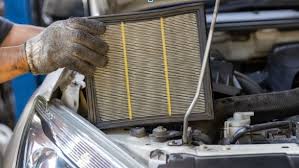
Nothing is more frustrating than sitting in a hot car only to realize that your air conditioning system has stopped working. A car AC, car air conditioning system, and quality auto parts are essential for comfortable driving, especially during summer. At Air Green Corporation, we provide reliable automotive AC components and premium auto parts to help keep your vehicle running efficiently. A car AC system consists of several mechanical and electrical components. If any of these parts fail, your AC may stop working completely. Contact Us   Why Car AC Stops Working 1. Low Refrigerant Levels Refrigerant is the lifeblood of the car AC system. Leaks or natural loss over time reduce cooling performance. 2. Compressor Failure The AC compressor circulates refrigerant throughout the system. If it fails due to wear or electrical issues, the AC stops cooling. 3. Faulty AC Clutch A damaged AC clutch prevents the compressor from engaging properly. 4. Electrical Problems Blown fuses, faulty relays, damaged wiring, or loose electrical connections can stop the AC from operating. 5. Clogged Condenser A dirty or damaged AC condenser restricts airflow, reducing cooling efficiency. 6. Dirty Cabin Air Filter A clogged cabin air filter blocks airflow and lowers AC performance. 7. Refrigerant Leaks Damaged hoses, seals, or fittings can cause refrigerant leakage and poor cooling. 8. Expansion Valve or Orifice Tube Problems A faulty expansion valve or orifice tube affects refrigerant flow and cooling performance. 9. Evaporator Damage A leaking or corroded AC evaporator can prevent the system from cooling properly. 10. Overcharged AC System Too much refrigerant increases pressure and may damage important AC components. How to Diagnose a Car AC Problem Before visiting a mechanic, perform these simple checks. Check AC Settings Set the AC to maximum cooling and highest fan speed. Turn on recirculation mode. Check Airflow Warm air usually indicates low refrigerant, compressor failure, or a blocked condenser. No airflow may indicate a faulty blower motor or clogged cabin air filter. Listen for Unusual Sounds Grinding, squealing, or rattling sounds often point to compressor or belt problems. Inspect for Leaks Look around the compressor, hoses, and condenser for oily residue, which often indicates refrigerant leakage. Check Compressor Operation Start the engine and switch on the AC. Ensure the compressor clutch engages properly. Inspect Electrical Components Check AC fuses, relays, and wiring for damage. Measure Refrigerant Pressure Low pressure usually indicates refrigerant leakage, while high pressure may suggest blockage or overcharging. Scan for Fault Codes Modern vehicles may store AC-related fault codes that can be detected using an OBD-II scanner. How to Fix a Car AC That Stopped Working Recharge the AC Recharge the system with the correct car AC refrigerant if levels are low. Repair Refrigerant Leaks Replace damaged hoses or seals and repair any leaking connections. Replace the AC Compressor Install a quality AC compressor compatible with your vehicle. Clean or Replace the Condenser Clean blocked condenser fins or replace a damaged condenser. Replace Cabin Air Filter Installing a new cabin air filter improves airflow and cooling. Repair Electrical Issues Replace faulty fuses, relays, or damaged wiring. Replace Expansion Valve Install a new expansion valve or orifice tube if refrigerant flow is restricted. Replace the Evaporator Repair or replace a damaged evaporator when necessary. Essential Auto Parts for Car AC Repair Quality auto parts improve AC performance and durability. Car AC Refrigerant (R-134a or R-1234yf) AC Compressor AC Condenser AC Evaporator Expansion Valve Orifice Tube Blower Motor Cabin Air Filter AC Hoses and Seals Electrical Fuses and Relays When to Visit a Professional Professional assistance is recommended if: Multiple refrigerant leaks are present. The compressor or condenser requires replacement. Electrical faults cannot be diagnosed. Your vehicle has an advanced climate control system. Preventive Maintenance Tips Run your car AC regularly, even during winter. Clean the condenser and replace the cabin air filter on schedule. Check refrigerant levels periodically. Inspect hoses and seals for leaks. Schedule annual AC servicing. Park in shaded areas whenever possible to reduce AC load. Eco-Friendly Refrigerants Modern vehicles increasingly use R-1234yf refrigerant, which offers lower environmental impact than older refrigerants while maintaining excellent cooling performance. Conclusion A properly functioning car AC system ensures comfort, improves driving experience, and protects important automotive AC components from unnecessary wear. Regular maintenance, timely repairs, and the use of premium auto parts can significantly extend the life of your air conditioning system. Air Green Corporation supplies high-quality car AC parts, automotive air conditioning components, AC compressors, condensers, evaporators, and other reliable auto parts to help keep your vehicle cool and performing at its best.

Car AC Stopped Working? A Complete Guide to Diagnosing and Fixing the Problem Read More »
Car Auto Parts: Your Complete Guide to Better Vehicle Performance

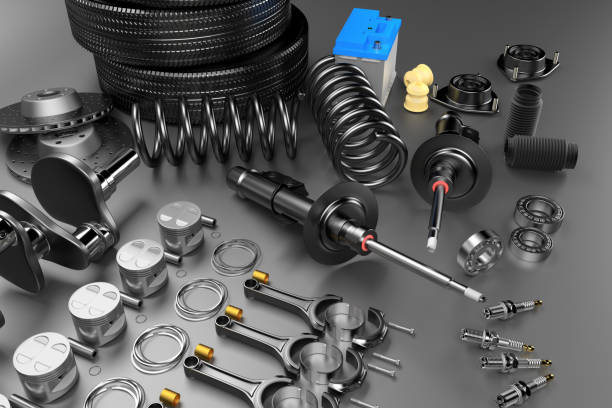
Keeping your vehicle in excellent condition starts with understanding the importance of car auto parts. Every component, from the engine to the braking system, plays a vital role in ensuring safety, performance, and reliability. Whether you own a new or older vehicle, using quality auto parts helps improve efficiency and reduces unexpected repairs. Air Green Corporation provides reliable automotive solutions with premium-quality parts designed to keep your vehicle running smoothly. Contact Us Understanding Essential Car Auto Parts Engine Parts The engine is the heart of every vehicle and relies on several important auto parts to deliver power. Engine Block – Supports the engine’s major components. Pistons and Cylinders – Generate power through combustion. Crankshaft and Camshaft – Convert engine motion into wheel movement. Timing Belt/Chain – Keeps engine components synchronized. Fuel Injectors – Deliver fuel for efficient combustion. Maintenance Tip: Change engine oil regularly, replace filters on time, and inspect belts to maintain peak performance. Transmission Parts The transmission transfers engine power to the wheels while providing smooth gear changes. Transmission Fluid Clutch Torque Converter Gears and Shafts Maintenance Tip: Check transmission fluid regularly and address delayed shifting or unusual noises immediately. Brake System Components The brake system is one of the most important safety features in any vehicle. Brake Pads Brake Rotors Brake Fluid Brake Calipers Master Cylinder Maintenance Tip: Replace worn brake pads promptly and inspect brake fluid during regular servicing. Suspension and Steering Parts These car auto parts provide stability, comfort, and steering control. Shock Absorbers Struts Ball Joints Tie Rods Power Steering Pump Maintenance Tip: Uneven tire wear or poor handling often indicates suspension or steering issues that require inspection. Electrical and Ignition Parts Modern vehicles rely on electrical components for starting and overall operation. Car Battery Alternator Starter Motor Spark Plugs Ignition Coil Maintenance Tip: Clean battery terminals and replace weak batteries or worn spark plugs before they fail. Cooling System Parts The cooling system prevents engine overheating and maintains the correct operating temperature. Radiator Water Pump Thermostat Coolant Hoses Maintenance Tip: Replace coolant as recommended and inspect hoses regularly for leaks or cracks. Exhaust System Components The exhaust system improves engine efficiency while reducing harmful emissions. Exhaust Manifold Catalytic Converter Muffler Oxygen Sensor Maintenance Tip: Address unusual exhaust noise or warning lights quickly to prevent larger repairs. Where to Buy Quality Car Auto Parts When replacing car auto parts, always choose trusted suppliers offering genuine and premium aftermarket products. Reliable sources include: Local Auto Parts Stores Online Auto Parts Suppliers Authorized Vehicle Dealers Specialized Automotive Shops Trusted Automotive Distributors Why Choose Air Green Corporation? Air Green Corporation is a trusted supplier of high-quality auto parts, offering dependable solutions for passenger and commercial vehicles. Our product range includes engine parts, brake components, car AC parts, cooling system parts, suspension components, and many other automotive products that meet industry standards for quality and durability. Conclusion Using quality car auto parts is essential for maintaining your vehicle’s safety, reliability, and performance. Regular maintenance, timely replacement of worn components, and choosing trusted suppliers help extend the life of your vehicle. Whether you need OEM auto parts, aftermarket auto parts, engine components, car AC parts, or automotive spare parts, Air Green Corporation provides dependable products designed to keep your vehicle performing at its best.

Car Auto Parts: Your Complete Guide to Better Vehicle Performance Read More »

The Ultimate Guide to Car Auto Parts Stores: Finding the Best Auto Parts for Your Vehicle

Maintaining your vehicle starts with choosing the right auto parts. Whether you’re a DIY enthusiast, professional mechanic, or everyday car owner, using high-quality car auto parts improves vehicle performance, safety, and durability. Air Green Corporation offers reliable automotive components designed to meet the needs of modern vehicles. Contact Us Importance of Choosing the Right Car Auto Parts The quality of auto parts directly affects your vehicle’s reliability and lifespan. Genuine, high-quality parts ensure proper performance, while poor-quality components can lead to frequent repairs and reduced efficiency. There are two main types of car auto parts: OEM Parts (Original Equipment Manufacturer): Manufactured to match original vehicle specifications for perfect fit and performance. Aftermarket Parts: Produced by third-party manufacturers, offering cost-effective alternatives with a wide variety of options. Common Car Auto Parts Available Engine Parts Spark Plugs Air Filters Oil Filters Timing Belts Fuel Pumps and Fuel Injectors Exhaust Components Brake System Parts Brake Pads Brake Rotors Brake Calipers Brake Hoses Suspension & Steering Shock Absorbers Struts Ball Joints Tie Rods Electrical Components Car Batteries Alternators Starter Motors Headlights and Tail Lights Transmission Parts Clutch Kits Drive Shafts Transmission Filters Axles Air Conditioning Parts AC Compressors AC Condensers Blower Motors Heater Cores Interior & Exterior Parts Cabin Air Filters Mirrors Bumpers Dashboard Accessories Floor Mats Tires & Wheels All-Season Tires Performance Tires Alloy Wheels Steel Rims How to Choose the Best Auto Parts Store Check Reputation Choose a store with positive customer reviews, quality products, and reliable service. Wide Product Range A good auto parts store should stock both OEM and premium aftermarket auto parts for multiple vehicle brands. Compare Prices Look for competitive pricing without compromising quality. Customer Support Knowledgeable staff can help you choose the correct car auto parts and provide installation guidance. Warranty & Returns Always purchase from suppliers offering product warranties and hassle-free return policies. Popular Car Auto Parts Stores AutoZone Advance Auto Parts O’Reilly Auto Parts NAPA Auto Parts RockAuto CarParts.com These stores offer a wide range of automotive spare parts, car accessories, engine components, brake parts, and AC system parts. Why Choose Air Green Corporation? Air Green Corporation is a trusted supplier of premium auto parts for passenger and commercial vehicles. We provide quality car AC parts, engine components, cooling system parts, brake components, and other automotive products that meet high industry standards. Our focus on quality, reliability, and customer satisfaction makes us a preferred partner for automotive solutions. Conclusion Selecting the right car auto parts is essential for maintaining your vehicle’s safety, performance, and efficiency. Whether you need OEM parts, aftermarket auto parts, car AC components, or engine replacement parts, purchasing from a trusted supplier ensures long-lasting results. Choose Air Green Corporation for dependable automotive solutions and quality products that keep your vehicle running at its best.

The Ultimate Guide to Car Auto Parts Stores: Finding the Best Auto Parts for Your Vehicle Read More »

Car with AC: Everything You Need to Know About Automotive Air Conditioning and Its Parts

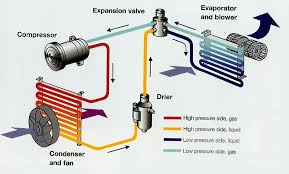
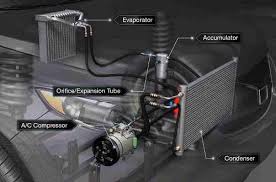
When summer arrives, one feature every driver appreciates is air conditioning. A car with AC is no longer a luxury—it is essential for comfortable driving. Whether you’re commuting daily, traveling long distances, or driving in heavy traffic, a properly functioning car air conditioning system keeps the cabin cool and enjoyable. Like any automotive system, it requires regular maintenance and quality auto parts to perform efficiently. At Air Green Corporation, we provide high-quality car AC parts, helping vehicle owners maintain reliable cooling performance. This guide explains how a car with AC works, its major components, common problems, and maintenance tips. Contact Us How Does a Car Air Conditioning System Work? A car air conditioning system operates on a refrigeration cycle that removes heat from the cabin and releases it outside the vehicle. 1. Compressor The A/C compressor is the heart of the system. It compresses low-pressure refrigerant into high-pressure gas and sends it to the condenser, allowing the cooling cycle to begin. 2. Condenser The A/C condenser cools the hot refrigerant gas and converts it into a high-pressure liquid before it moves through the system. 3. Expansion Valve / Orifice Tube The expansion valve regulates refrigerant flow while reducing its pressure, allowing it to cool before entering the evaporator. 4. Evaporator Located behind the dashboard, the evaporator absorbs heat from the cabin air. As refrigerant evaporates, it cools the air before it is circulated through the vents. 5. Blower Fan The blower fan pushes cooled air through the cabin vents and allows drivers to control airflow using different fan speeds. 6. Refrigerant Modern vehicles commonly use R-134a or R-1234yf refrigerant, which continuously circulates through the system to transfer heat. 7. Receiver-Drier / Accumulator This component removes moisture and contaminants from the refrigerant, helping protect the entire car AC system. Key Auto Parts Used in Car AC Systems A car with AC depends on several important automotive AC parts working together. 1. A/C Compressor The compressor circulates refrigerant throughout the system. A failed compressor usually results in poor or no cooling. 2. A/C Condenser The condenser releases heat from the refrigerant. Dirt or debris can reduce its efficiency, making regular cleaning important. 3. Expansion Valve / Orifice Tube This part controls refrigerant flow. A faulty valve may cause inconsistent cooling and fluctuating vent temperatures. 4. Evaporator Coil The evaporator coil absorbs heat inside the cabin. Keeping it clean improves cooling efficiency and airflow. 5. Cabin Air Filter The cabin air filter removes dust, pollen, and pollutants while maintaining healthy airflow. Replace it every 12,000–15,000 miles or as recommended by the manufacturer. 6. Refrigerant Lines and Hoses These carry refrigerant between system components. Damaged hoses or leaks reduce cooling performance and should be repaired promptly. Common Problems with Cars That Have AC Even a well-maintained car AC system can develop issues over time. 1. Warm Air from the Vents Common causes include: Low refrigerant levels Compressor failure Faulty expansion valve 2. Strange Noises Grinding, squealing, or rattling sounds may indicate: Compressor damage Debris inside the blower fan 3. Refrigerant Leaks Leaks from hoses, seals, or the compressor reduce cooling performance and require professional repair. 4. Bad Odors from the Vents Mold or bacteria inside the evaporator or a dirty cabin air filter often cause unpleasant smells. Maintenance Tips for Cars with AC Proper maintenance extends the life of your car AC system and improves cooling efficiency. 1. Replace the Cabin Air Filter Install a new filter at recommended intervals to maintain airflow and clean cabin air. 2. Check Refrigerant Levels Low refrigerant reduces cooling performance. If levels continue dropping, inspect the system for leaks. 3. Clean the Condenser Remove dirt, leaves, and debris from the condenser to improve airflow and cooling efficiency. 4. Run the AC Regularly Operate the AC for 10–15 minutes every few weeks, even during winter, to keep seals lubricated and maintain compressor performance. Conclusion A properly maintained car with AC delivers year-round comfort, improved driving experience, and better system reliability. Understanding the function of major car AC parts—including the compressor, condenser, evaporator, expansion valve, and refrigerant—helps you recognize problems early and reduce costly repairs. Whether you need premium car AC spare parts, automotive cooling components, or reliable replacement solutions, Air Green Corporation offers high-quality products designed for durability, efficiency, and long-lasting performance. Regular maintenance and quality components ensure your car air conditioning system continues delivering powerful cooling in every season.

Car with AC: Everything You Need to Know About Automotive Air Conditioning and Its Parts Read More »

The Complete Guide to Car A/C Compressors: Understanding, Troubleshooting, and Replacing | Air Green Corporation

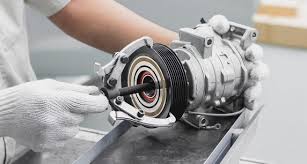
A properly functioning car A/C compressor is the heart of every automotive air conditioning system. It circulates refrigerant, maintains system pressure, and ensures your vehicle delivers cool, comfortable air even during the hottest weather. If your car AC is not cooling efficiently, the compressor is often one of the first components to inspect. At Air Green Corporation, we supply premium-quality automotive AC parts designed to deliver reliable performance and long-lasting durability. This guide explains how a car A/C compressor works, common problems, maintenance tips, and when replacement becomes necessary. Contact Us   What Is a Car A/C Compressor? The car A/C compressor is the primary component responsible for compressing and circulating refrigerant throughout the vehicle air conditioning system. It draws low-pressure refrigerant from the evaporator, compresses it into a high-pressure gas, and sends it to the condenser, where heat is released before the cooling cycle continues. Without a properly functioning AC compressor, your car air conditioning system cannot produce cold air. How Does a Car A/C Compressor Work? The compressor receives low-pressure refrigerant gas from the evaporator and compresses it into a high-pressure, high-temperature gas. The refrigerant then flows to the condenser, where it cools and changes into a liquid before continuing through the expansion valve and evaporator. The compressor operates using either a clutch mechanism or a variable displacement system that engages only when cooling is required. Components of a Car A/C Compressor Clutch or Electromagnetic Clutch Engages and disengages the compressor whenever the car AC is switched on or off. Compressor Pulley Transfers engine power to the compressor using the drive belt. Suction and Discharge Ports The suction port receives low-pressure refrigerant, while the discharge port delivers compressed refrigerant to the condenser. Piston and Cylinder Compress the refrigerant to create the pressure needed for effective cooling. Valve Plate Controls refrigerant flow throughout the compressor. Compressor Oil Lubricates internal components to reduce wear and improve performance. Types of Car A/C Compressors Reciprocating Compressors These compressors use pistons moving inside cylinders to compress refrigerant. They are widely used in many passenger vehicles. Rotary Compressors Rotary compressors use rotating elements instead of pistons, offering quieter operation and improved efficiency. Scroll Compressors Scroll compressors use two spiral-shaped components to compress refrigerant smoothly with less vibration and higher efficiency. Variable Displacement Compressors These advanced compressors automatically adjust refrigerant flow according to cooling demand, improving fuel efficiency and reducing engine load. Common Car A/C Compressor Problems Compressor Clutch Failure A faulty clutch prevents the compressor from engaging, resulting in poor or no cooling. Refrigerant Leaks Leaks reduce refrigerant levels, causing weak cooling and placing additional strain on the compressor. Dirty or Clogged Compressor Dust, debris, and contaminants can reduce compressor efficiency and affect cooling performance. Electrical Problems Faulty relays, blown fuses, damaged wiring, or failed sensors may stop the compressor from operating. Worn Bearings and Seals Damaged bearings and seals often produce grinding or squealing noises and may lead to refrigerant leakage. Compressor Overheating Low refrigerant, insufficient lubrication, or poor airflow can cause the compressor to overheat and eventually fail. How to Maintain Your Car A/C Compressor Check Refrigerant Levels Regularly Maintaining the correct refrigerant level helps prevent compressor damage and improves car AC performance. Keep the AC System Clean Regularly clean the condenser and replace the cabin air filter to improve airflow and cooling efficiency. Run the AC Throughout the Year Operate the vehicle air conditioner for 10–15 minutes every few weeks to keep seals lubricated and prevent compressor damage. Inspect for Refrigerant Leaks Check for oil stains, damaged hoses, or leaking connections around the compressor and repair leaks promptly. Maintain Proper Lubrication Always use the correct compressor oil recommended for your vehicle to reduce wear and extend compressor life. When Should You Replace Your Car A/C Compressor? Unusual Noises Grinding, squealing, or clicking noises often indicate internal compressor failure. Poor Cooling Performance If the car AC continues blowing warm air even after refrigerant servicing, the compressor may require replacement. Refrigerant Leaks Persistent leaks around the compressor housing usually indicate worn internal seals that often require compressor replacement. Complete A/C System Failure If the compressor no longer engages or circulates refrigerant, replacing the compressor is often the most effective solution. Conclusion The car A/C compressor is one of the most important components of your automotive air conditioning system. Regular maintenance, timely inspections, and early repairs help maximize cooling performance and extend the life of the entire car AC system. Whether you need a replacement A/C compressor, condenser, evaporator, refrigerant, or other automotive AC parts, Air Green Corporation offers high-quality solutions to keep your vehicle cool, efficient, and reliable in every season.

The Complete Guide to Car A/C Compressors: Understanding, Troubleshooting, and Replacing | Air Green Corporation Read More »

Sanden AC Compressors: Complete Guide for Cars, Buses & Trucks

At Airgreen Corporation, we specialize as manufacturers and suppliers of auto parts, with a strong focus on automotive air conditioning components for cars, buses, trucks, and heavy-duty vehicles. As part of our commitment to helping customers, fleet operators, and parts distributors make informed decisions, we’ve put together this complete guide to one of the most trusted names in AC compressors — Sanden. If your vehicle’s air conditioning is blowing warm air, chances are the compressor is the problem — and if you’ve been shopping for a replacement, you’ve almost certainly come across the name Sanden. Sanden is one of the most widely used AC compressor brands in the world, found in everything from passenger cars to city buses and heavy-duty trucks. This guide covers everything you need to know: how Sanden compressors work, the main models used across different vehicle types, how to spot a failing compressor, and how to choose the right replacement — whether you’re a car owner, fleet manager, or parts distributor. Contact Us What Is a Sanden AC Compressor? A Sanden AC compressor is the mechanical heart of a vehicle’s air conditioning system. It compresses refrigerant gas and circulates it through the AC loop (compressor → condenser → expansion valve → evaporator), enabling the system to absorb heat from the cabin and release it outside. Sanden, a Japanese manufacturer founded in 1943, is one of the largest OEM AC compressor suppliers globally, producing units for major automakers and heavy equipment manufacturers. Because of this OEM relationship, Sanden compressors are known for precision engineering, durability, and broad vehicle compatibility — making them a trusted choice in both original equipment and the aftermarket. Types of Sanden AC Compressors Sanden compressors are generally grouped by internal design, and each type suits different vehicle categories. 1. Sanden SD7 Series (Swash Plate / Wobble Plate) Used widely in light commercial vehicles, buses, and older passenger cars Fixed-displacement design—reliable, simple, easy to service Common models: SD7B10, SD7H15, SD7V16 2. Sanden TRSA/TRSE Series (Variable Displacement, Scroll-Type) Found in modern passenger cars and SUVs Adjusts refrigerant output based on cooling demand—improves fuel efficiency Quieter operation than fixed-displacement types 3. Sanden SD5/SD6 Series Compact units for smaller cars and light vehicles Lower torque requirement, ideal for smaller engines 4. Sanden Heavy-Duty Series (SD709, SD7H15, TR series) Built for buses, trucks, and off-road/construction equipment Higher displacement and reinforced internals to handle continuous-duty cycles Sanden AC Compressors by Vehicle Type Cars Most modern cars use Sanden’s variable-displacement scroll compressors for smoother, more efficient cooling and better fuel economy. Common applications include Japanese, Korean, and European passenger vehicles. Buses Bus AC systems run for extended hours under high passenger loads, so buses typically use Sanden’s heavy-duty SD7 or TR series compressors, engineered for continuous operation and higher refrigerant flow. Trucks Trucks — especially those with sleeper cabs or refrigerated cargo — rely on Sanden compressors rated for high torque and extended duty cycles. These units are built to withstand engine vibration, dust, and temperature extremes. Signs Your Sanden AC Compressor Needs Replacement AC blows warm or inconsistent air Loud grinding, clicking, or squealing noise from the compressor Compressor clutch not engaging Visible refrigerant oil leaks around the compressor AC system frequently low on refrigerant despite no visible leaks Compressor pulley wobbling or seized If you notice two or more of these signs, it’s time to inspect the compressor before it damages other AC components like the condenser or expansion valve. Sanden vs Other AC Compressor Brands Factor Sanden Denso Mahle Behr OEM Usage Very high (cars, buses, trucks) High (mostly Japanese OEMs) High (mostly European OEMs) Durability Excellent for heavy-duty use Excellent, quieter operation Excellent, precision-engineered Availability Widely available globally Widely available Moderately available Best For Mixed fleets, buses, trucks Passenger cars European vehicles Both Sanden and Mahle Behr are considered premium-tier compressor brands — the right choice usually comes down to your vehicle’s OEM specification rather than brand preference. OEM vs Aftermarket Sanden Compressors OEM Sanden compressors come directly from the manufacturer as original equipment and offer guaranteed fitment and longevity, but at a higher price point. Aftermarket/remanufactured Sanden-compatible compressors are more budget-friendly and widely available through auto parts distributors, but quality can vary — always buy from a verified supplier. Buying tip: Match the compressor by model number (e.g., SD7H15, TRSA090) and confirm port configuration, pulley size, and clutch type before purchasing — not just by vehicle make and model, since the same vehicle may have used different compressor variants across production years. As manufacturers and suppliers of auto parts, Airgreen Corporation sources and supplies Sanden-compatible AC compressors, along with condensers, evaporators, and related AC components, for cars, buses, trucks, and construction/agricultural equipment — helping distributors and fleet operators get verified, fitment-accurate parts without the guesswork. How Long Do Sanden AC Compressors Last? With proper maintenance, Sanden compressors typically last 8–12 years or 100,000–150,000 km in passenger vehicles, and shorter cycles under heavy-duty use in buses and trucks due to continuous run time. Regular AC servicing, correct refrigerant charge, and clean condensers significantly extend compressor life. Frequently Asked Questions Is Sanden a good AC compressor brand? Yes. Sanden is a leading OEM supplier trusted by major automakers and heavy vehicle manufacturers worldwide, known for durable, reliable compressor designs. How do I know which Sanden compressor model I need? Check the model number stamped on your existing compressor housing, or match it against your vehicle’s make, model, and production year using a parts catalog — port and pulley configuration must match exactly. Can I replace a Sanden compressor with a different brand? In most cases yes, as long as the replacement matches the required displacement, port configuration, and pulley/clutch type — but sticking with the OEM-specified brand is generally safer for warranty and long-term reliability. What causes a Sanden AC compressor to fail? Common causes include low refrigerant levels (causing lack of lubrication), contaminated refrigerant, worn clutch bearings, electrical faults, and general wear from continuous heavy-duty use. Are Sanden compressors used in trucks and buses, or

Sanden AC Compressors: Complete Guide for Cars, Buses & Trucks Read More »

Understanding Car A/C Condensers: Essential Information and Maintenance Tips | Air Green Corporation

A properly functioning car A/C condenser is essential for keeping your vehicle’s air conditioning system efficient, especially during hot weather. The A/C condenser plays a vital role in removing heat from the refrigerant, allowing cool air to circulate inside your vehicle. At Air Green Corporation, we provide high-quality automotive AC parts to help maintain reliable cooling performance. Contact Us What Is an A/C Condenser? The A/C condenser is one of the most important components of a car air conditioning system. It acts as a heat exchanger that removes the heat absorbed by the refrigerant from the cabin and releases it into the outside air. It is generally located at the front of the vehicle near the radiator, where it receives maximum airflow. The refrigerant enters the condenser as a hot, high-pressure gas. As air flows through the condenser fins, the refrigerant cools and changes into a high-pressure liquid before moving to the evaporator to continue the cooling cycle. How the A/C Condenser Works The AC compressor compresses the refrigerant and sends it to the condenser. Air passes through the condenser coils, cooling the hot refrigerant. The refrigerant changes from a high-pressure gas into a high-pressure liquid. The liquid refrigerant moves through the expansion valve or orifice tube. It then reaches the evaporator, where it absorbs cabin heat and delivers cool air through the vents. Without a properly working car A/C condenser, your vehicle air conditioning system cannot cool the cabin effectively. Signs That Your Car A/C Condenser Is Failing Warm Air Blowing from the Vents If your car AC blows warm air instead of cold air, the condenser may not be cooling the refrigerant properly. Low refrigerant levels or a blocked condenser are common causes. Hissing or Bubbling Noises Hissing or bubbling sounds often indicate a refrigerant leak caused by corrosion or damage to the condenser. A/C Compressor Not Engaging A faulty condenser may prevent the AC compressor from operating correctly, causing the entire cooling system to stop working. Visible Damage to the Condenser Inspect the condenser for: Dents or bent fins Rust or corrosion Refrigerant leaks Physical damage from road debris Visible damage usually affects cooling efficiency and may require replacement. Reduced Cooling During Hot Weather If your vehicle air conditioner struggles to cool during high temperatures, the condenser may not be releasing heat efficiently. How to Maintain Your A/C Condenser Keep the Condenser Clean Remove dirt, insects, and debris regularly using water or an approved cleaner. Clean condenser fins improve airflow and cooling efficiency. Inspect for Refrigerant Leaks Look for cracks, corrosion, or oily residue around the condenser. Address leaks immediately to prevent refrigerant loss. Maintain Proper Airflow Ensure the cooling fan works correctly and keep the radiator and condenser free from blockages to maintain proper airflow. Use a Radiator Shroud A properly installed radiator shroud directs airflow across the condenser, improving cooling performance and extending component life. Replacing a Car A/C Condenser Replacing a damaged car A/C condenser requires the proper tools and careful handling of the refrigerant system. Tools Required Replacement A/C condenser A/C manifold gauge set Socket and wrench set Screwdrivers Safety gloves and goggles Correct refrigerant Air compressor (optional) Replacement Steps Step 1: Disconnect the Battery Turn off the engine and disconnect the battery before beginning any repairs. Step 2: Recover the Refrigerant Safely remove the refrigerant using approved recovery equipment before disconnecting the system. Step 3: Remove Front Panels Take off the grille or front covers to access the condenser. Step 4: Disconnect Refrigerant Lines Carefully disconnect the refrigerant pipes from the condenser using the correct tools. Step 5: Remove the Old Condenser Unscrew the mounting bolts and carefully remove the damaged condenser. Step 6: Install the New Condenser Position the new condenser, tighten the mounting bolts, and reconnect the refrigerant lines securely. Step 7: Recharge the A/C System Recharge the system with the correct type and quantity of refrigerant while checking pressure with an A/C manifold gauge. Conclusion A healthy car A/C condenser is essential for maintaining an efficient automotive air conditioning system. Regular cleaning, timely inspections, and replacing damaged components help ensure reliable cooling and extend the life of your vehicle’s AC system. Air Green Corporation offers quality automotive AC parts, including A/C condensers, compressors, evaporators, refrigerants, and other auto AC components to help keep your vehicle cool and comfortable throughout the year.

Understanding Car A/C Condensers: Essential Information and Maintenance Tips | Air Green Corporation Read More »

Coolant for Car AC: Everything You Need to Know

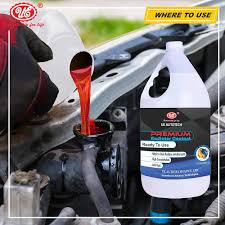
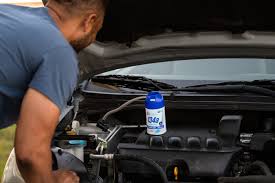
The car air conditioning system plays a crucial role in keeping you comfortable during hot weather, and it relies on several components to work efficiently. One of the most essential substances in the system is the car AC coolant, also known as AC refrigerant. It is responsible for absorbing and releasing heat, helping keep the air inside your vehicle cool. If you are experiencing issues with your car AC, it could be related to the coolant level or the type of refrigerant being used. In this guide by Air Green Corporation, you’ll learn everything you need to know about coolant for car AC, including how it works, the different refrigerant types, signs of low refrigerant, and when your system may require servicing. Contact Us What is Coolant for Car AC? Car AC coolant, commonly called refrigerant, is the substance used inside your automotive air conditioning system to absorb heat from the cabin and release it outside the vehicle. Unlike engine coolant, which regulates engine temperature, AC refrigerant circulates inside a sealed system to cool the cabin. The refrigerant changes between liquid and gas as it moves through the AC system. It absorbs heat inside the AC evaporator and releases it through the AC condenser, allowing cool air to circulate throughout the cabin. The Role of Coolant in Your Car’s AC System The car AC refrigerant removes heat from the vehicle’s interior through four main stages: Evaporation: The refrigerant enters the evaporator as a low-pressure, cold gas and absorbs heat from the cabin air. Compression: The AC compressor compresses the refrigerant into a high-pressure, high-temperature gas. Condensation: The refrigerant flows through the condenser, where it releases heat and turns back into a liquid. Expansion: The refrigerant passes through the expansion valve, reducing pressure and becoming cold again before returning to the evaporator. Without the proper amount of AC coolant, the system cannot cool efficiently. Low refrigerant levels may cause weak cooling, warm air, or poor AC performance. Types of Coolant Used in Car AC Systems Using the correct car AC refrigerant is essential for efficient operation. Modern vehicles commonly use the following refrigerants. 1. R-134a Refrigerant R-134a refrigerant became the industry standard during the 1990s after replacing R-12. Advantages Widely available Non-toxic and non-flammable Suitable for many vehicles manufactured after 1994 Disadvantages Higher global warming potential compared to newer refrigerants 2. R-1234yf Refrigerant R-1234yf refrigerant is the latest environmentally friendly refrigerant used in many modern vehicles. Advantages Very low global warming potential Excellent cooling performance Commonly used in newer vehicles Disadvantages More expensive than R-134a Requires specialized service equipment 3. R-12 Refrigerant R-12, also known as Freon, was widely used before being phased out because of environmental concerns. Advantages Excellent cooling performance Disadvantages Harmful to the ozone layer No longer used in most modern vehicles 4. R-22 Refrigerant R-22 refrigerant was used in some older cooling systems but has also been phased out due to environmental regulations. Advantages Effective cooling Disadvantages Contributes to ozone depletion Rarely used in modern automotive AC systems When to Recharge Your Car AC Coolant Low car AC refrigerant is one of the most common reasons an air conditioning system stops cooling efficiently. Refrigerant loss may occur because of leaks or aging components. Common signs include: Weak Airflow: Reduced airflow from the vents. Warm Air: The AC blows warm air instead of cold air. Ice Around AC Components: Frost or ice on refrigerant lines or vents. Unusual Noises: Strange sounds from the compressor or AC system. How to Recharge the Coolant in Your Car AC If refrigerant levels are low, the system may require a car AC recharge. Check the refrigerant level using proper diagnostic equipment. Purchase the correct AC refrigerant recommended by the vehicle manufacturer. Locate the low-pressure service port. Connect the refrigerant canister using the proper adapter. Start the engine and turn the AC to maximum cooling. Slowly recharge the system while monitoring pressure. Test the car AC system to verify cooling performance. Avoid overcharging the system, as excessive refrigerant can reduce performance and potentially damage AC components. Signs Your Car AC Coolant May Need Repair Sometimes adding refrigerant alone will not solve the problem. Other car AC repair services may be required if you notice: No Airflow from the vents. Continuous Refrigerant Leaks causing repeated loss of cooling. AC Compressor Not Engaging during operation. Frozen AC Components due to refrigerant or airflow issues. If these problems continue, it’s recommended to have the automotive AC system inspected by a qualified technician. Proper diagnosis helps identify leaks, damaged components, or electrical faults before they lead to more expensive repairs. Conclusion The car AC coolant is one of the most important elements of your car air conditioning system. Using the correct AC refrigerant, maintaining proper refrigerant levels, and servicing the system when necessary helps ensure reliable cooling and long-term performance. Whether your vehicle uses R-134a or R-1234yf refrigerant, regular maintenance and timely inspections can prevent costly repairs. Air Green Corporation offers quality automotive AC parts and solutions to support efficient and reliable vehicle air conditioning systems.

Coolant for Car AC: Everything You Need to Know Read More »

How Much Does It Cost to Fix a Car AC? Comprehensive Guide

The air conditioning (AC) system in your car is essential for comfort, especially during the summer months. When it stops working or starts underperforming, it’s important to understand how much it will cost to fix the AC and what services are involved. Car AC repairs can range from minor fixes, such as recharging refrigerant, to major repairs like replacing the compressor. In this detailed guide, we’ll explore the various factors that affect the cost of car AC repair, common issues that can arise, and what to expect when taking your car to a repair shop. By understanding the pricing breakdown and the services offered, you’ll be better equipped to make informed decisions when it comes to fixing your car air conditioning system. Air Green Corporation also provides quality automotive AC parts for various vehicle applications. Contact Us Factors That Affect the Cost of Car AC Repairs The cost of fixing a car AC can vary greatly depending on several factors, including the type of repair required, the make and model of your vehicle, labor rates in your area, and whether you choose a dealership or an independent shop. 1. Type of Repair Needed The specific issue with your car AC system plays a major role in determining how much the repair will cost. Some common AC problems and their average costs include: AC Refrigerant Recharge: If your AC system is low on refrigerant, it may not cool properly. A car AC recharge typically costs between $100 and $200. This process involves checking the system and refilling it with the correct refrigerant. Refrigerant Leak Repair: If there’s a refrigerant leak in the AC system, the cost depends on where the leak is located. Leak detection may cost around $150 to $300, while repairs can add another $200 to $400 or more. Compressor Replacement: The AC compressor is one of the most important components of the system. Replacing an AC compressor can cost between $500 and $1,500 depending on the vehicle and labor charges. Condenser Replacement: If the AC condenser is damaged or clogged, replacing it typically costs between $300 and $600. Evaporator Repair or Replacement: The AC evaporator cools the air inside the cabin. Replacement can cost between $500 and $1,000 or more because of the labor involved. Blower Motor Replacement: A faulty AC blower motor can cause weak or no airflow. Replacement may cost around $300 to $700 depending on the vehicle. AC Clutch Replacement: The AC compressor clutch controls compressor operation. Replacement can cost between $300 and $600. 2. Labor Costs Labor costs vary depending on the complexity of the car AC repair and the region where you live. Repair shops may charge different hourly rates, and complex repairs such as compressor or evaporator replacement can require several hours of labor. Dealerships typically charge higher labor rates than independent repair shops. Choosing an experienced independent technician may help reduce overall car AC repair costs. 3. Vehicle Make and Model The make and model of your vehicle can significantly impact the cost of AC repair. Luxury vehicles and cars with advanced HVAC systems may require specialized parts and additional labor. Newer vehicles may also use R-1234yf refrigerant, which can cost more than R-134a refrigerant and may require specialized servicing equipment. 4. Parts Quality The cost of replacing automotive AC parts depends on the type and quality of parts used. OEM Parts: Original Equipment Manufacturer parts are designed for specific vehicle applications and generally offer reliable fit and performance. Aftermarket Parts: Aftermarket parts are produced by third-party manufacturers and may offer a more affordable alternative. Quality can vary between manufacturers. When selecting replacement parts, consider compatibility, quality, warranty, and long-term reliability. Air Green Corporation focuses on supplying automotive AC components for vehicle applications. 5. Location and Shop Type Where you live can also affect the cost of car AC repairs. Urban areas may have higher labor and operating costs, while smaller towns may offer more competitive pricing. Independent repair shops generally charge less than dealerships, although service quality can vary. Dealerships may have specialized knowledge for specific vehicle brands but often charge higher prices. Common Car AC Problems and Their Repair Costs Let’s look at some common car AC problems and their approximate repair costs. 1. Low Refrigerant Low refrigerant is one of the most common reasons why a car AC stops cooling. This can happen because of a refrigerant leak or another problem in the system. Cost to Fix: A refrigerant recharge may cost $100 to $200. If a leak is present, additional inspection and repair costs may apply. 2. Faulty Compressor The AC compressor pressurizes and circulates refrigerant through the system. If it fails, the AC may stop cooling completely. Cost to Fix: Compressor replacement can range from $500 to $1,500 depending on the vehicle and labor costs. 3. Condenser Issues The AC condenser releases heat from the refrigerant. Damage, dirt, or blockage can reduce AC performance. Cost to Fix: Condenser replacement typically costs between $300 and $600. 4. Blower Motor Failure The blower motor pushes air through the AC system and into the cabin. A faulty motor can cause weak or no airflow. Cost to Fix: Blower motor replacement may cost between $300 and $700. 5. Clogged Expansion Valve The expansion valve regulates refrigerant flow into the evaporator. If it becomes clogged or damaged, cooling performance can be affected. Cost to Fix: Replacement typically costs between $150 and $500. 6. Evaporator Issues The AC evaporator absorbs heat from the cabin air. If it becomes damaged or clogged, the system may stop cooling effectively. Cost to Fix: Evaporator replacement can cost between $500 and $1,000 or more. DIY vs. Professional AC Repair Some car AC repairs can be handled at home, but many require professional equipment and expertise. Simple tasks such as replacing a cabin air filter may be suitable for DIY work, while refrigerant leak diagnosis, compressor replacement, and other major repairs are generally better handled by trained technicians. DIY Repairs Refrigerant Recharge: An AC recharge kit can

How Much Does It Cost to Fix a Car AC? Comprehensive Guide Read More »

Cost to Recharge Car AC: A Comprehensive Guide for Vehicle Owners

If you’re experiencing problems with your car’s air conditioning (AC) system, such as insufficient cooling or warm air blowing from the vents, you may need to recharge the AC system. Over time, the refrigerant in your car’s air conditioning system can naturally leak or deplete, leading to reduced cooling efficiency. One of the most common solutions for this issue is a car AC recharge. However, you may be wondering: How much does it cost to recharge a car’s AC? The price of a car AC recharge can vary based on several factors, including whether you go for a DIY recharge or a professional service. In this comprehensive guide, we will explore the cost of recharging a car AC, the factors that influence the price, and the benefits of recharging your vehicle’s air conditioning system. Contact Us What Is a Car AC Recharge? A car AC recharge is the process of refilling your vehicle’s air conditioning system with refrigerant. The refrigerant, often known as AC gas, is essential for the AC system to cool the air inside your vehicle. Over time, refrigerant levels can drop due to leaks in the car AC system. When this happens, the air conditioning unit loses its ability to effectively cool the interior of your car. Recharging the AC involves adding the refrigerant back into the system, usually with the help of an AC recharging kit or a professional service. Recharging helps restore the car AC cooling performance and ensures that the system runs efficiently. Why Do You Need to Recharge Your Car’s AC? There are several reasons why your car’s AC system may require a recharge. While refrigerant can be lost from a system over time, common causes include: 1. Refrigerant Leak Small leaks in the car air conditioning system can lead to a gradual loss of refrigerant. If you notice that your AC isn’t cooling as well or that cool air takes longer to reach the cabin, there may be a refrigerant leak that requires attention. 2. Refrigerant Loss Over Time Even without an obvious leak, seals, hoses, and connections can deteriorate as a vehicle ages. This can gradually reduce the refrigerant charge and affect AC cooling efficiency. 3. Compressor or Component Issues If there are issues with your AC compressor, condenser, evaporator, or other components, they can affect refrigerant flow and result in lower cooling performance. A major mechanical issue may require more than just an AC recharge. 4. Age of the Vehicle Older vehicles are more likely to experience refrigerant loss because seals and hoses can degrade over time. Regular car AC maintenance can help identify these problems early. Average Cost to Recharge Car AC The cost to recharge car AC depends on several factors, including whether you choose a DIY option or hire a professional mechanic. 1. DIY Car AC Recharge Kit If you’re comfortable performing a DIY car AC recharge, you can purchase a recharge kit to top off the refrigerant levels yourself. These kits are available at many auto parts stores and online retailers. They typically include a can of refrigerant, a hose, a pressure gauge, and an adapter. The average cost of a DIY car AC recharge kit typically ranges from $30 to $60. The exact cost depends on factors such as the brand, refrigerant type, and included equipment. Advantages of DIY Recharge: Cost-effective: Significantly cheaper than professional services. Convenient: You can perform the recharge at your convenience. Quick: If you’re familiar with the process, a DIY recharge can be completed relatively quickly. Disadvantages of DIY Recharge: Lack of professional diagnosis: If there is a leak or another underlying issue, a DIY kit may not identify or repair it. Risk of overcharging: Adding too much refrigerant can damage the AC system. Not always a permanent fix: If the refrigerant leak is significant, the recharge may only provide temporary cooling. 2. Professional Car AC Recharge For those who prefer professional service, hiring a mechanic or taking your car to an auto service center is a good option. The cost of a professional car AC recharge typically ranges from $150 to $400, depending on the vehicle, refrigerant type, service location, and additional repairs. For reliable automotive AC parts and solutions, Air Green Corporation can be considered when sourcing suitable components for your vehicle’s air conditioning system. 3. Factors That Influence Professional AC Recharge Costs Several factors can influence the overall car AC recharge cost. a) Type of Refrigerant The type of refrigerant used in your vehicle’s AC system is one of the primary cost factors. Many older vehicles use R-134a refrigerant, while newer vehicles may use R-1234yf refrigerant. R-134a Refrigerant: Commonly found in older vehicles and generally less expensive. R-1234yf Refrigerant: Used in many newer vehicles and typically costs more due to its price and specialized servicing requirements. b) Labor Costs Labor costs vary depending on the location and service provider. Dealerships and specialty repair shops often charge more than independent repair shops. The cost can also depend on the complexity of the car AC repair and the technician’s expertise. c) Additional Services If your AC system requires repairs in addition to a recharge, such as leak detection, compressor inspection, or hose replacement, the total cost will increase. Some service centers may also offer AC system cleaning or compressor oil replacement. d) Location The location of the service center can also affect the cost of car AC recharge. Urban areas and major cities may have higher service prices because of operating costs and demand, while smaller towns may offer more affordable services. 4. High-End or Imported Vehicles If you own a luxury car or an imported vehicle, you may face higher costs for an AC recharge. These vehicles may require specialized equipment, specific refrigerants, and additional labor. Costs can increase further if there are leaks or damaged AC components. How Often Should You Recharge Your Car’s AC? A common question many vehicle owners ask is, How often should I recharge my car’s AC? The answer depends on the age and condition

Cost to Recharge Car AC: A Comprehensive Guide for Vehicle Owners Read More »

Scroll to Top