
Nothing is more frustrating than sitting in a hot car only to realize that your air conditioning system has stopped working. A car AC, car air conditioning system, and quality auto parts are essential for comfortable driving, especially during summer. At Air Green Corporation, we provide reliable automotive AC components and premium auto parts to help keep your vehicle running efficiently.
A car AC system consists of several mechanical and electrical components. If any of these parts fail, your AC may stop working completely.


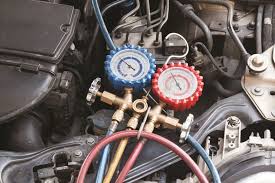
Why Car AC Stops Working
1. Low Refrigerant Levels
Refrigerant is the lifeblood of the car AC system. Leaks or natural loss over time reduce cooling performance.
2. Compressor Failure
The AC compressor circulates refrigerant throughout the system. If it fails due to wear or electrical issues, the AC stops cooling.
3. Faulty AC Clutch
A damaged AC clutch prevents the compressor from engaging properly.
4. Electrical Problems
Blown fuses, faulty relays, damaged wiring, or loose electrical connections can stop the AC from operating.
5. Clogged Condenser
A dirty or damaged AC condenser restricts airflow, reducing cooling efficiency.
6. Dirty Cabin Air Filter
A clogged cabin air filter blocks airflow and lowers AC performance.
7. Refrigerant Leaks
Damaged hoses, seals, or fittings can cause refrigerant leakage and poor cooling.
8. Expansion Valve or Orifice Tube Problems
A faulty expansion valve or orifice tube affects refrigerant flow and cooling performance.
9. Evaporator Damage
A leaking or corroded AC evaporator can prevent the system from cooling properly.
10. Overcharged AC System
Too much refrigerant increases pressure and may damage important AC components.
How to Diagnose a Car AC Problem
Before visiting a mechanic, perform these simple checks.
Check AC Settings
Set the AC to maximum cooling and highest fan speed. Turn on recirculation mode.
Check Airflow
Warm air usually indicates low refrigerant, compressor failure, or a blocked condenser.
No airflow may indicate a faulty blower motor or clogged cabin air filter.
Listen for Unusual Sounds
Grinding, squealing, or rattling sounds often point to compressor or belt problems.
Inspect for Leaks
Look around the compressor, hoses, and condenser for oily residue, which often indicates refrigerant leakage.
Check Compressor Operation
Start the engine and switch on the AC. Ensure the compressor clutch engages properly.
Inspect Electrical Components
Check AC fuses, relays, and wiring for damage.
Measure Refrigerant Pressure
Low pressure usually indicates refrigerant leakage, while high pressure may suggest blockage or overcharging.
Scan for Fault Codes
Modern vehicles may store AC-related fault codes that can be detected using an OBD-II scanner.
How to Fix a Car AC That Stopped Working
Recharge the AC
Recharge the system with the correct car AC refrigerant if levels are low.
Repair Refrigerant Leaks
Replace damaged hoses or seals and repair any leaking connections.
Replace the AC Compressor
Install a quality AC compressor compatible with your vehicle.
Clean or Replace the Condenser
Clean blocked condenser fins or replace a damaged condenser.
Replace Cabin Air Filter
Installing a new cabin air filter improves airflow and cooling.
Repair Electrical Issues
Replace faulty fuses, relays, or damaged wiring.
Replace Expansion Valve
Install a new expansion valve or orifice tube if refrigerant flow is restricted.
Replace the Evaporator
Repair or replace a damaged evaporator when necessary.
Essential Auto Parts for Car AC Repair
Quality auto parts improve AC performance and durability.
Car AC Refrigerant (R-134a or R-1234yf)
AC Compressor
AC Condenser
AC Evaporator
Expansion Valve
Orifice Tube
Blower Motor
Cabin Air Filter
AC Hoses and Seals
Electrical Fuses and Relays
When to Visit a Professional
Professional assistance is recommended if:
Multiple refrigerant leaks are present.
The compressor or condenser requires replacement.
Electrical faults cannot be diagnosed.
Your vehicle has an advanced climate control system.
Preventive Maintenance Tips
Run your car AC regularly, even during winter.
Clean the condenser and replace the cabin air filter on schedule.
Check refrigerant levels periodically.
Inspect hoses and seals for leaks.
Schedule annual AC servicing.
Park in shaded areas whenever possible to reduce AC load.
Eco-Friendly Refrigerants
Modern vehicles increasingly use R-1234yf refrigerant, which offers lower environmental impact than older refrigerants while maintaining excellent cooling performance.
Conclusion
A properly functioning car AC system ensures comfort, improves driving experience, and protects important automotive AC components from unnecessary wear. Regular maintenance, timely repairs, and the use of premium auto parts can significantly extend the life of your air conditioning system.
Air Green Corporation supplies high-quality car AC parts, automotive air conditioning components, AC compressors, condensers, evaporators, and other reliable auto parts to help keep your vehicle cool and performing at its best.