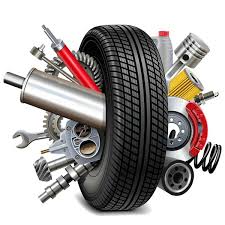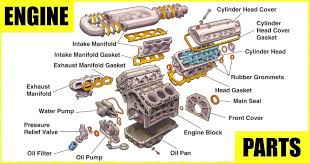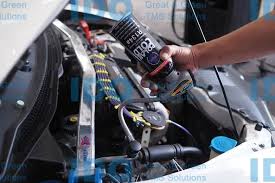
auto parts

Car AC Specialist Near Me: The Ultimate Guide to Finding the Best Auto Air Conditioning Services

When summer temperatures rise, a properly working car AC system becomes essential for a comfortable drive. If your vehicle’s air conditioning stops cooling efficiently, finding a trusted car AC specialist near me can save you from costly repairs and uncomfortable journeys. At Air Green Corporation, we provide premium automotive AC parts and reliable solutions to help maintain your vehicle’s cooling performance. A professional car AC specialist has the expertise to diagnose, repair, and maintain every part of your vehicle’s air conditioning system, ensuring reliable performance throughout the year. Click here   What is a Car AC Specialist? A car AC specialist is a trained technician who repairs and services car air conditioning systems. They work on components such as AC compressors, condensers, evaporators, refrigerants, and climate control systems. These experts diagnose cooling problems, refrigerant leaks, compressor failures, unusual noises, and airflow issues while ensuring your AC system operates efficiently. Importance of Regular Car AC Maintenance Routine maintenance helps your car AC system perform efficiently and prevents expensive repairs. Improved Cooling Performance Regular servicing keeps the AC compressor, condenser, and evaporator working efficiently for maximum cooling. Better Fuel Efficiency A properly maintained car air conditioning system consumes less engine power, helping improve fuel economy. Prevent Expensive Repairs Early detection of refrigerant leaks, worn components, and electrical faults prevents major breakdowns. Better Cabin Air Quality Replacing the cabin air filter and cleaning the AC system removes dust, allergens, and bacteria, providing cleaner air inside your vehicle. Reduced Risk of AC Failure Regular inspections help identify worn components before they fail completely. Services Offered by Car AC Specialists A professional car AC specialist typically provides the following services: AC System Diagnosis Complete inspection of the car AC system, including compressor, condenser, evaporator, hoses, and refrigerant levels. Refrigerant Recharge Recharge the system using the correct car AC refrigerant to restore cooling efficiency. Leak Detection and Repair Detect and repair refrigerant leaks using advanced testing equipment. Compressor Repair and Replacement Repair or replace damaged AC compressors for reliable cooling. Condenser and Evaporator Repair Clean, repair, or replace faulty AC condensers and evaporators. AC System Cleaning Remove dirt, bacteria, mold, and unpleasant odors from the air conditioning system. Cabin Air Filter Replacement Replace dirty cabin air filters to improve airflow and air quality. Complete AC Inspection Inspect refrigerant pressure, cooling performance, electrical components, and overall system condition. Heater and Defroster Service Many specialists also repair heating and defrost systems for year-round comfort. How to Find a Car AC Specialist Near You Search Online Search for car AC specialist near me, auto AC repair near me, or car AC service center on Google to find nearby professionals. Check Business Directories Browse trusted directories like Google Business Profile, Yelp, or local business listings. Ask for Recommendations Friends, family, and local mechanics can often recommend reliable car AC repair specialists. Visit Authorized Service Centers Authorized workshops use genuine automotive AC parts and follow manufacturer service standards. Check Social Media Many repair shops showcase customer reviews, services, and offers through Facebook and Instagram. Read Customer Reviews Always review customer ratings before selecting an AC repair workshop. Visit Their Website A professional website provides information about services, certifications, warranties, and available car AC parts. Why Choose Quality Auto Parts? Using high-quality auto parts improves cooling performance, increases system life, and reduces future repair costs. Genuine AC compressors, condensers, evaporators, refrigerants, and cabin air filters ensure reliable operation and long-lasting performance. Conclusion Choosing a trusted car AC specialist near me helps maintain your car air conditioning system, improves cooling efficiency, and prevents expensive repairs. Regular servicing, timely inspections, and quality automotive AC parts keep your vehicle comfortable throughout every season. Air Green Corporation supplies premium car AC parts, AC compressors, condensers, evaporators, refrigerants, and other reliable auto parts to support professional repairs and long-lasting vehicle performance. Whether you need maintenance, replacement parts, or complete AC solutions, choosing quality products ensures a cool, comfortable, and efficient driving experience.
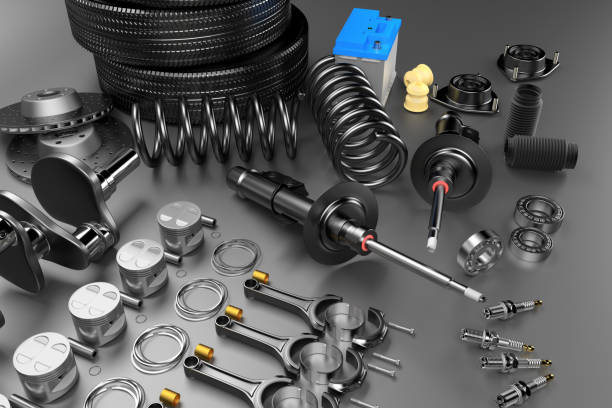

Car AC Specialist Near Me: The Ultimate Guide to Finding the Best Auto Air Conditioning Services Read More »

Car Auto Parts: Your Complete Guide to Better Vehicle Performance

Keeping your vehicle in excellent condition starts with understanding the importance of car auto parts. Every component, from the engine to the braking system, plays a vital role in ensuring safety, performance, and reliability. Whether you own a new or older vehicle, using quality auto parts helps improve efficiency and reduces unexpected repairs. Air Green Corporation provides reliable automotive solutions with premium-quality parts designed to keep your vehicle running smoothly. Contact Us Understanding Essential Car Auto Parts Engine Parts The engine is the heart of every vehicle and relies on several important auto parts to deliver power. Engine Block – Supports the engine’s major components. Pistons and Cylinders – Generate power through combustion. Crankshaft and Camshaft – Convert engine motion into wheel movement. Timing Belt/Chain – Keeps engine components synchronized. Fuel Injectors – Deliver fuel for efficient combustion. Maintenance Tip: Change engine oil regularly, replace filters on time, and inspect belts to maintain peak performance. Transmission Parts The transmission transfers engine power to the wheels while providing smooth gear changes. Transmission Fluid Clutch Torque Converter Gears and Shafts Maintenance Tip: Check transmission fluid regularly and address delayed shifting or unusual noises immediately. Brake System Components The brake system is one of the most important safety features in any vehicle. Brake Pads Brake Rotors Brake Fluid Brake Calipers Master Cylinder Maintenance Tip: Replace worn brake pads promptly and inspect brake fluid during regular servicing. Suspension and Steering Parts These car auto parts provide stability, comfort, and steering control. Shock Absorbers Struts Ball Joints Tie Rods Power Steering Pump Maintenance Tip: Uneven tire wear or poor handling often indicates suspension or steering issues that require inspection. Electrical and Ignition Parts Modern vehicles rely on electrical components for starting and overall operation. Car Battery Alternator Starter Motor Spark Plugs Ignition Coil Maintenance Tip: Clean battery terminals and replace weak batteries or worn spark plugs before they fail. Cooling System Parts The cooling system prevents engine overheating and maintains the correct operating temperature. Radiator Water Pump Thermostat Coolant Hoses Maintenance Tip: Replace coolant as recommended and inspect hoses regularly for leaks or cracks. Exhaust System Components The exhaust system improves engine efficiency while reducing harmful emissions. Exhaust Manifold Catalytic Converter Muffler Oxygen Sensor Maintenance Tip: Address unusual exhaust noise or warning lights quickly to prevent larger repairs. Where to Buy Quality Car Auto Parts When replacing car auto parts, always choose trusted suppliers offering genuine and premium aftermarket products. Reliable sources include: Local Auto Parts Stores Online Auto Parts Suppliers Authorized Vehicle Dealers Specialized Automotive Shops Trusted Automotive Distributors Why Choose Air Green Corporation? Air Green Corporation is a trusted supplier of high-quality auto parts, offering dependable solutions for passenger and commercial vehicles. Our product range includes engine parts, brake components, car AC parts, cooling system parts, suspension components, and many other automotive products that meet industry standards for quality and durability. Conclusion Using quality car auto parts is essential for maintaining your vehicle’s safety, reliability, and performance. Regular maintenance, timely replacement of worn components, and choosing trusted suppliers help extend the life of your vehicle. Whether you need OEM auto parts, aftermarket auto parts, engine components, car AC parts, or automotive spare parts, Air Green Corporation provides dependable products designed to keep your vehicle performing at its best.

Car Auto Parts: Your Complete Guide to Better Vehicle Performance Read More »

The Ultimate Guide to Car Auto Parts Stores: Finding the Best Auto Parts for Your Vehicle

Maintaining your vehicle starts with choosing the right auto parts. Whether you’re a DIY enthusiast, professional mechanic, or everyday car owner, using high-quality car auto parts improves vehicle performance, safety, and durability. Air Green Corporation offers reliable automotive components designed to meet the needs of modern vehicles. Contact Us Importance of Choosing the Right Car Auto Parts The quality of auto parts directly affects your vehicle’s reliability and lifespan. Genuine, high-quality parts ensure proper performance, while poor-quality components can lead to frequent repairs and reduced efficiency. There are two main types of car auto parts: OEM Parts (Original Equipment Manufacturer): Manufactured to match original vehicle specifications for perfect fit and performance. Aftermarket Parts: Produced by third-party manufacturers, offering cost-effective alternatives with a wide variety of options. Common Car Auto Parts Available Engine Parts Spark Plugs Air Filters Oil Filters Timing Belts Fuel Pumps and Fuel Injectors Exhaust Components Brake System Parts Brake Pads Brake Rotors Brake Calipers Brake Hoses Suspension & Steering Shock Absorbers Struts Ball Joints Tie Rods Electrical Components Car Batteries Alternators Starter Motors Headlights and Tail Lights Transmission Parts Clutch Kits Drive Shafts Transmission Filters Axles Air Conditioning Parts AC Compressors AC Condensers Blower Motors Heater Cores Interior & Exterior Parts Cabin Air Filters Mirrors Bumpers Dashboard Accessories Floor Mats Tires & Wheels All-Season Tires Performance Tires Alloy Wheels Steel Rims How to Choose the Best Auto Parts Store Check Reputation Choose a store with positive customer reviews, quality products, and reliable service. Wide Product Range A good auto parts store should stock both OEM and premium aftermarket auto parts for multiple vehicle brands. Compare Prices Look for competitive pricing without compromising quality. Customer Support Knowledgeable staff can help you choose the correct car auto parts and provide installation guidance. Warranty & Returns Always purchase from suppliers offering product warranties and hassle-free return policies. Popular Car Auto Parts Stores AutoZone Advance Auto Parts O’Reilly Auto Parts NAPA Auto Parts RockAuto CarParts.com These stores offer a wide range of automotive spare parts, car accessories, engine components, brake parts, and AC system parts. Why Choose Air Green Corporation? Air Green Corporation is a trusted supplier of premium auto parts for passenger and commercial vehicles. We provide quality car AC parts, engine components, cooling system parts, brake components, and other automotive products that meet high industry standards. Our focus on quality, reliability, and customer satisfaction makes us a preferred partner for automotive solutions. Conclusion Selecting the right car auto parts is essential for maintaining your vehicle’s safety, performance, and efficiency. Whether you need OEM parts, aftermarket auto parts, car AC components, or engine replacement parts, purchasing from a trusted supplier ensures long-lasting results. Choose Air Green Corporation for dependable automotive solutions and quality products that keep your vehicle running at its best.

The Ultimate Guide to Car Auto Parts Stores: Finding the Best Auto Parts for Your Vehicle Read More »

Car with AC: Everything You Need to Know About Automotive Air Conditioning and Its Parts

When summer arrives, one feature every driver appreciates is air conditioning. A car with AC is no longer a luxury—it is essential for comfortable driving. Whether you’re commuting daily, traveling long distances, or driving in heavy traffic, a properly functioning car air conditioning system keeps the cabin cool and enjoyable. Like any automotive system, it requires regular maintenance and quality auto parts to perform efficiently. At Air Green Corporation, we provide high-quality car AC parts, helping vehicle owners maintain reliable cooling performance. This guide explains how a car with AC works, its major components, common problems, and maintenance tips. Contact Us How Does a Car Air Conditioning System Work? A car air conditioning system operates on a refrigeration cycle that removes heat from the cabin and releases it outside the vehicle. 1. Compressor The A/C compressor is the heart of the system. It compresses low-pressure refrigerant into high-pressure gas and sends it to the condenser, allowing the cooling cycle to begin. 2. Condenser The A/C condenser cools the hot refrigerant gas and converts it into a high-pressure liquid before it moves through the system. 3. Expansion Valve / Orifice Tube The expansion valve regulates refrigerant flow while reducing its pressure, allowing it to cool before entering the evaporator. 4. Evaporator Located behind the dashboard, the evaporator absorbs heat from the cabin air. As refrigerant evaporates, it cools the air before it is circulated through the vents. 5. Blower Fan The blower fan pushes cooled air through the cabin vents and allows drivers to control airflow using different fan speeds. 6. Refrigerant Modern vehicles commonly use R-134a or R-1234yf refrigerant, which continuously circulates through the system to transfer heat. 7. Receiver-Drier / Accumulator This component removes moisture and contaminants from the refrigerant, helping protect the entire car AC system. Key Auto Parts Used in Car AC Systems A car with AC depends on several important automotive AC parts working together. 1. A/C Compressor The compressor circulates refrigerant throughout the system. A failed compressor usually results in poor or no cooling. 2. A/C Condenser The condenser releases heat from the refrigerant. Dirt or debris can reduce its efficiency, making regular cleaning important. 3. Expansion Valve / Orifice Tube This part controls refrigerant flow. A faulty valve may cause inconsistent cooling and fluctuating vent temperatures. 4. Evaporator Coil The evaporator coil absorbs heat inside the cabin. Keeping it clean improves cooling efficiency and airflow. 5. Cabin Air Filter The cabin air filter removes dust, pollen, and pollutants while maintaining healthy airflow. Replace it every 12,000–15,000 miles or as recommended by the manufacturer. 6. Refrigerant Lines and Hoses These carry refrigerant between system components. Damaged hoses or leaks reduce cooling performance and should be repaired promptly. Common Problems with Cars That Have AC Even a well-maintained car AC system can develop issues over time. 1. Warm Air from the Vents Common causes include: Low refrigerant levels Compressor failure Faulty expansion valve 2. Strange Noises Grinding, squealing, or rattling sounds may indicate: Compressor damage Debris inside the blower fan 3. Refrigerant Leaks Leaks from hoses, seals, or the compressor reduce cooling performance and require professional repair. 4. Bad Odors from the Vents Mold or bacteria inside the evaporator or a dirty cabin air filter often cause unpleasant smells. Maintenance Tips for Cars with AC Proper maintenance extends the life of your car AC system and improves cooling efficiency. 1. Replace the Cabin Air Filter Install a new filter at recommended intervals to maintain airflow and clean cabin air. 2. Check Refrigerant Levels Low refrigerant reduces cooling performance. If levels continue dropping, inspect the system for leaks. 3. Clean the Condenser Remove dirt, leaves, and debris from the condenser to improve airflow and cooling efficiency. 4. Run the AC Regularly Operate the AC for 10–15 minutes every few weeks, even during winter, to keep seals lubricated and maintain compressor performance. Conclusion A properly maintained car with AC delivers year-round comfort, improved driving experience, and better system reliability. Understanding the function of major car AC parts—including the compressor, condenser, evaporator, expansion valve, and refrigerant—helps you recognize problems early and reduce costly repairs. Whether you need premium car AC spare parts, automotive cooling components, or reliable replacement solutions, Air Green Corporation offers high-quality products designed for durability, efficiency, and long-lasting performance. Regular maintenance and quality components ensure your car air conditioning system continues delivering powerful cooling in every season.

Car with AC: Everything You Need to Know About Automotive Air Conditioning and Its Parts Read More »

The Ultimate Guide to Auto Parts & Spare Parts: Everything You Need to Know for Vehicle Maintenance and Repairs

When it comes to keeping your vehicle in top condition, understanding auto parts and spare parts is essential. Whether you’re performing routine maintenance, making repairs, or upgrading your vehicle, choosing the right parts is crucial for the durability and safety of your car. With so many types of auto parts available on the market today, it can be overwhelming to know where to begin. This comprehensive guide will delve deep into the world of auto parts and spare parts, providing essential information on what they are, the different categories of car components, and where to buy them. We’ll also explore key tips for buying the right spare parts, how to ensure compatibility, and the benefits of using quality auto parts for your vehicle. Contact Us 1. What Are Auto Parts and Spare Parts? Auto parts refer to the various components and systems that make up a vehicle, including parts that contribute to its engine, transmission, braking system, electrical system, suspension, and more. These parts are essential for the vehicle’s functionality and are designed to work together to ensure the car operates efficiently and safely. On the other hand, spare parts are individual components kept in reserve that can be used to replace worn-out, damaged, or broken parts. Spare parts help restore a vehicle to its optimal performance and extend its lifespan. They can be either OEM (Original Equipment Manufacturer) parts, which are designed and manufactured by the vehicle’s original maker, or aftermarket parts, which are produced by third-party companies. In general, auto parts include both replacement components for wear and tear as well as performance upgrades. Spare parts, specifically, are the replacements for components that have already worn out or become damaged. 2. Types of Auto Parts and Spare Parts To keep your vehicle in top condition, you should familiarize yourself with the different types of auto parts and spare parts available. These parts are categorized based on their function, material, and purpose. Below are some of the key categories of car parts you should know about: Engine Parts The engine is the heart of your vehicle, and keeping it in working order is critical for its performance. The components that make up your car’s engine are designed to handle combustion, power generation, and other essential functions. Some common engine parts include: Cylinder Heads: Critical for controlling air and fuel intake, as well as exhaust gases. Pistons and Rings: Pistons move up and down inside the engine’s cylinders, generating power, while the rings ensure a proper seal between the pistons and cylinders. Timing Belts/Chains: These synchronize the engine’s camshaft and crankshaft to ensure proper timing. Water Pumps: These circulate coolant throughout the engine to prevent overheating. Electrical System Parts The electrical system of a vehicle powers everything from lighting and air conditioning to the ignition system and entertainment. Key components of a car’s electrical system include: Batteries: These store electrical energy and provide the necessary power to start the vehicle and run electrical components. Alternators: These generate electricity to recharge the battery while the engine is running. Spark Plugs: These are responsible for igniting the fuel in the engine’s cylinders. Fuses and Relays: These components protect the electrical circuits in your vehicle from overloads and short circuits. Suspension and Steering Parts The suspension system is responsible for providing comfort, stability, and handling, while the steering system allows the driver to control the direction of the vehicle. Key components in these systems include: Shocks and Struts: These help absorb shock and smooth out your ride. Control Arms: These connect the vehicle’s suspension to its body and help control movement. Ball Joints and Tie Rods: Ball joints provide a flexible connection between components, while tie rods help maintain steering accuracy. Brake System Parts The brake system is one of the most important safety components in your vehicle. To ensure effective stopping power, the following components are essential: Brake Pads: These press against the brake rotors to stop the vehicle. Brake Rotors: These are metal discs that work with the brake pads to slow down the car. Brake Lines: These carry brake fluid from the master cylinder to the brakes, ensuring they function properly. Transmission and Drivetrain Parts The transmission system helps transfer power from the engine to the wheels, allowing the vehicle to change gears and adjust to varying speeds. Common components include: Clutch Kits: Clutch kits let you disengage the engine from the transmission for shifting. Drive Shafts and Axles: These components deliver rotational force from the engine to the wheels. Torque Converters: Found in automatic transmissions, torque converters transfer power between the engine and transmission. Interior and Exterior Parts Both the interior and exterior parts of a vehicle contribute to its functionality and aesthetic appeal. Common interior components include: Seats and Upholstery: Comfortable seating and durable materials are essential for a pleasant driving experience. Dashboard Components: These include the gauges, controls, and infotainment systems that make up the car’s interface. Air Conditioning and Heater Components: These parts ensure the interior remains comfortable, regardless of the climate. On the exterior, important components include: Bumpers and Fenders: These components protect your vehicle in the event of a collision and help improve aerodynamics. Mirrors and Windows: Mirrors are essential for visibility, while windows are important for both safety and comfort. Lights and Headlamps: These ensure you can see and be seen on the road, providing critical illumination at night. 3. OEM vs. Aftermarket Auto Parts When purchasing auto parts and spare parts, it’s important to understand the difference between OEM (Original Equipment Manufacturer) parts and aftermarket parts. Both have their advantages and drawbacks, and choosing the right one depends on your needs and preferences. OEM Parts OEM parts are produced by the vehicle manufacturer or a certified partner. These parts are designed to meet the original specifications and fit your vehicle perfectly. Some key advantages of OEM parts include: Exact Fit: OEM parts are guaranteed to fit your vehicle’s specific components. High Quality: These parts are built to the same high standards

The Ultimate Guide to Auto Parts & Spare Parts: Everything You Need to Know for Vehicle Maintenance and Repairs Read More »

Your Complete Guide to Finding Auto Parts Close By Me: Where to Shop and How to Choose the Right Parts for Your Vehicle

Finding reliable and quality auto parts close by me can make all the difference when it comes to maintaining and repairing your car. Whether you’re in need of routine safety components, searching for hard-to-find parts, or looking to perform a quick repair, sourcing auto parts locally is often the most accessible and effective option. In this comprehensive guide, we’ll explore how to find the best auto parts stores near you, the benefits of shopping locally for auto parts, and how to choose the right components for your vehicle. From convenience and expert advice to time-saving solutions, this blog post will equip you with everything you need to know about auto parts stores nearby. Contact Us Why You Should Shop for Auto Parts Close By Me Finding an auto parts store close by has numerous benefits. Let’s explore why buying locally for auto parts is often the best choice for car owners: 1. Convenience and Time-Saving One of the most important benefits of searching for auto parts close by me is the convenience it offers. Whether you’re tackling a DIY repair or need to fix a breakdown on short notice, visiting a nearby store can save you significant time. Instead of waiting for shipping or paying for expedited delivery, you can get the parts you need right away. 2. Expert Advice and Customer Service Local auto parts stores often offer personalized service that large online retailers simply can’t match. Store staff can offer advice, answer questions, and help you find the right components for your specific vehicle model. They can also help with troubleshooting and guide you on the correct installation or repair process. 3. Immediate Availability When you need an auto part in a pinch, visiting a nearby store gives you instant access to the part. This can be especially useful if you’re working on an urgent repair or need a replacement to continue your journey. Many auto parts stores near you carry a large range of inventory that covers most common repairs and maintenance needs. 4. Avoid Shipping Delays and Fees One drawback of ordering auto parts online is the potential for shipping delays and unexpected costs. By shopping at an auto parts store close by, you avoid these issues and ensure that the part is in your hands right away. This is especially useful if you’re working on a time-sensitive repair or need a component for a weekend project. 5. Cost-Effective Options Local auto parts stores may also offer competitive prices on components, especially when compared to shipping costs associated with online orders. Many stores also offer in-store discounts, promotions, and clearance sales, helping you save money on essential parts. Where to Find Auto Parts Close By Me Finding the right auto parts store close by is key to ensuring you get quality components and service. Here are a few common places you can find auto parts in your area: 1. National Auto Parts Chains National auto parts chains typically have numerous locations nationwide, offering a wide inventory of auto parts for various makes and models. Some of the most popular auto parts chains in the United States include: AutoZone O’Reilly Auto Parts Advance Auto Parts NAPA Auto Parts These stores carry a substantial variety of parts, tools, and accessories, from engine components to exterior parts like tires and mirrors. They also offer helpful services like battery testing, oil recycling, and tool rentals. Because they operate multiple locations, they’re often easy to find and offer reliable, consistent service. 2. Local Auto Parts Stores While national chains offer wide selection, local auto parts stores can be a great choice for specialized parts or expert advice. Local shops may be able to source hard-to-find components and offer customized service, which can make all the difference when you’re working on a specific make or model. Some independent stores focus on vintage, classic, or high-performance car parts, which is great if you own a non-mainstream vehicle. 3. Salvage Yards and Junkyards If you’re looking for cost-effective alternatives to brand-new parts, salvage yards or junkyards are a great option. These locations typically sell used components that have been salvaged from older or damaged vehicles. The advantage of shopping at a salvage yard is the low cost of components, and in many cases, you can find quality parts that are still in good condition. Salvage yards are especially useful for older or discontinued vehicle models where new parts may not be available. Be sure to check the condition of components before purchasing and ask about warranties, as many yards will test the parts to make sure they’re in working order. 4. Dealerships For those who prefer OEM (Original Equipment Manufacturer) parts, visiting a dealership is the best option. Dealerships sell components that are designed specifically for your vehicle, ensuring compatibility and quality. While OEM parts tend to be more expensive than aftermarket options, they’re often the best choice for critical components such as engines, transmissions, or airbags. Dealerships may be less accessible than independent auto parts stores, especially if you need a quick part replacement, but they’re an excellent source for high-quality, brand-new components. 5. Online Auto Parts Retailers With Local Pick-Up Options Many online auto parts stores now offer the option to shop online and pick up your order at a local store. This provides the convenience of browsing a large online inventory with the immediate availability of nearby pickup. Retailers such as RockAuto, CarParts.com, and AutoPartsWarehouse.com will let you check availability at your nearby stores and get parts the same day. What Auto Parts Can You Find Close By Me? When searching for auto parts close by me, it’s important to understand the different types of components you might need for your car. Here’s a list of common auto parts you can find at most nearby stores: 1. Engine Parts Your engine is the heart of your car, so keeping it in good condition is crucial. Common engine components include: Pistons: Essential for compression inside the engine’s cylinders. Timing Chains/Belts: Help

Your Complete Guide to Finding Auto Parts Close By Me: Where to Shop and How to Choose the Right Parts for Your Vehicle Read More »

A Comprehensive Guide to Auto Parts and Engines: Understanding the Heart of Your Vehicle

When you pop the hood of your vehicle, you’re looking at one of the most complex, intricate systems designed to turn fuel into power and make your car run smoothly. From the engine to the various auto parts that keep everything operating efficiently, understanding the importance of each component is essential for car owners, mechanics, and enthusiasts alike. In this extensive guide, we’ll dive deep into the world of auto parts and engines, exploring the various components that make up your vehicle’s engine, how they function, and how you can maintain or repair them. Whether you’re a DIY mechanic looking to expand your knowledge, or a car owner wanting to understand what makes your vehicle run, this article covers everything you need to know. Contact Us The Engine: The Heart of the Vehicle At the center of any vehicle is the engine. It’s the powerhouse responsible for converting fuel into the mechanical energy that powers the car’s wheels. Understanding how an engine works and the key engine components that keep it running smoothly is essential for both basic vehicle maintenance and more advanced repairs. 1. How Does a Car Engine Work? The internal combustion engine (ICE), which powers most modern vehicles, operates by burning fuel (usually petrol or diesel) inside its cylinders. This controlled explosion releases energy, which then turns the engine’s crankshaft, providing power to move the car. Here’s a breakdown of how it works: Intake Stroke: The intake valve opens, and the piston moves down the cylinder, drawing in a mixture of air and fuel. Compression Stroke: The intake valve closes, and the piston moves upward, compressing the air-fuel mixture for ignition. Power Stroke: The spark plug ignites the compressed mixture, causing an explosion that forces the piston down. Exhaust Stroke: The exhaust valve opens, and the piston moves up again, pushing the spent gases out of the cylinder. This four-stroke cycle (also known as the Otto cycle) repeats continuously, producing the energy needed to propel your car forward. 2. Types of Car Engines There are several types of car engines, and the type in your vehicle plays a critical role in its performance, efficiency, and driving experience. Here are the most common types: Inline Engines (I-Engines): In these engines, the cylinders are arranged in a straight line. They’re simple, compact, and cost-effective. Inline engines are usually found in small to mid-sized vehicles. V-Engines: In V-engines, the cylinders are arranged in two rows in the shape of a “V”. This configuration allows for more cylinders in a smaller space, offering greater power. V6 and V8 engines are common examples. Boxer Engines: Boxer engines have horizontally opposed cylinders, meaning they lie flat and move in opposite directions. This configuration offers better balance and lower vibration. Subaru and Porsche are well known for using boxer engines. Rotary Engines: Less common but unique, rotary engines use a rotor instead of pistons to create combustion. They’re smaller, lighter, and rev higher than conventional engines but tend to be less fuel-efficient and durable. Understanding your car’s engine type helps you better appreciate its performance capabilities and maintenance needs. Key Auto Parts That Make Up a Car Engine To keep an engine running smoothly, there are a variety of essential components working in unison. These components each have specific functions, and if one fails, it can affect the engine’s overall performance. Below are the essential auto parts that make up a car engine. 1. Cylinder Block The cylinder block (or engine block) is the main structure of the engine, housing the cylinders, pistons, and other essential components. It’s typically made from cast iron or aluminum alloy for durability and weight reduction. The block includes the core passages for lubrication and cooling, and the crankshaft is mounted inside it. 2. Pistons Pistons are the components that move up and down within the cylinders. As the fuel mixture ignites, the resulting explosion pushes the pistons down, transferring energy to the crankshaft. This linear motion is then converted into rotational energy to power the wheels. 3. Crankshaft The crankshaft is a long metal rod that converts the up-and-down movement of the pistons into rotational motion. It’s a critical component in transferring power from the engine to the rest of the vehicle. It works in conjunction with the flywheel and is one of the most important parts of the engine. 4. Camshaft The camshaft controls the opening and closing of the engine’s valves. It’s synchronized with the crankshaft and controls the timing of the intake and exhaust valves. The camshaft is essential for ensuring proper timing for the intake of fuel and air, as well as the expulsion of exhaust gases. 5. Valves The engine has two types of valves: intake valves and exhaust valves. The intake valves allow the air-fuel mixture into the cylinders, while the exhaust valves let the spent gases exit after combustion. The timing and operation of these valves are controlled by the camshaft. 6. Spark Plugs Spark plugs are responsible for igniting the air-fuel mixture in the cylinders. The ignition creates a spark that ignites the fuel, causing combustion. Modern spark plugs are designed to last tens of thousands of miles, but they can degrade over time, leading to misfires and poor engine performance. 7. Timing Belt/Chain The timing belt or timing chain ensures that the camshaft and crankshaft stay synchronized, allowing the engine’s valves and pistons to work in harmony. If the timing belt or chain breaks, the engine will lose synchronization, leading to potential catastrophic engine damage. 8. Oil Pump The oil pump circulates engine oil throughout the system, lubricating moving parts and reducing friction. Oil also helps cool the engine. Without a functioning oil pump, the engine would overheat, wear out prematurely, and could eventually seize up entirely. 9. Water Pump The water pump is an essential component of the cooling system, circulating coolant through the engine to prevent it from overheating. It ensures that the engine operates at an optimal temperature by maintaining a steady flow of coolant.

A Comprehensive Guide to Auto Parts and Engines: Understanding the Heart of Your Vehicle Read More »

Auto Parts Near Me: Your Ultimate Guide to Finding and Purchasing Auto Parts Locally

When it comes to maintaining or repairing your car, access to quality auto parts is essential. Whether you’re a car enthusiast, a DIY mechanic, or someone simply looking to fix a minor issue with their vehicle, finding reliable auto parts near me can save both time and money. This is where the search for “auto parts near me” becomes invaluable. The convenience of finding parts locally allows for faster repairs, often more affordable prices, and helpful support from your local auto parts store or mechanic. In this comprehensive guide, we’ll cover everything you need to know about finding auto parts manfucturer — from types of auto parts, where to find them, how to choose the right store, and tips on saving money while shopping for car parts locally. Whether you need a brake pad, a filter, or an alternator, this guide will help you navigate the world of auto parts and ensure you’re getting the best quality at the best price. Contact Us Understanding Auto Parts Auto parts refer to the individual components that make up a vehicle. These parts are essential for a car’s operation, safety, comfort, and overall performance. Auto parts can be classified into two main categories: 1. OEM (Original Equipment Manufacturer) Parts OEM parts are those made by the same manufacturer that built the vehicle. These parts are designed to fit perfectly and provide the same performance as the original components. Since they come directly from the vehicle’s manufacturer, OEM parts tend to be more expensive but offer the highest level of quality and reliability. 2. Aftermarket Parts Aftermarket parts are made by third-party manufacturers and are not produced by the original vehicle manufacturer. While aftermarket parts can be more affordable than OEM parts, their quality and compatibility can vary significantly. Some aftermarket components are of equal or even better quality than OEM parts, but others can be subpar, which is why it’s important to choose carefully. Why Choosing Local Auto Parts Stores Is Beneficial When you search for car parts near me, there are several benefits to buying locally: 1. Convenience and Speed One of the main benefits of finding auto parts near you is the convenience of getting the part you need right away. If you’re in the middle of a repair, waiting for a part to be shipped can bring the entire process to a halt. By shopping at a local auto parts store, you can get the component you need within hours, or even minutes. 2. Personalized Service Local auto parts stores often offer personalized service that large online retailers or national chains may not. Staff at these stores are usually car enthusiasts or experts who can provide advice on the best parts for your specific make and model. Whether you’re unsure about compatibility or need help with installation, the support from knowledgeable staff can be invaluable. 3. Support for Local Businesses By buying from local auto parts stores, you’re supporting small businesses and contributing to the local economy. Many local shops prioritize customer service and aim to build long-term relationships, which means you can get better customer care and potentially discounts if you’re a regular customer. 4. Reduced Shipping Costs Buying locally eliminates shipping charges, which can sometimes make the cost of online parts significantly higher. When you buy locally, you also avoid potential delays that can come with shipping. This is especially useful when you’re in urgent need of a part for a vehicle repair. 5. Returns and Exchanges Local stores usually have more flexible return policies compared to online retailers, and they can help you exchange or return parts that aren’t the right fit or quality without hassle. It’s much simpler to handle returns in person than dealing with shipping a part back to an online store. How to Find Auto Parts Near Me Finding auto parts near you is straightforward, thanks to modern technology and the power of the internet. Here are a few approaches to locate auto parts locally: 1. Online Search A quick search for “auto parts near me” or “auto parts stores near me” on your preferred search engine will provide you with a list of nearby stores that sell auto parts. Most auto parts stores have websites that list the components they carry, and you can often search by vehicle make and model. Many local stores also offer online ordering with in-store pickup options, adding even more convenience. 2. Google Maps Google Maps is a great tool for finding nearby auto parts stores. You can search for terms like “auto parts store” or “auto parts near me” and Google will show you stores in your area along with reviews, ratings, and contact information. This helps you find the most reputable stores near you, and reviews from other customers give you an idea of the quality of service they provide. 3. Local Dealerships Many car dealerships have parts departments that sell OEM components for the specific vehicles they sell. If you’re looking for an authentic part from the manufacturer, visiting a dealership near you can be a great option. While they may be pricier, you’ll be confident that the parts are genuine and guaranteed to fit your vehicle. 4. Auto Repair Shops and Mechanics Local auto repair shops often have partnerships with auto parts suppliers and can direct you to reliable sources for car parts. If you’re not sure where to buy the part you need, asking your mechanic for recommendations can be helpful. Some mechanics may also have access to discounted parts and can help you get the right component for your vehicle. 5. Online Marketplaces With Local Sellers In addition to large retailers like Amazon or eBay, many online marketplaces feature local auto parts sellers. For instance, websites like OLX or Craigslist often have listings for used auto parts sold locally, which can be a more affordable option if you’re willing to buy used items. Common Auto Parts You Can Find Locally Local auto parts stores carry a wide variety of components for

Auto Parts Near Me: Your Ultimate Guide to Finding and Purchasing Auto Parts Locally Read More »

Freon Gas for Car AC: Refrigerant and Its Role in Your Car Air Conditioning System

When the heat of summer arrives, the Car Air Conditioning System becomes essential for staying comfortable during daily commutes and long road trips. One of the most important elements of your Car AC is the refrigerant, commonly referred to as Freon Gas. This colorless, odorless refrigerant plays a vital role in cooling the air inside your vehicle. However, over time, refrigerant can leak or become depleted, causing your Car AC to lose its cooling performance. At Air Green Corporation, we understand the importance of a reliable automotive cooling system. This comprehensive guide explains Freon Gas for Car AC, how it works, common refrigerant problems, how to recharge your system, and how to choose the correct refrigerant for your vehicle. Contact Us   What is Freon Gas for Car AC? Freon is a trade name that was originally used for several refrigerants commonly found in automotive air conditioning systems. Today, the term “Freon” is often used to describe the refrigerant used inside a Car AC System, although modern vehicles typically use R-134a Refrigerant or R-1234yf Refrigerant. The refrigerant circulates throughout the Car Air Conditioning System, continuously absorbing heat from inside the cabin and releasing it outside the vehicle. This cooling cycle keeps the interior comfortable even during extremely hot weather. Although older vehicles commonly used Freon-based refrigerants, environmental regulations have led manufacturers to adopt more eco-friendly alternatives such as R-134a and R-1234yf, which offer improved efficiency and lower environmental impact. How Does Freon Gas Work in a Car AC System? Understanding how Freon Gas for Car AC works helps explain why refrigerant is essential for proper cooling. The major components of the Car Air Conditioning System include: AC Compressor AC Condenser AC Evaporator Expansion Valve Refrigerant Together, these components create a continuous cooling cycle. Compression The process begins with the AC Compressor, which compresses the refrigerant into a high-pressure, high-temperature gas. Condensation The hot refrigerant enters the AC Condenser, where airflow removes heat from the refrigerant. As it cools, it changes into a high-pressure liquid. Expansion The liquid refrigerant passes through the Expansion Valve, where pressure rapidly decreases, preparing the refrigerant for the cooling process. Evaporation Inside the AC Evaporator, the refrigerant absorbs heat from the passenger cabin as it evaporates back into a gas. The cooled air is then delivered into the cabin through the dashboard vents. Continuous Refrigeration Cycle After absorbing cabin heat, the refrigerant returns to the compressor, and the entire process repeats continuously to maintain comfortable cabin temperatures. Common Problems with Freon Gas in a Car AC System Several refrigerant-related issues can reduce cooling efficiency. Low Refrigerant Levels Low refrigerant is one of the most common causes of poor Car AC Performance. When refrigerant levels fall below the recommended level, you may notice: Warm air from the vents Weak cooling performance Compressor cycling Reduced cooling efficiency Ignoring low refrigerant may eventually damage the compressor. Refrigerant Leaks Leaks often develop in: Refrigerant hoses O-rings Compressor seals AC Condenser AC Evaporator Refrigerant lines If refrigerant continues leaking, simply recharging the system will only provide temporary improvement. Incorrect Refrigerant Every vehicle is designed for a specific refrigerant. Older vehicles may use R-12 Refrigerant, while most modern vehicles require R-134a or R-1234yf. Using the wrong refrigerant can damage the Car Air Conditioning System and reduce cooling performance. Always verify the correct refrigerant type in your owner’s manual. Overcharged AC System Adding excessive refrigerant can increase system pressure and reduce cooling efficiency. Overcharging may also damage: AC Compressor Expansion Valve Seals Refrigerant lines Always recharge according to the manufacturer’s recommended specifications. AC Compressor Failure The AC Compressor circulates refrigerant throughout the system. If the compressor fails because of wear, electrical problems, or insufficient refrigerant, the Car AC will stop cooling properly. How to Recharge Your Car AC with Freon Gas If refrigerant levels are low, recharging the system may restore normal cooling performance. Step 1: Check Refrigerant Pressure Use an AC Pressure Gauge to measure refrigerant pressure. Always compare the reading with the pressure specifications listed in your vehicle’s owner’s manual. Step 2: Purchase the Correct Refrigerant Buy the refrigerant specified for your vehicle. Most vehicles require either: R-134a Refrigerant R-1234yf Refrigerant Never mix different refrigerant types. Step 3: Connect the Recharge Kit Connect the recharge hose securely to the Low-Pressure Service Port. Ensure the connection is tight before adding refrigerant. Step 4: Recharge the System Start the engine. Turn the Car AC to maximum cooling. Slowly add refrigerant while monitoring the pressure gauge. Recharge only until the recommended pressure level is reached. Avoid overcharging. Step 5: Test the Cooling System Disconnect the recharge hose. Restart the vehicle. Operate the Car Air Conditioner and verify that cold air is flowing from the vents. If cooling performance remains poor, further diagnosis may be required. When to Seek Professional Help Although refrigerant recharging is a common maintenance procedure, professional assistance is recommended if: Refrigerant leaks continue. The AC Compressor fails. The system repeatedly loses cooling performance. The condenser or evaporator becomes damaged. Refrigerant pressure remains abnormal after charging. Professional technicians use specialized equipment to detect leaks, recover refrigerant, and repair complex Car AC System problems safely. Why Choose Air Green Corporation? Air Green Corporation supplies premium-quality automotive air conditioning components designed for reliable cooling performance and long service life. Our product range includes: AC Compressors AC Condensers AC Evaporators Expansion Valves Receiver Driers Blower Motors Automotive AC Parts Vehicle Cooling Components Our commitment to quality and customer satisfaction makes Air Green Corporation a trusted supplier of automotive cooling solutions. Conclusion Freon Gas for Car AC remains one of the most important elements of a properly functioning Car Air Conditioning System. Understanding how refrigerant works, recognizing common problems, and following proper recharging procedures can help maintain excellent cooling performance throughout the year. Regular inspections, prompt leak repairs, and using the correct refrigerant can significantly extend the life of your Car AC System. Choosing high-quality automotive air conditioning components from Air Green Corporation helps ensure dependable performance, improved efficiency, and long-lasting driving comfort.

Freon Gas for Car AC: Refrigerant and Its Role in Your Car Air Conditioning System Read More »

How to Charge a Car A/C: A Comprehensive Guide to Keeping Your Car Air Conditioning System Cool and Efficient

As summer temperatures soar, there’s nothing more refreshing than a fully functional Car Air Conditioning System. But what happens when your Car A/C starts blowing warm air instead of the cool breeze you’re used to? More often than not, the issue is a lack of refrigerant, which is responsible for cooling the air inside your car. Fortunately, recharging or Charging a Car A/C is a relatively straightforward process that many car owners can perform with the right tools and precautions. At Air Green Corporation, we understand how important a reliable Car AC System is for comfortable driving. This comprehensive guide explains How to Charge a Car A/C, the components involved, and the proper steps to recharge your vehicle safely. Contact Us Understanding the Car A/C System Before recharging your Car Air Conditioning System, it’s important to understand how it works. The AC system cools and dehumidifies the air inside your vehicle using refrigerant, usually R-134a Refrigerant or R-1234yf Refrigerant in newer models. The refrigerant absorbs heat from inside the cabin and releases it outside, creating cool air for passengers. The major components of a typical Car AC System include: Compressor The compressor is the heart of the Car Air Conditioning System. It pressurizes the refrigerant and circulates it throughout the system. Condenser The condenser releases heat from the refrigerant, converting it from a high-pressure gas into a liquid. Evaporator The evaporator absorbs heat from the cabin air, cooling it before it flows through the dashboard vents. Expansion Valve or Orifice Tube This component controls the refrigerant flow into the evaporator, ensuring efficient cooling. Refrigerant The refrigerant continuously changes between liquid and gas as it absorbs and releases heat throughout the cooling cycle. Over time, refrigerant levels can decrease due to small leaks or natural loss, reducing cooling performance. Recharging restores the proper refrigerant level. Signs Your Car A/C Needs Charging Before adding refrigerant, recognize the warning signs that indicate a recharge may be necessary. Warm Air from the Vents If your Car AC blows warm or slightly cool air instead of cold air, refrigerant levels may be low. Weak Airflow Reduced airflow from the vents may indicate low refrigerant or a restriction within the system. Compressor Frequently Cycles On and Off When refrigerant pressure becomes too low, the compressor may repeatedly engage and disengage to protect itself from damage. Strange Noises Hissing, bubbling, or unusual noises can indicate refrigerant leaks or damaged AC components. If these symptoms remain after recharging, the system should be professionally inspected for leaks or mechanical failures. Preparing to Charge Your Car A/C Proper preparation helps ensure a safe and successful recharge. Tools and Materials Required Before starting, gather the following: A/C Refrigerant Canister (R-134a or R-1234yf depending on your vehicle) A/C Recharge Kit Pressure Gauge Protective Gloves Safety Glasses Thermometer Pen and Paper for recording pressure readings Check Your Owner’s Manual Always verify: Recommended refrigerant type Refrigerant capacity Manufacturer charging specifications Service precautions Using the wrong refrigerant can damage your Automotive AC System. Step-by-Step Guide to Charging a Car A/C Step 1: Locate the Low-Pressure Service Port Locate the low-pressure service port near the AC compressor. The low-pressure port: Has a larger fitting than the high-pressure side. Is often marked with an “L” or “LOW.” May have a protective plastic cap. Consult your owner’s manual if needed. Step 2: Connect the Recharge Hose Attach the recharge hose securely to the low-pressure service port. Ensure the connection is tight to prevent refrigerant leakage during charging. Step 3: Check Refrigerant Pressure Start the engine. Turn the air conditioner to: Maximum cooling Highest blower speed Observe the pressure gauge included with the recharge kit. If the gauge indicates low pressure, the system requires refrigerant. If pressure is already high, do not add refrigerant because overcharging may damage the system. Step 4: Add Refrigerant Begin adding refrigerant slowly. Hold the refrigerant can upright. Follow the recharge kit instructions. Shake the can gently if recommended. Add refrigerant gradually. Monitor the pressure gauge throughout the process. Do not exceed the recommended pressure range. Overcharging reduces cooling efficiency and may damage expensive AC components. Step 5: Monitor Vent Temperature As refrigerant enters the system: Periodically check vent temperature. Cold air should gradually begin flowing. Cooling performance should noticeably improve. If warm air continues after charging, additional diagnosis may be required. Step 6: Disconnect the Recharge Hose Once the proper pressure has been reached: Turn off the engine. Disconnect the recharge hose. Reinstall the service port cap securely. The cap helps protect the service port from dirt and refrigerant leakage. Testing Your Car Air Conditioning System After completing the recharge: Start the engine. Turn the AC to maximum cooling. Verify strong airflow. Confirm that cold air is coming from the vents. Continue monitoring cooling performance during normal driving. If cooling performance declines again after a short period, refrigerant leakage is likely present. When to Seek Professional Help Sometimes recharging alone will not solve the problem. Professional diagnosis may be required if your vehicle has: Refrigerant Leaks Leaks may develop in: Hoses O-rings Condenser Evaporator Compressor seals Adding refrigerant without repairing leaks only provides a temporary solution. Compressor Failure A damaged compressor cannot properly circulate refrigerant throughout the Car AC System, resulting in poor cooling performance. Blocked Components Restrictions inside the condenser, evaporator, expansion valve, or orifice tube can prevent proper refrigerant circulation and reduce cooling efficiency. Professional technicians have specialized equipment to identify these problems accurately. Why Choose Air Green Corporation? Air Green Corporation supplies premium-quality automotive air conditioning components for passenger cars, commercial vehicles, and other automotive applications. Our product range includes: AC Compressors AC Condensers Evaporators Expansion Valves Blower Motors Receiver Driers Car AC Parts Automotive Cooling Components We are committed to delivering dependable automotive cooling solutions that help maintain reliable performance and long service life. Conclusion Learning How to Charge a Car A/C helps restore cooling performance when refrigerant levels become low. Following the correct charging procedure, using the proper refrigerant, and carefully monitoring system pressure are essential for maintaining an efficient

How to Charge a Car A/C: A Comprehensive Guide to Keeping Your Car Air Conditioning System Cool and Efficient Read More »

Scroll to Top