How to Add Freon to Car A/C: A Step-by-Step Guide
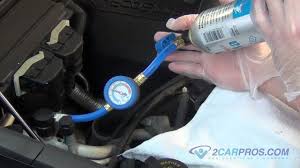
If you’ve ever been stuck in a hot car with a malfunctioning air conditioning system, you know how uncomfortable and frustrating it can be. One common reason your Car A/C may not be blowing cold air is that the refrigerant, commonly called Freon (or R-134a and R-1234yf for newer vehicles), is low or has leaked from the system. At Air Green Corporation, we understand the importance of a properly functioning Car Air Conditioning System. This comprehensive guide explains How to Add Freon to Car A/C, the tools you’ll need, and important maintenance tips to help keep your vehicle cool and comfortable. Contact Us What is Freon and Why Does Your Car Need It? Freon is a commonly used name for the Refrigerant inside a vehicle’s air conditioning system. While many people still use the word “Freon,” most modern vehicles use R-134a Refrigerant, while many newer models are equipped with R-1234yf Refrigerant. The refrigerant absorbs heat from inside the vehicle and releases it outside through the Car AC System, allowing cool air to circulate throughout the cabin. If refrigerant levels become low due to leaks or normal loss over time, your Car AC may begin blowing warm air instead of cold air. Types of Refrigerants Used in Cars R-134a Refrigerant This has been the most widely used refrigerant in passenger vehicles for many years. It provides reliable cooling performance but is gradually being replaced due to environmental regulations. R-1234yf Refrigerant This environmentally friendly refrigerant has a much lower Global Warming Potential (GWP) and is now commonly used in newer vehicles. Maintaining the proper refrigerant level is essential for efficient Car Air Conditioning performance. How to Add Freon to Car A/C Adding refrigerant to your Car A/C System can be completed successfully when proper procedures and equipment are used. While many vehicle owners choose professional servicing, a DIY recharge is possible with the correct tools. What You Will Need Before starting, gather the following items: A/C Recharge Kit with hose and pressure gauge R-134a Refrigerant or R-1234yf Refrigerant (verify your vehicle’s requirements) Safety Goggles Protective Gloves A/C Pressure Gauge Always check your owner’s manual to confirm which refrigerant your vehicle requires. Step-by-Step Instructions Prepare Your Vehicle Before beginning the recharge process: Park your vehicle in a well-ventilated area. Turn off the engine. Open the hood. Locate the Low-Pressure AC Service Port, usually identified with an “L” or “LOW” cap near the AC compressor. The low-pressure service port is the only location where refrigerant should be added. Check Refrigerant Pressure Before adding refrigerant, determine whether your system actually requires a recharge. Connect the A/C Pressure Gauge to the low-pressure service port. Start the engine. Turn the air conditioner to the coldest temperature setting. Set the blower fan to maximum speed. Observe the pressure reading. Most systems operate within approximately 30 to 40 PSI, although specifications vary by manufacturer. Always follow your vehicle’s recommended pressure range. If the pressure is below specification, refrigerant may need to be added. Connect the Recharge Hose After confirming low refrigerant pressure: Securely connect the recharge hose to the low-pressure service port. Attach the refrigerant can to the recharge hose. Slowly open the valve according to the recharge kit instructions. Ensure every connection is tight to prevent refrigerant leakage. Add the Refrigerant Carefully recharge the Car AC System by following these steps: Slowly open the refrigerant valve. Gently shake the refrigerant can during charging. Continuously monitor the pressure gauge. Stop charging once the recommended pressure is reached. Avoid overcharging the system because excessive refrigerant can reduce cooling performance and damage air conditioning components. If the pressure becomes too high, follow the recharge kit manufacturer’s instructions before proceeding. Test the Air Conditioning System After recharging: Disconnect the recharge hose. Restart the engine. Turn the air conditioner to the coldest setting. Allow the system to run for several minutes. If cool air is coming from the vents, the recharge has been successful. If cooling performance remains poor, additional diagnosis may be necessary. Inspect for Refrigerant Leaks If your Car AC still blows warm air after recharging, refrigerant leakage may be present. Inspect: AC hoses Pipe connections O-rings Compressor seals Condenser Leak detection kits can also help identify refrigerant leaks. Simply adding more refrigerant will not permanently solve a leaking system. When Should You Recharge Your Car AC? Several symptoms indicate that your Car Air Conditioner may require a refrigerant recharge. Warm or Weak Airflow If the vents produce warm or weak airflow instead of cold air, refrigerant levels may be low. No Cold Air When the Car AC fails to produce cold air after switching it on, low refrigerant is one of the most common causes. AC Compressor Clutch Not Engaging Many compressors will not engage when refrigerant pressure becomes too low, helping protect the compressor from damage. Unusual AC Noises Hissing, grinding, or other unusual sounds may indicate refrigerant leaks or failing air conditioning components. Tips for Maintaining Your Car AC System Regularly Check for Refrigerant Leaks Refrigerant leaks are one of the leading causes of poor cooling performance. Routine inspections can identify leaks before they become major repairs. Replace the Cabin Air Filter A clogged cabin air filter reduces airflow and decreases cooling efficiency. Replacing the filter according to the maintenance schedule improves overall Car AC Performance. Keep the AC System Clean Clean air vents and remove dirt or debris from the condenser to maintain efficient airflow and cooling performance. Run the Air Conditioner Regularly Even during cooler months, operate the Car Air Conditioner for several minutes every week. Regular operation helps lubricate internal seals and keeps the compressor functioning properly. Why Choose Air Green Corporation? Air Green Corporation supplies premium-quality automotive air conditioning components for a wide range of vehicles. Whether you require AC Compressors, Condensers, Evaporators, Expansion Valves, Blower Motors, or other Car AC Parts, we are committed to providing reliable products that deliver long-lasting performance. Our focus on quality, durability, and customer satisfaction makes Air Green Corporation a trusted choice for automotive cooling solutions. Conclusion Understanding How
How to Add Freon to Car A/C: A Step-by-Step Guide Read More »