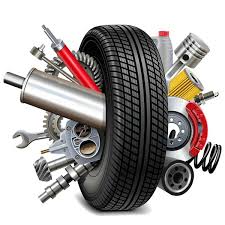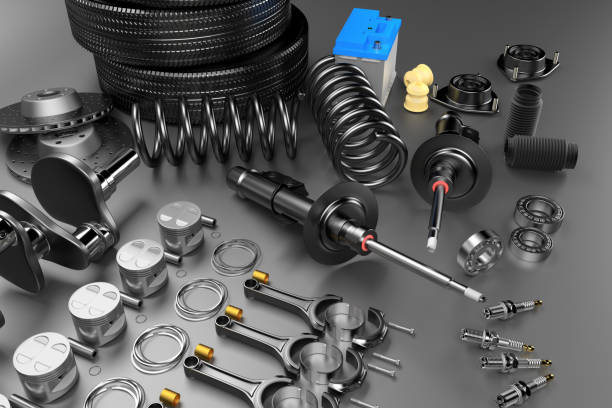
Auto spare parts

Car Auto Parts: Your Complete Guide to Better Vehicle Performance

Keeping your vehicle in excellent condition starts with understanding the importance of car auto parts. Every component, from the engine to the braking system, plays a vital role in ensuring safety, performance, and reliability. Whether you own a new or older vehicle, using quality auto parts helps improve efficiency and reduces unexpected repairs. Air Green Corporation provides reliable automotive solutions with premium-quality parts designed to keep your vehicle running smoothly. Contact Us Understanding Essential Car Auto Parts Engine Parts The engine is the heart of every vehicle and relies on several important auto parts to deliver power. Engine Block – Supports the engine’s major components. Pistons and Cylinders – Generate power through combustion. Crankshaft and Camshaft – Convert engine motion into wheel movement. Timing Belt/Chain – Keeps engine components synchronized. Fuel Injectors – Deliver fuel for efficient combustion. Maintenance Tip: Change engine oil regularly, replace filters on time, and inspect belts to maintain peak performance. Transmission Parts The transmission transfers engine power to the wheels while providing smooth gear changes. Transmission Fluid Clutch Torque Converter Gears and Shafts Maintenance Tip: Check transmission fluid regularly and address delayed shifting or unusual noises immediately. Brake System Components The brake system is one of the most important safety features in any vehicle. Brake Pads Brake Rotors Brake Fluid Brake Calipers Master Cylinder Maintenance Tip: Replace worn brake pads promptly and inspect brake fluid during regular servicing. Suspension and Steering Parts These car auto parts provide stability, comfort, and steering control. Shock Absorbers Struts Ball Joints Tie Rods Power Steering Pump Maintenance Tip: Uneven tire wear or poor handling often indicates suspension or steering issues that require inspection. Electrical and Ignition Parts Modern vehicles rely on electrical components for starting and overall operation. Car Battery Alternator Starter Motor Spark Plugs Ignition Coil Maintenance Tip: Clean battery terminals and replace weak batteries or worn spark plugs before they fail. Cooling System Parts The cooling system prevents engine overheating and maintains the correct operating temperature. Radiator Water Pump Thermostat Coolant Hoses Maintenance Tip: Replace coolant as recommended and inspect hoses regularly for leaks or cracks. Exhaust System Components The exhaust system improves engine efficiency while reducing harmful emissions. Exhaust Manifold Catalytic Converter Muffler Oxygen Sensor Maintenance Tip: Address unusual exhaust noise or warning lights quickly to prevent larger repairs. Where to Buy Quality Car Auto Parts When replacing car auto parts, always choose trusted suppliers offering genuine and premium aftermarket products. Reliable sources include: Local Auto Parts Stores Online Auto Parts Suppliers Authorized Vehicle Dealers Specialized Automotive Shops Trusted Automotive Distributors Why Choose Air Green Corporation? Air Green Corporation is a trusted supplier of high-quality auto parts, offering dependable solutions for passenger and commercial vehicles. Our product range includes engine parts, brake components, car AC parts, cooling system parts, suspension components, and many other automotive products that meet industry standards for quality and durability. Conclusion Using quality car auto parts is essential for maintaining your vehicle’s safety, reliability, and performance. Regular maintenance, timely replacement of worn components, and choosing trusted suppliers help extend the life of your vehicle. Whether you need OEM auto parts, aftermarket auto parts, engine components, car AC parts, or automotive spare parts, Air Green Corporation provides dependable products designed to keep your vehicle performing at its best.

Car Auto Parts: Your Complete Guide to Better Vehicle Performance Read More »
The Ultimate Guide to Car Auto Parts Stores: Finding the Best Auto Parts for Your Vehicle

Maintaining your vehicle starts with choosing the right auto parts. Whether you’re a DIY enthusiast, professional mechanic, or everyday car owner, using high-quality car auto parts improves vehicle performance, safety, and durability. Air Green Corporation offers reliable automotive components designed to meet the needs of modern vehicles. Contact Us Importance of Choosing the Right Car Auto Parts The quality of auto parts directly affects your vehicle’s reliability and lifespan. Genuine, high-quality parts ensure proper performance, while poor-quality components can lead to frequent repairs and reduced efficiency. There are two main types of car auto parts: OEM Parts (Original Equipment Manufacturer): Manufactured to match original vehicle specifications for perfect fit and performance. Aftermarket Parts: Produced by third-party manufacturers, offering cost-effective alternatives with a wide variety of options. Common Car Auto Parts Available Engine Parts Spark Plugs Air Filters Oil Filters Timing Belts Fuel Pumps and Fuel Injectors Exhaust Components Brake System Parts Brake Pads Brake Rotors Brake Calipers Brake Hoses Suspension & Steering Shock Absorbers Struts Ball Joints Tie Rods Electrical Components Car Batteries Alternators Starter Motors Headlights and Tail Lights Transmission Parts Clutch Kits Drive Shafts Transmission Filters Axles Air Conditioning Parts AC Compressors AC Condensers Blower Motors Heater Cores Interior & Exterior Parts Cabin Air Filters Mirrors Bumpers Dashboard Accessories Floor Mats Tires & Wheels All-Season Tires Performance Tires Alloy Wheels Steel Rims How to Choose the Best Auto Parts Store Check Reputation Choose a store with positive customer reviews, quality products, and reliable service. Wide Product Range A good auto parts store should stock both OEM and premium aftermarket auto parts for multiple vehicle brands. Compare Prices Look for competitive pricing without compromising quality. Customer Support Knowledgeable staff can help you choose the correct car auto parts and provide installation guidance. Warranty & Returns Always purchase from suppliers offering product warranties and hassle-free return policies. Popular Car Auto Parts Stores AutoZone Advance Auto Parts O’Reilly Auto Parts NAPA Auto Parts RockAuto CarParts.com These stores offer a wide range of automotive spare parts, car accessories, engine components, brake parts, and AC system parts. Why Choose Air Green Corporation? Air Green Corporation is a trusted supplier of premium auto parts for passenger and commercial vehicles. We provide quality car AC parts, engine components, cooling system parts, brake components, and other automotive products that meet high industry standards. Our focus on quality, reliability, and customer satisfaction makes us a preferred partner for automotive solutions. Conclusion Selecting the right car auto parts is essential for maintaining your vehicle’s safety, performance, and efficiency. Whether you need OEM parts, aftermarket auto parts, car AC components, or engine replacement parts, purchasing from a trusted supplier ensures long-lasting results. Choose Air Green Corporation for dependable automotive solutions and quality products that keep your vehicle running at its best.

The Ultimate Guide to Car Auto Parts Stores: Finding the Best Auto Parts for Your Vehicle Read More »

The Ultimate Guide to Auto Parts & Spare Parts: Everything You Need to Know for Vehicle Maintenance and Repairs

When it comes to keeping your vehicle in top condition, understanding auto parts and spare parts is essential. Whether you’re performing routine maintenance, making repairs, or upgrading your vehicle, choosing the right parts is crucial for the durability and safety of your car. With so many types of auto parts available on the market today, it can be overwhelming to know where to begin. This comprehensive guide will delve deep into the world of auto parts and spare parts, providing essential information on what they are, the different categories of car components, and where to buy them. We’ll also explore key tips for buying the right spare parts, how to ensure compatibility, and the benefits of using quality auto parts for your vehicle. Contact Us 1. What Are Auto Parts and Spare Parts? Auto parts refer to the various components and systems that make up a vehicle, including parts that contribute to its engine, transmission, braking system, electrical system, suspension, and more. These parts are essential for the vehicle’s functionality and are designed to work together to ensure the car operates efficiently and safely. On the other hand, spare parts are individual components kept in reserve that can be used to replace worn-out, damaged, or broken parts. Spare parts help restore a vehicle to its optimal performance and extend its lifespan. They can be either OEM (Original Equipment Manufacturer) parts, which are designed and manufactured by the vehicle’s original maker, or aftermarket parts, which are produced by third-party companies. In general, auto parts include both replacement components for wear and tear as well as performance upgrades. Spare parts, specifically, are the replacements for components that have already worn out or become damaged. 2. Types of Auto Parts and Spare Parts To keep your vehicle in top condition, you should familiarize yourself with the different types of auto parts and spare parts available. These parts are categorized based on their function, material, and purpose. Below are some of the key categories of car parts you should know about: Engine Parts The engine is the heart of your vehicle, and keeping it in working order is critical for its performance. The components that make up your car’s engine are designed to handle combustion, power generation, and other essential functions. Some common engine parts include: Cylinder Heads: Critical for controlling air and fuel intake, as well as exhaust gases. Pistons and Rings: Pistons move up and down inside the engine’s cylinders, generating power, while the rings ensure a proper seal between the pistons and cylinders. Timing Belts/Chains: These synchronize the engine’s camshaft and crankshaft to ensure proper timing. Water Pumps: These circulate coolant throughout the engine to prevent overheating. Electrical System Parts The electrical system of a vehicle powers everything from lighting and air conditioning to the ignition system and entertainment. Key components of a car’s electrical system include: Batteries: These store electrical energy and provide the necessary power to start the vehicle and run electrical components. Alternators: These generate electricity to recharge the battery while the engine is running. Spark Plugs: These are responsible for igniting the fuel in the engine’s cylinders. Fuses and Relays: These components protect the electrical circuits in your vehicle from overloads and short circuits. Suspension and Steering Parts The suspension system is responsible for providing comfort, stability, and handling, while the steering system allows the driver to control the direction of the vehicle. Key components in these systems include: Shocks and Struts: These help absorb shock and smooth out your ride. Control Arms: These connect the vehicle’s suspension to its body and help control movement. Ball Joints and Tie Rods: Ball joints provide a flexible connection between components, while tie rods help maintain steering accuracy. Brake System Parts The brake system is one of the most important safety components in your vehicle. To ensure effective stopping power, the following components are essential: Brake Pads: These press against the brake rotors to stop the vehicle. Brake Rotors: These are metal discs that work with the brake pads to slow down the car. Brake Lines: These carry brake fluid from the master cylinder to the brakes, ensuring they function properly. Transmission and Drivetrain Parts The transmission system helps transfer power from the engine to the wheels, allowing the vehicle to change gears and adjust to varying speeds. Common components include: Clutch Kits: Clutch kits let you disengage the engine from the transmission for shifting. Drive Shafts and Axles: These components deliver rotational force from the engine to the wheels. Torque Converters: Found in automatic transmissions, torque converters transfer power between the engine and transmission. Interior and Exterior Parts Both the interior and exterior parts of a vehicle contribute to its functionality and aesthetic appeal. Common interior components include: Seats and Upholstery: Comfortable seating and durable materials are essential for a pleasant driving experience. Dashboard Components: These include the gauges, controls, and infotainment systems that make up the car’s interface. Air Conditioning and Heater Components: These parts ensure the interior remains comfortable, regardless of the climate. On the exterior, important components include: Bumpers and Fenders: These components protect your vehicle in the event of a collision and help improve aerodynamics. Mirrors and Windows: Mirrors are essential for visibility, while windows are important for both safety and comfort. Lights and Headlamps: These ensure you can see and be seen on the road, providing critical illumination at night. 3. OEM vs. Aftermarket Auto Parts When purchasing auto parts and spare parts, it’s important to understand the difference between OEM (Original Equipment Manufacturer) parts and aftermarket parts. Both have their advantages and drawbacks, and choosing the right one depends on your needs and preferences. OEM Parts OEM parts are produced by the vehicle manufacturer or a certified partner. These parts are designed to meet the original specifications and fit your vehicle perfectly. Some key advantages of OEM parts include: Exact Fit: OEM parts are guaranteed to fit your vehicle’s specific components. High Quality: These parts are built to the same high standards

The Ultimate Guide to Auto Parts & Spare Parts: Everything You Need to Know for Vehicle Maintenance and Repairs Read More »

Freon Gas for Car AC: Refrigerant and Its Role in Your Car Air Conditioning System

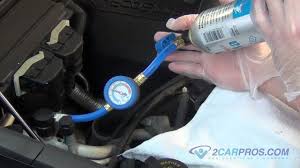
When the heat of summer arrives, the Car Air Conditioning System becomes essential for staying comfortable during daily commutes and long road trips. One of the most important elements of your Car AC is the refrigerant, commonly referred to as Freon Gas. This colorless, odorless refrigerant plays a vital role in cooling the air inside your vehicle. However, over time, refrigerant can leak or become depleted, causing your Car AC to lose its cooling performance. At Air Green Corporation, we understand the importance of a reliable automotive cooling system. This comprehensive guide explains Freon Gas for Car AC, how it works, common refrigerant problems, how to recharge your system, and how to choose the correct refrigerant for your vehicle. Contact Us   What is Freon Gas for Car AC? Freon is a trade name that was originally used for several refrigerants commonly found in automotive air conditioning systems. Today, the term “Freon” is often used to describe the refrigerant used inside a Car AC System, although modern vehicles typically use R-134a Refrigerant or R-1234yf Refrigerant. The refrigerant circulates throughout the Car Air Conditioning System, continuously absorbing heat from inside the cabin and releasing it outside the vehicle. This cooling cycle keeps the interior comfortable even during extremely hot weather. Although older vehicles commonly used Freon-based refrigerants, environmental regulations have led manufacturers to adopt more eco-friendly alternatives such as R-134a and R-1234yf, which offer improved efficiency and lower environmental impact. How Does Freon Gas Work in a Car AC System? Understanding how Freon Gas for Car AC works helps explain why refrigerant is essential for proper cooling. The major components of the Car Air Conditioning System include: AC Compressor AC Condenser AC Evaporator Expansion Valve Refrigerant Together, these components create a continuous cooling cycle. Compression The process begins with the AC Compressor, which compresses the refrigerant into a high-pressure, high-temperature gas. Condensation The hot refrigerant enters the AC Condenser, where airflow removes heat from the refrigerant. As it cools, it changes into a high-pressure liquid. Expansion The liquid refrigerant passes through the Expansion Valve, where pressure rapidly decreases, preparing the refrigerant for the cooling process. Evaporation Inside the AC Evaporator, the refrigerant absorbs heat from the passenger cabin as it evaporates back into a gas. The cooled air is then delivered into the cabin through the dashboard vents. Continuous Refrigeration Cycle After absorbing cabin heat, the refrigerant returns to the compressor, and the entire process repeats continuously to maintain comfortable cabin temperatures. Common Problems with Freon Gas in a Car AC System Several refrigerant-related issues can reduce cooling efficiency. Low Refrigerant Levels Low refrigerant is one of the most common causes of poor Car AC Performance. When refrigerant levels fall below the recommended level, you may notice: Warm air from the vents Weak cooling performance Compressor cycling Reduced cooling efficiency Ignoring low refrigerant may eventually damage the compressor. Refrigerant Leaks Leaks often develop in: Refrigerant hoses O-rings Compressor seals AC Condenser AC Evaporator Refrigerant lines If refrigerant continues leaking, simply recharging the system will only provide temporary improvement. Incorrect Refrigerant Every vehicle is designed for a specific refrigerant. Older vehicles may use R-12 Refrigerant, while most modern vehicles require R-134a or R-1234yf. Using the wrong refrigerant can damage the Car Air Conditioning System and reduce cooling performance. Always verify the correct refrigerant type in your owner’s manual. Overcharged AC System Adding excessive refrigerant can increase system pressure and reduce cooling efficiency. Overcharging may also damage: AC Compressor Expansion Valve Seals Refrigerant lines Always recharge according to the manufacturer’s recommended specifications. AC Compressor Failure The AC Compressor circulates refrigerant throughout the system. If the compressor fails because of wear, electrical problems, or insufficient refrigerant, the Car AC will stop cooling properly. How to Recharge Your Car AC with Freon Gas If refrigerant levels are low, recharging the system may restore normal cooling performance. Step 1: Check Refrigerant Pressure Use an AC Pressure Gauge to measure refrigerant pressure. Always compare the reading with the pressure specifications listed in your vehicle’s owner’s manual. Step 2: Purchase the Correct Refrigerant Buy the refrigerant specified for your vehicle. Most vehicles require either: R-134a Refrigerant R-1234yf Refrigerant Never mix different refrigerant types. Step 3: Connect the Recharge Kit Connect the recharge hose securely to the Low-Pressure Service Port. Ensure the connection is tight before adding refrigerant. Step 4: Recharge the System Start the engine. Turn the Car AC to maximum cooling. Slowly add refrigerant while monitoring the pressure gauge. Recharge only until the recommended pressure level is reached. Avoid overcharging. Step 5: Test the Cooling System Disconnect the recharge hose. Restart the vehicle. Operate the Car Air Conditioner and verify that cold air is flowing from the vents. If cooling performance remains poor, further diagnosis may be required. When to Seek Professional Help Although refrigerant recharging is a common maintenance procedure, professional assistance is recommended if: Refrigerant leaks continue. The AC Compressor fails. The system repeatedly loses cooling performance. The condenser or evaporator becomes damaged. Refrigerant pressure remains abnormal after charging. Professional technicians use specialized equipment to detect leaks, recover refrigerant, and repair complex Car AC System problems safely. Why Choose Air Green Corporation? Air Green Corporation supplies premium-quality automotive air conditioning components designed for reliable cooling performance and long service life. Our product range includes: AC Compressors AC Condensers AC Evaporators Expansion Valves Receiver Driers Blower Motors Automotive AC Parts Vehicle Cooling Components Our commitment to quality and customer satisfaction makes Air Green Corporation a trusted supplier of automotive cooling solutions. Conclusion Freon Gas for Car AC remains one of the most important elements of a properly functioning Car Air Conditioning System. Understanding how refrigerant works, recognizing common problems, and following proper recharging procedures can help maintain excellent cooling performance throughout the year. Regular inspections, prompt leak repairs, and using the correct refrigerant can significantly extend the life of your Car AC System. Choosing high-quality automotive air conditioning components from Air Green Corporation helps ensure dependable performance, improved efficiency, and long-lasting driving comfort.

Freon Gas for Car AC: Refrigerant and Its Role in Your Car Air Conditioning System Read More »

How to Add Freon to Car A/C: A Step-by-Step Guide

If you’ve ever been stuck in a hot car with a malfunctioning air conditioning system, you know how uncomfortable and frustrating it can be. One common reason your Car A/C may not be blowing cold air is that the refrigerant, commonly called Freon (or R-134a and R-1234yf for newer vehicles), is low or has leaked from the system. At Air Green Corporation, we understand the importance of a properly functioning Car Air Conditioning System. This comprehensive guide explains How to Add Freon to Car A/C, the tools you’ll need, and important maintenance tips to help keep your vehicle cool and comfortable. Contact Us What is Freon and Why Does Your Car Need It? Freon is a commonly used name for the Refrigerant inside a vehicle’s air conditioning system. While many people still use the word “Freon,” most modern vehicles use R-134a Refrigerant, while many newer models are equipped with R-1234yf Refrigerant. The refrigerant absorbs heat from inside the vehicle and releases it outside through the Car AC System, allowing cool air to circulate throughout the cabin. If refrigerant levels become low due to leaks or normal loss over time, your Car AC may begin blowing warm air instead of cold air. Types of Refrigerants Used in Cars R-134a Refrigerant This has been the most widely used refrigerant in passenger vehicles for many years. It provides reliable cooling performance but is gradually being replaced due to environmental regulations. R-1234yf Refrigerant This environmentally friendly refrigerant has a much lower Global Warming Potential (GWP) and is now commonly used in newer vehicles. Maintaining the proper refrigerant level is essential for efficient Car Air Conditioning performance. How to Add Freon to Car A/C Adding refrigerant to your Car A/C System can be completed successfully when proper procedures and equipment are used. While many vehicle owners choose professional servicing, a DIY recharge is possible with the correct tools. What You Will Need Before starting, gather the following items: A/C Recharge Kit with hose and pressure gauge R-134a Refrigerant or R-1234yf Refrigerant (verify your vehicle’s requirements) Safety Goggles Protective Gloves A/C Pressure Gauge Always check your owner’s manual to confirm which refrigerant your vehicle requires. Step-by-Step Instructions Prepare Your Vehicle Before beginning the recharge process: Park your vehicle in a well-ventilated area. Turn off the engine. Open the hood. Locate the Low-Pressure AC Service Port, usually identified with an “L” or “LOW” cap near the AC compressor. The low-pressure service port is the only location where refrigerant should be added. Check Refrigerant Pressure Before adding refrigerant, determine whether your system actually requires a recharge. Connect the A/C Pressure Gauge to the low-pressure service port. Start the engine. Turn the air conditioner to the coldest temperature setting. Set the blower fan to maximum speed. Observe the pressure reading. Most systems operate within approximately 30 to 40 PSI, although specifications vary by manufacturer. Always follow your vehicle’s recommended pressure range. If the pressure is below specification, refrigerant may need to be added. Connect the Recharge Hose After confirming low refrigerant pressure: Securely connect the recharge hose to the low-pressure service port. Attach the refrigerant can to the recharge hose. Slowly open the valve according to the recharge kit instructions. Ensure every connection is tight to prevent refrigerant leakage. Add the Refrigerant Carefully recharge the Car AC System by following these steps: Slowly open the refrigerant valve. Gently shake the refrigerant can during charging. Continuously monitor the pressure gauge. Stop charging once the recommended pressure is reached. Avoid overcharging the system because excessive refrigerant can reduce cooling performance and damage air conditioning components. If the pressure becomes too high, follow the recharge kit manufacturer’s instructions before proceeding. Test the Air Conditioning System After recharging: Disconnect the recharge hose. Restart the engine. Turn the air conditioner to the coldest setting. Allow the system to run for several minutes. If cool air is coming from the vents, the recharge has been successful. If cooling performance remains poor, additional diagnosis may be necessary. Inspect for Refrigerant Leaks If your Car AC still blows warm air after recharging, refrigerant leakage may be present. Inspect: AC hoses Pipe connections O-rings Compressor seals Condenser Leak detection kits can also help identify refrigerant leaks. Simply adding more refrigerant will not permanently solve a leaking system. When Should You Recharge Your Car AC? Several symptoms indicate that your Car Air Conditioner may require a refrigerant recharge. Warm or Weak Airflow If the vents produce warm or weak airflow instead of cold air, refrigerant levels may be low. No Cold Air When the Car AC fails to produce cold air after switching it on, low refrigerant is one of the most common causes. AC Compressor Clutch Not Engaging Many compressors will not engage when refrigerant pressure becomes too low, helping protect the compressor from damage. Unusual AC Noises Hissing, grinding, or other unusual sounds may indicate refrigerant leaks or failing air conditioning components. Tips for Maintaining Your Car AC System Regularly Check for Refrigerant Leaks Refrigerant leaks are one of the leading causes of poor cooling performance. Routine inspections can identify leaks before they become major repairs. Replace the Cabin Air Filter A clogged cabin air filter reduces airflow and decreases cooling efficiency. Replacing the filter according to the maintenance schedule improves overall Car AC Performance. Keep the AC System Clean Clean air vents and remove dirt or debris from the condenser to maintain efficient airflow and cooling performance. Run the Air Conditioner Regularly Even during cooler months, operate the Car Air Conditioner for several minutes every week. Regular operation helps lubricate internal seals and keeps the compressor functioning properly. Why Choose Air Green Corporation? Air Green Corporation supplies premium-quality automotive air conditioning components for a wide range of vehicles. Whether you require AC Compressors, Condensers, Evaporators, Expansion Valves, Blower Motors, or other Car AC Parts, we are committed to providing reliable products that deliver long-lasting performance. Our focus on quality, durability, and customer satisfaction makes Air Green Corporation a trusted choice for automotive cooling solutions. Conclusion Understanding How

How to Add Freon to Car A/C: A Step-by-Step Guide Read More »

How Much Does It Cost to Fix a Car AC? Comprehensive Guide

A properly functioning Car AC System is essential for comfortable driving, especially during hot weather. When your air conditioner stops cooling effectively or stops working altogether, understanding the repair costs can help you make informed decisions. At Air Green Corporation, we know that every Car AC Repair is different. Some repairs are simple, such as a refrigerant recharge, while others involve replacing major components like the compressor or evaporator. This guide explains the factors that affect Car AC Repair Cost, common air conditioning problems, and what you can expect when visiting a repair shop. Contact Us Factors That Affect Car AC Repair Cost Type of Repair Needed The specific issue with your Car AC System has the biggest impact on repair costs. Some of the most common repairs include: Car AC Refrigerant Recharge: If the refrigerant level is low, your AC may not cool properly. A recharge typically costs between $100 and $200. This service includes evacuating the old refrigerant, checking for leaks, and refilling the system. Refrigerant Leak Repair: Leak detection generally costs between $150 and $300, while repairing a small leak may add another $200 to $400. Larger or difficult-to-access leaks can increase the total repair cost. AC Compressor Replacement: The compressor is one of the most important components of the Automotive AC System. Replacing it usually costs between $500 and $1,500, depending on the vehicle and labor involved. AC Condenser Replacement: A damaged or clogged condenser can reduce cooling efficiency. Replacing the condenser generally costs between $300 and $600. AC Evaporator Repair or Replacement: The evaporator cools the air entering the cabin. Replacing it typically costs between $500 and $1,000 because of the extensive labor required. Blower Motor Replacement: If the blower motor fails, replacement generally costs between $300 and $700. AC Clutch Replacement: Replacing the AC clutch usually costs between $300 and $600. Labor Costs Labor charges vary depending on the repair complexity and your location. Most repair shops charge between $75 and $150 per hour. Major repairs such as compressor or evaporator replacement require several hours of labor, making labor one of the largest portions of the total repair bill. Independent repair shops often charge lower labor rates than dealerships, although both can provide quality service depending on technician experience. Vehicle Make and Model Your vehicle’s make and model significantly influence Car AC Repair Cost. Luxury vehicles and models equipped with advanced HVAC systems often require specialized components and additional labor, increasing repair expenses. Newer vehicles that use R-1234yf refrigerant instead of R-134a refrigerant may also have higher servicing costs because of the refrigerant’s higher price. Parts Quality The quality of replacement parts directly affects repair costs and long-term reliability. OEM (Original Equipment Manufacturer) Parts OEM parts are manufactured to the exact specifications of the vehicle manufacturer. Although more expensive, they provide excellent fit, durability, and reliability. Aftermarket Parts Aftermarket components are produced by third-party manufacturers and generally cost less than OEM parts. While many aftermarket parts offer good quality, performance and fitment can vary. Choosing OEM parts often provides greater long-term value despite the higher initial investment. Location and Repair Shop Repair costs vary depending on where you live. Urban areas typically have higher labor rates due to increased operating expenses, while smaller towns may offer lower repair costs. Independent repair shops usually charge less than dealerships, although dealerships often specialize in specific vehicle brands. Common Car AC Problems and Their Repair Costs Low Refrigerant Low refrigerant is among the most common causes of poor AC performance. It usually occurs because of a slow refrigerant leak or gradual refrigerant loss over time. Estimated Cost: Refrigerant recharge generally costs $100 to $200. If leaks are present, the total repair may range from $200 to $400 or more. Faulty AC Compressor The compressor circulates refrigerant throughout the AC system. When it fails, the entire cooling system stops functioning properly. Estimated Cost: Compressor replacement generally ranges from $500 to $1,500, depending on the vehicle and labor involved. AC Condenser Problems A damaged or clogged condenser prevents efficient heat transfer, reducing cooling performance. Estimated Cost: Condenser replacement typically costs between $300 and $600. Blower Motor Failure The blower motor forces cooled air into the cabin. Failure may result in weak airflow or no airflow at all. Estimated Cost: Blower motor replacement usually ranges from $300 to $700. Expansion Valve Problems The expansion valve regulates refrigerant flow into the evaporator. A clogged or damaged valve can significantly reduce cooling performance. Estimated Cost: Replacement generally costs between $150 and $500. AC Evaporator Problems The evaporator absorbs heat from the cabin air. If it becomes clogged or develops leaks, cooling efficiency decreases dramatically. Estimated Cost: Evaporator replacement generally ranges between $500 and $1,000. DIY vs Professional Car AC Repair Some basic maintenance tasks can be completed at home, while major repairs require specialized equipment and professional knowledge. DIY Repairs Car AC Refrigerant Recharge DIY recharge kits are available for some vehicles. However, if refrigerant leaks exist or cooling problems continue after recharging, professional diagnosis is recommended. Cabin Air Filter Replacement Replacing the cabin air filter is one of the simplest maintenance tasks and usually costs between $15 and $30 for the replacement filter. Professional Repairs AC Compressor Replacement Replacing an AC compressor requires specialized tools, refrigerant recovery equipment, and technical expertise. Professional replacement typically costs between $500 and $1,500. Refrigerant Leak Detection Locating refrigerant leaks requires professional diagnostic equipment such as UV dye testing, electronic leak detectors, and pressure testing. Proper leak repair ensures long-lasting cooling performance and prevents repeated refrigerant loss. Why Choose Air Green Corporation? Air Green Corporation is committed to supplying premium-quality automotive air conditioning components and replacement parts. Whether you require AC Compressors, AC Condensers, Evaporators, Blower Motors, Expansion Valves, or other automotive cooling components, we focus on providing dependable products that meet high-quality standards. Our dedication to quality, reliability, and customer satisfaction makes Air Green Corporation a trusted name for automotive air conditioning solutions. Conclusion The total Car AC Repair Cost depends on several factors, including the type

How Much Does It Cost to Fix a Car AC? Comprehensive Guide Read More »

Auto Parts Manufacturing: A Comprehensive Guide to the Backbone of the Automotive Industry

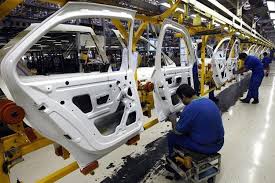
The automotive industry is one of the largest and most intricate industries in the world. It’s powered by a robust supply chain, where auto parts manufacturing plays a vital role in ensuring the quality, safety, and performance of vehicles. Without dependable auto parts manufacturers, automakers would not be able to produce the cars, trucks, and electric vehicles (EVs) that we rely on every day. Auto parts manufacturing encompasses everything from the production of individual components like engines, transmissions, and electrical systems to the assembly of complete vehicle systems. It’s a complex, high-tech process that requires extensive knowledge, innovation, and investment in advanced manufacturing technology. The rise of electric and autonomous vehicles is further transforming the landscape of automotive components manufacturing, creating both challenges and opportunities for manufacturers. In this blog post, we’ll take an in-depth look at the world of auto parts manufacturing — how it works, who the key players are, and how advances in materials, technology, and sustainability are shaping the future of automotive manufacturing. Contact Us The Basics of Auto Parts Manufacturing Auto parts manufacturing is the process of producing the components that make up a vehicle. These components range from simple items like bolts and screws to complex systems like engines, transmissions, and electronic control units (ECUs). Manufacturing auto parts requires a combination of engineering expertise, specialized equipment, and skilled labor. The process starts with design and engineering, where auto parts are conceptualized, tested, and refined before they’re ready for production. Once the design phase is complete, the manufacturing process begins. Auto parts manufacturers often use different production methods depending on the type of component being made, the materials required, and the specifications set by automakers, or OEMs (Original Equipment Manufacturers). Key Stages of Auto Parts Manufacturing Design and Prototyping: This is the first step in the manufacturing process, where components are designed using computer-aided design (CAD) software. Prototypes are created to test the functionality and feasibility of the parts. Material Selection: Auto parts are made from a wide range of materials, including steel, aluminum, plastic, rubber, and composite materials. The choice of material depends on the specific requirements of the part, including strength, durability, and weight. Production: This is the stage where the component is physically manufactured. Different parts may be produced using techniques like casting, forging, machining, stamping, injection molding, and welding. Assembly and Integration: In this stage, individual components are assembled into larger systems or sub-systems, such as the engine, transmission, or suspension system. This process can involve both manual and automated work. Testing and Quality Control: Every auto part undergoes rigorous testing to ensure it meets safety and quality standards. Tests may include stress testing, performance testing, and environmental testing to confirm the part will function as intended under various conditions. Distribution: After passing quality control, the parts are packaged and shipped to automakers or aftermarket suppliers. Types of Auto Parts Manufactured The automotive industry produces a vast array of components, each with a specific role within a vehicle’s system. Some parts are designed for core functionality, while others enhance the car’s performance, safety, or aesthetics. Below are the main categories of auto parts commonly manufactured by auto parts suppliers: 1. Engine and Drivetrain Parts The engine and drivetrain are the heart of any vehicle, and the components that make up these systems are critical to a car’s overall performance, efficiency, and reliability. Engine components include pistons, cylinder heads, camshafts, crankshafts, and timing belts. Drivetrain components include transmissions, axles, differential gears, and drive shafts. Key Auto Parts Manufacturers: Bosch: Known for producing advanced engine control systems, fuel injectors, and turbochargers. ZF Friedrichshafen: A leading provider of driveline and chassis components, including transmissions and axles. 2. Suspension and Steering Parts The suspension system is responsible for providing a smooth and stable ride by absorbing shocks and vibrations, while the steering system allows the driver to control the direction of the vehicle. Components in this category include control arms, shock absorbers, struts, steering racks, and ball joints. Key Auto Parts Manufacturers: Magna International: Supplier of suspension components and steering systems. Tenneco: Well regarded for its shock absorbers and suspension components. 3. Brake Parts The brake system is one of the most critical safety features in a vehicle. It’s responsible for slowing down or stopping the car when necessary. Brake components include brake pads, brake discs, drums, calipers, master cylinders, and hydraulic systems. Key Auto Parts Manufacturers: Brembo: A leader in the manufacturing of high-performance brake systems, including calipers, rotors, and pads. Akebono Brake Corporation: Manufacturer of OEM brake products, including brake pads and discs. 4. Electrical and Electronic Parts With the growing complexity of modern vehicles, electrical and electronic components have become a major part of auto manufacturing. These parts include wiring harnesses, sensors, batteries, alternators, electric motors, and infotainment systems. Key Auto Parts Manufacturers: Denso: Known for producing a wide range of automotive electronics, including sensors, powertrain components, and air conditioning systems. Delphi Technologies: A global supplier of electrical parts, including battery systems, sensors, and electronic control units (ECUs). 5. Body Parts and Exterior Components Body components make up the car’s exterior and contribute to both the safety and aesthetics of the vehicle. These components include doors, windows, fenders, bumpers, side mirrors, and lighting systems. Key Auto Parts Manufacturers: Valeo: Supplier of lighting systems, wiper systems, and front-end modules. Lear Corporation: Known for producing interior and exterior components, including seating and electrical systems. 6. Fuel and Exhaust System Parts The fuel system is responsible for delivering fuel to the engine, while the exhaust system expels gases produced during combustion. Components in this category include fuel injectors, fuel pumps, exhaust pipes, mufflers, and catalytic converters. Key Auto Parts Manufacturers: Faurecia: A major producer of exhaust systems, including catalytic converters and emission control systems. Magneti Marelli: Specializes in exhaust systems and emission control technologies. The Evolution of Auto Parts Manufacturing The world of auto parts manufacturing has evolved dramatically over the last century. In the early days of the automotive industry, parts were often

Auto Parts Manufacturing: A Comprehensive Guide to the Backbone of the Automotive Industry Read More »

Mahindra Spare Parts Near Me: The Ultimate Guide to Finding Genuine Mahindra Spare Parts for Your Vehicle

When it comes to maintaining your vehicle’s performance, reliability, and longevity, using Genuine Mahindra Spare Parts is essential. Mahindra is one of India’s leading automobile manufacturers, known for producing high-quality, durable, and reliable vehicles. Whether you own a Mahindra SUV, commercial vehicle, pickup, or tractor, choosing the right spare parts helps keep your vehicle running efficiently. At Air Green Corporation, we understand the importance of premium automotive components. This guide explains everything you need to know about Mahindra Spare Parts, where to find Mahindra Spare Parts Near Me, and why genuine replacement parts are the best choice for your vehicle. Contact Us Why Choosing Genuine Mahindra Spare Parts is Important Quality Assurance When you choose Genuine Mahindra Spare Parts, you receive products manufactured according to Mahindra’s strict quality standards. These components are specifically designed for your vehicle, ensuring reliable performance, durability, and long service life. Every genuine part undergoes extensive testing to withstand everyday driving conditions. Safety and Performance Using Genuine Mahindra Parts helps maintain your vehicle’s original performance and safety. Authentic parts work seamlessly with your vehicle’s systems, reducing the chances of unexpected failures, poor fuel efficiency, and safety risks. Components such as brakes, suspension, and steering systems perform best when fitted with genuine replacements. Long-Term Savings Although Genuine Mahindra Spare Parts may cost more initially than aftermarket alternatives, they offer greater long-term value. Their superior quality reduces frequent replacements, minimizes repair costs, and protects other vehicle components from unnecessary damage. Warranty Protection Using Mahindra Genuine Parts helps preserve your vehicle’s warranty coverage. Genuine components are generally supported by manufacturer warranty policies, while non-genuine parts may affect warranty eligibility. Perfect Fit and Compatibility Every Mahindra Genuine Spare Part is engineered specifically for Mahindra vehicles. This ensures accurate fitment, proper functionality, and smooth installation without modifications. Types of Mahindra Spare Parts You Might Need Engine Parts The engine is the heart of your vehicle and requires reliable components to perform efficiently. Common engine spare parts include: Pistons Cylinder Heads Timing Belts Oil Filters Spark Plugs Radiators Transmission Parts Transmission components help transfer engine power smoothly to the wheels. Common transmission parts include: Clutch Assemblies Gearboxes Flywheels Transmission Belts Suspension and Steering Parts These components provide stability, comfort, and control while driving. Common suspension and steering parts include: Shock Absorbers Leaf Springs Suspension Arms Ball Joints Steering Racks Brake System Parts Reliable braking components are essential for safe driving. Frequently replaced brake parts include: Brake Pads Brake Shoes Brake Discs Brake Drums Brake Calipers Master Cylinders Electrical Components Modern Mahindra vehicles rely on dependable electrical systems. Common electrical spare parts include: Alternators Starter Motors Battery Terminals Lighting Components Wiring Harnesses Body Parts Body components help maintain the vehicle’s appearance and structural integrity. Common body parts include: Fenders Bumpers Doors Grilles Hood Panels Tailgate Components Cooling System Parts The cooling system prevents engine overheating and maintains proper operating temperature. Common cooling parts include: Radiators Cooling Fans Thermostats Water Pumps Climate Control and HVAC Parts Comfort inside the cabin depends on a properly functioning air conditioning system. Common HVAC components include: AC Compressors Blower Motors Cabin Air Filters Condensers Fuel System Parts The fuel system ensures efficient fuel delivery to the engine. Frequently replaced fuel components include: Fuel Pumps Fuel Injectors Fuel Filters Tyres and Wheels Tyres and wheels directly impact safety and driving comfort. Common replacement components include: Tyres Alloy Wheels Wheel Bearings Valve Stems Where to Find Mahindra Spare Parts Near Me Finding Mahindra Spare Parts Near Me is easier than ever. Several trusted sources offer genuine replacement components. Authorized Mahindra Dealerships and Service Centers Authorized Mahindra dealerships remain one of the most reliable places to purchase Genuine Mahindra Spare Parts. They provide original OEM components, expert advice, professional installation, and warranty support. Online Retailers and Official Mahindra Parts Platforms Several online retailers and official Mahindra parts platforms offer Mahindra Genuine Parts with home delivery. Purchasing online allows customers to compare products, prices, and availability conveniently. Before purchasing, always verify that the component is a genuine OEM replacement compatible with your specific Mahindra model. Local Auto Parts Stores Many trusted automotive parts stores stock Mahindra Spare Parts. Always confirm that the supplier offers authentic products rather than counterfeit or low-quality aftermarket alternatives. Online Marketplaces Popular online marketplaces may also offer Mahindra Genuine Spare Parts. Before placing an order, verify seller ratings, customer reviews, and product authenticity. Authorized Mahindra Parts Distributors Mahindra’s authorized distributor network supplies genuine components to workshops, repair centers, and retailers across India. Purchasing from authorized distributors ensures authenticity and reliable product quality. At Air Green Corporation, customers can source high-quality automotive replacement parts while receiving expert guidance to select suitable components for their Mahindra vehicles. Benefits of Buying Mahindra Spare Parts Locally Quick Availability Purchasing Mahindra Spare Parts Near Me allows faster access to replacement components, helping reduce vehicle downtime. Lower Shipping Costs Buying locally helps minimize transportation and shipping expenses compared to ordering from distant suppliers. Professional Assistance Local dealers and automotive specialists can recommend the correct part based on your vehicle model and repair requirements. Warranty and After-Sales Support Purchasing Genuine Mahindra Spare Parts from trusted suppliers provides better warranty coverage, technical assistance, and after-sales support. Why Choose Air Green Corporation? Air Green Corporation is committed to supplying premium-quality automotive components for a wide range of passenger and commercial vehicles. Whether you require engine components, cooling system parts, suspension parts, electrical components, brake parts, HVAC products, or other replacement parts, we focus on delivering reliable products that meet high-quality standards. Our commitment to quality, customer satisfaction, and dependable automotive solutions makes Air Green Corporation a trusted choice for genuine replacement parts. Conclusion Finding Mahindra Spare Parts Near Me is simple when you purchase from trusted suppliers. Whether you choose an authorized dealership, an established parts distributor, or a reliable supplier like Air Green Corporation, always prioritize Genuine Mahindra Spare Parts for maximum performance, safety, and durability. Using Mahindra Genuine Parts helps maintain your vehicle’s original engineering standards, improves long-term reliability, protects your investment, and enhances your driving experience.

Mahindra Spare Parts Near Me: The Ultimate Guide to Finding Genuine Mahindra Spare Parts for Your Vehicle Read More »

Auto Parts Retailers Near Me: Your Ultimate Guide to Finding the Best Auto Parts Suppliers

When your vehicle starts showing signs of wear and tear or damage, finding the right auto parts becomes critical. Whether you’re a DIY mechanic, a professional repair shop owner, or someone in need of a quick repair, knowing where to find reliable auto parts retailers near me can make all the difference. With the right parts, you can restore your vehicle’s performance, enhance safety, and ensure your car runs smoothly for years to come. In this comprehensive guide, we’ll discuss the importance of choosing the right auto parts store, the types of parts you might need, how to find a nearby retailer, and tips for getting the best deals on your repairs. We’ll also cover the benefits of visiting both physical and online retailers and offer advice on making informed purchasing decisions for your vehicle’s parts. Contact Us Why Choosing the Right Auto Parts Retailer Matters Choosing the right auto parts store near me is important for a variety of reasons. Here’s why it matters: 1. Quality of Parts When repairing your car, using quality parts ensures that repairs are durable, reliable, and safe. Poor-quality or counterfeit auto parts can lead to malfunctions, premature wear, or even damage to your vehicle. Trusted car parts suppliers offer high-quality products that meet the necessary standards for safety and performance. 2. Convenience and Speed Time is of the essence when you need auto parts. If your vehicle is out of commission, finding a nearby retailer can save time and ensure you get the parts you need without unnecessary delays. Whether you’re dealing with an urgent repair or a routine upgrade, proximity can be a key factor. 3. Variety of Options The best auto parts shops offer a wide range of components, from common replacements like brake pads, filters, and spark plugs to more specialized parts such as engines, transmissions, and suspension kits. Finding a retailer with a wide selection helps ensure you can get everything you need in a single trip. 4. Expert Advice A good auto parts store doesn’t just sell parts — it also offers valuable advice. Many retailers employ knowledgeable staff who can help identify the right parts for your make and model, explain how to install them, and recommend solutions for specific repair issues. This level of expertise can be invaluable when working on your car. 5. Competitive Pricing Auto parts can be expensive, but reliable retailers often offer competitive prices and discounts or promotions. If you shop around and compare costs, you can usually find a store that offers quality components at an affordable price. 6. Customer Service Good customer service is essential when shopping for auto parts. A reputable retailer will provide hassle-free returns, warranties, and support for troubleshooting any issues you may encounter with the parts. They’ll also help locate hard-to-find parts or place special orders when necessary. Types of Auto Parts You Can Find at Retailers Auto parts shops generally carry a wide variety of products designed to meet the needs of every vehicle type. Here are the most common categories of parts you’ll find: Engine Components Pistons Cylinder heads Crankshafts Timing belts and chains Valves and gaskets Oil filters Brake System Parts Brake pads and shoes Brake rotors and drums Brake fluid Brake calipers Brake lines Suspension and Steering Parts Shocks and struts Ball joints Control arms Tie rods Steering racks Coil springs Electrical System Components Batteries Alternators Starter motors Fuses and relays Wiring harnesses Headlights and taillights Transmission and Drivetrain Parts Clutch kits Transmission fluid Differentials Axles and shafts CV joints and boots Cooling System Components Radiators Water pumps Thermostats Coolant hoses Condenser fans Fuel System Parts Fuel filters Fuel injectors Fuel pumps Fuel tanks Fuel pressure regulators Body and Interior Parts Windshield wipers Mirrors Seats and upholstery Dashboard components Door handles and locks How to Find Auto Parts Retailers Near Me In the past, people had to visit local auto parts stores to find the right components for their vehicles. However, with modern technology and online shopping, there are now more ways than ever to find auto parts retailers near me. Here are several strategies to help you locate a reputable auto parts retailer: 1. Use Online Search Engines The simplest and quickest way to find auto parts stores near me is by using online search engines like Google. Just type in “auto parts retailers near me” or “auto parts store near me,” and you’ll get a list of local shops. These search engines will even show the distance from your location, business hours, ratings, and customer reviews. 2. Check Online Marketplaces Online marketplaces such as Amazon, eBay, and AutoZone also offer a wide range of auto parts. If you prefer to shop online, these platforms let you search for parts based on the make and model of your vehicle. Many of these online stores offer local pickup options or fast delivery for your convenience. 3. Use Online Directories Online directories, like Yellow Pages or Yelp, allow you to search for businesses in your area. You can filter results to find auto parts retailers near me and read reviews from other customers to help you make an informed choice. These platforms are especially useful for finding both small, independent stores and large chains. 4. Visit Manufacturer Websites Many auto parts retailers work directly with specific car manufacturers. If you need parts for a particular brand — such as Honda, Toyota, or Ford — visiting the manufacturer’s website or authorized dealer network can help you find the right parts and the nearest retailer. These retailers often offer genuine OEM (Original Equipment Manufacturer) parts. 5. Ask for Recommendations If you’re unsure where to go, asking friends, family, or your trusted mechanic can provide valuable recommendations for local auto parts stores. Personal referrals often lead to finding retailers with excellent customer service, knowledgeable staff, and fair prices. Tips for Shopping for Auto Parts When you’re in need of vehicle parts, shopping smart can save you money and time. Here are some essential tips to

Auto Parts Retailers Near Me: Your Ultimate Guide to Finding the Best Auto Parts Suppliers Read More »

How to Fix a Car AC: A Step-by-Step Guide to Troubleshooting and Repair

A properly functioning car AC is essential for a comfortable driving experience, especially during hot weather. At Air Green Corporation, we understand the importance of reliable automotive cooling solutions and quality auto parts. This guide explains how to fix a car AC, diagnose common problems, and perform basic repairs while keeping your vehicle’s air conditioning system in top condition.   Contact Us Why Car AC Repair is Important Your vehicle’s air conditioning system consists of several important components, including the compressor, condenser, evaporator, refrigerant, and expansion valve. If any of these components fail, the cooling performance of your vehicle can be affected. Common issues that reduce AC performance include: Low Refrigerant: Insufficient refrigerant prevents the system from producing cold air. Refrigerant Leaks: Damaged hoses, seals, or condensers can allow refrigerant to escape. Faulty Compressor: A damaged compressor stops refrigerant circulation. Dirty Air Filters: Blocked filters reduce airflow and cooling efficiency. Electrical Problems: Blown fuses, faulty relays, or damaged wiring can stop the AC from operating. Step 1: Diagnose the Problem Before beginning repairs, identify the cause of the issue. Check Airflow If little or no air comes from the vents, inspect the blower motor and cabin air filter. Test Air Temperature If air is blowing but isn’t cold, the problem may involve low refrigerant, compressor failure, or evaporator issues. Inspect the Compressor Listen for unusual noises and check whether the compressor clutch engages properly when the AC is turned on. Listen for Unusual Sounds Grinding, squealing, or rattling noises often indicate worn bearings, compressor damage, or blower motor problems. Check for Refrigerant Leaks Use UV dye or an electronic leak detector to locate refrigerant leaks throughout the AC system. Step 2: Gather the Required Tools Before starting repairs, collect the necessary equipment: Refrigerant suitable for your vehicle AC Manifold Gauge Set UV Leak Detection Dye O-Ring Seals Wrenches and Screwdrivers Compressor Oil Replacement Air Filters AC Recharge Kit Multimeter for electrical testing Always wear protective gloves and safety glasses during repairs. Step 3: Repair Common Car AC Problems Low Refrigerant Low refrigerant is one of the most common AC problems. Turn off the engine. Locate the low-pressure service port. Connect the refrigerant recharge kit. Start the engine and switch the AC to maximum cooling. Monitor pressure using the manifold gauge. Slowly recharge the system until the recommended pressure is reached. Disconnect the equipment and verify cooling performance. If refrigerant levels continue to drop, inspect the system for leaks. Refrigerant Leak If refrigerant is escaping: Inspect hoses, seals, and fittings. Use UV dye to identify leak locations. Replace damaged hoses or O-rings. Recharge the AC system after completing repairs. Faulty Compressor A damaged compressor usually requires replacement. Disconnect the battery. Remove the compressor belt. Disconnect refrigerant lines carefully. Remove the old compressor. Install the replacement compressor. Replace O-rings where required. Recharge the AC system. Electrical Problems Electrical faults may prevent AC operation. Inspect the AC fuse. Test the relay using a multimeter. Check wiring for damage. Inspect the blower motor if airflow is weak or absent. Replace any faulty electrical components before testing the system again. Clogged Air Filter A dirty cabin air filter restricts airflow and reduces cooling efficiency. Replace the filter according to your vehicle manufacturer’s maintenance schedule to restore proper airflow and improve cabin comfort. Preventive Maintenance Tips Regular maintenance helps prevent expensive repairs and improves AC performance. Replace the cabin air filter regularly. Check refrigerant levels periodically. Clean the condenser to improve heat transfer. Operate the AC throughout the year to lubricate internal components. Schedule annual AC inspections by qualified technicians. Conclusion Knowing how to fix a car AC helps you identify common cooling problems and perform basic maintenance before they become major repairs. From diagnosing refrigerant leaks and compressor failures to replacing clogged air filters and checking electrical components, regular maintenance ensures reliable cooling performance. At Air Green Corporation, we provide high-quality auto parts, car AC compressors, condensers, evaporators, HVAC components, and other automotive cooling solutions to help keep your vehicle running efficiently. Choosing quality components and timely servicing will improve your AC system’s performance, durability, and overall driving comfort.

How to Fix a Car AC: A Step-by-Step Guide to Troubleshooting and Repair Read More »

Scroll to Top