
When it comes to keeping your vehicle in top condition, understanding auto parts and spare parts is essential. Whether you’re performing routine maintenance, making repairs, or upgrading your vehicle, choosing the right parts is crucial for the durability and safety of your car. With so many types of auto parts available on the market today, it can be overwhelming to know where to begin.
This comprehensive guide will delve deep into the world of auto parts and spare parts, providing essential information on what they are, the different categories of car components, and where to buy them. We’ll also explore key tips for buying the right spare parts, how to ensure compatibility, and the benefits of using quality auto parts for your vehicle.
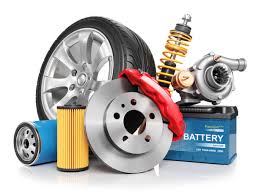

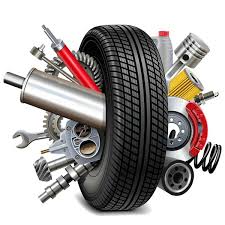
1. What Are Auto Parts and Spare Parts?
Auto parts refer to the various components and systems that make up a vehicle, including parts that contribute to its engine, transmission, braking system, electrical system, suspension, and more. These parts are essential for the vehicle’s functionality and are designed to work together to ensure the car operates efficiently and safely.
On the other hand, spare parts are individual components kept in reserve that can be used to replace worn-out, damaged, or broken parts. Spare parts help restore a vehicle to its optimal performance and extend its lifespan. They can be either OEM (Original Equipment Manufacturer) parts, which are designed and manufactured by the vehicle’s original maker, or aftermarket parts, which are produced by third-party companies.
In general, auto parts include both replacement components for wear and tear as well as performance upgrades. Spare parts, specifically, are the replacements for components that have already worn out or become damaged.
2. Types of Auto Parts and Spare Parts
To keep your vehicle in top condition, you should familiarize yourself with the different types of auto parts and spare parts available. These parts are categorized based on their function, material, and purpose. Below are some of the key categories of car parts you should know about:
Engine Parts
The engine is the heart of your vehicle, and keeping it in working order is critical for its performance. The components that make up your car’s engine are designed to handle combustion, power generation, and other essential functions.
Some common engine parts include:
- Cylinder Heads: Critical for controlling air and fuel intake, as well as exhaust gases.
- Pistons and Rings: Pistons move up and down inside the engine’s cylinders, generating power, while the rings ensure a proper seal between the pistons and cylinders.
- Timing Belts/Chains: These synchronize the engine’s camshaft and crankshaft to ensure proper timing.
- Water Pumps: These circulate coolant throughout the engine to prevent overheating.
Electrical System Parts
The electrical system of a vehicle powers everything from lighting and air conditioning to the ignition system and entertainment. Key components of a car’s electrical system include:
- Batteries: These store electrical energy and provide the necessary power to start the vehicle and run electrical components.
- Alternators: These generate electricity to recharge the battery while the engine is running.
- Spark Plugs: These are responsible for igniting the fuel in the engine’s cylinders.
- Fuses and Relays: These components protect the electrical circuits in your vehicle from overloads and short circuits.
Suspension and Steering Parts
The suspension system is responsible for providing comfort, stability, and handling, while the steering system allows the driver to control the direction of the vehicle. Key components in these systems include:
- Shocks and Struts: These help absorb shock and smooth out your ride.
- Control Arms: These connect the vehicle’s suspension to its body and help control movement.
- Ball Joints and Tie Rods: Ball joints provide a flexible connection between components, while tie rods help maintain steering accuracy.
Brake System Parts
The brake system is one of the most important safety components in your vehicle. To ensure effective stopping power, the following components are essential:
- Brake Pads: These press against the brake rotors to stop the vehicle.
- Brake Rotors: These are metal discs that work with the brake pads to slow down the car.
- Brake Lines: These carry brake fluid from the master cylinder to the brakes, ensuring they function properly.
Transmission and Drivetrain Parts
The transmission system helps transfer power from the engine to the wheels, allowing the vehicle to change gears and adjust to varying speeds. Common components include:
- Clutch Kits: Clutch kits let you disengage the engine from the transmission for shifting.
- Drive Shafts and Axles: These components deliver rotational force from the engine to the wheels.
- Torque Converters: Found in automatic transmissions, torque converters transfer power between the engine and transmission.
Interior and Exterior Parts
Both the interior and exterior parts of a vehicle contribute to its functionality and aesthetic appeal. Common interior components include:
- Seats and Upholstery: Comfortable seating and durable materials are essential for a pleasant driving experience.
- Dashboard Components: These include the gauges, controls, and infotainment systems that make up the car’s interface.
- Air Conditioning and Heater Components: These parts ensure the interior remains comfortable, regardless of the climate.
On the exterior, important components include:
- Bumpers and Fenders: These components protect your vehicle in the event of a collision and help improve aerodynamics.
- Mirrors and Windows: Mirrors are essential for visibility, while windows are important for both safety and comfort.
- Lights and Headlamps: These ensure you can see and be seen on the road, providing critical illumination at night.
3. OEM vs. Aftermarket Auto Parts
When purchasing auto parts and spare parts, it’s important to understand the difference between OEM (Original Equipment Manufacturer) parts and aftermarket parts. Both have their advantages and drawbacks, and choosing the right one depends on your needs and preferences.
OEM Parts
OEM parts are produced by the vehicle manufacturer or a certified partner. These parts are designed to meet the original specifications and fit your vehicle perfectly. Some key advantages of OEM parts include:
- Exact Fit: OEM parts are guaranteed to fit your vehicle’s specific components.
- High Quality: These parts are built to the same high standards as those installed in your vehicle at the factory.
- Warranty: OEM parts often come with warranties, which can provide peace of mind in case something goes wrong.
However, OEM parts can be more expensive than aftermarket alternatives, and they may not always offer additional features or upgrades.
Aftermarket Parts
Aftermarket parts are manufactured by third-party companies and are designed to fit a wide range of vehicles. While aftermarket parts may not always match the exact specifications of OEM parts, they offer significant benefits:
- Lower Cost: Aftermarket parts are usually more affordable than OEM parts.
- Variety and Options: Aftermarket parts often provide a greater range of choices, including performance upgrades and customizations.
- Availability: Many aftermarket parts are easier to find and readily available, while OEM parts may take longer to ship or be more expensive.
The main drawback of aftermarket parts is that their quality can vary significantly, so it’s important to choose reputable manufacturers and confirm compatibility with your vehicle.
4. Where to Buy Auto Parts and Spare Parts
There are several places to buy car parts and spare parts, each offering distinct advantages. Here are the most common options:
Local Auto Parts Stores
Local auto parts stores are often the go-to choice for car owners who need parts quickly. These stores typically carry a wide range of auto parts, both OEM and aftermarket, and can offer helpful assistance in choosing the right components. Some popular local auto parts stores include:
- AutoZone
- Advance Auto Parts
- O’Reilly Auto Parts
- NAPA Auto Parts
Local stores are ideal for urgent repairs, as you can often walk in and find the part you need.
Online Auto Parts Retailers
Shopping for car parts online has become increasingly popular due to the convenience, competitive pricing, and wide selection available. Online retailers such as:
- RockAuto
- CarParts.com
- Summit Racing
- Amazon Automotive
These websites offer access to a large inventory of both OEM and aftermarket components, often at discounted prices. Additionally, many online stores offer customer reviews, which can help guide your purchasing decisions. However, shipping times and return policies should be considered when shopping online.
Dealerships
If you’re looking for OEM components or specific brand parts, a dealership for your vehicle’s manufacturer is another reliable option. Dealerships typically carry parts that are designed specifically for your vehicle’s make and model, ensuring compatibility and performance.
Salvage Yards and Used Auto Parts Stores
For cost-conscious buyers, salvage yards and used auto parts stores can be an affordable source for spare parts. These components are often removed from vehicles that have been totaled or are no longer in service. While used parts are usually cheaper than new ones, buyers should carefully inspect the components to ensure they’re in good condition.
5. How to Ensure Compatibility and Quality When Buying Spare Parts
When purchasing auto parts and spare parts, it’s essential to ensure they’re compatible with your vehicle and of high quality. Here are some expert tips for making sure you’re getting the right components:
- Know Your Vehicle’s Details: Always have your vehicle’s make, model, year, and VIN (Vehicle Identification Number) on hand before buying, so you can confirm the part is an exact match.
- Cross-Check Part Numbers: Compare the manufacturer’s part number on the new component with the one listed for your vehicle to avoid ordering an incompatible part.
- Buy From Reputable Sellers: Whether shopping locally or online, stick to well-reviewed retailers or authorized dealers to reduce the risk of counterfeit or substandard components.
- Check Return and Warranty Policies: Confirm that the seller offers a reasonable return window and warranty coverage in case the part doesn’t fit or fails prematurely.
- Inspect Before Installing: For used or salvaged parts especially, visually inspect the component for cracks, corrosion, or wear before installation.
With the right knowledge of auto parts and spare parts, along with a trusted source to buy from, you can keep your vehicle running safely, efficiently, and reliably for years to come.