
When the scorching heat of summer hits, one of the first things you may reach for is your car’s air conditioning (AC) system. It’s no secret that a functioning AC is essential for comfort on the road, but have you ever wondered what powers your car AC system? The question that often comes up is: Do car AC systems use gas? To clarify, car air conditioning systems do not use gasoline in the traditional sense, but they do rely on a type of gas, known as refrigerant, to operate.
In this comprehensive guide from Air Green Corporation, we will dive deep into the working principles of a car AC system, the role of refrigerant or AC gas, and how it interacts with the car’s engine. We will also cover the types of refrigerants used in cars, how AC systems can lose refrigerant, and why you need to recharge the AC gas to maintain optimal performance. Additionally, we’ll address common misconceptions, discuss the environmental impact of refrigerants, and offer tips for keeping your car AC system running smoothly.
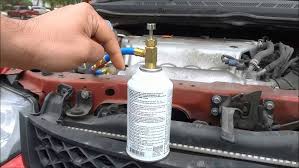

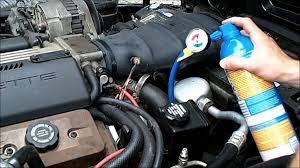

What Is a Car AC System?
A car air conditioning (AC) system is a complex assembly of components that work together to cool the air inside the car’s cabin. The system uses the principles of thermodynamics, specifically the process of refrigerant evaporation and condensation, to transfer heat from inside the vehicle and expel it outside.
The basic components of a car AC system include:
Compressor: The compressor is responsible for compressing the refrigerant gas, which increases its pressure and temperature. It acts as the heart of the AC system, circulating refrigerant throughout the system.
Condenser: The condenser is located in front of the radiator and cools down the refrigerant as it moves through the system. It removes heat from the refrigerant, turning it from a gas into a high-pressure liquid.
Evaporator: The evaporator is located inside the cabin, usually behind the dashboard. As refrigerant flows through the evaporator, it absorbs heat from the air inside the car, cooling it before the air is blown into the cabin.
Expansion Valve: This component regulates the flow of AC refrigerant into the evaporator. It controls the pressure and temperature of the refrigerant as it moves through the system.
Receiver-Drier or Accumulator: This part helps remove moisture from the refrigerant and prevents contaminants from entering the system, ensuring the refrigerant remains clean and free of moisture.
Do Car AC Systems Use Gas?
While many people mistakenly believe that car AC systems use gasoline as fuel, the reality is that they rely on refrigerant gas, also called AC gas, to function. This refrigerant is a specialized substance designed to absorb and release heat efficiently, which is essential for the cooling process.
The refrigerant gas does not burn like gasoline. Instead, it undergoes phase changes, transforming from a gas to a liquid and vice versa, within the AC system. This allows it to absorb heat from inside the cabin and expel it outside.
Key Points About Refrigerant (AC Gas)
Refrigerant is not gasoline: While car AC systems do use a form of “gas,” it is not gasoline or diesel fuel. Instead, it is a specially designed gas or liquid compound that allows the system to absorb and expel heat.
Types of refrigerants: There are different car AC refrigerants used in modern vehicles. The most common are R-134a and R-1234yf, with R-1234yf being more environmentally friendly and commonly found in newer vehicles.
Refrigerant does not get used up: Unlike fuel, AC refrigerant circulates through the system in a closed loop. However, refrigerant can leak over time due to cracks, damaged seals, or other problems, leading to the need for an AC recharge.
How Does a Car AC System Work?
To understand whether your car’s AC system uses gas, it’s important to understand how the car AC refrigeration cycle works.
Step 1: Compression of Refrigerant
The cycle begins with the AC compressor, which is powered by the car’s engine. The compressor pulls in the refrigerant gas, compresses it, and sends it into the condenser at high temperature and pressure.
Step 2: Condensation
The high-pressure gas flows into the AC condenser, where it is cooled by airflow through the front grille. As the refrigerant cools, it changes from a gas into a high-pressure liquid. The condenser releases heat from the refrigerant into the outside air.
Step 3: Expansion of Refrigerant
After leaving the condenser, the high-pressure liquid refrigerant travels to the expansion valve. This valve rapidly reduces the refrigerant’s pressure, allowing it to expand and cool.
Step 4: Evaporation
The low-pressure refrigerant enters the AC evaporator, which is located inside the cabin, typically behind the dashboard. As the refrigerant flows through the evaporator coil, it absorbs heat from the air inside the car. The cool air is then blown into the cabin through the vents.
Step 5: Heat Transfer
The refrigerant, now warmed by the cabin air, flows back to the AC compressor, and the cycle repeats. The car AC system continuously transfers heat from inside the vehicle to the outside.
Types of Refrigerants Used in Car AC Systems
Over the years, the types of refrigerants used in car air conditioning systems have changed because of environmental regulations. Two of the most commonly encountered refrigerants are R-134a and R-1234yf.
1. R-134a Refrigerant
R-134a refrigerant has been widely used in car AC systems since the mid-1990s. It does not deplete the ozone layer like its predecessor, R-12.
Advantages of R-134a: R-134a is non-toxic, non-flammable, operates at lower pressures than some older refrigerants, and has been widely used in automotive AC systems.
Disadvantages of R-134a: Although it does not damage the ozone layer like R-12, R-134a is still a greenhouse gas and contributes to global warming when released into the atmosphere.
2. R-1234yf Refrigerant
R-1234yf refrigerant is a newer refrigerant developed as an alternative to R-134a. It has a significantly lower global warming potential and is widely used in newer vehicles.
Advantages of R-1234yf: It has a much lower environmental impact than R-134a while providing effective cooling performance.
Disadvantages of R-1234yf: It is generally more expensive than R-134a and requires compatible equipment for proper handling and charging.
Why Does the Refrigerant in a Car AC Need to Be Recharged?
Although AC refrigerant does not get used up like gasoline, it can gradually leak from the system due to small cracks, damaged seals, or other issues. When the refrigerant level becomes too low, the car AC system may provide reduced cooling, weak airflow, or no cooling at all.
Common reasons why refrigerant levels may drop include:
Leaks in the system: Small holes or cracks in hoses, seals, and connections can allow refrigerant to escape.
Normal wear and tear: Rubber seals and other components can deteriorate over time, causing slow refrigerant leaks.
Accidental damage: A collision or mechanical failure can damage AC components and cause refrigerant loss.
When the refrigerant level drops too low, the system may require an AC gas recharge to restore cooling performance. For accurate diagnosis and servicing, professional inspection is recommended.
Common Signs That Your Car AC Needs Gas (Refrigerant)
If you’re wondering whether your car AC needs a recharge or has a refrigerant leak, here are some common signs to watch for:
Weak or No Cooling: If your car AC blows warm or insufficiently cool air instead of cold air, low refrigerant may be one possible cause.
Longer Cooling Time: If your car air conditioner takes longer than usual to cool the cabin, the system may require inspection.
Unusual AC Noises: Hissing, clicking, or other unusual sounds can indicate an issue with the AC system.
Visible Leaks: Oily residue around AC components may indicate a refrigerant leak.
AC Compressor Problems: Low refrigerant levels can affect compressor operation and may lead to poor cooling performance.
If you experience these symptoms, have your automotive AC system checked by a qualified technician. At Air Green Corporation, we emphasize the importance of using the correct automotive AC parts and refrigerant specifications for reliable system performance.