
A properly working car AC system is essential for a comfortable driving experience, especially during hot weather. It keeps the cabin cool, removes humidity, and improves overall driving comfort. However, over time, car air conditioning systems can develop issues due to wear and tear, resulting in poor cooling or complete failure.
In this guide by Air Green Corporation, you’ll learn about car AC repair, common problems, troubleshooting methods, maintenance tips, and the best practices to keep your automotive AC system running efficiently.

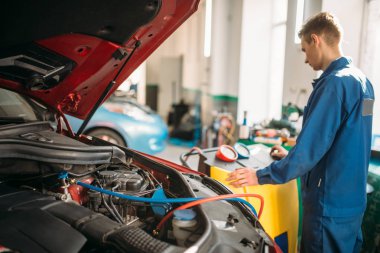
Understanding How Your Car’s AC System Works
Before repairing your car AC system, it’s important to understand how it works. The automotive air conditioning system consists of several components that work together to cool and dehumidify the air inside your vehicle.
Key Components of a Car AC System
AC Compressor – Compresses and circulates AC refrigerant throughout the system.
AC Condenser – Converts high-pressure refrigerant gas into liquid while releasing heat.
Receiver/Dryer or Accumulator – Removes moisture and contaminants from the refrigerant.
Expansion Valve or Orifice Tube – Regulates refrigerant flow and reduces pressure.
AC Evaporator – Absorbs heat from the cabin and delivers cool air.
Car AC Refrigerant – Usually R-134a or R-1234yf, responsible for the cooling process.
Understanding these components makes car AC troubleshooting much easier.
Common Car AC Problems
1. Weak Airflow
Possible Causes
Clogged cabin air filter
Faulty blower motor
Damaged air ducts
Fix
Replace the cabin air filter and inspect the blower motor for proper operation.
2. Insufficient Cooling
Possible Causes
Low AC refrigerant
Faulty AC compressor
Dirty condenser or evaporator
Fix
Recharge the car AC refrigerant and clean or replace damaged components.
3. Unpleasant Odors
Possible Causes
Mold inside the evaporator
Dirty cabin air filter
Fix
Clean the evaporator and replace the filter.
4. No Cooling
Possible Causes
Refrigerant leaks
Compressor failure
Electrical faults
Fix
Repair leaks, replace the AC compressor, and inspect electrical connections.
5. Noisy AC Operation
Possible Causes
Worn compressor bearings
Debris inside the blower fan
Fix
Inspect the blower fan and replace worn components if necessary.
How to Diagnose Car AC Problems
1. Check Airflow
Turn the car AC to maximum and inspect airflow. Weak airflow usually indicates a clogged filter or blower issue.
2. Listen for Unusual Noises
Grinding or rattling noises often point to compressor or blower problems.
3. Check Refrigerant Levels
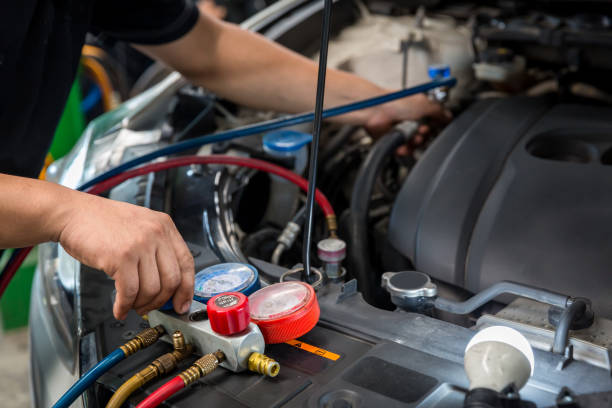
Use a pressure gauge to inspect AC refrigerant levels. Low pressure usually indicates a refrigerant leak.
4. Inspect the Compressor
Verify that the compressor clutch engages when the AC is switched on.
5. Check for Refrigerant Leaks
Use a UV dye or electronic leak detector to locate leaks in the car AC system.
6. Inspect the Condenser and Evaporator
Remove dirt and debris from the condenser and inspect the evaporator for mold or damage.
DIY Fixes for Common Car AC Problems
Replace the Cabin Air Filter
Remove the old filter and install a new cabin air filter to improve airflow.
Recharge the Car AC
Use a car AC recharge kit and follow the manufacturer’s instructions carefully. Avoid overcharging the system.
Clean the AC Condenser
Wash away dirt and debris using low-pressure water to improve cooling efficiency.
Repair Refrigerant Leaks
Minor leaks may be sealed temporarily, while larger leaks require replacement of damaged components.
Replace the AC Compressor
If the compressor fails completely, replace it and refill the system with the correct AC refrigerant.
When to Seek Professional Help
Professional car AC repair is recommended if you notice:
Continuous refrigerant leaks
Complete compressor failure
Electrical problems
Multiple damaged AC components
A certified technician has the proper tools to diagnose and repair complex automotive AC systems.
Preventive Maintenance for Your Car AC
Run Your AC Regularly
Operate your car AC for a few minutes every month, even during winter.
Replace Cabin Air Filters
Install a new cabin air filter according to your vehicle manufacturer’s schedule.
Keep AC Components Clean
Clean the condenser and inspect the evaporator regularly.
Schedule Annual AC Service
Annual car AC maintenance helps identify issues before they become costly repairs.
Monitor Refrigerant Levels
Check car AC refrigerant levels periodically and recharge only when necessary.
Choosing the Right Auto Parts for AC Repairs
Always use high-quality automotive AC parts for reliable performance.
OEM vs Aftermarket Parts
OEM auto parts provide excellent fit and reliability.
Aftermarket auto parts can be cost-effective but vary in quality.
Warranty
Choose parts backed by a manufacturer’s warranty.
Trusted Supplier
Purchase from reliable suppliers like Air Green Corporation for quality car AC parts and automotive components.
Cost of Car AC Repairs
Repair costs vary depending on the issue.
Cabin Air Filter Replacement: $20–$50
Car AC Recharge: $100–$300
AC Compressor Replacement: $500–$1,000
Refrigerant Leak Repair: $150–$500
Frequently Asked Questions
How Often Should I Recharge My Car AC?
Recharge your car AC system only when refrigerant levels become low, typically every 2–5 years depending on usage.
Can I Drive Without a Working Car AC?
Yes, but driving comfort will decrease, and windshield defogging performance may also be affected.
Why Does My Car AC Smell Musty?
A musty odor usually indicates mold in the AC evaporator or a dirty cabin air filter.
Which Refrigerant Does My Car Use?
Most modern vehicles use R-134a or R-1234yf refrigerant. Check your owner’s manual for confirmation.
How Long Does an AC Compressor Last?
A well-maintained AC compressor generally lasts between 8 and 10 years.
Conclusion
Keeping your car AC system in excellent condition improves comfort, safety, and overall driving performance. By understanding common car AC problems, performing regular car AC maintenance, and using high-quality automotive AC parts, you can extend the life of your vehicle’s air conditioning system. Air Green Corporation offers dependable car AC components and automotive solutions to help maintain reliable cooling performance throughout the year.