Car AC Parts

Automotive Air Conditioning Repairs Near Me: A Complete Guide

When the summer season warmth kicks in, a useful car air conditioning (AC) device is more than a pricey—it is a need. A defective AC now not satisfactory makes your drives uncomfortable but also can have an effect on your car’s everyday ordinary performance. That’s why looking for “automobile aircon safety near me” is often a pinnacle priority at the same time as AC troubles stand up. At Air Green Corporation, we’ve put together this complete manual to stroll you through everything you want to understand about automobile AC upkeep, not unusual problems, costs, and hints for finding reliable restore services near you. Contact Us How Does a Car AC System Work? Understanding how your automobile’s AC works is the first step to diagnosing troubles and records while renovation are critical. Compressor: The coronary heart of the AC device compresses refrigerant gas, growing its temperature and strain. Condenser: The condenser cools the excessive-stress refrigerant gasoline, changing it into a liquid. Expansion Valve/Orifice Tube: This element reduces the refrigerant’s strain, permitting it to cool before accomplishing the evaporator. Evaporator: The refrigerant absorbs warmth from the cabin air, cooling it earlier than it’s circulated lower back into the auto. Refrigerant: The refrigerant (in conjunction with R-134a or R-1234yf) is the fluid that lets in warm temperature change and cooling. When any of those additives fail or malfunction, your AC tool may stop operating efficiently, requiring instantaneous upkeep. Common Car AC Problems Identifying not unusual AC issues will allow you to speak greater correctly with a restore technician and ensure brief fixes. 1. Weak Cooling When your AC blows air, but it’s now not bloodless enough, it may be due to low refrigerant tiers, a clogged condenser, or a failing compressor. 2. No Cold Air If the AC nice blows warmth air, there may be a refrigerant leak, a damaged compressor, or an problem with the increase valve. 3. Strange Noises Unusual noises like hissing, rattling, or squealing at the same time as the AC is strolling can endorse problems with the compressor, fan motor, or belts. 4. Foul Odors A musty or unsightly odor from the AC vents also can moreover stop stop result from mold or micro organism buildup in the evaporator or cabin air clear out. 5. AC Clutch Not Engaging The AC take preserve of engages to power the compressor. If it doesn’t engage, the refrigerant tiers might be low, or the seize may be defective. 6. Water Leaks Inside the Cabin Water pooling under your dashboard indicates a clogged or broken AC drain hose. Why Choose Professional AC Repairs? While some automobile owners may also additionally strive DIY fixes, expert car AC preservation make sure the trouble is correctly diagnosed and fixed. Here’s why expert maintenance are in fact worth it: Comprehensive Diagnosis: Technicians use specialised device to pinpoint problems fast. Proper Equipment: AC maintenance require gear like refrigerant restoration machines and leak detectors, which professionals have accessible. Compliance with Environmental Standards: Professionals control refrigerants well and examine suggestions for their disposal. Cost-Effective: While DIY maintenance also can save money to start with, incorrect handling can result in extra highly-priced preservation down the road. How to Find the Best Automotive Air Conditioning Repairs Near Me Finding a dependable AC repair keep near you can hold time and make certain outstanding business enterprise. Here are some pointers for selecting the great issuer provider, and it’s the same standard we hold ourselves to at Air Green Corporation: 1. Check Online Reviews Search for nearby restore stores and have a look at reviews on Google, Yelp, or one-of-a-type evaluation structures. Look for ordinary outstanding remarks and testimonials approximately AC restore offerings. 2. Ask for Recommendations Word-of-mouth hints from pals, circle of relatives, or coworkers will can help you locate relied on restore shops nearby. 3. Verify Certifications Choose a store with licensed technicians, collectively with human beings with Automotive Service Excellence (ASE) credentials. 4. Request a Detailed Estimate A valid repair hold should offer a apparent estimate, along with tough art work, factors, and refrigerant charges. 5. Compare Prices While fee shouldn’t be the great problem, evaluating charges from multiple repair stores can help you find out a stability among rate and top notch. 6. Look for Warranty Coverage A sincere save gives warranties on their renovation, ensuring peace of mind if issues upward push up later. What to Expect During an Automotive AC Repair Service When you take your car to a repair store, proper right right here’s what an average AC repair system seems like: 1. Initial Inspection The technician will take a look at your AC system, test refrigerant degrees, and choose out seen issues like leaks or damaged components. 2. Leak Detection They’ll use equipment like UV dye or digital leak detectors to locate refrigerant leaks. 3. Refrigerant Recovery If the refrigerant wishes opportunity, the technician will effectively recover the antique refrigerant. 4. System Repairs or Component Replacement Faulty additives like compressors, condensers, or hoses are repaired or modified. 5. System Recharge The AC tool is recharged with the perfect quantity and sort of refrigerant. 6. Performance Testing Finally, the tool is examined to make sure it’s cooling efficiently and functioning with out issues. Costs of Automotive Air Conditioning Repairs The fee of AC protection varies relying on the difficulty, the type of automobile, and the shop’s location. Here’s a breakdown of normal charges: Refrigerant Recharge: $a hundred–$three hundred Leak Detection and Repair: $a hundred and fifty–$500 Compressor Replacement: $500–$1, hundred Condenser Replacement: $4 hundred–$900 Expansion Valve or Orifice Tube Replacement: $one hundred fifty–$three hundred Evaporator Core Replacement: $800–$1,500 Keep in mind that expenses can range extensively, so it’s an excellent concept to get a couple of expenses. DIY Maintenance Tips to Avoid Frequent AC Repairs While professional upkeep are vital for essential problems, regular maintenance can prevent many not unusual AC troubles. 1. Run the AC Regularly Even ultimately of colder months, run the AC for a couple of minutes weekly to maintain the compressor and

Automotive Air Conditioning Repairs Near Me: A Complete Guide Read More »
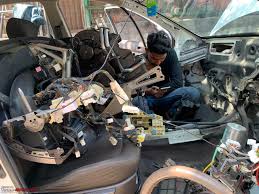
Automotive Air Conditioning Repair: A Complete Guide to Keeping Your Car Cool

When summer time rolls round, the consolation of your vehicle’s aircon device turns into crucial. However, similar to another part of your vehicle, your car’s air con (AC) machine can run into issues over the years, leaving you sweltering inside the warm temperature. Whether it’s a easy leak, a refrigerant problem, or a few factor more complicated, car air conditioning repair is important to keeping your vehicle’s comfort and performance. At Air Green Corporation, we’ve put together this complete guide to cover the entirety you want to know approximately automobile air con repair, from common AC issues and the way to diagnose them to the steps involved in repairing the tool. Additionally, we’ll discover renovation suggestions which can help prevent future breakdowns, signs and symptoms that your AC wishes restore, and a way to pick out out a expert for AC restore. Contact Us Understanding the Basics of Automotive Air Conditioning Systems Before diving into the repair method, it’s essential to have a easy understanding of the way car air conditioning structures art work. This will offer you with belief into why sure problems occur and the manner they are typically addressed sooner or later of upkeep. An automotive air conditioning machine generally consists of the subsequent crucial components: Compressor – The coronary heart of the AC machine, the compressor pressurizes the refrigerant and pumps it through the gadget. It is powered by way of the use of the engine thru a belt. Condenser – The condenser releases warm temperature from the refrigerant. It cools down the excessive-pressure gasoline from the compressor and turns it right right into a liquid. Evaporator – Located within the vehicle’s cabin, the evaporator absorbs heat from the air in the automobile and cools it down thru converting the refrigerant proper into a gas. Expansion Valve or Orifice Tube – This aspect regulates the go with the flow of refrigerant into the evaporator. It controls the strain of the refrigerant because it enters the evaporator. Refrigerant – The substance that circulates through the gadget, soaking up and liberating heat to kick back the auto. Refrigerant is regularly the maximum commonplace culprit whilst an AC device stops functioning properly. Together, the ones components paintings in a cycle to take in warmness from in the car and release it out of doors, retaining you cool and cushty. When one or greater of these elements fail, the entire machine can prevent running as intended, leading to a need for restore. Common Problems with Automotive Air Conditioning Systems There are loads of issues that can stand up along with your car’s air conditioning gadget. Below are some of the most not unusual issues that require automobile AC restore. 1. Low Refrigerant Refrigerant is the lifeblood of your AC machine. If your device has low refrigerant levels, the AC will not cool nicely. Refrigerant can leak through the years due to damaged seals, hoses, or exceptional additives in the machine. Low refrigerant is one of the maximum commonplace motives of awful cooling performance. Symptoms: Warm air blowing from the vents. AC now not reaching the favored cooling temperature. A extensive hissing sound coming from the AC device. Repair: The refrigerant degree wants to be checked and recharged via a professional technician. The tool may also be inspected for leaks. 2. Clogged or Dirty Air Filter A clogged or dirty air filter out can reduce airflow and save you the AC machine from cooling the cabin successfully. The air filter is accountable for cleaning the air before it enters the evaporator. If it becomes clogged with dirt, particles, or mildew, it could reason issues with the airflow. Symptoms: Weak airflow from the AC vents. A musty or strange scent from the aircon device. Reduced cooling overall performance. Repair: Replacing or cleaning the air filter is the solution. Some motors have cabin air filters which can need to be replaced periodically. 3. Compressor Failure The compressor is a important aspect of your air conditioning machine. If it fails, the entire tool will now not feature. Compressor failure can occur because of electric powered issues, loss of lubrication, or inner damage. Symptoms: AC device makes a noisy or extraordinary noise even as jogging. No cool air, regardless of the AC on. The compressor grasp does not interact even as the AC is grew to end up on. Repair: If the compressor is broken, it’ll probable need to get replaced. A technician will test the compressor, and if it’s beyond repair, a opportunity component may be established. 4. Faulty Condenser The condenser works with the resource of liberating the heat absorbed via the refrigerant. If it’s broken, blocked, or leaking, the refrigerant cannot effectively release its warmth, and the air conditioning system will not perform efficiently. Symptoms: The AC blows heat air rather than bloodless air. Overheating engine (for the reason that condenser is regularly positioned close to the engine). Repair: A blocked condenser may be cleaned, while a damaged one will require substitute. Replacing a faulty condenser normally calls for putting off the the front bumper or specific additives, so it’s a challenge notable left to experts. 5. Blower Motor Issues The blower motor is answerable for pushing air thru the AC device and into your cabin. If the motor is malfunctioning, you may look at susceptible or no airflow, despite the fact that the AC is on. Symptoms: Low airflow or no airflow from the vents. Strange noises at the same time as the fan is on. AC blowing air intermittently. Repair: A damaged blower motor will want to be replaced. In some times, the blower motor resistor may be defective, and changing that may solve the difficulty. 6. Faulty Pressure Switches Pressure switches reveal the strain of the refrigerant inside the device. If the transfer fails, it may cause the compressor to malfunction, or the AC device may not interact at all. Symptoms: AC gadget now not turning on. Warm air blowing from the vents no matter the AC being on. Repair: A

Automotive Air Conditioning Repair: A Complete Guide to Keeping Your Car Cool Read More »

Automotive Air Conditioning Service: Everything You Need to Know

When the temperature starts rising, nothing beats the comfort of a cool, clean ride. Your car’s air conditioning (AC) system is essential for keeping that comfort going, but like every other vehicle system, it needs regular attention and maintenance to keep it working at its best. A well-maintained car air conditioning system not only keeps your vehicle cool, but also extends the life of its components, improves cabin air quality, and reduces the risk of costly repairs down the road. In this complete guide, brought to you by Air Green Corporation, we’ll cover everything you need to know about automotive air conditioning service, including why it matters, the most common AC problems, and the benefits of regular maintenance. Whether you’re looking to keep your system running smoothly or need help diagnosing an AC issue, this guide is packed with useful information to help you understand car AC service from top to bottom. Contact Us What is Automotive Air Conditioning Service? Automotive air conditioning service refers to the routine maintenance, inspection, and repair of a vehicle’s air conditioning system to ensure it operates efficiently and effectively. Like every other component in your car, your AC system needs regular servicing to function properly. At Air Green Corporation, this service typically includes checking refrigerant levels, inspecting for leaks, cleaning the system, replacing filters, and making sure all components are working as they should. The primary goal of automotive AC service is to ensure the system delivers maximum cooling performance, clean air, and long-term reliability. Why is Automotive Air Conditioning Service Important? Regular servicing of your vehicle’s air conditioning system matters for several reasons: Maintaining Cooling Performance One of the most important reasons for regular AC servicing is to make sure your system cools the car effectively. A poorly functioning AC can cause warm air to blow from the vents, reduced cooling performance, or complete failure during hot weather, making the car uncomfortable to drive. Improving Air Quality Air conditioning systems help filter the air inside the cabin, removing dust, pollen, and other contaminants that could affect your health. Over time, dirt and debris can build up in the AC system, leading to poor air quality. Regular servicing helps keep the system clean and improves the air quality inside your vehicle. Extending the Life of Your AC System Like any other system in your car, your AC system needs regular care to extend its lifespan. By catching minor issues early, you can prevent costly repairs or system failure down the line. Energy Efficiency A well-maintained AC system runs more efficiently, using less energy and reducing fuel consumption. Over time, neglecting your AC system can lead to poor performance and higher fuel costs. Preventing Costly Repairs Regular servicing helps identify and fix minor problems before they turn into bigger, more expensive issues. For example, low refrigerant levels or a small leak could lead to complete AC failure if not addressed early. Key Components of an Automotive Air Conditioning System Understanding your vehicle’s AC system is important for understanding how regular service keeps it running smoothly. The main components of an automotive air conditioning system include: Compressor The compressor is the heart of the AC system. It pressurizes the refrigerant and circulates it through the system. The compressor is driven by the engine and powered by a belt. Condenser The condenser cools the refrigerant gas coming from the compressor and turns it into a liquid. It’s located at the front of the vehicle, often near the radiator, to take advantage of airflow. Evaporator The evaporator is located inside the vehicle and absorbs heat from the air in the cabin. As the refrigerant passes through the evaporator, it evaporates into a gas and cools the air in the process. Expansion Valve The expansion valve regulates the flow of refrigerant into the evaporator. It reduces the pressure of the refrigerant, allowing it to expand and absorb heat more effectively. Refrigerant Refrigerant is the substance that circulates through the AC system, absorbing heat from the vehicle’s cabin and releasing it outside. There are different types of refrigerants used in modern AC systems, with R-134a and R-1234yf being the most common. Blower Motor The blower motor pushes air over the evaporator coil and into the cabin. It helps distribute the cool air throughout the vehicle. The fan’s speed can be adjusted to control airflow. Receiver-Drier or Accumulator This component filters moisture and contaminants from the refrigerant to prevent damage to the system. It also stores excess refrigerant and ensures it flows smoothly through the system. Common Problems with Automotive Air Conditioning Systems Understanding the common problems that can arise with your air conditioning system can help you catch issues early and get the necessary service from Air Green Corporation before things escalate. Here are a few common problems that often require air conditioning service: Low Refrigerant Levels One of the most common causes of poor AC performance is low refrigerant levels. Refrigerant can leak over time due to damaged seals, hoses, or worn components. If the refrigerant level is low, the AC system won’t be able to cool the air properly. Clogged Air Filter A dirty or clogged air filter can restrict airflow into the system, reducing cooling performance and air quality inside the vehicle. Replacing the air filter during routine service is important for maintaining proper airflow. Compressor Failure The compressor is a critical part of the AC system. If it fails, the system won’t cool the air. Compressor issues can be caused by low refrigerant, electrical failure, or mechanical problems. Leaking Refrigerant Leaks in the refrigerant lines can cause refrigerant loss, leading to a decrease in cooling performance. Leaks are often caused by cracks or worn-out seals and require professional repair to prevent further damage. Faulty Pressure Switch The pressure switch monitors the pressure of the refrigerant inside the system. If the switch fails, it can prevent the compressor from running or cause it to cycle on and off, disrupting the cooling process. Blower Motor Problems A malfunctioning blower motor can result in weak

Automotive Air Conditioning Service: Everything You Need to Know Read More »

How to Find the Best Car AC Shops Near You: A Complete Guide

When your car’s air conditioning system stops cooling properly, finding a trusted car AC shop near me becomes essential. Whether you need an AC recharge, refrigerant leak repair, AC compressor replacement, or complete car AC repair, choosing the right service center ensures better performance and long-lasting results. At Air Green Corporation, we understand the importance of reliable automotive AC parts and professional servicing to keep your vehicle comfortable in every season. Contact Us Importance of Regular Car AC Maintenance Regular maintenance keeps your car AC system operating efficiently and helps prevent costly repairs. A properly maintained system delivers better cooling, cleaner cabin air, improved fuel efficiency, and a longer lifespan for your AC components. Benefits include: Better car AC cooling performance Improved cabin air quality Longer life for AC compressors, condensers, and evaporators Better fuel efficiency Reduced chances of unexpected breakdowns How to Find the Best Car AC Shop Near You Use Online Search Search for car AC shops near me, car AC repair near me, or auto AC service center on Google or other search engines. Check Google Maps, customer ratings, and reviews before making a decision. Ask for Recommendations Friends, family, and colleagues can often recommend trusted car AC repair shops based on their personal experiences. Read Customer Reviews Browse reviews on Google, Facebook, and local business directories. Look for businesses with consistently positive ratings, quality workmanship, and professional customer service. Visit the Shop’s Website A professional website should clearly list services, certifications, years of experience, and contact information. Look for Specialized Services Choose shops that specialize in: AC compressor repair Refrigerant leak detection Car AC gas refill AC condenser replacement Hybrid and electric vehicle AC systems Visit the Workshop A clean workshop, experienced technicians, and modern diagnostic equipment are good indicators of quality service. Compare Estimates Request quotes from multiple car AC service centers to compare pricing, repair methods, warranties, and turnaround time. Common Services Offered by Car AC Shops AC System Inspection Complete inspection of the car air conditioning system, refrigerant levels, compressor, condenser, evaporator, and electrical components. AC Gas Recharge Recharge the system with the correct car AC refrigerant to restore cooling performance. Refrigerant Leak Detection Locate and repair refrigerant leaks using professional leak detection equipment. AC Compressor Repair Repair or replace damaged AC compressors to restore proper refrigerant circulation. Condenser and Evaporator Service Repair or replace faulty AC condensers and evaporators to improve cooling efficiency. Cabin Air Filter Replacement Replace clogged cabin air filters to improve airflow and maintain clean cabin air. AC Cleaning and Flushing Remove dirt, mold, bacteria, and debris from the AC system for improved performance and odor-free operation. Performance Testing Test refrigerant pressure, cooling efficiency, compressor operation, and airflow to ensure the system performs correctly. Why Choose Quality Auto Parts? Using premium automotive AC parts improves durability, cooling performance, and system reliability. Genuine AC compressors, condensers, evaporators, expansion valves, and refrigerants help reduce future repair costs while extending the life of your air conditioning system. Conclusion Finding a trusted car AC shop near me helps keep your car air conditioning system running efficiently throughout the year. Regular inspections, professional repairs, and high-quality auto parts ensure reliable cooling, better fuel efficiency, and greater driving comfort. Air Green Corporation offers premium car AC parts, AC compressors, condensers, evaporators, refrigerants, and other high-quality automotive AC components that support professional repairs and long-lasting vehicle performance. Whether you need maintenance or replacement parts, choosing quality products helps keep your vehicle cool and comfortable wherever you drive.

How to Find the Best Car AC Shops Near You: A Complete Guide Read More »

Car AC Specialist Near Me: The Ultimate Guide to Finding the Best Auto Air Conditioning Services

When summer temperatures rise, a properly working car AC system becomes essential for a comfortable drive. If your vehicle’s air conditioning stops cooling efficiently, finding a trusted car AC specialist near me can save you from costly repairs and uncomfortable journeys. At Air Green Corporation, we provide premium automotive AC parts and reliable solutions to help maintain your vehicle’s cooling performance. A professional car AC specialist has the expertise to diagnose, repair, and maintain every part of your vehicle’s air conditioning system, ensuring reliable performance throughout the year. Click here   What is a Car AC Specialist? A car AC specialist is a trained technician who repairs and services car air conditioning systems. They work on components such as AC compressors, condensers, evaporators, refrigerants, and climate control systems. These experts diagnose cooling problems, refrigerant leaks, compressor failures, unusual noises, and airflow issues while ensuring your AC system operates efficiently. Importance of Regular Car AC Maintenance Routine maintenance helps your car AC system perform efficiently and prevents expensive repairs. Improved Cooling Performance Regular servicing keeps the AC compressor, condenser, and evaporator working efficiently for maximum cooling. Better Fuel Efficiency A properly maintained car air conditioning system consumes less engine power, helping improve fuel economy. Prevent Expensive Repairs Early detection of refrigerant leaks, worn components, and electrical faults prevents major breakdowns. Better Cabin Air Quality Replacing the cabin air filter and cleaning the AC system removes dust, allergens, and bacteria, providing cleaner air inside your vehicle. Reduced Risk of AC Failure Regular inspections help identify worn components before they fail completely. Services Offered by Car AC Specialists A professional car AC specialist typically provides the following services: AC System Diagnosis Complete inspection of the car AC system, including compressor, condenser, evaporator, hoses, and refrigerant levels. Refrigerant Recharge Recharge the system using the correct car AC refrigerant to restore cooling efficiency. Leak Detection and Repair Detect and repair refrigerant leaks using advanced testing equipment. Compressor Repair and Replacement Repair or replace damaged AC compressors for reliable cooling. Condenser and Evaporator Repair Clean, repair, or replace faulty AC condensers and evaporators. AC System Cleaning Remove dirt, bacteria, mold, and unpleasant odors from the air conditioning system. Cabin Air Filter Replacement Replace dirty cabin air filters to improve airflow and air quality. Complete AC Inspection Inspect refrigerant pressure, cooling performance, electrical components, and overall system condition. Heater and Defroster Service Many specialists also repair heating and defrost systems for year-round comfort. How to Find a Car AC Specialist Near You Search Online Search for car AC specialist near me, auto AC repair near me, or car AC service center on Google to find nearby professionals. Check Business Directories Browse trusted directories like Google Business Profile, Yelp, or local business listings. Ask for Recommendations Friends, family, and local mechanics can often recommend reliable car AC repair specialists. Visit Authorized Service Centers Authorized workshops use genuine automotive AC parts and follow manufacturer service standards. Check Social Media Many repair shops showcase customer reviews, services, and offers through Facebook and Instagram. Read Customer Reviews Always review customer ratings before selecting an AC repair workshop. Visit Their Website A professional website provides information about services, certifications, warranties, and available car AC parts. Why Choose Quality Auto Parts? Using high-quality auto parts improves cooling performance, increases system life, and reduces future repair costs. Genuine AC compressors, condensers, evaporators, refrigerants, and cabin air filters ensure reliable operation and long-lasting performance. Conclusion Choosing a trusted car AC specialist near me helps maintain your car air conditioning system, improves cooling efficiency, and prevents expensive repairs. Regular servicing, timely inspections, and quality automotive AC parts keep your vehicle comfortable throughout every season. Air Green Corporation supplies premium car AC parts, AC compressors, condensers, evaporators, refrigerants, and other reliable auto parts to support professional repairs and long-lasting vehicle performance. Whether you need maintenance, replacement parts, or complete AC solutions, choosing quality products ensures a cool, comfortable, and efficient driving experience.

Car AC Specialist Near Me: The Ultimate Guide to Finding the Best Auto Air Conditioning Services Read More »

Car with AC: Everything You Need to Know About Automotive Air Conditioning and Its Parts

When summer arrives, one feature every driver appreciates is air conditioning. A car with AC is no longer a luxury—it is essential for comfortable driving. Whether you’re commuting daily, traveling long distances, or driving in heavy traffic, a properly functioning car air conditioning system keeps the cabin cool and enjoyable. Like any automotive system, it requires regular maintenance and quality auto parts to perform efficiently. At Air Green Corporation, we provide high-quality car AC parts, helping vehicle owners maintain reliable cooling performance. This guide explains how a car with AC works, its major components, common problems, and maintenance tips. Contact Us How Does a Car Air Conditioning System Work? A car air conditioning system operates on a refrigeration cycle that removes heat from the cabin and releases it outside the vehicle. 1. Compressor The A/C compressor is the heart of the system. It compresses low-pressure refrigerant into high-pressure gas and sends it to the condenser, allowing the cooling cycle to begin. 2. Condenser The A/C condenser cools the hot refrigerant gas and converts it into a high-pressure liquid before it moves through the system. 3. Expansion Valve / Orifice Tube The expansion valve regulates refrigerant flow while reducing its pressure, allowing it to cool before entering the evaporator. 4. Evaporator Located behind the dashboard, the evaporator absorbs heat from the cabin air. As refrigerant evaporates, it cools the air before it is circulated through the vents. 5. Blower Fan The blower fan pushes cooled air through the cabin vents and allows drivers to control airflow using different fan speeds. 6. Refrigerant Modern vehicles commonly use R-134a or R-1234yf refrigerant, which continuously circulates through the system to transfer heat. 7. Receiver-Drier / Accumulator This component removes moisture and contaminants from the refrigerant, helping protect the entire car AC system. Key Auto Parts Used in Car AC Systems A car with AC depends on several important automotive AC parts working together. 1. A/C Compressor The compressor circulates refrigerant throughout the system. A failed compressor usually results in poor or no cooling. 2. A/C Condenser The condenser releases heat from the refrigerant. Dirt or debris can reduce its efficiency, making regular cleaning important. 3. Expansion Valve / Orifice Tube This part controls refrigerant flow. A faulty valve may cause inconsistent cooling and fluctuating vent temperatures. 4. Evaporator Coil The evaporator coil absorbs heat inside the cabin. Keeping it clean improves cooling efficiency and airflow. 5. Cabin Air Filter The cabin air filter removes dust, pollen, and pollutants while maintaining healthy airflow. Replace it every 12,000–15,000 miles or as recommended by the manufacturer. 6. Refrigerant Lines and Hoses These carry refrigerant between system components. Damaged hoses or leaks reduce cooling performance and should be repaired promptly. Common Problems with Cars That Have AC Even a well-maintained car AC system can develop issues over time. 1. Warm Air from the Vents Common causes include: Low refrigerant levels Compressor failure Faulty expansion valve 2. Strange Noises Grinding, squealing, or rattling sounds may indicate: Compressor damage Debris inside the blower fan 3. Refrigerant Leaks Leaks from hoses, seals, or the compressor reduce cooling performance and require professional repair. 4. Bad Odors from the Vents Mold or bacteria inside the evaporator or a dirty cabin air filter often cause unpleasant smells. Maintenance Tips for Cars with AC Proper maintenance extends the life of your car AC system and improves cooling efficiency. 1. Replace the Cabin Air Filter Install a new filter at recommended intervals to maintain airflow and clean cabin air. 2. Check Refrigerant Levels Low refrigerant reduces cooling performance. If levels continue dropping, inspect the system for leaks. 3. Clean the Condenser Remove dirt, leaves, and debris from the condenser to improve airflow and cooling efficiency. 4. Run the AC Regularly Operate the AC for 10–15 minutes every few weeks, even during winter, to keep seals lubricated and maintain compressor performance. Conclusion A properly maintained car with AC delivers year-round comfort, improved driving experience, and better system reliability. Understanding the function of major car AC parts—including the compressor, condenser, evaporator, expansion valve, and refrigerant—helps you recognize problems early and reduce costly repairs. Whether you need premium car AC spare parts, automotive cooling components, or reliable replacement solutions, Air Green Corporation offers high-quality products designed for durability, efficiency, and long-lasting performance. Regular maintenance and quality components ensure your car air conditioning system continues delivering powerful cooling in every season.

Car with AC: Everything You Need to Know About Automotive Air Conditioning and Its Parts Read More »

Coolant for Car AC: Everything You Need to Know

The car air conditioning system plays a crucial role in keeping you comfortable during hot weather, and it relies on several components to work efficiently. One of the most essential substances in the system is the car AC coolant, also known as AC refrigerant. It is responsible for absorbing and releasing heat, helping keep the air inside your vehicle cool. If you are experiencing issues with your car AC, it could be related to the coolant level or the type of refrigerant being used. In this guide by Air Green Corporation, you’ll learn everything you need to know about coolant for car AC, including how it works, the different refrigerant types, signs of low refrigerant, and when your system may require servicing. Contact Us What is Coolant for Car AC? Car AC coolant, commonly called refrigerant, is the substance used inside your automotive air conditioning system to absorb heat from the cabin and release it outside the vehicle. Unlike engine coolant, which regulates engine temperature, AC refrigerant circulates inside a sealed system to cool the cabin. The refrigerant changes between liquid and gas as it moves through the AC system. It absorbs heat inside the AC evaporator and releases it through the AC condenser, allowing cool air to circulate throughout the cabin. The Role of Coolant in Your Car’s AC System The car AC refrigerant removes heat from the vehicle’s interior through four main stages: Evaporation: The refrigerant enters the evaporator as a low-pressure, cold gas and absorbs heat from the cabin air. Compression: The AC compressor compresses the refrigerant into a high-pressure, high-temperature gas. Condensation: The refrigerant flows through the condenser, where it releases heat and turns back into a liquid. Expansion: The refrigerant passes through the expansion valve, reducing pressure and becoming cold again before returning to the evaporator. Without the proper amount of AC coolant, the system cannot cool efficiently. Low refrigerant levels may cause weak cooling, warm air, or poor AC performance. Types of Coolant Used in Car AC Systems Using the correct car AC refrigerant is essential for efficient operation. Modern vehicles commonly use the following refrigerants. 1. R-134a Refrigerant R-134a refrigerant became the industry standard during the 1990s after replacing R-12. Advantages Widely available Non-toxic and non-flammable Suitable for many vehicles manufactured after 1994 Disadvantages Higher global warming potential compared to newer refrigerants 2. R-1234yf Refrigerant R-1234yf refrigerant is the latest environmentally friendly refrigerant used in many modern vehicles. Advantages Very low global warming potential Excellent cooling performance Commonly used in newer vehicles Disadvantages More expensive than R-134a Requires specialized service equipment 3. R-12 Refrigerant R-12, also known as Freon, was widely used before being phased out because of environmental concerns. Advantages Excellent cooling performance Disadvantages Harmful to the ozone layer No longer used in most modern vehicles 4. R-22 Refrigerant R-22 refrigerant was used in some older cooling systems but has also been phased out due to environmental regulations. Advantages Effective cooling Disadvantages Contributes to ozone depletion Rarely used in modern automotive AC systems When to Recharge Your Car AC Coolant Low car AC refrigerant is one of the most common reasons an air conditioning system stops cooling efficiently. Refrigerant loss may occur because of leaks or aging components. Common signs include: Weak Airflow: Reduced airflow from the vents. Warm Air: The AC blows warm air instead of cold air. Ice Around AC Components: Frost or ice on refrigerant lines or vents. Unusual Noises: Strange sounds from the compressor or AC system. How to Recharge the Coolant in Your Car AC If refrigerant levels are low, the system may require a car AC recharge. Check the refrigerant level using proper diagnostic equipment. Purchase the correct AC refrigerant recommended by the vehicle manufacturer. Locate the low-pressure service port. Connect the refrigerant canister using the proper adapter. Start the engine and turn the AC to maximum cooling. Slowly recharge the system while monitoring pressure. Test the car AC system to verify cooling performance. Avoid overcharging the system, as excessive refrigerant can reduce performance and potentially damage AC components. Signs Your Car AC Coolant May Need Repair Sometimes adding refrigerant alone will not solve the problem. Other car AC repair services may be required if you notice: No Airflow from the vents. Continuous Refrigerant Leaks causing repeated loss of cooling. AC Compressor Not Engaging during operation. Frozen AC Components due to refrigerant or airflow issues. If these problems continue, it’s recommended to have the automotive AC system inspected by a qualified technician. Proper diagnosis helps identify leaks, damaged components, or electrical faults before they lead to more expensive repairs. Conclusion The car AC coolant is one of the most important elements of your car air conditioning system. Using the correct AC refrigerant, maintaining proper refrigerant levels, and servicing the system when necessary helps ensure reliable cooling and long-term performance. Whether your vehicle uses R-134a or R-1234yf refrigerant, regular maintenance and timely inspections can prevent costly repairs. Air Green Corporation offers quality automotive AC parts and solutions to support efficient and reliable vehicle air conditioning systems.

Coolant for Car AC: Everything You Need to Know Read More »

How Much Does It Cost to Fix a Car AC? Comprehensive Guide

The air conditioning (AC) system in your car is essential for comfort, especially during the summer months. When it stops working or starts underperforming, it’s important to understand how much it will cost to fix the AC and what services are involved. Car AC repairs can range from minor fixes, such as recharging refrigerant, to major repairs like replacing the compressor. In this detailed guide, we’ll explore the various factors that affect the cost of car AC repair, common issues that can arise, and what to expect when taking your car to a repair shop. By understanding the pricing breakdown and the services offered, you’ll be better equipped to make informed decisions when it comes to fixing your car air conditioning system. Air Green Corporation also provides quality automotive AC parts for various vehicle applications. Contact Us Factors That Affect the Cost of Car AC Repairs The cost of fixing a car AC can vary greatly depending on several factors, including the type of repair required, the make and model of your vehicle, labor rates in your area, and whether you choose a dealership or an independent shop. 1. Type of Repair Needed The specific issue with your car AC system plays a major role in determining how much the repair will cost. Some common AC problems and their average costs include: AC Refrigerant Recharge: If your AC system is low on refrigerant, it may not cool properly. A car AC recharge typically costs between $100 and $200. This process involves checking the system and refilling it with the correct refrigerant. Refrigerant Leak Repair: If there’s a refrigerant leak in the AC system, the cost depends on where the leak is located. Leak detection may cost around $150 to $300, while repairs can add another $200 to $400 or more. Compressor Replacement: The AC compressor is one of the most important components of the system. Replacing an AC compressor can cost between $500 and $1,500 depending on the vehicle and labor charges. Condenser Replacement: If the AC condenser is damaged or clogged, replacing it typically costs between $300 and $600. Evaporator Repair or Replacement: The AC evaporator cools the air inside the cabin. Replacement can cost between $500 and $1,000 or more because of the labor involved. Blower Motor Replacement: A faulty AC blower motor can cause weak or no airflow. Replacement may cost around $300 to $700 depending on the vehicle. AC Clutch Replacement: The AC compressor clutch controls compressor operation. Replacement can cost between $300 and $600. 2. Labor Costs Labor costs vary depending on the complexity of the car AC repair and the region where you live. Repair shops may charge different hourly rates, and complex repairs such as compressor or evaporator replacement can require several hours of labor. Dealerships typically charge higher labor rates than independent repair shops. Choosing an experienced independent technician may help reduce overall car AC repair costs. 3. Vehicle Make and Model The make and model of your vehicle can significantly impact the cost of AC repair. Luxury vehicles and cars with advanced HVAC systems may require specialized parts and additional labor. Newer vehicles may also use R-1234yf refrigerant, which can cost more than R-134a refrigerant and may require specialized servicing equipment. 4. Parts Quality The cost of replacing automotive AC parts depends on the type and quality of parts used. OEM Parts: Original Equipment Manufacturer parts are designed for specific vehicle applications and generally offer reliable fit and performance. Aftermarket Parts: Aftermarket parts are produced by third-party manufacturers and may offer a more affordable alternative. Quality can vary between manufacturers. When selecting replacement parts, consider compatibility, quality, warranty, and long-term reliability. Air Green Corporation focuses on supplying automotive AC components for vehicle applications. 5. Location and Shop Type Where you live can also affect the cost of car AC repairs. Urban areas may have higher labor and operating costs, while smaller towns may offer more competitive pricing. Independent repair shops generally charge less than dealerships, although service quality can vary. Dealerships may have specialized knowledge for specific vehicle brands but often charge higher prices. Common Car AC Problems and Their Repair Costs Let’s look at some common car AC problems and their approximate repair costs. 1. Low Refrigerant Low refrigerant is one of the most common reasons why a car AC stops cooling. This can happen because of a refrigerant leak or another problem in the system. Cost to Fix: A refrigerant recharge may cost $100 to $200. If a leak is present, additional inspection and repair costs may apply. 2. Faulty Compressor The AC compressor pressurizes and circulates refrigerant through the system. If it fails, the AC may stop cooling completely. Cost to Fix: Compressor replacement can range from $500 to $1,500 depending on the vehicle and labor costs. 3. Condenser Issues The AC condenser releases heat from the refrigerant. Damage, dirt, or blockage can reduce AC performance. Cost to Fix: Condenser replacement typically costs between $300 and $600. 4. Blower Motor Failure The blower motor pushes air through the AC system and into the cabin. A faulty motor can cause weak or no airflow. Cost to Fix: Blower motor replacement may cost between $300 and $700. 5. Clogged Expansion Valve The expansion valve regulates refrigerant flow into the evaporator. If it becomes clogged or damaged, cooling performance can be affected. Cost to Fix: Replacement typically costs between $150 and $500. 6. Evaporator Issues The AC evaporator absorbs heat from the cabin air. If it becomes damaged or clogged, the system may stop cooling effectively. Cost to Fix: Evaporator replacement can cost between $500 and $1,000 or more. DIY vs. Professional AC Repair Some car AC repairs can be handled at home, but many require professional equipment and expertise. Simple tasks such as replacing a cabin air filter may be suitable for DIY work, while refrigerant leak diagnosis, compressor replacement, and other major repairs are generally better handled by trained technicians. DIY Repairs Refrigerant Recharge: An AC recharge kit can

How Much Does It Cost to Fix a Car AC? Comprehensive Guide Read More »

Cost to Recharge Car AC: A Comprehensive Guide for Vehicle Owners

If you’re experiencing problems with your car’s air conditioning (AC) system, such as insufficient cooling or warm air blowing from the vents, you may need to recharge the AC system. Over time, the refrigerant in your car’s air conditioning system can naturally leak or deplete, leading to reduced cooling efficiency. One of the most common solutions for this issue is a car AC recharge. However, you may be wondering: How much does it cost to recharge a car’s AC? The price of a car AC recharge can vary based on several factors, including whether you go for a DIY recharge or a professional service. In this comprehensive guide, we will explore the cost of recharging a car AC, the factors that influence the price, and the benefits of recharging your vehicle’s air conditioning system. Contact Us What Is a Car AC Recharge? A car AC recharge is the process of refilling your vehicle’s air conditioning system with refrigerant. The refrigerant, often known as AC gas, is essential for the AC system to cool the air inside your vehicle. Over time, refrigerant levels can drop due to leaks in the car AC system. When this happens, the air conditioning unit loses its ability to effectively cool the interior of your car. Recharging the AC involves adding the refrigerant back into the system, usually with the help of an AC recharging kit or a professional service. Recharging helps restore the car AC cooling performance and ensures that the system runs efficiently. Why Do You Need to Recharge Your Car’s AC? There are several reasons why your car’s AC system may require a recharge. While refrigerant can be lost from a system over time, common causes include: 1. Refrigerant Leak Small leaks in the car air conditioning system can lead to a gradual loss of refrigerant. If you notice that your AC isn’t cooling as well or that cool air takes longer to reach the cabin, there may be a refrigerant leak that requires attention. 2. Refrigerant Loss Over Time Even without an obvious leak, seals, hoses, and connections can deteriorate as a vehicle ages. This can gradually reduce the refrigerant charge and affect AC cooling efficiency. 3. Compressor or Component Issues If there are issues with your AC compressor, condenser, evaporator, or other components, they can affect refrigerant flow and result in lower cooling performance. A major mechanical issue may require more than just an AC recharge. 4. Age of the Vehicle Older vehicles are more likely to experience refrigerant loss because seals and hoses can degrade over time. Regular car AC maintenance can help identify these problems early. Average Cost to Recharge Car AC The cost to recharge car AC depends on several factors, including whether you choose a DIY option or hire a professional mechanic. 1. DIY Car AC Recharge Kit If you’re comfortable performing a DIY car AC recharge, you can purchase a recharge kit to top off the refrigerant levels yourself. These kits are available at many auto parts stores and online retailers. They typically include a can of refrigerant, a hose, a pressure gauge, and an adapter. The average cost of a DIY car AC recharge kit typically ranges from $30 to $60. The exact cost depends on factors such as the brand, refrigerant type, and included equipment. Advantages of DIY Recharge: Cost-effective: Significantly cheaper than professional services. Convenient: You can perform the recharge at your convenience. Quick: If you’re familiar with the process, a DIY recharge can be completed relatively quickly. Disadvantages of DIY Recharge: Lack of professional diagnosis: If there is a leak or another underlying issue, a DIY kit may not identify or repair it. Risk of overcharging: Adding too much refrigerant can damage the AC system. Not always a permanent fix: If the refrigerant leak is significant, the recharge may only provide temporary cooling. 2. Professional Car AC Recharge For those who prefer professional service, hiring a mechanic or taking your car to an auto service center is a good option. The cost of a professional car AC recharge typically ranges from $150 to $400, depending on the vehicle, refrigerant type, service location, and additional repairs. For reliable automotive AC parts and solutions, Air Green Corporation can be considered when sourcing suitable components for your vehicle’s air conditioning system. 3. Factors That Influence Professional AC Recharge Costs Several factors can influence the overall car AC recharge cost. a) Type of Refrigerant The type of refrigerant used in your vehicle’s AC system is one of the primary cost factors. Many older vehicles use R-134a refrigerant, while newer vehicles may use R-1234yf refrigerant. R-134a Refrigerant: Commonly found in older vehicles and generally less expensive. R-1234yf Refrigerant: Used in many newer vehicles and typically costs more due to its price and specialized servicing requirements. b) Labor Costs Labor costs vary depending on the location and service provider. Dealerships and specialty repair shops often charge more than independent repair shops. The cost can also depend on the complexity of the car AC repair and the technician’s expertise. c) Additional Services If your AC system requires repairs in addition to a recharge, such as leak detection, compressor inspection, or hose replacement, the total cost will increase. Some service centers may also offer AC system cleaning or compressor oil replacement. d) Location The location of the service center can also affect the cost of car AC recharge. Urban areas and major cities may have higher service prices because of operating costs and demand, while smaller towns may offer more affordable services. 4. High-End or Imported Vehicles If you own a luxury car or an imported vehicle, you may face higher costs for an AC recharge. These vehicles may require specialized equipment, specific refrigerants, and additional labor. Costs can increase further if there are leaks or damaged AC components. How Often Should You Recharge Your Car’s AC? A common question many vehicle owners ask is, How often should I recharge my car’s AC? The answer depends on the age and condition

Cost to Recharge Car AC: A Comprehensive Guide for Vehicle Owners Read More »

Fixing Your Car’s AC: A Comprehensive Guide | Air Green Corporation

A properly working car AC system is essential for a comfortable driving experience, especially during hot weather. It keeps the cabin cool, removes humidity, and improves overall driving comfort. However, over time, car air conditioning systems can develop issues due to wear and tear, resulting in poor cooling or complete failure. In this guide by Air Green Corporation, you’ll learn about car AC repair, common problems, troubleshooting methods, maintenance tips, and the best practices to keep your automotive AC system running efficiently. Contact Us Understanding How Your Car’s AC System Works Before repairing your car AC system, it’s important to understand how it works. The automotive air conditioning system consists of several components that work together to cool and dehumidify the air inside your vehicle. Key Components of a Car AC System AC Compressor – Compresses and circulates AC refrigerant throughout the system. AC Condenser – Converts high-pressure refrigerant gas into liquid while releasing heat. Receiver/Dryer or Accumulator – Removes moisture and contaminants from the refrigerant. Expansion Valve or Orifice Tube – Regulates refrigerant flow and reduces pressure. AC Evaporator – Absorbs heat from the cabin and delivers cool air. Car AC Refrigerant – Usually R-134a or R-1234yf, responsible for the cooling process. Understanding these components makes car AC troubleshooting much easier. Common Car AC Problems 1. Weak Airflow Possible Causes Clogged cabin air filter Faulty blower motor Damaged air ducts Fix Replace the cabin air filter and inspect the blower motor for proper operation. 2. Insufficient Cooling Possible Causes Low AC refrigerant Faulty AC compressor Dirty condenser or evaporator Fix Recharge the car AC refrigerant and clean or replace damaged components. 3. Unpleasant Odors Possible Causes Mold inside the evaporator Dirty cabin air filter Fix Clean the evaporator and replace the filter. 4. No Cooling Possible Causes Refrigerant leaks Compressor failure Electrical faults Fix Repair leaks, replace the AC compressor, and inspect electrical connections. 5. Noisy AC Operation Possible Causes Worn compressor bearings Debris inside the blower fan Fix Inspect the blower fan and replace worn components if necessary. How to Diagnose Car AC Problems 1. Check Airflow Turn the car AC to maximum and inspect airflow. Weak airflow usually indicates a clogged filter or blower issue. 2. Listen for Unusual Noises Grinding or rattling noises often point to compressor or blower problems. 3. Check Refrigerant Levels Use a pressure gauge to inspect AC refrigerant levels. Low pressure usually indicates a refrigerant leak. 4. Inspect the Compressor Verify that the compressor clutch engages when the AC is switched on. 5. Check for Refrigerant Leaks Use a UV dye or electronic leak detector to locate leaks in the car AC system. 6. Inspect the Condenser and Evaporator Remove dirt and debris from the condenser and inspect the evaporator for mold or damage. DIY Fixes for Common Car AC Problems Replace the Cabin Air Filter Remove the old filter and install a new cabin air filter to improve airflow. Recharge the Car AC Use a car AC recharge kit and follow the manufacturer’s instructions carefully. Avoid overcharging the system. Clean the AC Condenser Wash away dirt and debris using low-pressure water to improve cooling efficiency. Repair Refrigerant Leaks Minor leaks may be sealed temporarily, while larger leaks require replacement of damaged components. Replace the AC Compressor If the compressor fails completely, replace it and refill the system with the correct AC refrigerant. When to Seek Professional Help Professional car AC repair is recommended if you notice: Continuous refrigerant leaks Complete compressor failure Electrical problems Multiple damaged AC components A certified technician has the proper tools to diagnose and repair complex automotive AC systems. Preventive Maintenance for Your Car AC Run Your AC Regularly Operate your car AC for a few minutes every month, even during winter. Replace Cabin Air Filters Install a new cabin air filter according to your vehicle manufacturer’s schedule. Keep AC Components Clean Clean the condenser and inspect the evaporator regularly. Schedule Annual AC Service Annual car AC maintenance helps identify issues before they become costly repairs. Monitor Refrigerant Levels Check car AC refrigerant levels periodically and recharge only when necessary. Choosing the Right Auto Parts for AC Repairs Always use high-quality automotive AC parts for reliable performance. OEM vs Aftermarket Parts OEM auto parts provide excellent fit and reliability. Aftermarket auto parts can be cost-effective but vary in quality. Warranty Choose parts backed by a manufacturer’s warranty. Trusted Supplier Purchase from reliable suppliers like Air Green Corporation for quality car AC parts and automotive components. Cost of Car AC Repairs Repair costs vary depending on the issue. Cabin Air Filter Replacement: $20–$50 Car AC Recharge: $100–$300 AC Compressor Replacement: $500–$1,000 Refrigerant Leak Repair: $150–$500 Frequently Asked Questions How Often Should I Recharge My Car AC? Recharge your car AC system only when refrigerant levels become low, typically every 2–5 years depending on usage. Can I Drive Without a Working Car AC? Yes, but driving comfort will decrease, and windshield defogging performance may also be affected. Why Does My Car AC Smell Musty? A musty odor usually indicates mold in the AC evaporator or a dirty cabin air filter. Which Refrigerant Does My Car Use? Most modern vehicles use R-134a or R-1234yf refrigerant. Check your owner’s manual for confirmation. How Long Does an AC Compressor Last? A well-maintained AC compressor generally lasts between 8 and 10 years. Conclusion Keeping your car AC system in excellent condition improves comfort, safety, and overall driving performance. By understanding common car AC problems, performing regular car AC maintenance, and using high-quality automotive AC parts, you can extend the life of your vehicle’s air conditioning system. Air Green Corporation offers dependable car AC components and automotive solutions to help maintain reliable cooling performance throughout the year.

Fixing Your Car’s AC: A Comprehensive Guide | Air Green Corporation Read More »

Scroll to Top