
When summer arrives, one feature every driver appreciates is air conditioning. A car with AC is no longer a luxury—it is essential for comfortable driving. Whether you’re commuting daily, traveling long distances, or driving in heavy traffic, a properly functioning car air conditioning system keeps the cabin cool and enjoyable. Like any automotive system, it requires regular maintenance and quality auto parts to perform efficiently.
At Air Green Corporation, we provide high-quality car AC parts, helping vehicle owners maintain reliable cooling performance. This guide explains how a car with AC works, its major components, common problems, and maintenance tips.


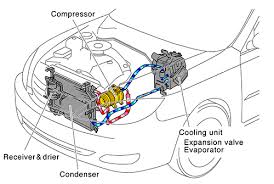

How Does a Car Air Conditioning System Work?
A car air conditioning system operates on a refrigeration cycle that removes heat from the cabin and releases it outside the vehicle.
1. Compressor
The A/C compressor is the heart of the system. It compresses low-pressure refrigerant into high-pressure gas and sends it to the condenser, allowing the cooling cycle to begin.
2. Condenser
The A/C condenser cools the hot refrigerant gas and converts it into a high-pressure liquid before it moves through the system.
3. Expansion Valve / Orifice Tube
The expansion valve regulates refrigerant flow while reducing its pressure, allowing it to cool before entering the evaporator.
4. Evaporator
Located behind the dashboard, the evaporator absorbs heat from the cabin air. As refrigerant evaporates, it cools the air before it is circulated through the vents.
5. Blower Fan
The blower fan pushes cooled air through the cabin vents and allows drivers to control airflow using different fan speeds.
6. Refrigerant
Modern vehicles commonly use R-134a or R-1234yf refrigerant, which continuously circulates through the system to transfer heat.
7. Receiver-Drier / Accumulator
This component removes moisture and contaminants from the refrigerant, helping protect the entire car AC system.
Key Auto Parts Used in Car AC Systems
A car with AC depends on several important automotive AC parts working together.
1. A/C Compressor
The compressor circulates refrigerant throughout the system. A failed compressor usually results in poor or no cooling.
2. A/C Condenser
The condenser releases heat from the refrigerant. Dirt or debris can reduce its efficiency, making regular cleaning important.
3. Expansion Valve / Orifice Tube
This part controls refrigerant flow. A faulty valve may cause inconsistent cooling and fluctuating vent temperatures.
4. Evaporator Coil
The evaporator coil absorbs heat inside the cabin. Keeping it clean improves cooling efficiency and airflow.
5. Cabin Air Filter
The cabin air filter removes dust, pollen, and pollutants while maintaining healthy airflow. Replace it every 12,000–15,000 miles or as recommended by the manufacturer.
6. Refrigerant Lines and Hoses
These carry refrigerant between system components. Damaged hoses or leaks reduce cooling performance and should be repaired promptly.
Common Problems with Cars That Have AC
Even a well-maintained car AC system can develop issues over time.
1. Warm Air from the Vents
Common causes include:
Low refrigerant levels
Compressor failure
Faulty expansion valve
2. Strange Noises
Grinding, squealing, or rattling sounds may indicate:
Compressor damage
Debris inside the blower fan
3. Refrigerant Leaks
Leaks from hoses, seals, or the compressor reduce cooling performance and require professional repair.
4. Bad Odors from the Vents
Mold or bacteria inside the evaporator or a dirty cabin air filter often cause unpleasant smells.
Maintenance Tips for Cars with AC
Proper maintenance extends the life of your car AC system and improves cooling efficiency.
1. Replace the Cabin Air Filter
Install a new filter at recommended intervals to maintain airflow and clean cabin air.
2. Check Refrigerant Levels
Low refrigerant reduces cooling performance. If levels continue dropping, inspect the system for leaks.
3. Clean the Condenser
Remove dirt, leaves, and debris from the condenser to improve airflow and cooling efficiency.
4. Run the AC Regularly
Operate the AC for 10–15 minutes every few weeks, even during winter, to keep seals lubricated and maintain compressor performance.
Conclusion
A properly maintained car with AC delivers year-round comfort, improved driving experience, and better system reliability. Understanding the function of major car AC parts—including the compressor, condenser, evaporator, expansion valve, and refrigerant—helps you recognize problems early and reduce costly repairs.
Whether you need premium car AC spare parts, automotive cooling components, or reliable replacement solutions, Air Green Corporation offers high-quality products designed for durability, efficiency, and long-lasting performance. Regular maintenance and quality components ensure your car air conditioning system continues delivering powerful cooling in every season.