
A properly functioning car A/C compressor is the heart of every automotive air conditioning system. It circulates refrigerant, maintains system pressure, and ensures your vehicle delivers cool, comfortable air even during the hottest weather. If your car AC is not cooling efficiently, the compressor is often one of the first components to inspect.
At Air Green Corporation, we supply premium-quality automotive AC parts designed to deliver reliable performance and long-lasting durability. This guide explains how a car A/C compressor works, common problems, maintenance tips, and when replacement becomes necessary.
What Is a Car A/C Compressor?
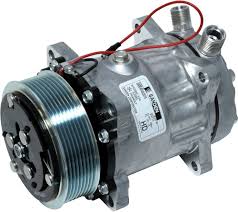
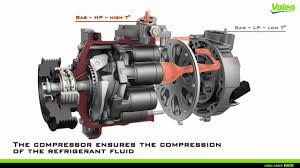
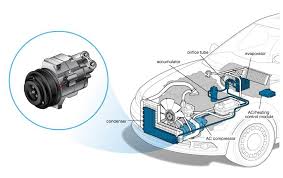
The car A/C compressor is the primary component responsible for compressing and circulating refrigerant throughout the vehicle air conditioning system. It draws low-pressure refrigerant from the evaporator, compresses it into a high-pressure gas, and sends it to the condenser, where heat is released before the cooling cycle continues.
Without a properly functioning AC compressor, your car air conditioning system cannot produce cold air.
How Does a Car A/C Compressor Work?
The compressor receives low-pressure refrigerant gas from the evaporator and compresses it into a high-pressure, high-temperature gas. The refrigerant then flows to the condenser, where it cools and changes into a liquid before continuing through the expansion valve and evaporator.
The compressor operates using either a clutch mechanism or a variable displacement system that engages only when cooling is required.
Components of a Car A/C Compressor
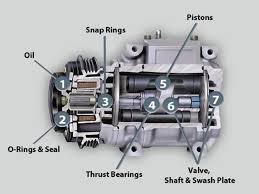
Clutch or Electromagnetic Clutch
Engages and disengages the compressor whenever the car AC is switched on or off.
Compressor Pulley
Transfers engine power to the compressor using the drive belt.
Suction and Discharge Ports
The suction port receives low-pressure refrigerant, while the discharge port delivers compressed refrigerant to the condenser.
Piston and Cylinder
Compress the refrigerant to create the pressure needed for effective cooling.
Valve Plate
Controls refrigerant flow throughout the compressor.
Compressor Oil
Lubricates internal components to reduce wear and improve performance.
Types of Car A/C Compressors
Reciprocating Compressors
These compressors use pistons moving inside cylinders to compress refrigerant. They are widely used in many passenger vehicles.
Rotary Compressors
Rotary compressors use rotating elements instead of pistons, offering quieter operation and improved efficiency.
Scroll Compressors
Scroll compressors use two spiral-shaped components to compress refrigerant smoothly with less vibration and higher efficiency.
Variable Displacement Compressors
These advanced compressors automatically adjust refrigerant flow according to cooling demand, improving fuel efficiency and reducing engine load.
Common Car A/C Compressor Problems
Compressor Clutch Failure
A faulty clutch prevents the compressor from engaging, resulting in poor or no cooling.
Refrigerant Leaks
Leaks reduce refrigerant levels, causing weak cooling and placing additional strain on the compressor.
Dirty or Clogged Compressor
Dust, debris, and contaminants can reduce compressor efficiency and affect cooling performance.
Electrical Problems
Faulty relays, blown fuses, damaged wiring, or failed sensors may stop the compressor from operating.
Worn Bearings and Seals
Damaged bearings and seals often produce grinding or squealing noises and may lead to refrigerant leakage.
Compressor Overheating
Low refrigerant, insufficient lubrication, or poor airflow can cause the compressor to overheat and eventually fail.
How to Maintain Your Car A/C Compressor
Check Refrigerant Levels Regularly
Maintaining the correct refrigerant level helps prevent compressor damage and improves car AC performance.
Keep the AC System Clean
Regularly clean the condenser and replace the cabin air filter to improve airflow and cooling efficiency.
Run the AC Throughout the Year
Operate the vehicle air conditioner for 10–15 minutes every few weeks to keep seals lubricated and prevent compressor damage.
Inspect for Refrigerant Leaks
Check for oil stains, damaged hoses, or leaking connections around the compressor and repair leaks promptly.
Maintain Proper Lubrication
Always use the correct compressor oil recommended for your vehicle to reduce wear and extend compressor life.
When Should You Replace Your Car A/C Compressor?
Unusual Noises
Grinding, squealing, or clicking noises often indicate internal compressor failure.
Poor Cooling Performance
If the car AC continues blowing warm air even after refrigerant servicing, the compressor may require replacement.
Refrigerant Leaks
Persistent leaks around the compressor housing usually indicate worn internal seals that often require compressor replacement.
Complete A/C System Failure
If the compressor no longer engages or circulates refrigerant, replacing the compressor is often the most effective solution.
Conclusion
The car A/C compressor is one of the most important components of your automotive air conditioning system. Regular maintenance, timely inspections, and early repairs help maximize cooling performance and extend the life of the entire car AC system. Whether you need a replacement A/C compressor, condenser, evaporator, refrigerant, or other automotive AC parts, Air Green Corporation offers high-quality solutions to keep your vehicle cool, efficient, and reliable in every season.