Automotive Air Conditioning Service: Everything You Need to Know
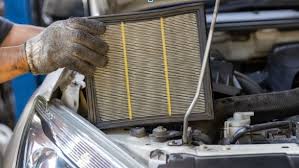
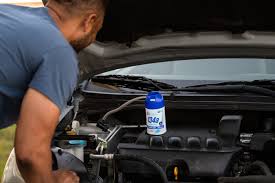
When the temperature starts rising, nothing beats the comfort of a cool, clean ride. Your car’s air conditioning (AC) system is essential for keeping that comfort going, but like every other vehicle system, it needs regular attention and maintenance to keep it working at its best. A well-maintained car air conditioning system not only keeps your vehicle cool, but also extends the life of its components, improves cabin air quality, and reduces the risk of costly repairs down the road. In this complete guide, brought to you by Air Green Corporation, we’ll cover everything you need to know about automotive air conditioning service, including why it matters, the most common AC problems, and the benefits of regular maintenance. Whether you’re looking to keep your system running smoothly or need help diagnosing an AC issue, this guide is packed with useful information to help you understand car AC service from top to bottom. Contact Us What is Automotive Air Conditioning Service? Automotive air conditioning service refers to the routine maintenance, inspection, and repair of a vehicle’s air conditioning system to ensure it operates efficiently and effectively. Like every other component in your car, your AC system needs regular servicing to function properly. At Air Green Corporation, this service typically includes checking refrigerant levels, inspecting for leaks, cleaning the system, replacing filters, and making sure all components are working as they should. The primary goal of automotive AC service is to ensure the system delivers maximum cooling performance, clean air, and long-term reliability. Why is Automotive Air Conditioning Service Important? Regular servicing of your vehicle’s air conditioning system matters for several reasons: Maintaining Cooling Performance One of the most important reasons for regular AC servicing is to make sure your system cools the car effectively. A poorly functioning AC can cause warm air to blow from the vents, reduced cooling performance, or complete failure during hot weather, making the car uncomfortable to drive. Improving Air Quality Air conditioning systems help filter the air inside the cabin, removing dust, pollen, and other contaminants that could affect your health. Over time, dirt and debris can build up in the AC system, leading to poor air quality. Regular servicing helps keep the system clean and improves the air quality inside your vehicle. Extending the Life of Your AC System Like any other system in your car, your AC system needs regular care to extend its lifespan. By catching minor issues early, you can prevent costly repairs or system failure down the line. Energy Efficiency A well-maintained AC system runs more efficiently, using less energy and reducing fuel consumption. Over time, neglecting your AC system can lead to poor performance and higher fuel costs. Preventing Costly Repairs Regular servicing helps identify and fix minor problems before they turn into bigger, more expensive issues. For example, low refrigerant levels or a small leak could lead to complete AC failure if not addressed early. Key Components of an Automotive Air Conditioning System Understanding your vehicle’s AC system is important for understanding how regular service keeps it running smoothly. The main components of an automotive air conditioning system include: Compressor The compressor is the heart of the AC system. It pressurizes the refrigerant and circulates it through the system. The compressor is driven by the engine and powered by a belt. Condenser The condenser cools the refrigerant gas coming from the compressor and turns it into a liquid. It’s located at the front of the vehicle, often near the radiator, to take advantage of airflow. Evaporator The evaporator is located inside the vehicle and absorbs heat from the air in the cabin. As the refrigerant passes through the evaporator, it evaporates into a gas and cools the air in the process. Expansion Valve The expansion valve regulates the flow of refrigerant into the evaporator. It reduces the pressure of the refrigerant, allowing it to expand and absorb heat more effectively. Refrigerant Refrigerant is the substance that circulates through the AC system, absorbing heat from the vehicle’s cabin and releasing it outside. There are different types of refrigerants used in modern AC systems, with R-134a and R-1234yf being the most common. Blower Motor The blower motor pushes air over the evaporator coil and into the cabin. It helps distribute the cool air throughout the vehicle. The fan’s speed can be adjusted to control airflow. Receiver-Drier or Accumulator This component filters moisture and contaminants from the refrigerant to prevent damage to the system. It also stores excess refrigerant and ensures it flows smoothly through the system. Common Problems with Automotive Air Conditioning Systems Understanding the common problems that can arise with your air conditioning system can help you catch issues early and get the necessary service from Air Green Corporation before things escalate. Here are a few common problems that often require air conditioning service: Low Refrigerant Levels One of the most common causes of poor AC performance is low refrigerant levels. Refrigerant can leak over time due to damaged seals, hoses, or worn components. If the refrigerant level is low, the AC system won’t be able to cool the air properly. Clogged Air Filter A dirty or clogged air filter can restrict airflow into the system, reducing cooling performance and air quality inside the vehicle. Replacing the air filter during routine service is important for maintaining proper airflow. Compressor Failure The compressor is a critical part of the AC system. If it fails, the system won’t cool the air. Compressor issues can be caused by low refrigerant, electrical failure, or mechanical problems. Leaking Refrigerant Leaks in the refrigerant lines can cause refrigerant loss, leading to a decrease in cooling performance. Leaks are often caused by cracks or worn-out seals and require professional repair to prevent further damage. Faulty Pressure Switch The pressure switch monitors the pressure of the refrigerant inside the system. If the switch fails, it can prevent the compressor from running or cause it to cycle on and off, disrupting the cooling process. Blower Motor Problems A malfunctioning blower motor can result in weak
Automotive Air Conditioning Service: Everything You Need to Know Read More »