Excavator AC Parts & Compressors: Complete Guide for Construction Machinery
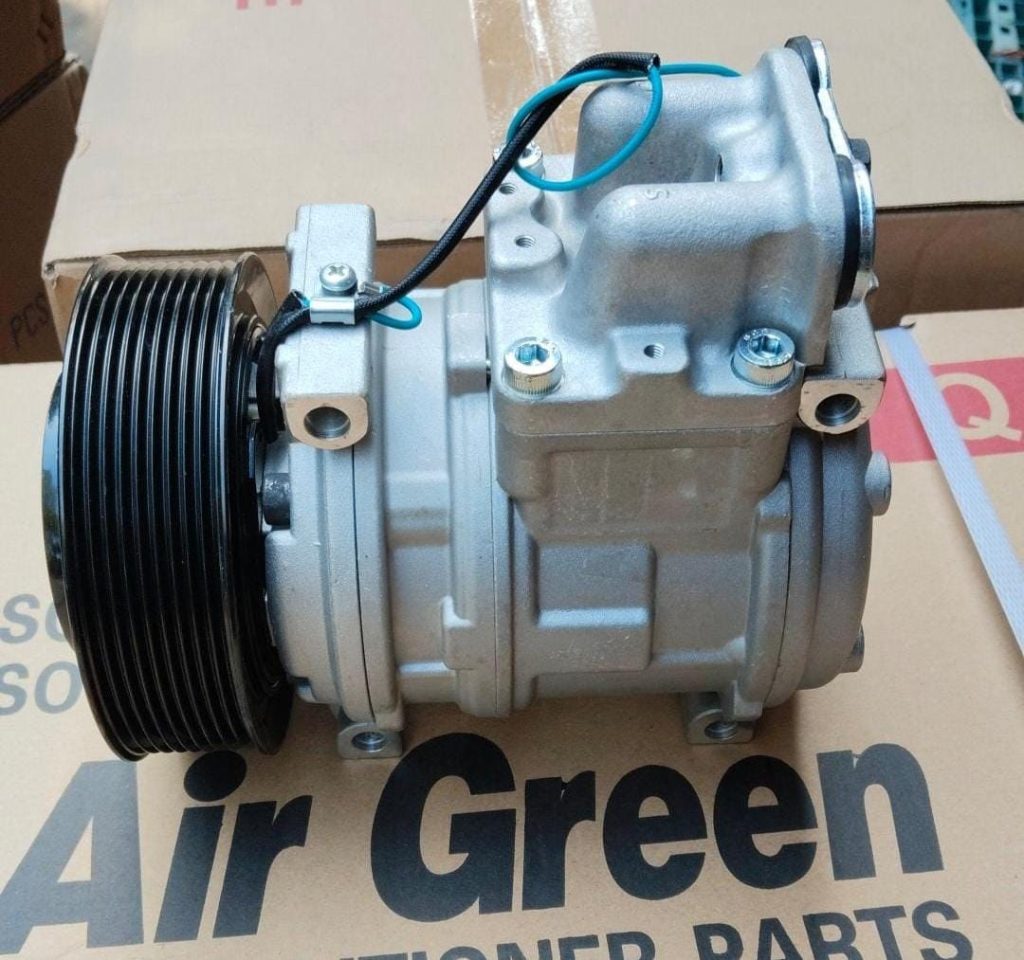
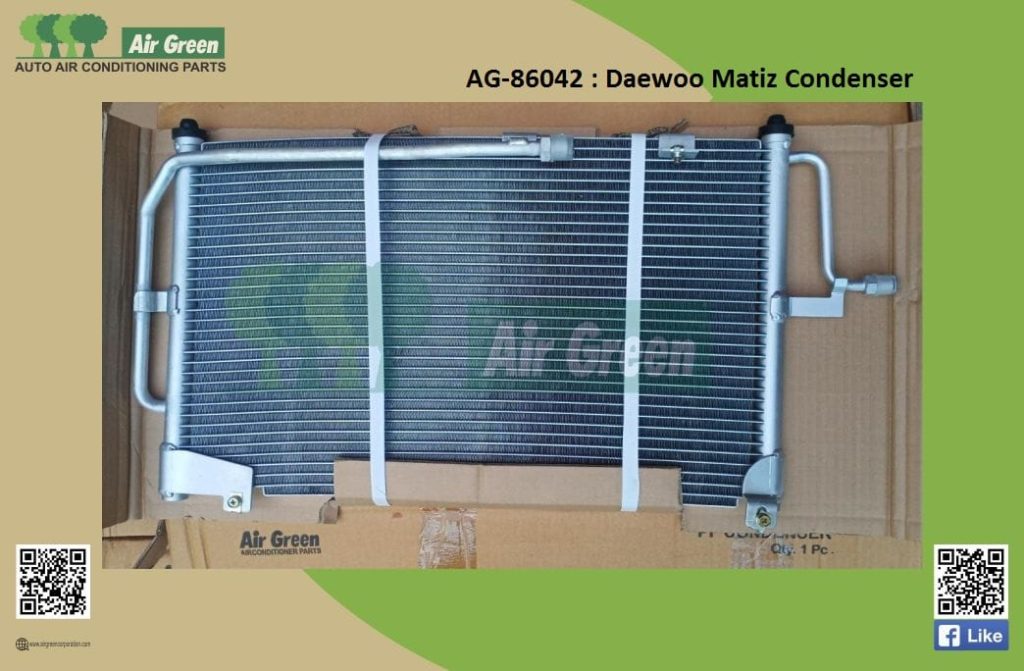
By Airgreen Corporation — Manufacturers & Suppliers of Auto Parts and Automotive AC Components At Airgreen Corporation, we work as manufacturers and suppliers of auto parts, with dedicated expertise in construction equipment air conditioning. Excavators operate in some of the harshest working environments — dusty sites, direct sun, and long continuous shifts — making a dependable cabin AC system essential for operator comfort and productivity. This guide covers every major excavator AC component, common failure points, and how to choose the right replacement. Contact Us Why AC Matters in Excavators Excavator operators often work 8–12 hour shifts inside sealed cabins, digging, lifting, and maneuvering in high-heat, high-dust environments. A properly functioning AC system directly impacts: Operator alertness and fatigue during long shifts Safety during precision digging and lifting operations Site productivity, especially in summer months and dusty terrain Because excavator cabins are more enclosed than open-platform machinery, AC failure has an outsized impact on operator comfort compared to other equipment types. Core Excavator AC Components 1. Excavator AC Compressor The compressor circulates refrigerant through the AC loop. Excavators commonly use heavy-duty compressors (Sanden SD7 series and similar off-highway rated units) mounted on the engine bay, built to handle continuous vibration and dust exposure. Signs of a failing excavator AC compressor: Warm air from cabin vents despite AC running Grinding, clicking, or squealing noise from the compressor AC clutch not engaging Refrigerant oil leaks around compressor seals Repeated refrigerant loss with no visible external leak 2. Excavator AC Condenser Releases heat absorbed by the refrigerant. Excavator condensers are typically mounted near the engine bay or rear of the machine and are heavily exposed to dust, mud splash, and debris. Common issues: Clogged fins from dust and debris buildup, reducing cooling efficiency Physical damage from worksite debris Leaks at fitting connections from continuous vibration 3. Excavator AC Evaporator Located inside the cabin, the evaporator cools air before it circulates to the operator. Common issues: Reduced airflow from a dirty evaporator core Musty odors from mold/bacteria buildup Water leakage into the cabin from a blocked drain line 4. Expansion Valve / Orifice Tube Regulates refrigerant flow into the evaporator. A faulty valve causes uneven or reduced cooling. 5. Receiver Drier / Accumulator Filters moisture and contaminants from the refrigerant circuit — critical in dusty excavation environments where contamination risk is higher. 6. Cabin Air Filters Reduce dust ingress before air reaches the evaporator. Neglected filters reduce both airflow and cooling performance significantly on excavation sites. Excavator AC Applications by Brand Brand/Type AC System Notes JCB Excavators Cabin-mounted AC with engine-driven compressor Tata Hitachi Excavators Standard cabin AC across mini and large excavator ranges L&T Komatsu Excavators Heavy-duty AC units for extended operating hours Mini Excavators Compact AC systems suited to smaller cabin volumes Always confirm the exact compressor model and machine variant before ordering — excavator AC configurations vary across engine options and production years, even within the same model line. Common Excavator AC Problems & Causes Problem Likely Cause Warm air despite AC running Faulty compressor, low refrigerant, worn clutch Weak airflow in cabin Clogged evaporator or dirty cabin air filter AC cools slowly on hot days Clogged condenser fins from dust/mud buildup Water leaking inside cabin Blocked evaporator drain line Musty smell from vents Mold/bacteria buildup on evaporator coil Frequent refrigerant loss Leaks at condenser, hoses, or compressor seals from vibration Maintenance Tips for Excavator AC Systems Clean condenser fins frequently — dusty and muddy sites clog condensers faster than road-going vehicles. Replace cabin air filters regularly, especially during dry-season or high-dust excavation work. Check refrigerant levels each season, particularly before peak summer operation. Inspect compressor mounts and belts for wear caused by continuous digging vibration. Flush evaporator drain lines periodically to prevent cabin water leakage. Use verified OEM or OEM-grade compatible parts to avoid repeat AC failures common with mismatched components. OEM vs Aftermarket Excavator AC Parts OEM excavator AC parts guarantee exact fitment and are built to original equipment specification — the safer choice for compressors and sealed system components. Aftermarket/compatible excavator AC parts offer a cost-effective alternative for routine maintenance and older machines, provided they’re sourced from a verified auto parts manufacturer with confirmed fitment data. As manufacturers and suppliers of auto parts, Airgreen Corporation supplies excavator-compatible AC compressors, condensers, evaporators, and related components, helping equipment owners, rental fleets, and workshops source reliable, fitment-accurate parts. Frequently Asked Questions What type of compressor does an excavator use? Excavators commonly use heavy-duty AC compressors such as Sanden SD7 series units, built to withstand continuous vibration, dust exposure, and off-highway operating conditions. Why does excavator AC stop cooling in summer? The most common cause is a dust or mud-clogged condenser reducing heat dissipation, followed by low refrigerant levels or a worn compressor clutch. How often should excavator cabin air filters be replaced? Cabin air filters should be checked regularly and replaced every 200–500 operating hours depending on dust exposure, with more frequent checks needed in high-dust excavation sites. Can I use aftermarket AC parts on my excavator? Yes, as long as the component matches the required specification and mounting configuration, and is sourced from a verified auto parts manufacturer or supplier. Do all excavators come with factory-fitted AC? Most modern enclosed-cabin excavators come standard with AC, while older or open-cabin models may not — retrofitting is possible but requires matching components to the specific cabin design. Why Choose Airgreen Corporation Airgreen Corporation is a trusted name among manufacturers of auto parts, extending our automotive AC expertise into construction equipment applications. Our excavator AC product range includes: Excavator-compatible AC compressors (Sanden and off-highway rated units) Condensers and evaporators for mini and large excavators Expansion valves, receiver driers, and cabin air filters Complete AC spare parts support for construction equipment fleets Whether you’re an equipment owner, rental fleet operator, or workshop, Airgreen Corporation provides fitment-accurate, quality-tested excavator AC parts backed by manufacturing expertise. Looking for reliable excavator AC parts — compressors, condensers, or evaporators? Airgreen Corporation — manufacturers and suppliers of auto
Excavator AC Parts & Compressors: Complete Guide for Construction Machinery Read More »