Everything You Need to Know About Car AC Charge: A Complete Guide to Maintaining Your Vehicle’s Climate Control System
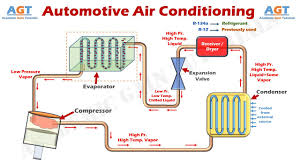
Introduction As the summer heat kicks in, a functioning vehicle air conditioning (AC) system becomes essential for comfort while driving. One of the key elements that ensures the smooth operation of your car’s AC system is the proper charge of refrigerant. Without the right level of refrigerant, your vehicle’s AC will struggle to cool the cabin, potentially leading to costly repairs and uncomfortable driving experiences. In this comprehensive guide, we will explore everything you need to know about car AC charging, including what it is, why it’s important, how to detect if your system needs a recharge, and how to maintain it for top-quality performance. What is Car AC Charge? A car AC charge refers to the process of adding refrigerant (also known as Freon) to the air conditioning system to maintain the optimal pressure levels required for the system to function correctly. The refrigerant in the AC system absorbs heat from the air in the cabin and expels it outside, creating a cool, comfortable environment for passengers. Refrigerant levels naturally drop over time due to minor leaks or regular system use, and when they get too low, the AC system may not cool as effectively. Car AC charging replenishes the refrigerant, ensuring that the system continues to function at its best. Why is a Proper Car AC Charge Important? A well-charged AC system ensures that your vehicle’s climate control system operates efficiently. Here are some key reasons why maintaining your car’s AC charge is important: 1. Improved Cooling Efficiency The primary function of your car’s AC system is to cool the cabin. If the refrigerant level is low, the system won’t be able to absorb and expel heat effectively, lowering overall cooling performance. With the right charge, the system works efficiently, keeping your car cool and comfortable. 2. Preventing System Damage When the refrigerant levels are low, it can place unnecessary strain on the compressor and other components of the AC system. Over time, this can cause damage, which could result in costly repairs or the need for a complete replacement of components like the compressor, condenser, or evaporator. 3. Energy Efficiency and Fuel Economy A well-maintained AC system that is charged properly will use much less energy. When the refrigerant is low, the system has to work harder to cool the cabin, which can result in a decrease in fuel efficiency. A properly charged system ensures the AC works efficiently, without drawing excessive energy from the engine. 4. Better Air Quality Your vehicle’s AC system also helps with airflow. When the system is properly charged, it filters the air and provides better airflow within the cabin. A low refrigerant level can reduce the effectiveness of the filtration system, potentially leading to poor air quality inside the vehicle. Signs That Your Car Needs an AC Recharge If you notice any of the following signs, your car may need an AC recharge: 1. Warm Air Blowing from the Vents The most obvious sign that your vehicle’s AC may need a recharge is when the system blows warm or lukewarm air, even though the air conditioning is turned on. This often indicates that the refrigerant level is low, and the system can no longer cool the air effectively. 2. Weak Airflow If the air coming from the vents is weak or inconsistent, it may indicate that the refrigerant level is low, or there’s an issue with the system’s pressure. This is often a sign that the compressor isn’t receiving enough refrigerant to function properly. 3. Unusual Noises When the AC system operates with insufficient refrigerant, it may cause the compressor to make unusual noises, such as squealing or grinding. This can be a sign of internal damage caused by low refrigerant, and you should have it checked immediately. 4. Ice Formation on the AC Components Low refrigerant can cause the evaporator coils to freeze, as the system struggles to absorb heat. If you notice ice forming on the evaporator or other components of the AC system, it may indicate that the refrigerant charge is insufficient. 5. Foul Smell from the Vents If your AC begins emitting an unpleasant, musty odor, it can be due to the buildup of bacteria or mold within the system. While this could be due to a clogged filter or mold growth, low refrigerant levels can contribute to improper airflow, leading to poor air flow and odors. 6. AC Compressor Cycling On and Off If the compressor in your AC system is turning on and off rapidly, this may indicate that the refrigerant levels are low, causing the system to function inefficiently. This cycling can cause strain on the compressor, which could result in premature failure. How to Check If Your Car AC Needs a Charge Before recharging your vehicle’s AC system, it’s important to verify whether or not it actually needs a recharge or if there are different issues at play. Here are a few steps you can take to check the refrigerant level: 1. Check the AC Pressure You can use an AC manifold gauge set to measure the pressure in your system. A reading that is lower than the recommended range may suggest that the refrigerant level is low. If you are not familiar with using these tools, it’s best to have a professional technician perform this check. 2. Look for Leaks Over time, small leaks can develop in the AC system. If you suspect a refrigerant leak, look for signs of oil or dye near the AC components. If the system has a significant leak, it may not be worth simply recharging it without fixing the leak first. 3. Listen for the Compressor Clutch The AC compressor clutch engages when the system activates. If you hear a clicking sound when you turn on the AC, but the system isn’t blowing cold air, it could indicate a refrigerant issue. It’s best to inspect the compressor to determine if low refrigerant is the cause. How to Recharge Your Car’s AC System Recharging a vehicle’s