
There are few things more uncomfortable than sitting in a car on a hot day with the air conditioning (A/C) blowing warm air instead of a cool breeze. A malfunctioning A/C can be a major inconvenience, especially during the sizzling summer months. If your vehicle’s A/C system is blowing hot air, it’s essential to understand the root cause of the problem and how to solve it.


In this detailed guide, we’ll explore the common reasons why your car A/C might be blowing hot air, how to diagnose the problem, and what you can do to fix it. Whether you’re a DIY enthusiast or you plan to seek professional help, this article will provide you with all the information you need to address the issue.
Common Causes of Hot Air Blowing from Your Car’s A/C
There are several potential reasons why your vehicle’s A/C might stop cooling the air efficiently and start blowing hot air instead. Understanding these reasons will help you pinpoint the problem and determine the right solution.
1. Low Refrigerant Levels
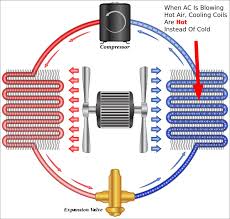
The most common cause of a vehicle’s A/C blowing hot air is low refrigerant levels. The refrigerant is the substance that absorbs heat from inside the cabin and expels it outside. If your A/C system is low on refrigerant, it won’t be able to cool the air properly, leading to warm air blowing from the vents.
Why does refrigerant get low?
There are several reasons why your refrigerant levels may be low:
- Leaks in the A/C system: Over time, the seals within the A/C system may wear out, causing refrigerant to leak. Small leaks can often go unnoticed but gradually reduce the refrigerant levels.
- Evaporation: Refrigerant can slowly evaporate over time, particularly if it’s not properly sealed in the system.
- Improper charging: If the A/C system was improperly charged in the past, it may not have the right amount of refrigerant, leading to cooling problems.
Solution:
If you suspect low refrigerant levels, the first step is to have the A/C system inspected by a professional mechanic. If there’s a leak, it will need to be located and repaired before the system can be recharged with refrigerant. In some cases, you can recharge the system yourself using a refrigerant top-off kit, but make sure to follow the manufacturer’s guidelines carefully.
2. A/C Compressor Failure
The A/C compressor is responsible for circulating the refrigerant through the A/C system. It pressurizes the refrigerant and sends it through the condenser to be cooled. If the compressor fails or malfunctions, it won’t be able to circulate the refrigerant properly, which can result in warm or hot air blowing from the vents.
Signs of a Bad A/C Compressor:
- Strange noises: If the compressor is failing, you might hear unusual noises such as grinding, rattling, or squealing sounds when the A/C is turned on.
- Clutch not engaging: The A/C compressor has a clutch that engages when the A/C is turned on. If this clutch fails, the compressor won’t be able to circulate the refrigerant.
Solution:
A failed compressor needs to be replaced. Replacing the compressor is a labor-intensive process, and it’s often best left to professionals. Make sure to also check for other issues such as leaks within the system, as replacing the compressor alone may not solve the problem if there are other underlying issues.
3. Faulty Condenser
The condenser is responsible for releasing the heat from the refrigerant once it has been compressed. It cools the refrigerant down by transferring the heat to the outside air. If the condenser is blocked or damaged, it won’t be able to properly cool the refrigerant, and the A/C will blow hot air.
Common Causes of Condenser Issues:
- Debris or dirt buildup: The condenser is located at the front of the vehicle, and road debris, dirt, or leaves can block the airflow to the condenser, preventing it from cooling the refrigerant effectively.
- Physical damage: The condenser can be damaged by rocks, road debris, or accidents. Even small cracks can lead to a significant drop in performance.
Solution:
First, inspect the condenser for visible signs of debris, dirt, or damage. You can clean the condenser using a soft brush or a hose, but avoid applying high-pressure water directly to the condenser, as this could cause further damage. If you notice any cracks or significant damage, the condenser will need to be replaced.
4. Faulty Expansion Valve or Orifice Tube
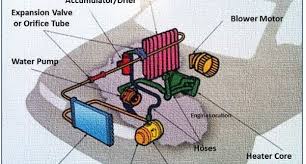
The expansion valve or orifice tube regulates the flow of refrigerant into the evaporator. If either of these components malfunctions, it can result in incorrect refrigerant flow, causing the A/C to blow warm air instead of cold.
Signs of a Faulty Expansion Valve:
- Inefficient cooling: If the expansion valve is malfunctioning, the refrigerant may not be properly regulated, causing the evaporator to freeze up or the system to blow warm air.
- Temperature fluctuations: You may also notice that the air temperature fluctuates as the system struggles to maintain a proper refrigerant flow.
Solution:
If you suspect an issue with the expansion valve or orifice tube, you’ll need to have the system diagnosed by a professional. In most cases, the expansion valve or orifice tube will need to be replaced, as these are small components that are difficult to repair.
5. Blower Motor Problems
The blower motor is responsible for blowing air through the A/C system and into the cabin. If the blower motor fails or malfunctions, it can cause air to not flow properly, leading to reduced cooling performance or no air blowing at all. In some cases, the A/C may still blow hot air due to poor airflow through the evaporator.
Signs of a Bad Blower Motor:
- No air blowing from vents: If you turn on the A/C and no air comes out of the vents, the blower motor may be defective.
- Weak airflow: If the airflow is weak even when the A/C is on full blast, the blower motor may not be functioning properly.
Solution:
If you suspect the blower motor is the issue, inspect the motor for any signs of wear and tear or damage. If the motor is faulty, it will need to be replaced. Depending on your vehicle model, the blower motor replacement process may involve removing parts of the dashboard or the HVAC system.
6. Electrical Issues
Sometimes, the problem with your vehicle’s A/C blowing warm air is related to electrical issues such as a blown fuse or faulty wiring. The A/C system relies on a complex network of electrical connections to operate the compressor, blower motor, and other components. If there’s an electrical failure, it can prevent the A/C from cooling the air properly.
Signs of Electrical Issues:
- A/C system not turning on: If the A/C system doesn’t activate at all, it could be due to a blown fuse or faulty wiring.
- Inconsistent cooling: If the A/C intermittently stops cooling or fluctuates between warm and cold air, there may be an electrical issue causing inconsistent operation.
Solution:
If you suspect an electrical problem, start by checking the A/C fuse and any relays. If they appear damaged, replace them. If you’re unsure of where to locate the fuse or how to inspect the wiring, it’s best to consult a mechanic or refer to your vehicle’s service manual.
7. Dirty or Clogged Cabin Air Filter
A clogged cabin air filter can restrict airflow into the A/C system, leading to poor cooling performance. If the filter is clogged with dirt, dust, and debris, it can prevent the A/C from circulating air properly, causing it to blow warm or hot air.
Signs of a Clogged Cabin Air Filter:
- Reduced airflow: If the airflow from the A/C vents is weak, it could be due to a clogged cabin air filter.
- Musty or unpleasant odors: A dirty filter can cause the air to smell musty or unpleasant, as it traps dust and moisture.
Solution:
Replacing the cabin air filter is a relatively simple and inexpensive fix. Depending on your vehicle model, the filter is usually located behind the glove box or beneath the dashboard. Check your car’s manual for instructions on how to locate and replace the cabin air filter.
How to Diagnose and Fix the Problem
If you’ve identified one or more of the above problems, you may be able to fix the issue yourself or take the car to a mechanic for professional repair. Here’s a simple troubleshooting guide to help you get started:
- Start with the basics: Check the A/C settings and make sure that it’s set to the right temperature and mode (A/C, recirculate, etc.).
- Check refrigerant levels: Use an A/C pressure gauge to check the refrigerant levels. If the refrigerant is low, have it recharged, and check for leaks.
- Inspect the compressor: Listen for any unusual noises coming from the compressor, and check if the clutch is engaging when you turn on the A/C.
- Examine the condenser: Look for visible damage or debris that may be blocking airflow to the condenser. Clean it if necessary.
- Check the blower motor: Ensure that air is flowing properly through the vents. If not, inspect the blower motor for issues.
Conclusion
A car’s A/C system blowing warm air instead of cold is