
Every automobile is a complex machine with hundreds of parts working in unison to ensure smooth operation and safety. Whether you’re a car enthusiast, a mechanic, or simply someone interested in understanding how your car works, knowing the auto parts names and functions of various vehicle components is essential. This detailed guide explores the most important car components, from the engine to the suspension system, brake components, electrical systems, and beyond.
In this article, we’ll break down key components, explain their functions, and provide a deeper understanding of what goes into a car. Whether you’re looking to replace a faulty part, upgrade components, or simply expand your knowledge, this guide will serve as a helpful resource.


What Are Auto Parts?
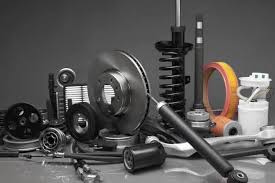
Auto parts, also referred to as car components, are the individual pieces that make up a car or any other motor vehicle. These components fall into two categories: Original Equipment Manufacturer (OEM) parts and aftermarket parts. OEM parts are made by the manufacturer of the vehicle, while aftermarket parts are produced by third-party companies.
Auto parts can range from major components like the engine and transmission to smaller pieces such as spark plugs, brake pads, and fuses. Each part plays a specific role in ensuring that the car operates smoothly, efficiently, and safely.
In this guide, we’ll offer a rundown of car parts names and their corresponding functions. From the vehicle’s powertrain to its electrical systems, understanding these components will help you keep your car in top condition.
1. Powertrain Parts
The powertrain of a vehicle is responsible for generating and transmitting power from the engine to the wheels. It consists of the engine, transmission, drivetrain, and differential.
Engine
The engine is the heart of the car, converting fuel into mechanical energy to propel the vehicle forward. The engine includes several parts that work together to generate power, including the cylinders, pistons, crankshaft, and camshaft.
Common types of engines include:
- Internal combustion engines (ICE): These engines burn fuel (petrol, diesel) to create power.
- Electric motors: Found in electric vehicles (EVs), these use electrical energy stored in batteries.
- Hybrid engines: Combine an internal combustion engine with an electric motor to improve fuel efficiency.
Transmission
The transmission is responsible for transferring power from the engine to the wheels. It adjusts the car’s speed and torque by shifting gears. There are several types of transmissions, including:
- Manual transmission: Requires the driver to manually shift gears.
- Automatic transmission: Shifts gears automatically based on speed and load.
- Continuously Variable Transmission (CVT): Provides a seamless transition between gears for better fuel efficiency.
Drivetrain
The drivetrain includes all the components that deliver power from the engine to the wheels, including the axles, differential, and CV joints. It’s divided into front-wheel drive (FWD), rear-wheel drive (RWD), and all-wheel drive (AWD) configurations.
Differential
The differential allows the wheels to rotate at different speeds, especially while turning. It ensures smooth handling by distributing power to the wheels in the most efficient way.
2. Brake System Parts
The brake system is essential for stopping your car safely. It converts kinetic energy into heat, using friction to slow down the vehicle. The key components of the brake system include:
Brake Pads
Brake pads are the friction material that presses against the rotor to slow down or stop the car. There are several types of brake pads, including:
- Ceramic: Known for quiet performance and low dust.
- Semi-metallic: Provide strong braking performance but can be noisier.
- Organic: Made from softer materials and are quiet but wear out faster.
Brake Rotors
Brake rotors are metal discs that the brake pads clamp onto to slow the car down. They’re critical in dissipating the heat generated during braking.
Brake Calipers
Brake calipers are the devices that house the brake pads and apply pressure to the rotors. They’re either floating or fixed calipers, depending on the vehicle.
Master Cylinder
The master cylinder is responsible for converting the pressure from the brake pedal into hydraulic pressure, which forces the brake pads to press against the rotors.
Brake Lines
Brake lines carry brake fluid from the master cylinder to the brake calipers and other components. These lines are typically made of steel or rubber and should be regularly inspected for leaks or wear.
3. Suspension and Steering System Parts
The suspension system keeps the car stable by absorbing shocks and supporting the weight of the vehicle. It consists of several components that work together to ensure a smooth ride.
Shock Absorbers and Struts
Shock absorbers are components that help reduce the impact of bumps and road imperfections, ensuring a smooth ride. Struts are a type of shock absorber that also provide structural support for the vehicle.
Springs
Coil springs or leaf springs are used to support the weight of the car and absorb shock from bumps. They’re essential in maintaining the vehicle’s ride height and balance.
Control Arms
Control arms are components that connect the suspension system to the frame of the vehicle. They allow the wheels to move up and down while maintaining proper alignment.
Ball Joints
Ball joints are round bearings that allow for smooth movement between suspension components, including the control arms and the steering knuckles.
Tie Rods
Tie rods are part of the steering mechanism, connecting the steering rack to the steering knuckle. They help the wheels turn as you steer the vehicle.
4. Electrical System Parts
The electrical system of a vehicle powers essential functions, including the ignition, lighting, and infotainment system. The important components of the electrical system include:
Alternator
The alternator charges the battery and powers the electrical system while the engine is running. It converts mechanical energy into electrical energy.
Battery
The battery provides the necessary electrical power to start the engine and operate the vehicle’s electrical components while the engine is off.
Starter Motor
The starter motor is responsible for turning the engine over when the ignition key is turned. It’s powered by the vehicle’s battery.
Fuses and Relays
Fuses protect the vehicle’s electrical system by breaking the circuit in case of a short or overload. Relays control the flow of electrical current to various components.
5. Cooling System Parts
The cooling system keeps the engine from overheating, maintaining an optimal running temperature. The key components of the cooling system are:
Radiator
The radiator cools the engine by dissipating heat from the coolant. It uses airflow from the car’s motion or from a fan to cool the fluid.
Water Pump
The water pump circulates coolant through the engine, radiator, and other components of the cooling system to regulate temperature.
Thermostat
The thermostat controls the temperature of the coolant, ensuring that the engine stays within the correct temperature range.
6. Exhaust System Parts
The exhaust system removes gases produced during combustion from the engine, expelling them safely out of the car. Its key components include:
Exhaust Manifold
The exhaust manifold collects exhaust gases from the engine’s cylinders and directs them into the exhaust system.
Catalytic Converter
The catalytic converter reduces harmful emissions by converting toxic gases into less harmful substances like carbon dioxide and water vapor.
Muffler
The muffler reduces the noise produced by the exhaust gases. It works using a series of chambers and perforated tubes to dampen sound.
7. Fuel System Parts
The fuel system is responsible for delivering fuel from the tank to the engine. The essential components of the fuel system include:
Fuel Tank
The fuel tank stores petrol or diesel for the engine. It’s typically made from metal or plastic and is equipped with a fuel pump.
Fuel Pump
The fuel pump transfers fuel from the tank to the engine, ensuring that the right amount of fuel is delivered at the correct pressure.
Fuel Injectors
Fuel injectors spray fuel into the engine’s combustion chamber, mixing it with air for optimal combustion.
Fuel Filter
The fuel filter removes impurities from the fuel before it reaches the engine, preventing damage to the fuel injectors and other components.
Conclusion
Understanding the various auto parts names and their functions is essential for anyone looking to maintain or repair their vehicle. Whether you’re interested in DIY car repairs or simply want to learn more about your car’s inner workings, this guide has provided a complete overview of essential car components and their functions.
Regular maintenance and timely replacement of worn-out parts can extend the life of your car, improve safety, and enhance its overall performance. Always make sure you’re using quality components, whether OEM or aftermarket, to keep your car running smoothly. By staying informed about the different parts of your vehicle, you’ll be better prepared to take care of it and enjoy a smoother, more reliable driving experience.