
When the heat of summer arrives, the Car Air Conditioning System becomes essential for staying comfortable during daily commutes and long road trips. One of the most important elements of your Car AC is the refrigerant, commonly referred to as Freon Gas. This colorless, odorless refrigerant plays a vital role in cooling the air inside your vehicle. However, over time, refrigerant can leak or become depleted, causing your Car AC to lose its cooling performance.
At Air Green Corporation, we understand the importance of a reliable automotive cooling system. This comprehensive guide explains Freon Gas for Car AC, how it works, common refrigerant problems, how to recharge your system, and how to choose the correct refrigerant for your vehicle.
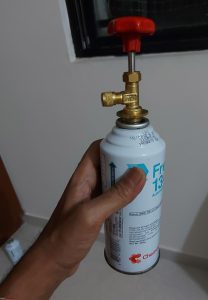

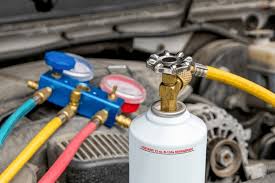

What is Freon Gas for Car AC?
Freon is a trade name that was originally used for several refrigerants commonly found in automotive air conditioning systems. Today, the term “Freon” is often used to describe the refrigerant used inside a Car AC System, although modern vehicles typically use R-134a Refrigerant or R-1234yf Refrigerant.
The refrigerant circulates throughout the Car Air Conditioning System, continuously absorbing heat from inside the cabin and releasing it outside the vehicle. This cooling cycle keeps the interior comfortable even during extremely hot weather.
Although older vehicles commonly used Freon-based refrigerants, environmental regulations have led manufacturers to adopt more eco-friendly alternatives such as R-134a and R-1234yf, which offer improved efficiency and lower environmental impact.
How Does Freon Gas Work in a Car AC System?
Understanding how Freon Gas for Car AC works helps explain why refrigerant is essential for proper cooling.
The major components of the Car Air Conditioning System include:
AC Compressor
AC Condenser
AC Evaporator
Expansion Valve
Refrigerant
Together, these components create a continuous cooling cycle.
Compression
The process begins with the AC Compressor, which compresses the refrigerant into a high-pressure, high-temperature gas.
Condensation
The hot refrigerant enters the AC Condenser, where airflow removes heat from the refrigerant. As it cools, it changes into a high-pressure liquid.
Expansion
The liquid refrigerant passes through the Expansion Valve, where pressure rapidly decreases, preparing the refrigerant for the cooling process.
Evaporation
Inside the AC Evaporator, the refrigerant absorbs heat from the passenger cabin as it evaporates back into a gas.
The cooled air is then delivered into the cabin through the dashboard vents.
Continuous Refrigeration Cycle
After absorbing cabin heat, the refrigerant returns to the compressor, and the entire process repeats continuously to maintain comfortable cabin temperatures.
Common Problems with Freon Gas in a Car AC System
Several refrigerant-related issues can reduce cooling efficiency.
Low Refrigerant Levels
Low refrigerant is one of the most common causes of poor Car AC Performance.
When refrigerant levels fall below the recommended level, you may notice:
Warm air from the vents
Weak cooling performance
Compressor cycling
Reduced cooling efficiency
Ignoring low refrigerant may eventually damage the compressor.
Refrigerant Leaks
Leaks often develop in:
Refrigerant hoses
O-rings
Compressor seals
AC Condenser
AC Evaporator
Refrigerant lines
If refrigerant continues leaking, simply recharging the system will only provide temporary improvement.
Incorrect Refrigerant
Every vehicle is designed for a specific refrigerant.
Older vehicles may use R-12 Refrigerant, while most modern vehicles require R-134a or R-1234yf.
Using the wrong refrigerant can damage the Car Air Conditioning System and reduce cooling performance.
Always verify the correct refrigerant type in your owner’s manual.
Overcharged AC System
Adding excessive refrigerant can increase system pressure and reduce cooling efficiency.
Overcharging may also damage:
AC Compressor
Expansion Valve
Seals
Refrigerant lines
Always recharge according to the manufacturer’s recommended specifications.
AC Compressor Failure
The AC Compressor circulates refrigerant throughout the system.
If the compressor fails because of wear, electrical problems, or insufficient refrigerant, the Car AC will stop cooling properly.
How to Recharge Your Car AC with Freon Gas
If refrigerant levels are low, recharging the system may restore normal cooling performance.
Step 1: Check Refrigerant Pressure
Use an AC Pressure Gauge to measure refrigerant pressure.
Always compare the reading with the pressure specifications listed in your vehicle’s owner’s manual.
Step 2: Purchase the Correct Refrigerant
Buy the refrigerant specified for your vehicle.
Most vehicles require either:
R-134a Refrigerant
R-1234yf Refrigerant
Never mix different refrigerant types.
Step 3: Connect the Recharge Kit
Connect the recharge hose securely to the Low-Pressure Service Port.
Ensure the connection is tight before adding refrigerant.
Step 4: Recharge the System
Start the engine.
Turn the Car AC to maximum cooling.
Slowly add refrigerant while monitoring the pressure gauge.
Recharge only until the recommended pressure level is reached.
Avoid overcharging.
Step 5: Test the Cooling System
Disconnect the recharge hose.
Restart the vehicle.
Operate the Car Air Conditioner and verify that cold air is flowing from the vents.
If cooling performance remains poor, further diagnosis may be required.
When to Seek Professional Help
Although refrigerant recharging is a common maintenance procedure, professional assistance is recommended if:
Refrigerant leaks continue.
The AC Compressor fails.
The system repeatedly loses cooling performance.
The condenser or evaporator becomes damaged.
Refrigerant pressure remains abnormal after charging.
Professional technicians use specialized equipment to detect leaks, recover refrigerant, and repair complex Car AC System problems safely.
Why Choose Air Green Corporation?
Air Green Corporation supplies premium-quality automotive air conditioning components designed for reliable cooling performance and long service life.
Our product range includes:
AC Compressors
AC Condensers
AC Evaporators
Expansion Valves
Receiver Driers
Blower Motors
Automotive AC Parts
Vehicle Cooling Components
Our commitment to quality and customer satisfaction makes Air Green Corporation a trusted supplier of automotive cooling solutions.
Conclusion
Freon Gas for Car AC remains one of the most important elements of a properly functioning Car Air Conditioning System. Understanding how refrigerant works, recognizing common problems, and following proper recharging procedures can help maintain excellent cooling performance throughout the year.
Regular inspections, prompt leak repairs, and using the correct refrigerant can significantly extend the life of your Car AC System. Choosing high-quality automotive air conditioning components from Air Green Corporation helps ensure dependable performance, improved efficiency, and long-lasting driving comfort.