
The automotive industry is one of the largest and most complex industries globally, with millions of vehicles manufactured and sold each year. A critical part of this industry is the auto parts manufacturers that supply the essential components and systems needed for vehicles to function smoothly and safely. Without these manufacturers, automakers would be unable to produce vehicles at the scale and performance needed to meet global demand.
In this comprehensive guide, we’ll delve into the world of auto parts manufacturers, explore their essential role in the automotive supply chain, and highlight the most common types of auto parts they produce. We’ll also examine some of the leading manufacturers in the industry, recent trends in auto parts manufacturing, and the importance of quality control in the manufacturing process.
The Role of Auto Parts Manufacturers
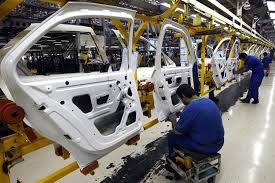
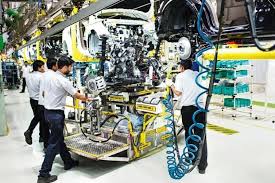
Auto parts manufacturers are the companies that design, engineer, and produce the components and systems that make up a vehicle. These manufacturers supply a wide range of parts to automakers (OEMs — Original Equipment Manufacturers) and the aftermarket industry. From the engine to the exhaust system, from the suspension to the electrical wiring, auto parts manufacturers are responsible for producing the components that make cars, trucks, and other vehicles functional.
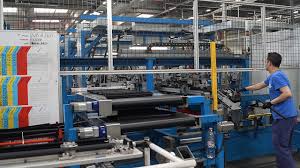
The global automotive supply chain is made up of hundreds, if not thousands, of auto parts manufacturers, many of them specializing in specific components. These manufacturers range in size from small, specialized suppliers to multinational companies with factories and operations worldwide.
Key Roles of Auto Parts Manufacturers:
- Supplying OEM Parts: OEM parts are the components that come with the vehicle when it’s first manufactured. Auto parts manufacturers produce these components to the exact specifications set by automakers.
- Supplying Aftermarket Parts: Aftermarket parts are produced for vehicles after they’ve been sold. These components are used for repairs, maintenance, or upgrades and may or may not meet the same standards as OEM parts.
- Research and Development (R&D): Auto parts manufacturers play a critical role in the R&D of new automotive technology, including electric vehicle (EV) components, autonomous vehicle systems, and hybrid powertrains.
- Ensuring Quality and Safety: Manufacturers are responsible for producing parts that meet safety, quality, and environmental standards. They must comply with strict regulations set by government agencies and industry standards.
- Supply Chain Management: Auto parts manufacturers work with a network of suppliers, distributors, and logistics companies to ensure timely delivery of parts to automakers and the aftermarket industry.
Types of Auto Parts Manufacturers
The automotive industry is highly diverse, and auto parts manufacturers specialize in producing a wide range of components. These parts can be grouped into several categories, each playing a distinct role in the operation of the vehicle. Let’s explore the primary categories of auto parts and the manufacturers involved in each one.
1. Engine and Transmission Parts Manufacturers
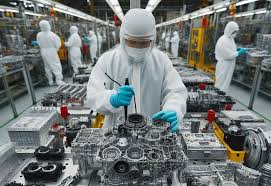
The engine and transmission are the heart of any vehicle, and the parts that make up these systems are critical to the vehicle’s performance, efficiency, and durability. Engine components include the cylinder head, pistons, camshaft, timing belt, and crankshaft. Transmission components include gears, clutches, torque converters, and differentials.
Examples of Manufacturers:
- Bosch: A leading manufacturer of auto parts, including engine control systems, fuel injectors, and turbochargers.
- ZF Friedrichshafen: Known for producing high-quality transmission systems, including automatic and manual transmissions, and drivetrain components.
2. Suspension and Steering Parts Manufacturers
The suspension system is responsible for absorbing shocks and ensuring a smooth ride, while the steering system controls the direction of the vehicle. Parts in this category include shock absorbers, springs, struts, control arms, ball joints, tie rods, and steering racks.
Examples of Manufacturers:
- Magna International: A global supplier of suspension systems and steering components.
- Tenneco: Known for its suspension components and shock absorbers.
3. Brake Parts Manufacturers
The brake system is one of the most important safety features of any vehicle. Brake parts include discs, drums, pads, shoes, master cylinders, and brake calipers. Brake manufacturers are responsible for ensuring these components meet rigorous safety and performance standards.
Examples of Manufacturers:
- Brembo: A leading manufacturer of high-performance braking systems, including brake calipers, discs, and pads.
- Akebono Brake Corporation: Known for producing high-quality brake pads and other brake system components.
4. Electrical and Electronic Parts Manufacturers
Automotive electrical and electronic systems have become increasingly complex, with many vehicles now incorporating advanced driver-assistance systems (ADAS), infotainment systems, and hybrid/electric vehicle (HEV) technologies. Manufacturers in this category produce wiring harnesses, sensors, control modules, batteries, alternators, and other electrical components.
Examples of Manufacturers:
- Denso: A leading supplier of automotive electronics, including sensors, ECUs (electronic control units), and hybrid vehicle components.
- Delphi Technologies: Known for producing a wide range of electrical components, including fuel management systems, sensors, and alternators.
5. Body and Exterior Parts Manufacturers
The body and exterior components of a vehicle are responsible for both aesthetics and functionality. This category includes parts such as doors, bumpers, fenders, windows, mirrors, and lighting systems.
Examples of Manufacturers:
- Valeo: Specializes in automotive lighting systems, wiper systems, and climate control solutions.
- Lear Corporation: Known for producing seating and electrical systems, along with interior and exterior vehicle components.
6. Exhaust and Emission Parts Manufacturers
Exhaust systems play a critical role in reducing harmful emissions from vehicles. These systems include exhaust pipes, catalytic converters, mufflers, and oxygen sensors. Emission parts are also essential for meeting environmental regulations and reducing the carbon footprint of vehicles.
Examples of Manufacturers:
- Faurecia: A major player in the development and production of exhaust systems, catalytic converters, and emission control technologies.
- Magneti Marelli: Known for producing a wide range of exhaust components and emission control systems.
7. Fuel and Cooling System Manufacturers
Fuel and cooling systems ensure that the vehicle runs smoothly by providing adequate fuel supply and temperature regulation. These components include fuel pumps, fuel injectors, radiators, and thermostats.
Examples of Manufacturers:
- Aisin Seiki: A leading producer of fuel systems, radiators, and other automotive components.
- Valeo: Specializes in automotive cooling systems, including radiators, fans, and compressors.
Leading Auto Parts Manufacturers Worldwide
The global market for auto parts is highly competitive, with several major companies dominating the industry. Below are some of the world’s leading auto parts manufacturers:
1. Bosch Group
Bosch is one of the largest and most well-known auto parts manufacturers in the world. The company produces a wide range of automotive components, including engine management systems, fuel injectors, ignition systems, and electronic components. Bosch is known for its commitment to innovation and quality and plays a key role in the development of electric and autonomous vehicle technology.
2. Denso Corporation
Denso is a Japanese company and one of the largest suppliers of auto parts globally. It manufactures a wide variety of components, including air conditioning systems, alternators, starters, sensors, and powertrains. Denso is particularly known for its focus on sustainability and the development of electric vehicle components.
3. Magna International
Magna International is a Canadian auto parts manufacturer with a large product portfolio, ranging from exterior components like bumpers and body panels to advanced technologies such as electric vehicle powertrains and autonomous driving systems. Magna is one of the largest auto parts suppliers in the world and operates in over 27 countries.
4. ZF Friedrichshafen
ZF is a German multinational that produces advanced driveline and chassis technology. The company manufactures transmission systems, steering systems, suspension components, and safety systems. ZF is also involved in the development of electric and hybrid vehicle technologies, making it a key player in the future of mobility.
5. Valeo
Valeo is a French auto parts supplier known for its innovations in lighting, wiper systems, and climate control solutions. Valeo is also at the forefront of developing technologies for autonomous vehicles, including sensor systems, radar, and vision systems.
6. Lear Corporation
Lear Corporation is a global leader in automotive seating and electrical systems. The company produces a wide range of interior and exterior vehicle components, including seating systems, electronic control units, and advanced infotainment systems.
Trends in Auto Parts Manufacturing
As the automotive industry continues to evolve, auto parts manufacturers are facing new challenges and opportunities. Here are some of the key trends shaping the future of auto parts manufacturing:
1. Electrification of Vehicles
With the growing popularity of electric vehicles (EVs), auto parts manufacturers are increasingly focusing on producing components for EVs, including battery systems, electric motors, and power electronics. Manufacturers are also investing in the development of hybrid vehicle components.
2. Autonomous Vehicles
The development of autonomous vehicles (AVs) is revolutionizing the automotive industry. Auto parts manufacturers are investing heavily in sensor systems, radar, cameras, and advanced driver-assistance systems (ADAS) that are essential for self-driving vehicles.
3. 3D Printing and Additive Manufacturing
3D printing is transforming the way auto parts are designed and manufactured. Auto parts manufacturers are using additive manufacturing to create lighter, more efficient components, and to reduce the time and cost of production.
4. Sustainability and Environmental Concerns
With growing pressure from regulators and consumers, auto parts manufacturers are focusing on sustainability. This includes reducing the environmental impact of manufacturing processes, using recycled materials, cutting energy consumption in factories, and designing components that support cleaner, more fuel-efficient vehicles.
5. Digitalization and Smart Manufacturing
Auto parts manufacturers are increasingly adopting digital tools such as the Internet of Things (IoT), data analytics, and connected factory systems to monitor production in real time, predict maintenance needs, and improve overall efficiency. This shift toward smart manufacturing is helping producers reduce downtime, catch defects earlier, and respond faster to changes in demand.
Conclusion
Auto parts manufacturers are the foundation of the global automotive supply chain, supplying the components that keep vehicles running safely, efficiently, and reliably. From engine and transmission systems to brakes, electronics, and body components, these manufacturers play a vital role in shaping every vehicle on the road today.
As electrification, autonomous driving, additive manufacturing, and sustainability continue to reshape the industry, auto parts manufacturers that invest in innovation and quality will remain essential partners to automakers and the aftermarket sector alike — powering the next generation of mobility.