
A properly functioning car A/C condenser is essential for keeping your vehicle’s air conditioning system efficient, especially during hot weather. The A/C condenser plays a vital role in removing heat from the refrigerant, allowing cool air to circulate inside your vehicle. At Air Green Corporation, we provide high-quality automotive AC parts to help maintain reliable cooling performance.



What Is an A/C Condenser?
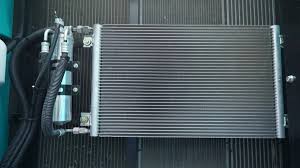
The A/C condenser is one of the most important components of a car air conditioning system. It acts as a heat exchanger that removes the heat absorbed by the refrigerant from the cabin and releases it into the outside air. It is generally located at the front of the vehicle near the radiator, where it receives maximum airflow.
The refrigerant enters the condenser as a hot, high-pressure gas. As air flows through the condenser fins, the refrigerant cools and changes into a high-pressure liquid before moving to the evaporator to continue the cooling cycle.
How the A/C Condenser Works
The AC compressor compresses the refrigerant and sends it to the condenser.
Air passes through the condenser coils, cooling the hot refrigerant.
The refrigerant changes from a high-pressure gas into a high-pressure liquid.
The liquid refrigerant moves through the expansion valve or orifice tube.
It then reaches the evaporator, where it absorbs cabin heat and delivers cool air through the vents.
Without a properly working car A/C condenser, your vehicle air conditioning system cannot cool the cabin effectively.
Signs That Your Car A/C Condenser Is Failing
Warm Air Blowing from the Vents
If your car AC blows warm air instead of cold air, the condenser may not be cooling the refrigerant properly. Low refrigerant levels or a blocked condenser are common causes.
Hissing or Bubbling Noises
Hissing or bubbling sounds often indicate a refrigerant leak caused by corrosion or damage to the condenser.
A/C Compressor Not Engaging
A faulty condenser may prevent the AC compressor from operating correctly, causing the entire cooling system to stop working.
Visible Damage to the Condenser
Inspect the condenser for:
Dents or bent fins
Rust or corrosion
Refrigerant leaks
Physical damage from road debris
Visible damage usually affects cooling efficiency and may require replacement.
Reduced Cooling During Hot Weather
If your vehicle air conditioner struggles to cool during high temperatures, the condenser may not be releasing heat efficiently.
How to Maintain Your A/C Condenser
Keep the Condenser Clean
Remove dirt, insects, and debris regularly using water or an approved cleaner. Clean condenser fins improve airflow and cooling efficiency.
Inspect for Refrigerant Leaks
Look for cracks, corrosion, or oily residue around the condenser. Address leaks immediately to prevent refrigerant loss.
Maintain Proper Airflow
Ensure the cooling fan works correctly and keep the radiator and condenser free from blockages to maintain proper airflow.
Use a Radiator Shroud
A properly installed radiator shroud directs airflow across the condenser, improving cooling performance and extending component life.
Replacing a Car A/C Condenser
Replacing a damaged car A/C condenser requires the proper tools and careful handling of the refrigerant system.
Tools Required
Replacement A/C condenser
A/C manifold gauge set
Socket and wrench set
Screwdrivers
Safety gloves and goggles
Correct refrigerant
Air compressor (optional)
Replacement Steps
Step 1: Disconnect the Battery
Turn off the engine and disconnect the battery before beginning any repairs.
Step 2: Recover the Refrigerant
Safely remove the refrigerant using approved recovery equipment before disconnecting the system.
Step 3: Remove Front Panels
Take off the grille or front covers to access the condenser.
Step 4: Disconnect Refrigerant Lines
Carefully disconnect the refrigerant pipes from the condenser using the correct tools.
Step 5: Remove the Old Condenser
Unscrew the mounting bolts and carefully remove the damaged condenser.
Step 6: Install the New Condenser
Position the new condenser, tighten the mounting bolts, and reconnect the refrigerant lines securely.
Step 7: Recharge the A/C System
Recharge the system with the correct type and quantity of refrigerant while checking pressure with an A/C manifold gauge.
Conclusion
A healthy car A/C condenser is essential for maintaining an efficient automotive air conditioning system. Regular cleaning, timely inspections, and replacing damaged components help ensure reliable cooling and extend the life of your vehicle’s AC system. Air Green Corporation offers quality automotive AC parts, including A/C condensers, compressors, evaporators, refrigerants, and other auto AC components to help keep your vehicle cool and comfortable throughout the year.