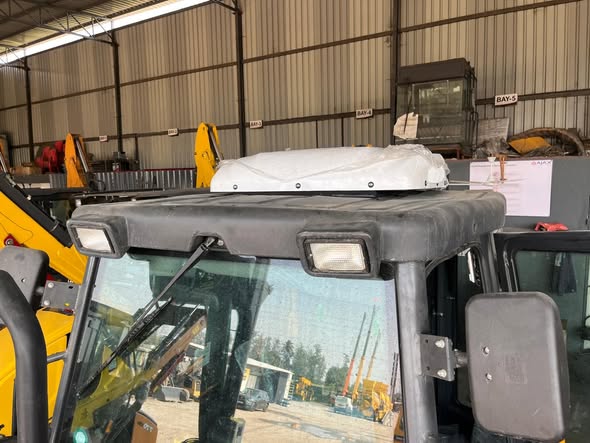
JCB AC Parts & Compressors

Tata Signa Truck AC Parts & Compressors: Complete Guide

By Airgreen Corporation — Manufacturers & Suppliers of Auto Parts and Automotive AC Components At Airgreen Corporation, we work as manufacturers and suppliers of auto parts, with strong expertise in heavy-duty commercial vehicle air conditioning. The Tata Signa range — used extensively for long-haul haulage, tippers, and tractor-trailer applications — puts serious demand on its cabin AC system through long routes, heavy loads, and continuous engine operation. This guide covers Tata Signa AC components, common failure points, and how to source the right replacement parts. Contact Us Why AC Matters in the Tata Signa Range Tata Signa trucks are built for heavy haulage and long-distance operation, often running 10+ hours a day with drivers spending extended periods in the cabin. Reliable AC directly affects: Driver alertness and fatigue on long-haul routes Comfort during extended halts and rest periods in sleeper-cab variants Overall drive productivity, especially on interstate and highway routes through hot regions Core Tata Signa AC Components 1. Tata Signa AC Compressor Circulates refrigerant through the AC loop. Signa trucks use heavy-duty compressors rated for continuous highway operation and engine vibration — commonly Sanden or Sanden-compatible heavy-duty units matched to Tata’s commercial vehicle platforms. Signs of a failing compressor: Warm air from vents despite AC running Grinding, clicking, or squealing noise from the compressor AC clutch not engaging Refrigerant oil leaks around compressor seals or fittings Repeated low refrigerant levels with no visible external leak 2. Tata Signa AC Condenser Releases heat absorbed by the refrigerant. Front-mounted near the radiator, it’s highly exposed to road dust and debris on long-haul routes. Common issues: Clogged fins reducing cooling efficiency Physical damage from road debris Leaks at seams or fitting connections 3. Tata Signa AC Evaporator Cools cabin air before circulating it through the vents. Common issues: Reduced airflow from dust/dirt buildup on the coil Musty odors from mold or bacteria growth Cabin water leakage from a blocked drain line 4. Expansion Valve, Receiver Drier & Hoses Regulate refrigerant flow and filter moisture/contaminants from the system. Hoses in Signa trucks are exposed to engine heat and constant vibration on long routes, making them prone to wear over time. Common Tata Signa AC Problems & Causes Problem Likely Cause Warm air despite AC running Faulty compressor, low refrigerant, worn clutch Weak or no airflow Clogged evaporator, failed blower motor Uneven cabin cooling Ductwork blockage, faulty expansion valve Water leaking inside cabin Blocked evaporator drain line Frequent refrigerant loss Leaks at condenser, hoses, or compressor seals AC weak at idle, strong at highway speed Weak compressor clutch or belt slippage Maintenance Tips for Tata Signa Fleet Operators Clean the condenser regularly — long-haul routes accumulate road dust and insects fast. Check refrigerant levels seasonally, especially before summer haulage routes through hot regions. Inspect hoses and fittings for wear from vibration on long-distance runs. Flush evaporator drain lines to prevent cabin water leakage and odor buildup. Use verified OEM or OEM-grade compatible parts to avoid repeat AC failures common with mismatched components on heavy-duty platforms. OEM vs Aftermarket Tata Signa AC Parts OEM Tata Signa AC parts guarantee exact fitment and are built to original specification — recommended for compressors and sealed system components given the vehicle’s heavy-duty usage. Aftermarket/compatible AC parts offer a cost-effective option for high-mileage fleet maintenance, provided they’re sourced from a verified auto parts manufacturer with confirmed fitment data. As manufacturers and suppliers of auto parts, Airgreen Corporation supplies Tata Signa-compatible AC compressors, condensers, evaporators, and related components, helping fleet operators and workshops source reliable, fitment-accurate parts for heavy-duty haulage trucks. Frequently Asked Questions What type of AC compressor does the Tata Signa use? Tata Signa trucks typically use heavy-duty compressors rated for continuous highway operation, matched to the vehicle’s commercial platform specification — always confirm the exact model number before replacement. Why does Tata Signa AC blow warm air on long routes? The most common causes are low refrigerant from a slow leak, a worn compressor clutch, or a condenser clogged with road debris after extended highway driving. How often should Tata Signa AC systems be serviced? Fleet operators typically recommend servicing at least twice a year, with condenser cleaning and refrigerant checks done more frequently for trucks in continuous long-haul operation. Can I use aftermarket AC compressors on a Tata Signa? Yes, as long as the replacement matches the required displacement, port configuration, and clutch/pulley type, and is sourced from a verified auto parts manufacturer or supplier. Why Choose Airgreen Corporation Airgreen Corporation is a trusted name among manufacturers of auto parts, specializing in automotive air conditioning systems for heavy-duty commercial vehicles. Our Tata Signa AC product range includes: Tata Signa-compatible AC compressors Condensers, evaporators, and expansion valves Receiver driers, hoses, and blower motors Complete AC spare parts support for heavy-duty haulage fleets Whether you’re a fleet operator, parts distributor, or workshop owner, Airgreen Corporation provides fitment-accurate, quality-tested Tata Signa AC parts backed by manufacturing expertise. Looking for reliable Tata Signa truck AC parts — compressors, condensers, or evaporators? Airgreen Corporation — manufacturers and suppliers of auto parts — supplies a complete range of OEM and OEM-grade AC components for heavy-duty haulage trucks. Contact us today for fleet sourcing and bulk order inquiries.

Tata Signa Truck AC Parts & Compressors: Complete Guide Read More »
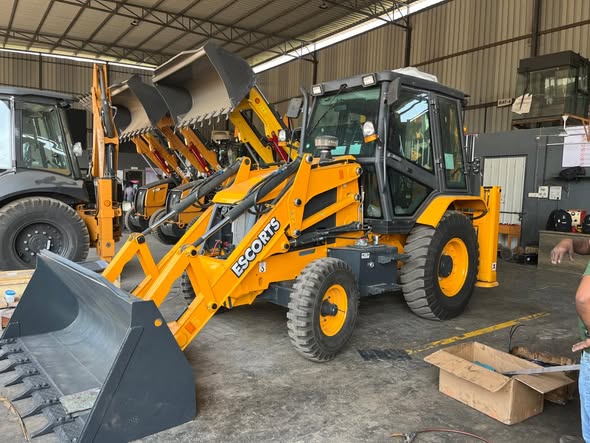
JCB AC Parts & Compressors: Complete Guide for Construction Equipment

By Airgreen Corporation — Manufacturers & Suppliers of Auto Parts and Automotive AC Components At Airgreen Corporation, we work as manufacturers and suppliers of auto parts, extending our expertise beyond cars, buses, and trucks into construction equipment air conditioning. JCB machines — backhoe loaders, excavators, and skid steers — operate in some of the toughest environments: dusty sites, direct sun, and long working hours. This guide covers everything you need to know about JCB AC parts and compressors, common failure points, and how to choose the right replacement. Contact Us Why AC Matters in Construction Equipment Unlike passenger vehicles, JCB machines are often used for 8–12 hours a day in open, dusty, high-heat environments — making a functioning AC system essential for operator comfort, alertness, and productivity. Poor cabin cooling directly affects operator fatigue and safety on construction and excavation sites, which is why JCB AC systems are built to handle: Extreme dust ingress Continuous-duty operation Engine vibration and heat Variable ambient temperatures across outdoor worksites Core JCB AC Components 1. JCB AC Compressor The compressor is the core of the cabin cooling system, compressing refrigerant and circulating it through the AC loop. JCB machines commonly use heavy-duty compressors (Sanden SD7 series and similar off-highway rated units) built to withstand constant vibration and dusty operating conditions. Signs of a failing JCB AC compressor: Warm air from cabin vents despite AC running Grinding, clicking, or squealing noise from the compressor AC clutch not engaging Refrigerant oil leaks around compressor seals Repeated refrigerant loss with no visible external leak 2. JCB AC Condenser Releases heat absorbed by the refrigerant. In construction equipment, condensers are highly exposed to dust and debris, making them prone to clogging faster than in road vehicles. Common issues: Clogged fins from dust and debris buildup, reducing cooling efficiency Physical damage from worksite debris Leaks at fitting connections due to vibration over time 3. JCB AC Evaporator Located inside the cabin, the evaporator cools the air before it’s circulated to the operator. Dust ingress through cabin seals can accelerate evaporator coil fouling. Common issues: Reduced airflow from a dirty evaporator core Musty odors from mold/bacteria buildup Water leakage into the cabin from a blocked drain line 4. Expansion Valve / Orifice Tube Regulates refrigerant flow into the evaporator. A faulty valve leads to inconsistent or reduced cooling. 5. Receiver Drier / Accumulator Filters moisture and contaminants from the refrigerant circuit. In dusty environments, contamination risk is higher, making a functioning drier especially important. 6. Cabin Air Filters JCB cabins rely on cabin air filters to reduce dust ingress before it reaches the evaporator. Neglected filters both reduce cooling performance and increase evaporator fouling. Common JCB Machines & AC Applications Machine Type AC System Notes JCB 3DX / Backhoe Loaders Standard cabin AC unit, compressor mounted on engine bay Excavators Cabin-mounted AC with roof or rear-mounted condenser Skid Steer Loaders Compact AC systems, more exposed to dust ingress Wheel Loaders Heavy-duty AC units for extended operating hours Always confirm the exact compressor model and machine variant before ordering — JCB machines can use different AC configurations across production years and engine options. Common JCB AC Problems & Causes Problem Likely Cause Warm air despite AC running Faulty compressor, low refrigerant, worn clutch Weak airflow in cabin Clogged evaporator or dirty cabin air filter AC cools slowly on hot days Clogged condenser fins from dust buildup Water leaking inside cabin Blocked evaporator drain line Musty smell from vents Mold/bacteria buildup on evaporator coil Frequent refrigerant loss Leaks at condenser, hoses, or compressor seals from vibration Maintenance Tips for JCB AC Systems Clean condenser fins frequently — dusty worksites clog condensers far faster than road use. Replace cabin air filters regularly — a clogged filter reduces both airflow and cooling efficiency. Check refrigerant levels each season, especially before peak summer operation. Inspect compressor mounts and belts — constant vibration on construction sites accelerates wear. Flush evaporator drain lines periodically to prevent cabin water leakage. Use verified OEM or OEM-grade compatible parts — mismatched components are a common cause of repeat AC failure in off-highway equipment. OEM vs Aftermarket JCB AC Parts OEM JCB AC parts guarantee exact fitment and are built to original equipment specification — generally the safer choice for compressors and sealed system components. Aftermarket/compatible JCB AC parts offer a cost-effective alternative for routine maintenance and older machines, provided they’re sourced from a verified auto parts manufacturer with confirmed fitment data. As manufacturers and suppliers of auto parts, Airgreen Corporation supplies JCB-compatible AC compressors, condensers, evaporators, and related components, helping equipment owners, rental fleets, and workshops source reliable, fitment-accurate parts for construction machinery. Frequently Asked Questions What type of compressor does a JCB use? JCB machines commonly use heavy-duty AC compressors such as Sanden SD7 series units, rated for continuous-duty operation and built to withstand vibration and dust exposure. Why does JCB AC stop cooling in summer? The most common cause is a dust-clogged condenser reducing heat dissipation, followed by low refrigerant levels or a worn compressor clutch. How often should JCB AC filters be replaced? Cabin air filters should generally be checked monthly and replaced every 200–500 operating hours depending on dust exposure at the worksite, though heavy-dust environments may require more frequent replacement. Can I use aftermarket AC parts on my JCB machine? Yes, as long as the aftermarket compressor or component matches the required specification and port configuration, and is sourced from a verified auto parts manufacturer or supplier. Why does construction equipment need such a strong AC system? Operators work 8–12 hour shifts in hot, dusty, open environments, and reliable cabin cooling is essential for comfort, alertness, and safe machine operation. Why Choose Airgreen Corporation Airgreen Corporation is a trusted name among manufacturers of auto parts, extending our automotive AC expertise into construction equipment applications. Our JCB AC product range includes: JCB-compatible AC compressors (Sanden and heavy-duty off-highway units) Condensers and evaporators for backhoe loaders, excavators, and skid steers Expansion valves, receiver driers, and cabin

JCB AC Parts & Compressors: Complete Guide for Construction Equipment Read More »

Scroll to Top