Truck AC Parts

Ashok Leyland Truck AC Parts & Compressors: Complete Guide

By Airgreen Corporation — Manufacturers & Suppliers of Auto Parts and Automotive AC Components At Airgreen Corporation, we work as manufacturers and suppliers of auto parts, with strong expertise in heavy-duty commercial vehicle air conditioning. Ashok Leyland trucks — widely used across haulage, construction logistics, and long-distance transport — depend on a durable cabin AC system to keep drivers comfortable and alert through long routes and heavy loads. This guide covers Ashok Leyland AC components, common failure points, and how to source the right replacement parts. Contact Us Why AC Matters in Ashok Leyland Trucks Ashok Leyland trucks operate across a wide range of commercial use cases — from regional haulage to long-distance interstate transport — often running 8–12 hours a day in varying climates. A reliable AC system directly affects: Driver alertness and fatigue during long routes Comfort during rest halts, especially in sleeper-cab variants Cargo protection in select refrigerated/temperature-sensitive haulage applications Core Ashok Leyland AC Components 1. Ashok Leyland AC Compressor Circulates refrigerant through the AC loop. Ashok Leyland trucks typically use heavy-duty compressors rated for continuous highway operation and engine vibration, commonly Sanden or Sanden-compatible units matched to the specific truck platform and engine variant. Signs of a failing compressor: Warm air from vents despite AC running Grinding, clicking, or squealing noise from the compressor AC clutch not engaging Refrigerant oil leaks around compressor seals or fittings Repeated low refrigerant levels with no visible external leak 2. Ashok Leyland AC Condenser Releases heat absorbed by the refrigerant. Mounted near the front of the vehicle, it’s highly exposed to road dust and debris, especially on unpaved or rural haulage routes. Common issues: Clogged fins reducing cooling efficiency Physical damage from road debris Leaks at seams or fitting connections 3. Ashok Leyland AC Evaporator Cools cabin air before circulating it through the vents. Common issues: Reduced airflow from dust/dirt buildup on the coil Musty odors from mold or bacteria growth Cabin water leakage from a blocked drain line 4. Expansion Valve, Receiver Drier & Hoses Regulate refrigerant flow and filter moisture/contaminants. Hoses are exposed to engine heat and continuous vibration on long routes, making them prone to wear and leaks over time. Common Ashok Leyland AC Problems & Causes Problem Likely Cause Warm air despite AC running Faulty compressor, low refrigerant, worn clutch Weak or no airflow Clogged evaporator, failed blower motor Uneven cabin cooling Ductwork blockage, faulty expansion valve Water leaking inside cabin Blocked evaporator drain line Frequent refrigerant loss Leaks at condenser, hoses, or compressor seals AC weak at idle, strong at highway speed Weak compressor clutch or belt slippage Maintenance Tips for Ashok Leyland Fleet Operators Clean the condenser regularly — rural and haulage routes accumulate dust and debris quickly. Check refrigerant levels seasonally, especially before summer routes through hot regions. Inspect hoses and fittings for wear caused by engine vibration on long routes. Flush evaporator drain lines to prevent cabin water leakage and odor buildup. Use verified OEM or OEM-grade compatible parts to avoid repeat AC failures common with mismatched components on heavy-duty platforms. OEM vs Aftermarket Ashok Leyland AC Parts OEM Ashok Leyland AC parts guarantee exact fitment and are built to original specification — recommended for compressors and sealed system components given continuous commercial use. Aftermarket/compatible AC parts offer a cost-effective option for high-mileage fleet maintenance, provided they’re sourced from a verified auto parts manufacturer with confirmed fitment data. As manufacturers and suppliers of auto parts, Airgreen Corporation supplies Ashok Leyland-compatible AC compressors, condensers, evaporators, and related components, helping fleet operators and workshops source reliable, fitment-accurate parts for heavy-duty haulage trucks. Frequently Asked Questions What type of AC compressor does Ashok Leyland use? Ashok Leyland trucks typically use heavy-duty compressors rated for continuous highway operation, matched to the specific truck platform and engine variant — always confirm the exact model number before replacement. Why does Ashok Leyland truck AC blow warm air? The most common causes are low refrigerant from a slow leak, a worn compressor clutch, or a condenser clogged with road dust and debris after extended operation. How often should Ashok Leyland AC systems be serviced? Fleet operators typically recommend servicing at least twice a year, with condenser cleaning and refrigerant checks done more frequently for trucks in continuous haulage operation. Can I use aftermarket AC compressors on an Ashok Leyland truck? Yes, as long as the replacement matches the required displacement, port configuration, and clutch/pulley type, and is sourced from a verified auto parts manufacturer or supplier. Why Choose Airgreen Corporation Airgreen Corporation is a trusted name among manufacturers of auto parts, specializing in automotive air conditioning systems for heavy-duty commercial vehicles. Our Ashok Leyland AC product range includes: Ashok Leyland-compatible AC compressors Condensers, evaporators, and expansion valves Receiver driers, hoses, and blower motors Complete AC spare parts support for heavy-duty haulage fleets Whether you’re a fleet operator, parts distributor, or workshop owner, Airgreen Corporation provides fitment-accurate, quality-tested Ashok Leyland AC parts backed by manufacturing expertise. Looking for reliable Ashok Leyland truck AC parts — compressors, condensers, or evaporators? Airgreen Corporation — manufacturers and suppliers of auto parts — supplies a complete range of OEM and OEM-grade AC components for heavy-duty haulage trucks. Contact us today for fleet sourcing and bulk order inquiries.    

Ashok Leyland Truck AC Parts & Compressors: Complete Guide Read More »
Tata Signa Truck AC Parts & Compressors: Complete Guide

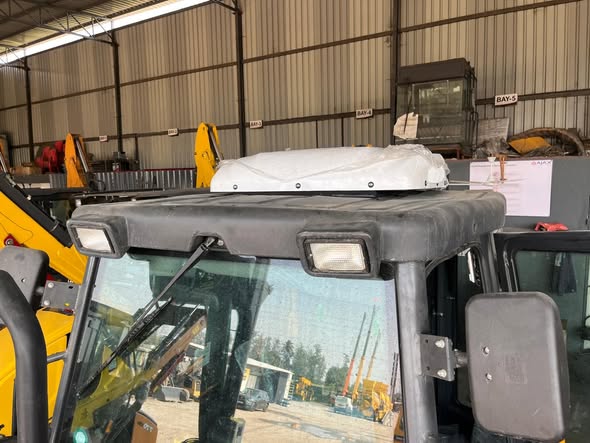
By Airgreen Corporation — Manufacturers & Suppliers of Auto Parts and Automotive AC Components At Airgreen Corporation, we work as manufacturers and suppliers of auto parts, with strong expertise in heavy-duty commercial vehicle air conditioning. The Tata Signa range — used extensively for long-haul haulage, tippers, and tractor-trailer applications — puts serious demand on its cabin AC system through long routes, heavy loads, and continuous engine operation. This guide covers Tata Signa AC components, common failure points, and how to source the right replacement parts. Contact Us Why AC Matters in the Tata Signa Range Tata Signa trucks are built for heavy haulage and long-distance operation, often running 10+ hours a day with drivers spending extended periods in the cabin. Reliable AC directly affects: Driver alertness and fatigue on long-haul routes Comfort during extended halts and rest periods in sleeper-cab variants Overall drive productivity, especially on interstate and highway routes through hot regions Core Tata Signa AC Components 1. Tata Signa AC Compressor Circulates refrigerant through the AC loop. Signa trucks use heavy-duty compressors rated for continuous highway operation and engine vibration — commonly Sanden or Sanden-compatible heavy-duty units matched to Tata’s commercial vehicle platforms. Signs of a failing compressor: Warm air from vents despite AC running Grinding, clicking, or squealing noise from the compressor AC clutch not engaging Refrigerant oil leaks around compressor seals or fittings Repeated low refrigerant levels with no visible external leak 2. Tata Signa AC Condenser Releases heat absorbed by the refrigerant. Front-mounted near the radiator, it’s highly exposed to road dust and debris on long-haul routes. Common issues: Clogged fins reducing cooling efficiency Physical damage from road debris Leaks at seams or fitting connections 3. Tata Signa AC Evaporator Cools cabin air before circulating it through the vents. Common issues: Reduced airflow from dust/dirt buildup on the coil Musty odors from mold or bacteria growth Cabin water leakage from a blocked drain line 4. Expansion Valve, Receiver Drier & Hoses Regulate refrigerant flow and filter moisture/contaminants from the system. Hoses in Signa trucks are exposed to engine heat and constant vibration on long routes, making them prone to wear over time. Common Tata Signa AC Problems & Causes Problem Likely Cause Warm air despite AC running Faulty compressor, low refrigerant, worn clutch Weak or no airflow Clogged evaporator, failed blower motor Uneven cabin cooling Ductwork blockage, faulty expansion valve Water leaking inside cabin Blocked evaporator drain line Frequent refrigerant loss Leaks at condenser, hoses, or compressor seals AC weak at idle, strong at highway speed Weak compressor clutch or belt slippage Maintenance Tips for Tata Signa Fleet Operators Clean the condenser regularly — long-haul routes accumulate road dust and insects fast. Check refrigerant levels seasonally, especially before summer haulage routes through hot regions. Inspect hoses and fittings for wear from vibration on long-distance runs. Flush evaporator drain lines to prevent cabin water leakage and odor buildup. Use verified OEM or OEM-grade compatible parts to avoid repeat AC failures common with mismatched components on heavy-duty platforms. OEM vs Aftermarket Tata Signa AC Parts OEM Tata Signa AC parts guarantee exact fitment and are built to original specification — recommended for compressors and sealed system components given the vehicle’s heavy-duty usage. Aftermarket/compatible AC parts offer a cost-effective option for high-mileage fleet maintenance, provided they’re sourced from a verified auto parts manufacturer with confirmed fitment data. As manufacturers and suppliers of auto parts, Airgreen Corporation supplies Tata Signa-compatible AC compressors, condensers, evaporators, and related components, helping fleet operators and workshops source reliable, fitment-accurate parts for heavy-duty haulage trucks. Frequently Asked Questions What type of AC compressor does the Tata Signa use? Tata Signa trucks typically use heavy-duty compressors rated for continuous highway operation, matched to the vehicle’s commercial platform specification — always confirm the exact model number before replacement. Why does Tata Signa AC blow warm air on long routes? The most common causes are low refrigerant from a slow leak, a worn compressor clutch, or a condenser clogged with road debris after extended highway driving. How often should Tata Signa AC systems be serviced? Fleet operators typically recommend servicing at least twice a year, with condenser cleaning and refrigerant checks done more frequently for trucks in continuous long-haul operation. Can I use aftermarket AC compressors on a Tata Signa? Yes, as long as the replacement matches the required displacement, port configuration, and clutch/pulley type, and is sourced from a verified auto parts manufacturer or supplier. Why Choose Airgreen Corporation Airgreen Corporation is a trusted name among manufacturers of auto parts, specializing in automotive air conditioning systems for heavy-duty commercial vehicles. Our Tata Signa AC product range includes: Tata Signa-compatible AC compressors Condensers, evaporators, and expansion valves Receiver driers, hoses, and blower motors Complete AC spare parts support for heavy-duty haulage fleets Whether you’re a fleet operator, parts distributor, or workshop owner, Airgreen Corporation provides fitment-accurate, quality-tested Tata Signa AC parts backed by manufacturing expertise. Looking for reliable Tata Signa truck AC parts — compressors, condensers, or evaporators? Airgreen Corporation — manufacturers and suppliers of auto parts — supplies a complete range of OEM and OEM-grade AC components for heavy-duty haulage trucks. Contact us today for fleet sourcing and bulk order inquiries.

Tata Signa Truck AC Parts & Compressors: Complete Guide Read More »
Truck AC Parts: Complete Guide to Compressors & AC Components

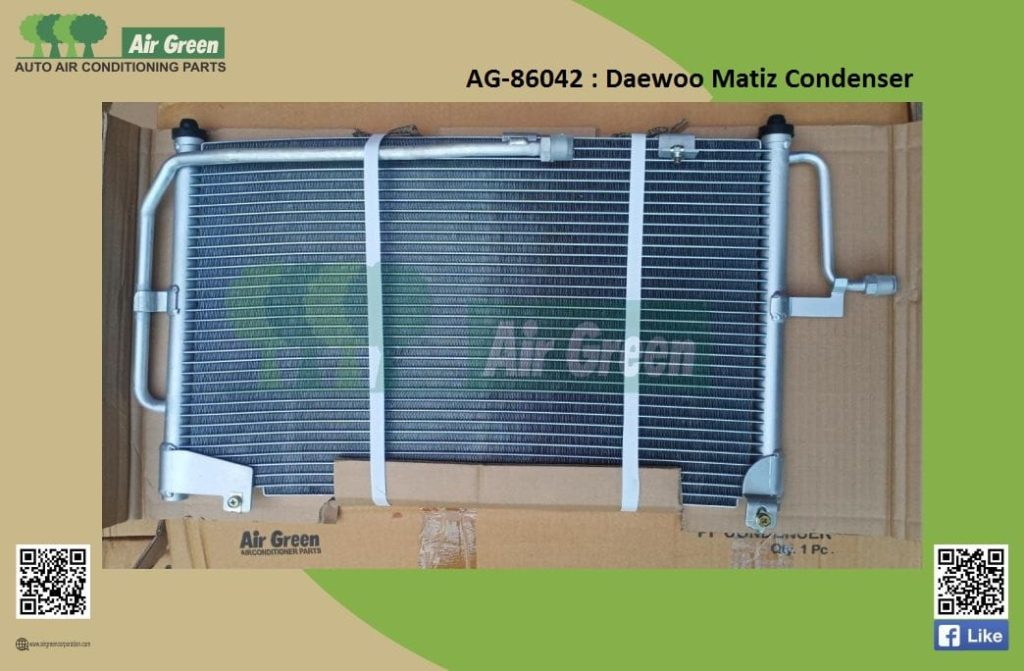
By Airgreen Corporation — Manufacturers & Suppliers of Auto Parts and Automotive AC Components At Airgreen Corporation, we work as manufacturers and suppliers of auto parts, with a strong focus on commercial vehicle air conditioning systems. Trucks — whether light-duty delivery vans, heavy-duty haulers, or sleeper-cab long-haulers — put serious demand on their AC systems through long hours, engine vibration, and tough operating environments. This guide covers every major truck AC component, common failure points, and how to choose the right replacement parts. Contact Us Why Truck AC Systems Need Special Attention Truck AC systems differ from passenger car systems in several important ways: Longer duty cycles — trucks often run AC for 10+ hours a day, especially on long-haul routes Higher engine vibration and load — compressors and mounts must be built to withstand constant vibration Larger cabin volumes in some truck types, requiring higher-capacity components Exposure to dust, heat, and road debris, particularly for condensers mounted low or at the front of the vehicle Sleeper cab cooling — trucks with sleeper compartments may need auxiliary AC units for overnight cooling without the engine running Because of these demands, truck AC parts are generally built to higher durability standards than standard passenger car components. Core Truck AC Components 1. Truck AC Compressor The compressor circulates refrigerant through the AC system, and in trucks it must handle high torque loads and continuous operation. Common types used in trucks include Sanden heavy-duty SD7/TR series, Bock, and Bitzer compressors, depending on truck class and application. Signs of a failing truck AC compressor: Warm air despite the AC running Grinding, clicking, or squealing noise from the compressor AC clutch failing to engage Refrigerant oil leaks around compressor seals or fittings Repeated low refrigerant levels with no visible external leak 2. Truck AC Condenser The condenser releases absorbed heat from the refrigerant. In trucks, condensers are often mounted in front of the radiator and are highly exposed to road debris and dust. Common issues: Clogged fins reducing airflow and cooling efficiency Physical damage from stones or debris Leaks at seams or fitting connections 3. Truck AC Evaporator Positioned inside the cabin, the evaporator absorbs heat from cabin air before it’s circulated back through the vents. Common issues: Reduced airflow from dirt/dust buildup on the coil Musty odors from mold or bacteria growth Cabin water leakage from a blocked drain line 4. Expansion Valve / Orifice Tube Regulates refrigerant flow into the evaporator, maintaining correct pressure and temperature. A faulty valve causes uneven or reduced cooling. 5. Receiver Drier / Accumulator Removes moisture and contaminants from refrigerant. A saturated drier reduces cooling efficiency and can damage the compressor over time if left unaddressed. 6. AC Hoses & Fittings Truck AC hoses are exposed to engine heat, vibration, and road conditions, making them prone to wear, cracking, and refrigerant leaks over time — especially at crimped fittings. 7. Auxiliary/Sleeper Cab AC Units Long-haul trucks often use separate battery-powered or roof-mounted auxiliary AC units to cool the sleeper cabin without idling the main engine, improving fuel efficiency and reducing engine wear. Common Truck AC Problems & Causes Problem Likely Cause Warm air despite AC running Faulty compressor, low refrigerant, worn clutch Weak or no airflow Clogged evaporator, failed blower motor Uneven cooling in cabin Ductwork blockage, faulty expansion valve Water leaking inside cabin Blocked evaporator drain line Musty smell from vents Mold/bacteria buildup on evaporator coil Frequent refrigerant loss Leaks at condenser, hoses, or compressor seals AC works only at high RPM Weak or worn compressor clutch, belt slippage Light-Duty vs Heavy-Duty Truck AC Parts Factor Light-Duty Trucks Heavy-Duty Trucks Compressor Type Similar to passenger cars, variable-displacement Heavy-duty fixed or high-capacity variable displacement Duty Cycle Moderate Continuous, long-haul operation Cabin Volume Standard Larger, sometimes includes sleeper compartments Component Durability Standard automotive-grade Reinforced for vibration and extended runtime Choosing the correct AC part starts with identifying your truck’s duty class — using light-duty components in a heavy-duty application (or vice versa) can lead to premature failure or inefficient cooling. Maintenance Tips for Truck Fleet Operators Clean condensers regularly — front-mounted condensers collect road debris fast, especially on highway routes. Check refrigerant levels seasonally — low refrigerant is a leading cause of compressor failure due to inadequate lubrication. Inspect hoses and fittings for wear — vibration and heat accelerate hose degradation in trucks more than in passenger vehicles. Service auxiliary sleeper AC units separately — these run independently and need their own maintenance schedule. Flush evaporator drain lines — prevents cabin water leakage and mold buildup. Use verified OEM or OEM-grade aftermarket parts — mismatched or low-quality components are a common cause of repeat AC failures in commercial fleets. OEM vs Aftermarket Truck AC Parts OEM truck AC parts guarantee exact fitment and are built to original specifications — often the safer choice for compressors and critical sealed components. Aftermarket/compatible truck AC parts offer a more cost-effective option for high-mileage fleet maintenance, provided they’re sourced from a verified auto parts manufacturer with proper fitment data. As manufacturers and suppliers of auto parts, Airgreen Corporation supplies truck AC compressors, condensers, evaporators, and related components across light-duty and heavy-duty truck categories, helping fleet operators and workshops source reliable, fitment-accurate parts. Frequently Asked Questions What are the main components of a truck AC system? The core components are the compressor, condenser, evaporator, expansion valve, receiver drier, hoses, and blower motor — working together to compress, cool, and circulate refrigerant and cabin air. Why do truck AC compressors fail more often than car compressors? Trucks run their AC systems for longer hours under higher engine vibration and load, which accelerates wear on compressor seals, clutches, and internal components compared to passenger cars. What is a sleeper cab AC unit? It’s an auxiliary AC system, often battery-powered or roof-mounted, that cools a truck’s sleeper compartment without needing the main engine to run — improving fuel efficiency during rest stops. How often should truck AC systems be serviced? Most fleet operators recommend servicing truck

Truck AC Parts: Complete Guide to Compressors & AC Components Read More »

Scroll to Top