
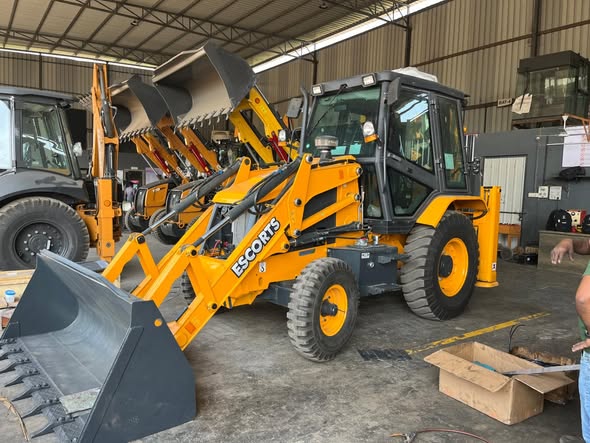
Harvester AC Parts & Compressors: Complete Guide to Agricultural Machinery
At Airgreen Corporation, we are manufacturers and suppliers of auto parts and automotive AC components, providing AC solutions that extend beyond conventional vehicles into agricultural and off-highway machinery. Modern harvesters and combine harvesters are increasingly equipped with enclosed, air-conditioned operator cabins. During harvesting operations, operators can spend long hours inside the cabin while working in high temperatures and environments filled with dust, crop residue, and chaff. A reliable AC system helps maintain a comfortable cabin environment and supports better operating conditions throughout demanding agricultural operations. This guide explains the major harvester AC parts and compressors, their functions, common problems, maintenance requirements, and important factors to consider when sourcing replacement components. Contact Us Why AC Matters in Agricultural Harvesters Harvesters often operate for extended periods during critical harvesting seasons. Unlike passenger vehicles, agricultural machinery works in environments with high levels of dust, crop residue, vibration, and heat. A properly functioning harvester AC system helps with: Maintaining comfortable cabin temperatures during long harvesting hours Reducing operator fatigue caused by excessive heat Improving visibility and comfort inside enclosed cabins Supporting concentration during extended machinery operation Filtering dust and airborne particles entering the cabin Providing consistent cooling during peak agricultural seasons Because harvesters can remain unused for several months between seasons, their AC systems also require specific off-season maintenance. Refrigerant seals, belts, electrical connections, and other components may deteriorate during prolonged inactivity. Core Harvester AC Components 1. Harvester AC Compressor The AC compressor is one of the most important components of an agricultural machinery air-conditioning system. It compresses and circulates refrigerant through the AC circuit, allowing the system to absorb heat from the cabin and release it outside. Harvesters commonly use compact, belt-driven compressors designed to withstand vibration and demanding off-highway working conditions. Common signs of a failing harvester AC compressor include: Warm or insufficiently cool air from cabin vents Unusual grinding, squealing, or clicking sounds AC clutch failing to engage Refrigerant oil visible around compressor seals or fittings Reduced cooling performance Repeated refrigerant loss Compressor belt slipping or showing excessive wear Before replacing a compressor, the exact compressor model, mounting arrangement, pulley configuration, and refrigerant specification should be verified. 2. Harvester AC Condenser The condenser removes heat from the refrigerant after compression. It is normally positioned where it can receive sufficient airflow. Harvesters operate in dusty fields with significant amounts of crop residue, making condenser contamination a common cause of reduced cooling. Common condenser problems include: Dust and chaff blocking condenser fins Bent fins reducing airflow Damage from crop residue or field debris Refrigerant leakage around fittings Poor airflow caused by a blocked or damaged condenser Regular cleaning is particularly important during harvesting operations. 3. Harvester AC Evaporator The evaporator is installed inside the cabin HVAC assembly. It absorbs heat from the cabin air as refrigerant passes through it, producing cool air for the operator. Common evaporator problems include: Reduced cooling due to a dirty evaporator core Restricted airflow Unpleasant or musty smells Excessive moisture accumulation Water leaking into the cabin because of a blocked drain Reduced heat transfer caused by dust buildup A clean evaporator is essential for maintaining efficient cabin cooling. 4. Expansion Valve / Orifice Tube The expansion valve controls the flow of refrigerant into the evaporator. It reduces refrigerant pressure and helps regulate the cooling cycle. A faulty expansion valve may result in: Uneven cooling Poor cabin temperature control Excessive pressure in the AC system Evaporator icing Reduced cooling performance The correct valve specification should always be matched with the compressor and overall AC system. 5. Receiver Drier / Accumulator The receiver drier or accumulator helps remove moisture and contaminants from the refrigerant system. This component is particularly important for agricultural machinery because harvester AC systems operate in environments with high levels of dust and debris. A saturated or damaged receiver drier can affect overall AC performance and may contribute to moisture-related system problems. 6. Cabin Air Filters Cabin air filters play an important role in agricultural machinery because harvesting operations generate considerable amounts of dust, pollen, chaff, and crop particles. A clogged cabin filter can cause: Weak airflow Reduced cooling efficiency Increased blower load Dust entering the operator cabin Higher strain on the HVAC system Filters should be inspected and replaced according to operating conditions rather than relying only on standard vehicle service intervals. Harvester AC Applications by Machinery Type Agricultural Machinery AC System Application Combine Harvesters Enclosed operator cabins requiring continuous cooling during harvesting Grain Harvesters Cabin AC systems designed for long-duration agricultural operations Crop Harvesters Cooling and filtration systems for dusty field environments Forage Harvesters Heavy-duty AC systems exposed to crop residue and vibration Self-Propelled Harvesters Integrated HVAC systems for operator comfort Agricultural Machinery Off-highway AC components designed for demanding field conditions Exact AC configurations vary according to machine model, cabin design, engine arrangement, compressor mounting, and manufacturer specifications. Always verify the required component before placing an order. Common Harvester AC Problems & Causes Problem Likely Cause Warm air despite AC running Low refrigerant, compressor issue, faulty clutch Weak cabin airflow Clogged cabin filter or dirty evaporator Poor cooling during harvesting Blocked condenser caused by dust and chaff AC compressor making noise Bearing, clutch, pulley, or internal compressor problem Water leaking inside cabin Blocked evaporator drain Unpleasant smell from vents Moisture, mold, or contamination in evaporator area AC stops after seasonal storage Refrigerant leakage, deteriorated seals, electrical faults Compressor belt slipping Worn belt, incorrect tension, or pulley issue Seasonal Maintenance Tips for Harvester AC Systems Harvesters are highly seasonal machines, making preventive AC maintenance particularly important. 1. Run the AC during the off-season Operate the AC periodically even when the machine is not being used regularly. This can help keep system components and seals in working condition. 2. Clean the condenser regularly Remove dust, chaff, and crop residue from condenser fins. Restricted airflow can significantly reduce cooling performance. 3. Replace cabin air filters Check filters before and during harvesting season. Extremely dusty operations may require more frequent replacement. 4. Inspect the compressor and belt Check
Harvester AC Parts & Compressors: Complete Guide to Agricultural Machinery Read More »