
As temperatures rise, one of the most valued features in any car is the automotive air conditioning system. Whether you’re driving through sweltering heat or humid weather, a properly functioning A/C system keeps you cool and comfortable on the road. However, like any mechanical system, your car AC system requires regular maintenance and timely repairs to stay in top condition.
In this detailed guide, we’ll cover everything you need to know about automotive air conditioning — from how it works, to common problems, maintenance tips, and how to find the right replacement parts. This article is designed to help car owners, mechanics, and anyone interested in A/C systems understand the importance of maintaining their vehicle’s air conditioning system.
How Automotive Air Conditioning Works
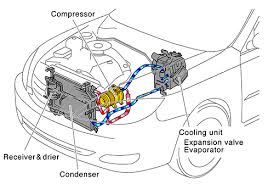
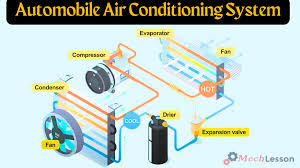
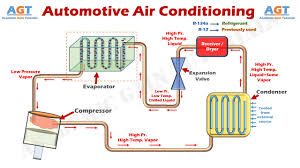
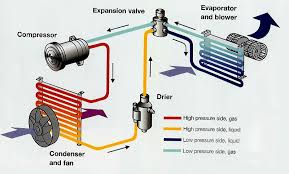
The A/C system in your vehicle is designed to cool the cabin by removing heat and moisture from the air. It does this using a chemical refrigerant, which cycles between gas and liquid states to absorb heat. The process involves several key components working together:
- Compressor: Often called the heart of the A/C system, the car AC compressor pumps refrigerant through the system. It takes the refrigerant gas and compresses it, turning it into a high-pressure, high-temperature gas that flows into the condenser.
- Condenser: The condenser acts like a radiator, releasing heat from the refrigerant and turning it into a high-pressure liquid. As the refrigerant passes through the condenser, it cools down.
- Expansion Valve: The expansion valve (or orifice tube) regulates the flow of refrigerant into the evaporator. It causes the refrigerant to expand rapidly, turning it into a low-pressure, cold gas that absorbs heat from the air inside the vehicle.
- Evaporator: The evaporator is located inside the cabin, usually near the dashboard. As the cold refrigerant flows through the evaporator coils, it absorbs heat and moisture from the cabin air, cooling it down. This cooled air is then blown into the cabin by a fan.
- Receiver-Drier or Accumulator: The receiver-drier (in systems with an expansion valve) or accumulator (in systems with an orifice tube) is responsible for removing moisture from the refrigerant and filtering out debris, ensuring the refrigerant stays clean and dry.
- Blower Fan: The blower fan pushes cool air into the cabin, keeping passengers comfortable. It’s powered by the vehicle’s electrical system and usually has multiple speed settings.
- Refrigerant: The refrigerant is the key fluid that circulates through the system to absorb and release heat. Most modern vehicles use R-134a or R-1234yf refrigerant, both of which are less harmful to the ozone layer compared to older refrigerants like R-12.
Common Automotive A/C Problems
While the car air conditioning system is built to be durable, issues can arise over time due to wear, lack of maintenance, or component failure. Below are some of the most common car AC problems and their possible causes:
1. A/C Blowing Warm Air
One of the most common complaints is the A/C blowing warm air when it should be cold. This can be caused by several issues:
- Low refrigerant: If refrigerant levels are low due to a leak or undercharging, the system can’t cool the air effectively.
- Compressor failure: If the compressor is malfunctioning, it won’t be able to pressurize the refrigerant and circulate it properly.
- Condenser problems: A clogged or damaged condenser can prevent the refrigerant from cooling properly, leading to warm air blowing from the vents.
- Faulty expansion valve or orifice tube: These components regulate refrigerant flow, and if they fail, they can prevent proper cooling.
2. Strange Noises From the A/C System
If your A/C system makes unusual noises, such as grinding, rattling, or hissing sounds, it can be a sign of a mechanical problem:
- Compressor issues: A failing compressor can make grinding or squealing noises.
- Fan issues: A damaged blower fan can create rattling or clicking noises.
- Loose parts: Loose components within the A/C system can rattle while the system is running.
3. Foul Odors From the A/C Vents
Foul smells coming from the air conditioning vents typically point to one of the following:
- Mold or mildew: Over time, moisture can build up in the evaporator, leading to mold or mildew growth. This can cause a musty or sour smell when the A/C is turned on.
- Dirty cabin air filter: If the cabin air filter is clogged or dirty, it can cause unpleasant odors as air passes through it.
4. A/C Not Turning On
If the A/C doesn’t switch on at all, the problem could be:
- Blown fuse: A blown fuse can cut power to the A/C system, preventing it from turning on.
- Faulty switch or relay: Problems with the A/C switch or relay can prevent the system from activating.
- Electrical problems: Wiring issues or electrical shorts can cause the A/C system to fail to start.
5. Refrigerant Leaks
A refrigerant leak is a common cause of performance issues in the A/C system. Common sources of refrigerant leaks include:
- Hoses and seals: Over time, hoses, seals, and gaskets can crack or degrade, leading to refrigerant loss.
- Compressor seals: The seals around the compressor can wear out, leading to leaks.
- Condenser damage: Rocks or road debris can damage the condenser, causing refrigerant leaks.
Maintaining Your Automotive Air Conditioning System
Proper car AC maintenance can help prevent costly repairs and ensure the system operates efficiently. Here are a few key maintenance tips to keep your system in top condition:
1. Regularly Check Refrigerant Levels
Low refrigerant is one of the most common causes of A/C issues. Have your refrigerant levels checked periodically, especially if you notice a drop in cooling performance. If the refrigerant is low, it could indicate a leak, which should be fixed before refilling.
2. Clean the Condenser and Evaporator Coils
The condenser and evaporator coils play a vital role in the cooling system. Over time, dust, leaves, and debris can accumulate on these coils, reducing their efficiency. Clean them regularly to prevent clogging and ensure proper airflow. You can use a vacuum or compressed air to clean the coils.
3. Replace the Cabin Air Filter
A clogged or dirty cabin air filter can reduce airflow and cause foul odors. Replace the cabin air filter every 12,000 to 15,000 miles, or as recommended by your vehicle manufacturer. This will improve air quality and the performance of your A/C system.
4. Run the A/C Regularly
Even during the winter months, it’s a good idea to run your A/C system for about 10–15 minutes every couple of weeks. This helps keep the compressor lubricated and prevents the seals from drying out, which can lead to refrigerant leaks.
5. Inspect Hoses and Seals for Leaks
Inspect the hoses and seals for signs of wear or cracks. If you notice any damage, have them replaced as soon as possible to prevent refrigerant leaks and other issues.
How to Fix Common Automotive A/C Problems
While some car AC problems can be fixed at home, others may require professional attention. Here’s a general guide to fixing some common A/C issues:
1. Low Refrigerant
If your A/C system is blowing warm air, the first step is to check the refrigerant level. If it’s low, you can top it up using a refrigerant recharge kit available at auto parts stores. However, if you suspect a leak, it’s best to have a professional technician diagnose and repair it.
2. Replacing the Cabin Air Filter
Replacing the cabin air filter is a simple DIY task. Locate the filter, usually behind the glove compartment or under the dashboard, and replace it with a new one. This will improve air quality and prevent odors.
3. Replacing the A/C Compressor
If the car AC compressor is faulty, it’s usually best to have a professional replace it. Compressor replacement can be complex and may require evacuating the refrigerant and properly refilling it afterward.
4. Cleaning the Condenser and Evaporator Coils
Use a soft brush or compressed air to clean debris from the condenser and evaporator coils. Be gentle to avoid damaging the coils.
Finding Automotive Air Conditioning Parts
When your A/C system needs a replacement part, such as a compressor, condenser, or expansion valve, finding a trusted supplier of genuine car AC parts is key. Look for auto parts stores near you or check online for quality components. Be sure to choose parts that match your vehicle’s specifications and are compatible with your existing A/C system.
Conclusion
The automotive air conditioning system plays a crucial role in keeping your car comfortable, especially in hot weather. Understanding how the system works, recognizing common problems, and knowing how to maintain it can save you from costly repairs and ensure your A/C performs reliably when you need it most. Regular maintenance, prompt repairs, and the use of quality replacement parts are all essential for extending the life of your car’s A/C system.
Whether you’re a daily commuter, a long-distance driver, or simply someone who wants to stay cool behind the wheel, staying on top of your car AC system’s health — from refrigerant levels to compressor condition — is one of the simplest ways to protect your comfort and your investment on every drive.