
Air conditioning systems in buses, particularly on long-distance or intercity routes, are an important part of passenger comfort. Whether it’s an intercity bus, a city bus, or a sleeper bus, making sure the AC bus system functions properly is a top priority for both bus operators and passengers. A reliable bus air conditioning system helps create a comfortable, cool environment inside the vehicle, which is especially important during summer months or in tropical climates. However, like any mechanical system, a bus AC system can develop issues over time.
In this comprehensive guide, we’ll cover everything you need to know about AC bus systems — from understanding how these systems work, to common problems, to how to maintain and troubleshoot them effectively.



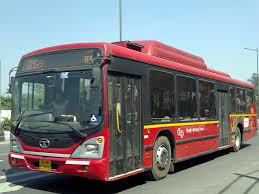
What is an AC Bus System?
An AC bus system refers to the air conditioning unit installed in a bus, which cools the air inside the cabin and makes travel comfortable for passengers, especially on long trips. A well-maintained bus AC system helps maintain a pleasant temperature, improves the overall travel experience, and allows passengers to relax, sleep, or focus without the distraction of heat and discomfort.
The air conditioning system in a bus is usually far more powerful than the AC units found in personal vehicles, since buses are large vehicles that require a high cooling capacity. It consists of several key bus AC parts, including the compressor, condenser, evaporator, blower fan, expansion valve, and refrigerant. These components work together to absorb heat from inside the bus and release it outside.
Types of AC Systems Used in Buses
There are several types of air conditioning systems used in buses. Depending on the bus model and manufacturer, you’ll find different configurations of bus air conditioning. The most common types of AC systems used in buses are:
1. Roof-Mounted Air Conditioning Units
Roof-mounted air conditioners are the most common type found in buses, especially in long-distance and intercity buses. These systems are typically powered by the bus’s engine or an auxiliary generator. Roof-mounted AC systems are designed to handle high cooling demands and can cool large cabin areas efficiently.
- Advantages:
- Energy-efficient.
- Doesn’t occupy valuable space inside the bus.
- Provides uniform cooling throughout the cabin.
- Disadvantages:
- Maintenance and repair can be more difficult since components are located on the roof.
- More susceptible to damage from external factors like debris or weather conditions.
2. Chilled Water AC Systems
Some premium buses, particularly those in the luxury category, use chilled water air conditioning systems. This type of system circulates chilled water through pipes inside the bus to absorb heat and cool the cabin air. The system’s cooling capacity is generally higher, making it well-suited for buses with large passenger capacities or sleeper buses.
- Advantages:
- More energy-efficient in certain conditions.
- Better at providing consistent cooling.
- Disadvantages:
- More complex to install and maintain.
- Higher upfront costs.
Key Components of a Bus Air Conditioning System
A bus air conditioning system includes several essential AC bus parts, each playing an important role in cooling the cabin air. Let’s take a closer look at these components.
1. Compressor
The bus AC compressor is the heart of the air conditioning system. It compresses the refrigerant and circulates it throughout the system. The compressor pumps refrigerant gas at high pressure and temperature into the condenser. Without a properly functioning compressor, the entire AC system will fail to operate.
2. Condenser
The condenser cools the refrigerant, converting it from a hot gas into a cool liquid. It typically consists of a series of coils that release heat from the refrigerant into the surrounding air. The condenser is usually positioned at the front of the bus, near the engine, where airflow helps aid the cooling process.
3. Evaporator
The evaporator is located inside the bus and is responsible for absorbing heat from the cabin air. The refrigerant evaporates within the coils, causing the air passing over the coils to cool down. The cooled air is then blown into the bus cabin through the air vents.
4. Blower Fan
The blower fan is responsible for circulating air through the evaporator and into the bus cabin. It ensures cool air reaches all parts of the cabin for consistent comfort. If the blower motor fails or malfunctions, passengers may experience weak airflow or no airflow at all.
5. Expansion Valve
The expansion valve regulates the flow of refrigerant into the evaporator. It controls the amount of refrigerant allowed into the evaporator to maintain the correct pressure and temperature within the system.
6. Refrigerant
The refrigerant is the substance that absorbs and releases heat within the AC system. It’s typically a gas that converts into a liquid when compressed and evaporates when cooled. Common refrigerants used in modern bus AC systems include R134a and the newer, more eco-friendly R1234yf.
Common Problems With AC Bus Systems
Despite their solid design and importance, bus AC systems are vulnerable to various issues over time. A breakdown in the air conditioning system can be both inconvenient and uncomfortable for passengers. Identifying AC bus problems early can help reduce repair costs and improve overall system performance.
1. Insufficient Cooling
One of the most common issues bus operators encounter is when the AC system fails to cool the air sufficiently. This can result in a warm, uncomfortable cabin, especially during summer months.
Possible Causes:
- Low refrigerant levels: A shortage of refrigerant can prevent the AC system from running efficiently, as there isn’t enough refrigerant to absorb and release heat properly.
- Clogged condenser or evaporator coils: Dirt, debris, or corrosion can build up on these components, reducing airflow and cooling performance.
- Faulty compressor: If the compressor is malfunctioning, refrigerant may not circulate properly, causing the system to fail.
Solution:
- Inspect refrigerant levels and recharge the system as needed.
- Clean the condenser and evaporator coils to remove dirt or debris.
- If the compressor is faulty, it may need to be repaired or replaced with a genuine bus AC compressor.
2. No Cool Air or Weak Airflow
When little to no cool air is coming from the vents, the problem may lie in a malfunctioning blower motor, a clogged air filter, or a primary failure in the refrigerant circuit.
Possible Causes:
- Blower motor failure: A defective blower motor can prevent the AC system from circulating air throughout the bus.
- Clogged cabin air filter: A dirty air filter can block airflow and strain the blower motor.
- Low refrigerant: Low refrigerant levels can prevent proper cooling and airflow.
Solution:
- Check the blower motor and air filter. If the blower motor is malfunctioning, it may need to be repaired or replaced.
- Replace a clogged air filter.
- Ensure refrigerant levels are sufficient.
3. Foul Odors Coming From the Vents
A musty or foul odor from the AC vents is often a sign of mold or mildew growth inside the system, particularly in the evaporator.
Possible Causes:
- Mold or mildew: Moisture can collect in the AC system, creating a favorable environment for mold and mildew growth, especially in humid climates.
- Dirty evaporator coils: Dust and debris can accumulate in the evaporator, contributing to unpleasant odors.
Solution:
- Clean the evaporator coils and check for moisture buildup in the system.
- Use a disinfectant designed for AC systems to eliminate mold or mildew.
- Ensure the AC system drains moisture effectively.
4. AC Refrigerant Leaks
Refrigerant leaks are one of the most serious issues for any AC system, including buses. A refrigerant leak can cause reduced cooling performance and eventual system failure.
Possible Causes:
- Worn or damaged seals: Seals and gaskets can wear out over time, leading to refrigerant leakage.
- Cracks in the condenser or evaporator: Physical damage to these components can cause refrigerant to leak out.
Solution:
- Use a leak detection kit to locate and fix leaks in the system.
- Replace worn seals, gaskets, or damaged components.
- Recharge the refrigerant once the leak has been repaired.
5. Frozen Evaporator Coils
Frozen evaporator coils are often a sign of an airflow issue or a refrigerant problem.
Possible Causes:
- Low refrigerant levels: Insufficient refrigerant can cause the coils to freeze.
- Clogged air filter: A blocked air filter reduces airflow, leading to frozen coils.
- Malfunctioning expansion valve: If the expansion valve is stuck open or closed, it can cause refrigerant to freeze within the coils.
Solution:
- Check refrigerant levels and recharge if needed.
- Replace the air filter to restore proper airflow.
- Inspect the expansion valve and replace it if it’s malfunctioning.
How to Maintain Your Bus AC System
Regular AC bus maintenance is essential to ensure your bus air conditioning system operates efficiently and reliably. By taking proper care of the system, you can avoid costly repairs and ensure a comfortable experience for passengers.
1. Inspect and Replace the Air Filter Regularly
Air filters trap dust, dirt, and debris, preventing them from entering the system. Over time, they can become clogged and reduce airflow, leading to cooling inefficiencies. Replace the air filter every 6 to 12 months, or as per the manufacturer’s recommendation.
2. Check Refrigerant Levels Periodically
Low refrigerant is one of the most common causes of poor cooling in any AC bus system. Have a technician check refrigerant levels at regular service intervals, and recharge the system whenever levels drop below the manufacturer’s specified range. Never top up refrigerant without also checking for leaks, since low levels are often a symptom of a leak rather than normal loss.
3. Clean the Condenser and Evaporator Coils
Dust, road grime, and debris settle on the condenser and evaporator coils over time, restricting airflow and reducing cooling efficiency. Schedule coil cleaning as part of routine AC bus maintenance, especially for buses that operate on dusty routes or in high-traffic urban conditions. Clean coils also help prevent the mold and mildew buildup responsible for foul odors.
4. Inspect the Compressor and Belts
The bus AC compressor works under continuous load, so its drive belts, pulleys, and mounts should be inspected regularly for wear, cracks, or looseness. A slipping or worn belt reduces compressor efficiency and can eventually lead to a complete loss of cooling. Replace worn belts promptly and ensure the compressor clutch engages smoothly.
5. Check for Leaks and Damaged Seals
Since refrigerant leaks are a leading cause of AC bus problems, periodic leak detection should be part of every maintenance schedule. Inspect hoses, seals, and gaskets for cracks or wear, and address even minor leaks quickly before they lead to a complete refrigerant loss and compressor damage.
6. Test the Blower Motor and Electrical Connections
Since blower motor failure is a common cause of weak or no airflow, test the blower motor’s operation at each service interval. Check wiring, connectors, and fuses for corrosion or damage, as electrical faults can be just as disruptive to a bus air conditioning system as mechanical failures.
7. Schedule Professional Servicing at Regular Intervals
While basic checks like filter replacement can often be handled in-house, a full AC bus system inspection — covering refrigerant pressure, compressor health, coil condition, and drainage — should be carried out by a qualified technician on a fixed schedule, typically every 3 to 6 months depending on usage. Preventive servicing is almost always more cost-effective than emergency AC bus repair, particularly during peak travel seasons.
Choosing the Right Bus AC Parts
When a component does need replacement, using genuine, OEM-grade bus AC parts — compressors, condensers, evaporator coils, expansion valves, and blower motors — makes a significant difference in system reliability and lifespan. Low-quality or mismatched parts are a common cause of repeat breakdowns, refrigerant leaks, and reduced cooling performance. Working with a trusted supplier of bus and heavy-vehicle AC components helps ensure compatibility, durability, and consistent cooling performance across your fleet.
Conclusion
A well-functioning AC bus system is essential to passenger comfort on any journey, whether it’s a short city commute or a long intercity ride. Understanding how the system works, recognizing the early signs of common AC bus problems like insufficient cooling, weak airflow, foul odors, refrigerant leaks, and frozen coils, and following a consistent maintenance routine can help bus operators avoid costly breakdowns and keep passengers comfortable in every season.
Regular inspection, timely part replacement, and the use of quality bus AC parts go a long way toward extending the life of your bus air conditioning system and reducing overall operating costs. When in doubt, partnering with an experienced bus AC maintenance and parts provider ensures your fleet stays reliable, efficient, and ready for the road.