
If your car’s air conditioner is blowing warm air, taking too long to cool the cabin, or not providing the same cooling performance as before, the AC system may have low refrigerant levels. A car AC recharge is one of the most common services used to restore cooling performance.
But how much does it cost to recharge a car AC? The car AC recharge cost depends on several factors, including the type of refrigerant, vehicle model, service provider, location, labor charges, and whether the system has an underlying leak or component failure.
In this guide, we will explain the cost to recharge car AC, different car AC recharge prices, signs that your AC needs refrigerant, how often an AC recharge is required, and what to check before paying for an AC recharge service.


What Is a Car AC Recharge?
A car AC recharge is the process of restoring the correct amount of refrigerant in a vehicle’s air conditioning system. Refrigerant is responsible for absorbing heat from the cabin and releasing it outside the vehicle, allowing the AC system to produce cool air.
A properly functioning AC system is generally a sealed system, so refrigerant should not normally need to be added frequently. If refrigerant levels become low, there may be a leak or another problem that needs to be diagnosed.
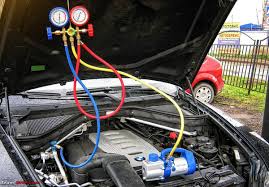
During a professional AC recharge service, a technician may recover the existing refrigerant, check the system, evacuate moisture and air, and refill the system with the correct type and quantity of refrigerant according to the vehicle manufacturer’s specifications.
How Much Does It Cost to Recharge a Car AC?
The average car AC recharge cost varies depending on the vehicle and refrigerant type. A basic recharge may cost considerably less than a complete AC service that includes leak detection, vacuuming, refrigerant replacement, and repairs.
For vehicles using R-134a, the refrigerant itself is generally less expensive than newer R-1234yf refrigerant. Luxury and imported vehicles may also have higher service costs because of specialized equipment and vehicle-specific requirements.
If you are searching for the car AC recharge price, it is important to ask whether the quoted amount includes refrigerant, labor, system inspection, vacuuming, leak testing, and taxes. A low initial price may not represent the final cost if additional repairs are required.
DIY Car AC Recharge Kit Cost
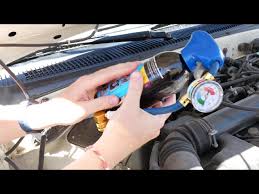
A DIY car AC recharge kit can be a less expensive option for vehicle owners who understand the process and have the correct equipment. Depending on the refrigerant type, brand, and included accessories, a DIY kit can cost around $30 to $60 in markets where these kits are commonly sold.
A typical kit may include refrigerant, a charging hose, pressure gauge, and adapter.
Advantages of a DIY Car AC Recharge
- Lower upfront cost
- Convenient for experienced vehicle owners
- Can be completed relatively quickly
- Useful when the system only requires a properly diagnosed refrigerant refill
Disadvantages of a DIY AC Recharge
- It does not necessarily identify refrigerant leaks.
- Incorrect charging can damage the AC system.
- Using the wrong refrigerant can cause serious system problems.
- It can be difficult to determine the correct refrigerant charge without proper equipment.
- A recharge will not repair a damaged compressor, condenser, evaporator, hose, seal, or expansion valve.
For these reasons, professional diagnosis is generally the safer option when the cause of poor cooling is unknown.
Professional Car AC Recharge Cost
A professional car AC recharge typically costs more than a DIY recharge because the service may include specialized equipment, refrigerant recovery, vacuuming, pressure testing, leak inspection, and labor.
The final car AC service cost depends on the vehicle and the condition of the AC system. Independent workshops may charge less than dealerships, while luxury and imported vehicles may require more expensive service.
If the technician discovers a refrigerant leak, damaged AC hose, faulty compressor, defective condenser, blocked expansion valve, or evaporator problem, the repair cost will be added to the recharge cost.
Factors That Affect Car AC Recharge Price
Several factors can influence the total car AC recharge cost.
1. Type of Refrigerant
The refrigerant used by the vehicle is one of the most important pricing factors.
Older vehicles commonly use R-134a refrigerant, while many newer vehicles use R-1234yf refrigerant. R-1234yf is generally more expensive and requires compatible service equipment.
Never select refrigerant based only on price. Always use the refrigerant specified for the vehicle.
2. Vehicle Make and Model
The make and model of your vehicle can affect the amount of refrigerant required, accessibility of AC components, and labor involved.
A standard passenger car may have a relatively straightforward AC system, while larger vehicles, premium vehicles, SUVs, buses, and imported cars may require additional refrigerant or specialized procedures.
3. Labor Charges
Labor charges vary by workshop and location. Dealerships and specialist AC workshops may charge more than independent garages.
If the technician needs to remove components to access the AC system or diagnose a difficult leak, labor costs can increase significantly.
4. Leak Detection and Repair
A low refrigerant level is often a symptom rather than the actual problem.
If the system has a refrigerant leak, simply adding refrigerant may only provide temporary cooling. A technician may need to perform a leak test using appropriate diagnostic equipment before repairing and recharging the system.
5. AC Compressor Condition
The car AC compressor is one of the most important components in the cooling system. If the compressor is damaged, seized, noisy, or unable to create the required pressure, an AC recharge alone will not solve the problem.
Compressor replacement can make the total car AC repair cost considerably higher.
6. Condenser, Evaporator, and Expansion Valve
Other components can also affect cooling performance. A damaged condenser, leaking evaporator, blocked expansion valve, or faulty AC control component may require additional repair.
Therefore, a professional inspection is important when an AC recharge does not restore proper cooling.
7. Location
AC service prices vary between cities and regions. Workshops in major metropolitan areas may have higher operating and labor costs than garages in smaller towns.
R-134a vs R-1234yf Refrigerant
Understanding the difference between refrigerants can help you compare car AC recharge prices.
R-134a Refrigerant
R-134a has been widely used in automotive air conditioning systems for many years. It is still found in many older vehicles and is generally more affordable than newer refrigerants.
R-1234yf Refrigerant
R-1234yf is used in many newer vehicles and has a significantly lower global warming potential than R-134a. It requires compatible service equipment and can cost more to recharge.
The correct refrigerant should always be determined from the vehicle manufacturer’s specifications or the information provided on the AC system label.
How Often Should You Recharge Your Car AC?
There is no universal recharge interval for every vehicle.
A properly sealed AC system should not require frequent refrigerant top-ups. If your car needs an AC recharge every few months or every year, the system should be inspected for a leak rather than repeatedly adding refrigerant.
Older vehicles may be more likely to develop leaks because hoses, seals, O-rings, and other components can deteriorate with age.
Instead of following a fixed schedule, have the AC system checked when you notice a significant reduction in cooling performance.
Signs Your Car AC Needs Refrigerant
Several symptoms can indicate that your vehicle’s AC system needs attention.
1. Warm Air From AC Vents
If the AC is running but the vents are producing warm or insufficiently cool air, low refrigerant is one possible cause. However, compressor, electrical, airflow, or other mechanical problems can produce similar symptoms.
2. AC Takes Too Long to Cool
If the cabin takes much longer than usual to become comfortable, the system may have low refrigerant or another cooling-system problem.
3. Weak Cooling at Idle
If the AC cools reasonably well while driving but becomes noticeably weaker when the vehicle is stationary, the problem may involve more than refrigerant level. Condenser airflow, cooling fans, compressor performance, and other components should also be inspected.
4. Hissing or Unusual Noises
Hissing sounds may indicate refrigerant escaping from a leak, while rattling, grinding, or unusual compressor noises can point toward mechanical problems.
5. Visible Oil or Refrigerant Residue
Leaks can sometimes leave oily residue around AC connections or components. Because refrigerant leaks are not always visible, professional leak detection may still be necessary.
6. AC Compressor Clutch Problems
On vehicles equipped with a traditional compressor clutch, failure of the clutch to engage can be caused by low refrigerant pressure, electrical problems, or compressor-related issues.
Does Recharging Car AC Fix a Leak?
No. Recharging a car AC does not repair a refrigerant leak.
If refrigerant is escaping from the system, the leak needs to be identified and repaired. After the repair, the system can be evacuated and recharged with the correct refrigerant.
Repeatedly adding refrigerant without repairing the leak can increase long-term costs and may eventually affect AC performance or components.
What Is Included in a Professional Car AC Service?
Depending on the workshop and service package, a professional car AC service may include:
- AC system inspection
- Refrigerant recovery
- Vacuum evacuation
- Refrigerant recharge
- Pressure checks
- Leak inspection
- Compressor inspection
- Condenser inspection
- Evaporator inspection
- Expansion valve inspection
- AC performance testing
- Compressor oil service when required
Always confirm what is included before approving the service.
Car AC Recharge vs Car AC Repair
A recharge and a repair are not the same service.
An AC recharge restores refrigerant to the system.
An AC repair addresses a problem with one or more components, such as a compressor, condenser, evaporator, expansion valve, hose, seal, pressure sensor, or electrical component.
If the system has a leak or component failure, you may need both repair and recharge.
How to Reduce Car AC Service Costs
You can avoid unnecessary expenses by taking a few precautions:
- Get the system diagnosed before recharging. Do not assume low refrigerant is the only problem.
- Ask for a complete price breakdown. Confirm refrigerant, labor, inspection, vacuuming, and taxes.
- Use the correct refrigerant. Never choose a refrigerant simply because it is cheaper.
- Repair leaks promptly. Repeated recharging can become more expensive over time.
- Choose an experienced AC technician. Proper diagnostic equipment can help prevent unnecessary component replacement.
- Compare quotes. If the repair involves major components, obtain quotes from more than one reputable workshop.
Can Low Refrigerant Damage a Car AC Compressor?
Low refrigerant can affect AC system operation because refrigerant also plays a role in transporting oil through the system. In some systems, extremely low refrigerant levels can prevent the compressor from operating normally.
However, compressor problems are not always caused by low refrigerant. Electrical faults, mechanical wear, contamination, incorrect oil levels, and other issues can also damage a compressor.
If the compressor is making unusual noises or failing to operate, have the complete AC system inspected instead of simply adding refrigerant.
Car AC Recharge for Different Types of Vehicles
The AC recharge cost can vary depending on the vehicle category.
Small Cars
Small passenger cars generally have relatively compact AC systems and may have lower refrigerant and labor requirements.
SUVs
SUVs can have larger cabins and different AC system configurations. Some models may also have rear AC systems, which can affect service requirements.
Luxury Cars
Luxury vehicles may use specialized components and refrigerants and may require specialized diagnostic equipment. This can increase the total car AC repair and recharge cost.
Commercial Vehicles and Buses
Trucks, buses, and other commercial vehicles can have significantly larger AC systems. Their refrigerant capacity and service requirements can be different from passenger cars.
Frequently Asked Questions About Car AC Recharge
How much does it cost to recharge a car AC?
The cost varies by vehicle, refrigerant, location, labor, and whether additional repairs are required. Always ask the workshop for a complete estimate before approving the work.
How long does a car AC recharge take?
A straightforward professional recharge can often be completed relatively quickly, but the total service time increases if the technician needs to perform leak detection, repairs, vacuuming, or component replacement.
How do I know if my car needs an AC recharge?
Warm air, reduced cooling performance, longer cooling time, and other AC symptoms can indicate low refrigerant. However, these symptoms can also result from compressor, condenser, electrical, airflow, or other problems, so diagnosis is recommended.
Can I recharge my car AC myself?
DIY recharge kits are available for some vehicles, but incorrect refrigerant type or quantity can damage the system. Professional service is recommended when you are unsure about the refrigerant type or cause of the cooling problem.
Does a car AC recharge include leak repair?
Usually, a standard recharge does not automatically include leak repair. Ask the service provider whether leak testing and repairs are included in the quoted price.
Why is my car AC still not cooling after a recharge?
If the AC remains warm after a recharge, there may be a refrigerant leak, compressor problem, condenser issue, blocked expansion valve, electrical fault, airflow problem, or another underlying issue. A complete AC diagnosis may be required.
Final Thoughts
The cost to recharge a car AC depends on more than simply the price of refrigerant. The type of refrigerant, vehicle model, labor charges, location, system condition, and any required repairs can all affect the final car AC recharge price.
If your vehicle is producing warm air or the AC is not cooling efficiently, avoid repeatedly topping up refrigerant without finding the cause. A professional inspection can help identify leaks and component problems and ensure that the system receives the correct refrigerant charge.
For the best results, choose a qualified automotive AC technician and ask for a clear estimate covering refrigerant, labor, leak testing, AC diagnosis, and any additional repairs before the service begins.