A properly functioning air conditioning system is crucial for comfort while driving, particularly during hot summer months. One of the most frustrating problems a car owner can encounter is when the car A/C isn’t blowing cold air. Whether you are experiencing weak airflow or lukewarm air instead of a cool breeze, understanding why your A/C is malfunctioning is essential to diagnosing the problem and finding a solution.
In this detailed guide, we will explore the common reasons your car A/C isn’t blowing cold air, offer troubleshooting tips, and explain possible fixes. Whether you are a DIY enthusiast or planning to take your car to a professional mechanic, this comprehensive guide will help you identify and address the issue.
1. Why Is My Car A/C Not Blowing Cold Air?
There are several reasons why your vehicle’s A/C system may not be blowing cold air. These issues can range from something as simple as a blown fuse to more complex problems, such as a refrigerant leak or compressor failure. Understanding the causes can help you determine whether it’s something you can fix yourself or if professional intervention is necessary.
Common Causes of a Car A/C Not Blowing Cold Air
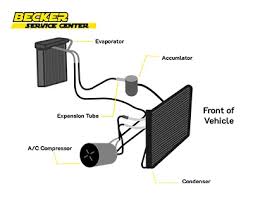
- Low Refrigerant Levels The most common cause of A/C issues in cars is low refrigerant levels. Refrigerant is the substance that helps absorb heat from the air inside your car and expels it outside. If there isn’t enough refrigerant, the system can’t cool the air properly, leading to weak or warm airflow. Low refrigerant levels are often the result of leaks in the system, which can develop over time due to wear and tear or damage.
- Faulty Compressor The compressor is the heart of your car’s A/C system. It pressurizes and circulates the refrigerant through the system. If the compressor is malfunctioning or has failed, the refrigerant won’t be properly circulated, leading to a lack of cool air. A faulty compressor may be caused by electrical issues, worn components, or a lack of lubrication.
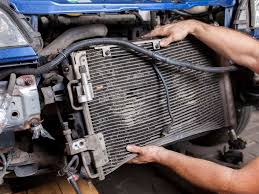
- Clogged or Dirty Condenser The condenser is responsible for releasing the heat absorbed by the refrigerant. If it becomes clogged with dirt, debris, or leaves, it won’t be able to function properly, and your A/C won’t blow cold air. A dirty condenser can also be the result of road salt or bugs building up over time, especially if you frequently drive on highways or rural roads.
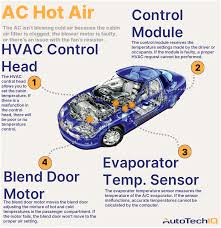
- Broken Blower Motor If the A/C is working but you’re not getting enough airflow, it may be due to a damaged or malfunctioning blower motor. The blower motor is responsible for pushing the cold air into the cabin. If the motor is defective or the fan is obstructed, you will likely notice weak airflow or no airflow at all.
- Faulty Expansion Valve or Orifice Tube The expansion valve or orifice tube controls the flow of refrigerant into the evaporator. If either of these components is clogged or damaged, it can affect the refrigerant flow, leading to an improper cooling cycle. This can result in warm air coming from the vents.
- Electrical Issues Many components in the A/C system are powered by electricity. Problems with electrical connections, fuses, relays, or sensors can prevent the A/C from running properly. For instance, a blown fuse could disable the compressor, or a malfunctioning sensor could prevent the system from engaging at all.
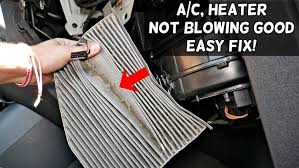
- Faulty Cabin Air Filter A clogged cabin air filter can restrict airflow, making it hard for the A/C system to circulate air effectively. If your A/C is blowing weak or no air, a dirty or clogged air filter may be responsible.
- Leaking A/C System Leaks in the A/C system may be caused by damaged hoses, connections, or seals. A leak allows refrigerant to escape, which results in the system being unable to cool the air properly. A professional mechanic will use specialized equipment to detect refrigerant leaks and fix them.
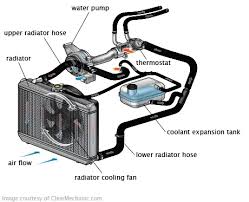
- Thermostat Problems The thermostat regulates the temperature of the air coming through the A/C vents. If the thermostat is faulty, it may not signal the A/C system to cool the air properly, causing warm or hot air to blow out instead.
2. How to Diagnose Why Your Car A/C Is Not Blowing Cold Air
Diagnosing the issue with your vehicle’s A/C system can be complex, especially if you’re not familiar with car mechanics. However, there are several steps you can take to narrow down the problem and determine the cause.
Step-by-Step Troubleshooting Guide
- Check the Temperature Settings The first and easiest thing to check is whether the temperature settings on the A/C controls are set correctly. Ensure that the temperature is turned to the coldest setting and the A/C button is activated. Sometimes, the problem might be as simple as a button or switch being turned off.
- Listen for Unusual Noises Start your car and listen for any unusual noises coming from the A/C system. If you hear a grinding or squealing sound, it could suggest that the compressor is failing. If you hear a clicking sound, this may be a sign of a problem with the blower motor or a stuck expansion valve.
- Inspect the A/C System for Leaks Check the refrigerant lines and hoses for visible signs of leaks, such as oily spots or cracks in the rubber. While small leaks might be hard to identify, larger leaks may be more apparent. A mechanic can perform a more thorough inspection using UV dye or an electronic leak detector.
- Examine the Condenser If you notice that the A/C isn’t cooling, but the compressor is engaging, check the condenser for any debris or blockages. You can use a garden hose to spray water over the condenser and remove any debris. If the condenser is clean but the system is still not cooling, the problem may lie elsewhere in the system.
- Test the A/C Compressor A simple check to see if your A/C compressor is working is to examine the clutch on the front of the compressor. With the A/C turned on, the clutch should engage, and you should feel a slight increase in engine load. If the clutch isn’t engaging, the compressor may be defective or the system might be low on refrigerant.
- Check the Cabin Air Filter A clogged cabin air filter can cause weak airflow from the vents. To check the air filter, consult your owner’s manual to find the filter, remove it, and inspect it for dirt or debris. If the filter is clogged, replace it with a new one to improve airflow.
- Inspect the Blower Motor If there’s no air coming through the vents, the blower motor might be the culprit. You can test the blower motor by turning the fan to its highest setting. If the fan doesn’t blow air at all, the motor may be defective and need to be replaced.
3. Fixing Your Car A/C System: Solutions to Common Problems
Once you’ve diagnosed the issue with your vehicle’s A/C system, it’s time to address the problem. Depending on the severity of the issue, there are a variety of fixes you can try.
1. Refill or Recharge the Refrigerant
If low refrigerant is the cause of your A/C issues, refilling the refrigerant may be a quick and easy fix. However, refrigerant leaks are common, and adding refrigerant may not solve the problem completely. If you suspect a leak, it’s important to have a professional inspect and repair the system.
How to Recharge Your Car’s A/C System:
- Purchase a refrigerant recharge kit from an auto parts shop.
- Attach the pressure gauge to the low-pressure service port on the A/C system.
- Follow the instructions provided with the kit to refill the refrigerant.
- Monitor the pressure on the gauge to make sure it reaches the correct level.
If you are unsure about performing this task, it is best to have a professional recharge the refrigerant for you.
2. Replace the A/C Compressor
A defective A/C compressor will need to be replaced if it’s not working effectively. Replacing the compressor is a complex task and requires knowledge of the A/C system. It’s recommended to consult a professional mechanic to perform this repair. If the compressor is under warranty, the cost of replacement might be covered.
3. Clean or Replace the Condenser
If the condenser is clogged, clean it by removing any debris from the front. A simple wash with water can remove road dirt and leaves. If the condenser is damaged or clogged beyond cleaning, it may need to be replaced. A mechanic can perform a pressure test to determine the condition of the condenser.
4. Replace the Blower Motor
If your blower motor is malfunctioning, it may need to be replaced. The blower motor is typically located beneath the dashboard, and replacement can be a labor-intensive process. A professional can replace the blower motor, ensuring that it’s connected to the A/C system properly.
5. Fix the Cabin Air Filter
If a clogged air filter is the problem, replacing it with a new one is a simple and inexpensive solution. A new filter will improve airflow and restore the cooling performance of the A/C.
6. Repair Refrigerant Leaks
If you discover that your A/C system is leaking refrigerant, the leak will need to be repaired. A mechanic can use UV dye to pinpoint the location of the leak and then repair it. After the leak is sealed, the system will need to be recharged with refrigerant.
4. Preventive Maintenance for Your Car A/C System