
When it comes to keeping your car’s air conditioning system running smoothly, one of the most critical factors is the refrigerant gas. Over time, the refrigerant level in your car’s AC can decrease due to leaks, normal wear and tear, or simply because the system needs a recharge. In this comprehensive guide, we will dive into everything you need to know about car AC recharge gas – from understanding its role in the system to when and how to recharge it, and the benefits of maintaining proper refrigerant levels.



What is Car AC Recharge Gas?
Car AC recharge gas, also known as refrigerant, is a substance used in your car’s air conditioning system to facilitate the cooling process. It absorbs the heat from inside your vehicle and releases it outside, ensuring that you stay comfortable even during the hottest summer days. The most common refrigerants used in modern vehicles are R-134a and R-1234yf, although older cars may use R-12, which is no longer in use due to environmental concerns.
The refrigerant operates in a closed loop system. The process begins when the compressor compresses the refrigerant gas, raising its temperature. The gas then moves through a condenser, where it is cooled down. Once cooled, the refrigerant passes through the expansion valve or orifice tube, which causes a pressure drop and results in the refrigerant evaporating. This process absorbs heat from the interior of your vehicle, and the now cool refrigerant circulates back to the compressor, repeating the cycle.
Why Does Your Car’s AC Need a Recharge?
Refrigerant is a vital component in the operation of your vehicle’s air conditioning system, but it’s important to note that it isn’t consumed or used up in the process. Instead, the refrigerant remains in a closed loop. However, it is normal for small amounts of refrigerant to leak out over time. This is why, in most cases, your car’s AC system will eventually require a recharge. Here are the primary reasons why you may need a recharge:
1. Refrigerant Leaks
Leaks are one of the most common reasons why your air conditioning system loses refrigerant. Over time, seals and hoses can become brittle and crack, leading to slow leaks. While a small leak may not immediately affect the AC’s performance, it can reduce the refrigerant levels enough to cause the system to stop cooling effectively.
2. Normal Wear and Tear
Even without visible leaks, the refrigerant may slowly deplete as a result of wear and tear on the air conditioning system. The process is gradual, but over several years, it can result in low refrigerant levels that affect cooling performance.
3. Improper Maintenance
Not maintaining your AC system properly can lead to issues such as decreased refrigerant levels. For instance, if your air conditioning system isn’t flushed and serviced regularly, it could lose refrigerant faster than it should.
4. Accidents or Damage
Damage to your vehicle, such as a collision, can sometimes damage the AC system and result in refrigerant leaks. If the condenser or other components of the AC system are compromised, the refrigerant may leak out, necessitating a recharge.
Signs Your Car AC Needs a Recharge
A few warning signs can help you determine if your vehicle’s AC system needs a refrigerant recharge. Some of the most common signs and symptoms include:
1. Warm Air
One of the first signs that your AC might be low on refrigerant is if it’s blowing warm or lukewarm air instead of cool air. Without sufficient refrigerant, the AC system will struggle to cool the air within the cabin.
2. Weak Airflow
A significant decrease in airflow from the AC vents, even when the fan is running on high, could indicate that there’s insufficient refrigerant or another underlying issue with the system.
3. Strange Noises
If you hear unusual noises such as hissing or bubbling sounds from the AC system, it may be a sign of a refrigerant leak. Hissing noises are often heard when refrigerant escapes through small leaks in the hoses or seals.
4. Frost or Ice Buildup
Excessive moisture within the system can lead to ice buildup around the AC’s evaporator coil or the refrigerant lines. This can happen if the refrigerant level is too low to keep the system working properly.
5. AC Not Turning On
In some instances, if the refrigerant level is too low, the air conditioning system may actually fail to turn on. The system will often detect low refrigerant as a safety measure and refuse to activate to prevent damage.
How to Recharge Your Car’s AC System
Recharging your car’s air conditioning system involves adding refrigerant to the system to restore its cooling performance. While this is a process that many car owners can perform themselves, it is important to understand the steps involved and the precautions you need to take. Here’s how to recharge your car’s AC system:
1. Check the Refrigerant Level
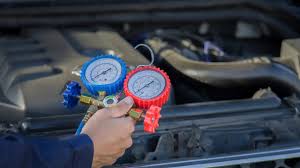
Before proceeding with the recharge, it is important to check whether your AC system is actually low on refrigerant. Many modern cars are equipped with an AC pressure gauge that lets you determine the refrigerant levels. If your car doesn’t have one, you can purchase a recharge kit with a built-in gauge to check the levels.
2. Purchase the Right Refrigerant
It is important to use the correct type of refrigerant for your car. If your vehicle uses R-134a, you can buy it at most auto parts shops. If it uses the newer R-1234yf, you’ll need to find a compatible refrigerant, which may be slightly more expensive. Check your car’s manual for the appropriate type.
3. Prepare Your Vehicle
Start by parking your car in a well-ventilated area and turn off the engine. Engage the parking brake, and make sure the air conditioning system is turned on to the highest setting with the fan running at full speed.
4. Attach the Recharge Hose
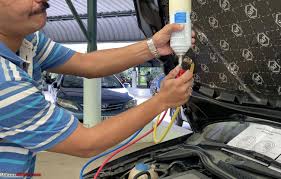
Follow the instructions that come with your refrigerant kit. Attach the hose to the low-pressure port of the AC system. The low-pressure port is typically located near the compressor and is marked with a blue or black cap.
5. Add the Refrigerant
With the hose securely attached, slowly release the refrigerant into the system. Monitor the pressure gauge carefully as you do this. The correct pressure range for your car’s system will be listed in your vehicle’s manual. Add the refrigerant in short bursts to avoid overcharging the system.
6. Check the Performance
Once you’ve added the correct amount of refrigerant, disconnect the hose and start the car. Turn the AC system back on and check the cooling performance. The air should begin to feel cooler, and airflow should be stronger.
7. Inspect for Leaks
After recharging, you should inspect the AC system for any signs of leaks. If you continue to experience poor cooling or airflow, it may indicate that the system is leaking refrigerant, and the recharge may only have been temporary. In this case, it’s best to have a professional inspect the system.
The Importance of Proper AC Maintenance
While recharging your car’s AC system can be a DIY task, it’s important to note that maintaining the refrigerant at the correct levels is just one part of keeping your system functioning effectively. Proper maintenance is crucial to extend the life of your AC system and ensure it operates at top performance. Here are a few tips to keep your car’s AC running smoothly:
1. Regularly Check for Leaks
If your vehicle has a history of refrigerant leaks, it’s important to check the system regularly to make sure that leaks don’t go undetected. A professional mechanic can perform an AC leak test to detect small leaks that may not be visible.
2. Change the Cabin Air Filter
The cabin air filter helps keep dirt, dust, and debris from entering the air conditioning system. Over time, this filter can become clogged, reducing airflow and making your AC system less effective. Replace the cabin air filter as part of your regular vehicle maintenance schedule.
3. Run the AC System Regularly
Even in the colder months, it’s a good idea to run your vehicle’s air conditioning for about 10 minutes every few weeks. This helps keep the components lubricated and prevents seals from drying out.
4. Flush the System
A professional mechanic may also recommend flushing your AC system periodically to remove moisture and contaminants that may build up over time. This is especially important if the refrigerant has leaked out completely.
5. Inspect the AC Compressor
The compressor is the heart of your air conditioning system. If it starts to fail, it can prevent your AC from cooling properly. Regularly inspect the compressor for signs of wear or damage.
Conclusion
Maintaining the right level of car AC recharge gas is vital for the comfort and performance of your car’s air conditioning system. Whether you decide to recharge the system yourself or take it to a professional, understanding the role of refrigerant and how to properly maintain your AC system can ensure you stay cool on the road all year long. Don’t neglect your AC system—regular checkups, recharges, and preventative maintenance can save you money and keep your vehicle running at its best.