
When it comes to your car’s air conditioning (AC) system, making sure it works efficiently during warm weather is essential for comfort and safety. Over time, your vehicle’s AC may lose its cooling performance due to low refrigerant levels, making it important to recharge the system. Car AC charging is a crucial maintenance task that restores your AC’s overall performance and ensures your journeys stay cool and enjoyable.
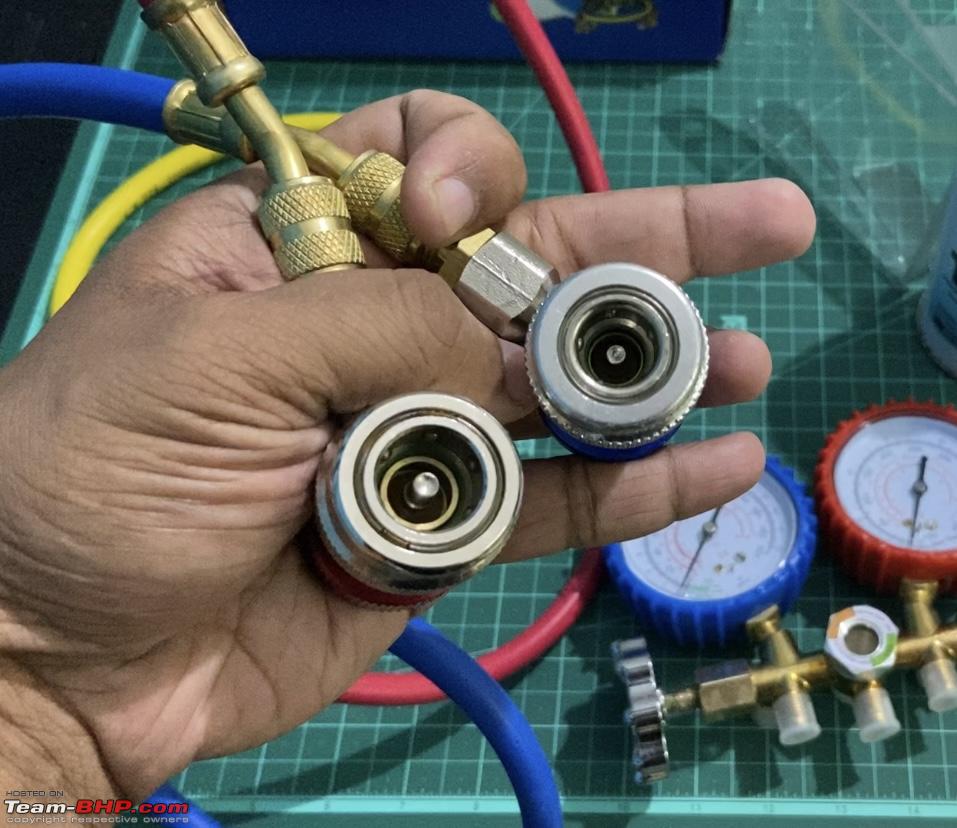
This comprehensive, SEO-friendly guide will cover all aspects of car AC charging, from understanding how your car AC works to identifying when it needs to be recharged, and tips to ensure your system stays in top condition. Whether you’re a car owner or an automobile enthusiast, this guide will provide actionable insights to keep your car’s AC running like new.
How Does a Car AC Work?
Before diving into the specifics of AC charging, it’s important to understand how your car’s AC system functions. The car AC system relies on a refrigerant (commonly known as coolant or gas) to absorb heat and deliver cool air inside the cabin. Here’s a step-by-step breakdown of the process:
1. Compressor
The AC compressor compresses the refrigerant gas, increasing its temperature and pressure. The high-pressure refrigerant then moves to the condenser.
2. Condenser
The condenser cools the high-pressure refrigerant, changing it into a liquid. This component works like a radiator, using airflow to remove heat from the refrigerant.
3. Expansion Valve
The expansion valve or orifice tube reduces the refrigerant’s pressure, allowing it to expand and cool rapidly before entering the evaporator.
4. Evaporator
The refrigerant flows through the evaporator coil, where it absorbs heat from the cabin air. The cooled air is then circulated inside the car, while the refrigerant returns to the compressor to repeat the cycle.
What Is Car AC Charging?
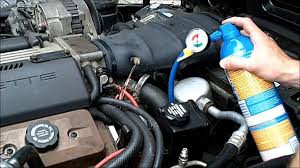
Car AC charging is the process of refilling or recharging the refrigerant in your car’s air conditioning system. Over time, refrigerant levels may decrease due to leaks, wear and tear, or natural dissipation. Low refrigerant levels compromise the cooling performance of your car AC, leading to inadequate or no cold air.
AC charging replenishes the refrigerant, ensuring the system operates effectively. It’s a routine maintenance task that should be done as part of your vehicle’s upkeep to maintain optimal cooling performance.
Signs Your Car AC Needs Charging
Identifying when your car AC needs a recharge can save you from discomfort and costly repairs. Here are a few common signs that suggest your AC system may need charging:
1. Weak Cooling Performance
If the air blowing out of your AC vents isn’t as cold as it used to be, it’s a clear sign that the refrigerant levels may be low.
2. Warm Air from Vents
When your AC starts blowing warm air instead of cold, it’s likely due to insufficient refrigerant.
3. AC Clutch Not Engaging
The AC clutch engages only when the refrigerant level is adequate. If it doesn’t engage, it may suggest low refrigerant levels.
4. Strange Noises
Unusual hissing or bubbling noises from the AC system may also suggest a refrigerant leak.
5. Ice on AC Components
Ice formation on the evaporator or refrigerant lines can be a sign of low refrigerant levels.
6. Increased Cabin Humidity
Low refrigerant levels reduce the AC’s capacity to dehumidify the air, resulting in a humid and uncomfortable cabin.
The AC Charging Process
If your car AC shows any of the above signs and symptoms, it’s time to recharge the system. Here’s a step-by-step overview of the AC charging process:
1. Inspection and Leak Detection
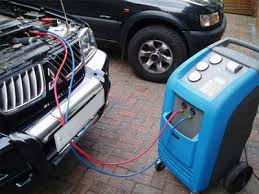
Before recharging, a technician inspects the AC system for leaks. Using equipment like UV dye or electronic leak detectors, they identify and repair any leaks to prevent refrigerant loss.
2. Refrigerant Removal
The old refrigerant and any contaminants are removed from the system using a recovery tool.
3. Vacuum Test
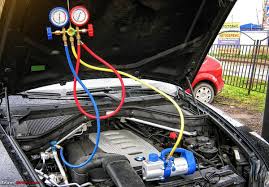
A vacuum is applied to the AC system to remove moisture and check for any remaining leaks.
4. Refrigerant Refill
The correct amount of refrigerant is refilled into the system according to the manufacturer’s specifications. Overcharging or undercharging the system can cause performance issues.
5. Performance Testing
The system is tested to ensure it’s cooling effectively, and the refrigerant pressure is checked to verify efficient operation.
Types of Refrigerants for Car AC Systems
The type of refrigerant used in your car AC depends on its make, model, and year of manufacture. Here are the most common refrigerants:
1. R-12 (Freon)
- Used in vehicles manufactured before 1994.
- Phased out due to its harmful environmental impact (ozone depletion).
2. R-134a
- Introduced as a more stable alternative to R-12.
- Commonly used in vehicles built from 1994 to the mid-2010s.
3. R-1234yf
- A more recent refrigerant with lower environmental impact.
- Widely used in modern vehicles manufactured after 2015.
It’s important to use the correct refrigerant for your vehicle. Using the wrong type can damage the AC system and void the warranty.
DIY vs. Professional AC Charging
While some vehicle owners may prefer to recharge their AC systems themselves, it’s important to weigh the pros and cons of DIY versus professional AC charging.
DIY AC Charging
- Pros:
- Cost-effective.
- Convenient for minor recharges.
- Cons:
- Risk of overcharging or undercharging the system.
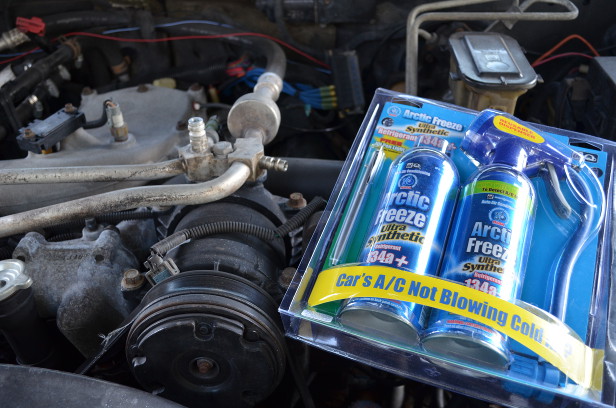
- Requires specialized equipment like refrigerant gauges and cans.
- Inability to detect and repair leaks.
Professional AC Charging
- Pros:
- Comprehensive inspection and leak repair.
- Proper refrigerant handling and disposal.
- Ensures correct refrigerant levels.
- Cons:
- Higher cost compared to DIY methods.
If you’re unfamiliar with AC systems or suspect a refrigerant leak, it’s best to leave the task to a professional technician.
How Often Should You Recharge Your Car AC?
There’s no universal timeline for AC recharges, because it depends on various factors like usage, vehicle age, and refrigerant leaks. However, most experts recommend recharging the AC every 1 to 2 years or whenever cooling performance declines. Regular maintenance and inspections can help identify issues early and extend the lifespan of your AC system.
Benefits of Regular AC Charging
Maintaining the right refrigerant level in your car AC offers several advantages:
1. Optimal Cooling Performance
Recharging your AC ensures it provides consistent and effective cooling, even during scorching summers.
2. Improved Fuel Efficiency
A properly functioning AC system requires much less energy, resulting in better fuel economy.
3. Enhanced Air Quality
Adequate refrigerant levels ensure your AC dehumidifies and filters the air effectively, providing a comfortable and healthy cabin environment.
4. Prevents System Damage
Low refrigerant levels can cause the compressor to overwork, leading to wear and potential failure. Regular AC charging prevents such issues.
Tips for Maintaining Your Car AC System
Keeping your AC system in top condition requires more than simply recharging. Here are a few maintenance tips to ensure long-lasting performance:
- Run the AC Regularly: Even during winter, running the AC for a few minutes prevents seals from drying out and ensures proper flow of refrigerant.
- Replace the Cabin Air Filter: A clogged air filter reduces airflow and affects cooling performance. Replace it every 12,000–15,000 miles.
- Clean the Condenser: Dirt and debris can block the condenser, reducing its ability to cool the refrigerant. Regular cleaning ensures optimal performance.
- Check for Leaks: Inspect hoses, connections, and components for signs of refrigerant leaks.
- Schedule Regular Servicing: Professional inspections and servicing can identify potential issues before they become costly repairs.
Common Myths About Car AC Charging
Let’s debunk a few misconceptions about car AC recharging:
- Myth 1: Recharging refrigerant will fix all AC issues.
- Fact: AC issues can also stem from leaks, compressor problems, or electrical faults, which require more than just a recharge.
- Myth 2: DIY recharges are always sufficient.
- Fact: Without proper equipment and expertise, DIY recharges can cause more damage than good.
- Myth 3: You don’t need to recharge if the AC still blows cold air.
- Fact: Gradual refrigerant loss can reduce performance over time, even though the AC still works.
Conclusion
Car AC charging is an essential aspect of vehicle maintenance that ensures a comfortable and enjoyable driving experience. By understanding the signs of low refrigerant, choosing the right recharge method, and maintaining your AC system, you can avoid costly repairs and stay cool on the road.
Whether you choose DIY AC recharging or professional services, regular maintenance is key to extending the life of your car’s air conditioning system. Stay proactive,