
The air conditioning (AC) system in your car is an essential component, especially during the hot summer months. It keeps the interior of your vehicle cool, comfortable, and free from humidity, helping to improve air quality inside your car. However, like every other system in your car, the AC requires regular maintenance to ensure it works efficiently and effectively. One of the most important maintenance tasks for your vehicle’s AC system is cleaning.


In this guide, we will take a deep dive into the importance of car AC cleaning, how to clean your car’s AC system, the benefits of keeping your AC clean, and common signs that suggest your car AC needs cleaning. We will also discuss common issues that a clean AC system can help prevent and provide tips on how to ensure your AC works at top performance.
What Is Car AC Cleaning?
Car AC cleaning involves the process of removing dust, debris, and mold from the components of your car’s air conditioning system. Over time, the air conditioning system can accumulate dirt, dust, and bacteria in various components such as the condenser, evaporator, and cabin air filter. Cleaning these components is essential to maintain airflow, reduce allergens, and enhance the overall air quality inside your car.
Key Areas Involved in Car AC Cleaning:
- Cabin Air Filter: This filter traps dust, pollen, and other particles from the outside air, preventing them from entering your vehicle’s cabin. Over time, the cabin air filter becomes clogged, reducing airflow and efficiency.
- Evaporator Coil: The evaporator coil is responsible for cooling the air inside your vehicle. Dirt, mildew, and mold can build up on the coil, which may impact cooling performance.
- Condenser: The condenser helps release heat from the refrigerant as it changes from a gas to a liquid. Dust and debris can block the condenser’s ability to release heat efficiently.
- AC Vents: The vents where air is released into your vehicle’s cabin can become clogged with dirt, dust, and bacteria, affecting air quality and flow.
- Drains and Pipes: Over time, the AC system’s drainage tubes can get clogged with dirt or algae, which can cause a buildup of stagnant water within the system.
Why Is It Important to Clean Your Car AC?
Cleaning your car’s AC system isn’t just about improving air quality; it’s also important for maintaining the performance and durability of your AC system. Below are the reasons why you should prioritize regular AC cleaning:
1. Improve Air Quality Inside the Cabin
The primary purpose of your car’s air conditioning system is to provide cool, clean air to the cabin. Over time, dirt, dust, mold, and bacteria can accumulate inside the AC system. When this happens, it can result in poor air quality inside your car, leading to musty odors or even respiratory issues. Regular cleaning helps prevent allergens and pollutants from circulating within the cabin.
2. Increase Cooling Efficiency
A clean AC system will work more efficiently, meaning your vehicle will cool down faster and maintain a comfortable temperature more effectively. When dirt or debris clogs parts of the AC system, it can reduce airflow and cause the system to work harder, consuming more energy and potentially increasing fuel consumption.
3. Prevent Bad Odors
One of the most common issues with an AC system that hasn’t been cleaned regularly is the presence of unpleasant smells. Mold, mildew, and bacteria can accumulate in the evaporator coil, producing a musty scent. Cleaning the AC system removes these unpleasant smells and ensures that fresh air flows into your cabin.
4. Extend the Life of Your AC System
Cleaning your car’s AC system regularly can help extend its lifespan. Components such as the evaporator, condenser, and cabin air filter can get clogged over time, leading to reduced performance and potential damage. Cleaning these components prevents the buildup of contaminants that could cause long-term damage to the AC system, helping to avoid costly repairs or replacements.
5. Prevent Mold and Mildew Growth
If moisture accumulates in your AC system and isn’t properly cleaned, it can create a breeding ground for mold and mildew. These fungi can spread throughout the AC system, releasing spores into the cabin and causing health issues such as allergies and respiratory problems. Regular cleaning helps prevent this problem by removing moisture and contaminants.
6. Improve Fuel Efficiency
When your AC system is clogged with debris, it can cause the system to work harder, increasing the load on the engine and consuming more fuel. A clean AC system operates more efficiently, allowing your engine to perform optimally and reducing fuel consumption.
How to Clean Your Car AC System
Cleaning your car’s AC system involves several steps to ensure that all components are thoroughly cleaned and free of debris. Below is a detailed guide on how to clean your vehicle’s AC system.
Step 1: Replace the Cabin Air Filter
The cabin air filter is the first line of defense in keeping the air inside your car clean. It filters out dirt, dust, pollen, and other pollutants from entering the cabin. Over time, the filter can become clogged, reducing airflow and efficiency.
- Locate the Cabin Air Filter: The cabin air filter is typically located behind the glove compartment or beneath the dashboard. Consult your car’s manual for the exact location.
- Remove the Filter: Open the compartment or dashboard panel to access the filter. Carefully remove the filter from its housing.
- Inspect the Filter: If the filter is dirty or clogged, replace it with a new one. If it is only slightly dirty, you can clean it by tapping it lightly to remove loose dirt. Some filters are washable and can be cleaned with water and soap.
- Install the New or Cleaned Filter: Place the clean or new cabin air filter back into its compartment and secure it.
Step 2: Clean the AC Vents
The AC vents are where the cool air flows into your cabin, and they can become clogged with dust and debris over time. Dirty vents can also harbor bacteria and mold, lowering the air quality in your vehicle.
- Turn Off the AC: Make sure your AC is off before you start cleaning the vents.
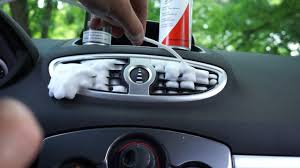
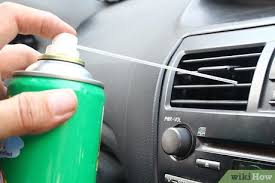
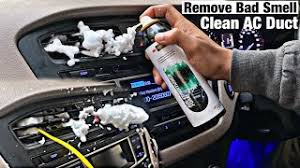
- Clean the Vents: Use a small brush or vacuum cleaner with a hose attachment to remove dirt and dust from the vents. You can also use a microfiber cloth to wipe the surfaces of the vents. For stubborn dirt, consider using compressed air to blow out the debris.
- Disinfect the Vents: To kill any bacteria or mold that may be present in the vents, spray a disinfectant or an AC cleaner specifically designed for car air conditioning systems. Allow the cleaner to sit for a few minutes before wiping the vents clean.
Step 3: Clean the Evaporator Coil
The evaporator coil is responsible for cooling the air inside your car. Dirt, mold, and mildew can accumulate on the coil, reducing its cooling efficiency.
- Access the Evaporator Coil: The evaporator coil is typically located behind the dashboard, and accessing it may require professional tools or expertise. If you are not comfortable doing this yourself, consider taking your vehicle to a professional.
- Use an AC Cleaner: Spray an AC coil cleaner onto the evaporator coil. Be sure to follow the instructions on the product for best results. Let the cleaner sit for the recommended time to break down dirt, mildew, and mold.
- Wipe Down the Coil: After the cleaner has had time to work, wipe down the evaporator coil with a clean cloth.
Step 4: Clean the Condenser
The condenser helps remove heat from the refrigerant. Over time, dirt and debris can accumulate on the condenser, reducing its overall performance.
- Locate the Condenser: The condenser is usually located in front of the car’s radiator, near the engine.
- Clean the Condenser: Use a brush or compressed air to remove dirt, leaves, and other debris from the condenser. Be gentle, because the fins of the condenser can bend easily.
- Inspect for Damage: While cleaning the condenser, look for any visible damage, such as bent fins or leaks. If you notice any issues, it may be time for a professional repair.
Step 5: Drain the Moisture
Excess moisture within the AC system can cause the growth of mold and mildew. Make sure the system is draining properly.
- Check the Drain Tube: The drain tube allows moisture to exit the AC system. If the tube is clogged, water may accumulate within the system.
- Clear the Drain Tube: Use a small tool or compressed air to clean the drain tube and ensure proper drainage. If you notice any water pooling within the cabin, this may be a sign of a clogged drain.
Step 6: Run the AC System
After cleaning, run your AC system for about 10-15 minutes to make sure that everything is functioning effectively. Check the airflow to make sure there’s no obstruction, and listen for any unusual sounds. If the system is operating smoothly and cooling the air effectively, you’ve successfully cleaned your car’s AC system.
Signs That Your Car AC Needs Cleaning
It’s important to regularly clean your car’s AC system to maintain its overall performance, but how do you know when it’s time to clean it? Below are some signs that indicate your AC system may need cleaning:
- Bad Odors: A musty or moldy smell coming from the vents is a clear sign that mold, mildew, or bacteria has accumulated in the AC system.
- Weak Airflow: If you notice that the airflow from your AC vents is weak, it may be due to a clogged cabin air filter or debris in the vents.
- Poor Cooling Performance: