
When the summer heat hits, the air conditioning (AC) system in your vehicle becomes one of the most crucial components for ensuring a comfortable and enjoyable driving experience. While modern vehicles are equipped with advanced cooling systems, some car models and makes, like the Cobra, have particular features when it comes to the air conditioning system. Whether you drive a Cobra or simply want to learn more about car AC systems in general, understanding how the Cobra car AC functions, common issues, and how to repair or maintain it can significantly improve your experience as a driver.

In this comprehensive guide, we’ll take a deep dive into the world of Cobra car AC systems, highlighting common issues, maintenance tips, and how to troubleshoot and fix your AC when necessary. Whether you own a Shelby Cobra, a Ford Cobra, or any other variant with a specialized AC system, this article will provide helpful insights to keep your AC running smoothly all year round.
What is a Cobra Car?
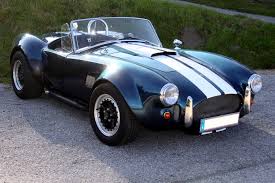
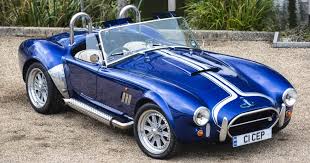
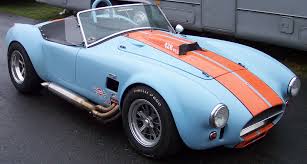
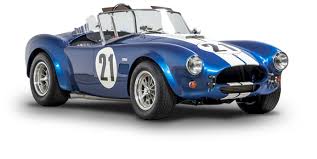
Before we dive into specific information regarding Cobra car AC, it’s essential to first understand the car itself. The Cobra has been a legendary name in the automotive industry, particularly associated with high-performance sports cars. The Shelby Cobra, created by the renowned car designer Carroll Shelby in the 1960s, is perhaps the most iconic. These cars are characterized by their sleek design, powerful engines, and lightweight builds, making them popular among car enthusiasts and collectors.
However, despite the Cobra’s emphasis on speed and performance, the Cobra AC system may not always be as straightforward as those found in more modern vehicles. Due to the variety of Cobra models and the fact that some were custom-built, understanding the particular needs of your vehicle’s air conditioning system is essential.
Understanding Car AC Systems in Cobra Cars
The air conditioning system in Cobra vehicles is similar to that of other vehicles in the way it operates, but it may sometimes vary in terms of design and components due to the car’s custom and performance-focused nature. Like most car air conditioning systems, the Cobra AC system works by circulating refrigerant through a series of components, including the compressor, condenser, evaporator, and expansion valve. These components work together to absorb heat from inside the cabin and expel it outside, keeping the interior cool and comfortable.
Key Components of a Car AC System
- Compressor: The heart of the AC system, the compressor pumps the refrigerant through the system, where it undergoes several stages of expansion and compression.
- Condenser: After the refrigerant leaves the compressor, it enters the condenser, where it releases the heat it absorbed from inside the cabin.
- Evaporator: The evaporator is responsible for absorbing heat from the cabin air and turning the refrigerant into a gas.
- Expansion Valve: This component regulates the flow of refrigerant into the evaporator, ensuring the proper pressure for cooling.
In Cobra vehicles, these components are sometimes adapted or customized, depending on the model, age of the car, and any modifications made by the owner. As such, servicing or troubleshooting the AC in a Cobra may require more specialized knowledge or parts.
Common Issues with Cobra Car AC Systems
Just like other vehicles, Cobra AC systems can experience issues over time. While some issues may be simple fixes, others may require professional attention. Let’s look at some of the most common issues that could arise with your Cobra’s AC system.
1. Warm Air Blowing from the AC
One of the most common AC problems in Cobra vehicles—and in vehicles in general—is the issue of warm air blowing from the vents when the AC is turned on. There are several potential causes of this problem:
- Low Refrigerant: If the refrigerant level in the system is too low, the AC system will not be able to cool the air effectively. Refrigerant leaks are the most common cause of low refrigerant levels, and they can occur in any of the AC system components, including hoses, seals, or the evaporator coil.
- Compressor Problems: The compressor is responsible for pressurizing the refrigerant and circulating it through the system. If the compressor fails or becomes damaged, the AC will no longer cool the air.
- Faulty Expansion Valve: If the expansion valve is malfunctioning, it could cause improper refrigerant flow, which will prevent the AC system from cooling properly.
2. Weak Airflow
If the air coming from the AC vents is weak, it may be a sign of a clogged or dirty air filter. The air filter is designed to remove dirt, debris, and contaminants from the air before it enters the AC system. Over time, the filter can become clogged, reducing airflow and causing the AC system to underperform.
Another possible cause of weak airflow is a malfunctioning blower motor. The blower motor is responsible for pushing air through the system and into the cabin. If the motor is damaged or malfunctioning, the airflow will be reduced.
3. Unusual Noises
Hearing unusual noises when you turn on the AC may be a sign of various issues. Common noises that may require attention include:
- Grinding Noises: This can indicate an issue with the blower motor or compressor, as the parts may be wearing down or damaged.
- Hissing Noises: A hissing sound could be caused by a refrigerant leak or a valve issue within the AC system.
- Banging or Rattling: This could be due to debris in the AC system or a loose component.
4. Foul Smells
A musty or moldy smell coming from the AC vents is a common issue resulting from mold or bacteria growth in the evaporator coils or drain lines. Since the AC system relies on condensation to cool the air, moisture can accumulate within the system, creating the ideal environment for mold to grow. This can lead to unpleasant odors within the cabin, which can be difficult to remove without professional cleaning.
5. AC System Not Turning On
If your Cobra’s AC system is completely unresponsive, there may be an issue with the electrical system or the control unit. It could also indicate problems with the fuses, relays, or wiring that power the system. In some cases, the issue could be as simple as a blown fuse, but it could also suggest a deeper electrical issue that requires a more thorough diagnosis.
How to Fix Your Cobra’s AC System
When your Cobra’s AC is acting up, you may need professional help, especially if you’re dealing with a more complex issue like refrigerant leaks or compressor problems. However, there are several DIY steps you can take to troubleshoot and possibly fix minor issues on your own.
1. Check the Air Filter
If you’re experiencing weak airflow, start by checking the air filter. A clogged air filter can restrict airflow, so replacing it with a new one should restore the AC’s performance. In Cobra vehicles, the air filter is often easy to access and can be replaced with minimal tools.
2. Recharge the Refrigerant
If your AC is blowing warm air, low refrigerant may be the culprit. Refrigerant can leak out of the system over time, particularly if there’s a small leak in the hoses or connections. You can recharge the refrigerant yourself using an AC recharge kit, which is available at most auto parts stores. Be sure to follow the instructions carefully, as overcharging the system can cause further damage.
3. Inspect for Leaks
If you suspect that there is a refrigerant leak in your Cobra’s AC system, you can visually inspect the hoses, seals, and connections for signs of oil or dye, which is often added to the refrigerant to help identify leaks. If you find a leak, it’s best to take your car to a professional mechanic who can repair the leak and recharge the refrigerant.
4. Clean the Condenser
If the condenser is clogged with debris such as dirt, leaves, or bugs, it can reduce the efficiency of the AC system. Carefully clean the condenser using compressed air or a soft brush to remove any obstructions. This can improve the airflow and restore the cooling power of your AC system.
5. Inspect the Compressor
If your AC is still not working, you may need to inspect the compressor. Check for signs of damage, leaks, or unusual noises that might suggest a failing compressor. In most cases, a malfunctioning compressor requires professional repair or replacement.
6. Professional Help
If you’ve checked the above components and your Cobra’s AC system is still not operating properly, it’s time to call in the professionals. A licensed mechanic with experience working on Cobra cars or similar models will be able to perform a thorough inspection and accurately diagnose the issue.
Maintaining Your Cobra’s AC System
Preventative maintenance is key to keeping your Cobra’s AC system running smoothly. Regularly servicing your AC system can prevent common problems from developing and help you avoid costly repairs down the line. Here are a few tips for maintaining your Cobra’s AC:
- Replace the Air Filter: Regularly replace the air filter to ensure proper airflow.
- Check Refrigerant Levels: Keep an eye on your refrigerant levels and top them off as needed to ensure optimal performance.
- Clean the Condenser: Clean the condenser periodically to prevent dirt and debris buildup.
- Use the AC Regularly: Even during the winter months, use your AC system periodically to keep it functioning properly. This helps keep the seals lubricated and prevents mold growth.
- Annual Inspection: Have your AC system inspected by a professional mechanic once a year to catch any potential issues early.
Conclusion
Owning and maintaining a Cobra car is a unique experience, and keeping your vehicle’s air conditioning system in