
Your vehicle’s air conditioning (AC) system plays an essential role in maintaining comfort during drives, especially in warm weather. When your car AC stops working, it can quickly become a frustrating and uncomfortable experience. In this comprehensive guide, we’ll explore the common reasons why your car AC may fail, how to fix it, and the steps to maintain it. Whether you’re a car owner or an auto parts retailer looking to educate your customers, this article is full of helpful tips and SEO-friendly information.




Common Reasons Why a Car AC Stops Working
Understanding why your car AC isn’t working is the first step toward resolving the problem. Below are the most common reasons:
1. Low Refrigerant Levels
Refrigerant, commonly known as Freon (R-134a or R-1234yf), is the cooling agent in your AC system. Over time, refrigerant levels may drop due to leaks or wear and tear, causing the AC to lose its cooling performance.
2. Faulty Compressor
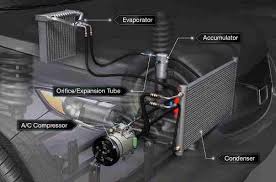
The compressor is the heart of your vehicle’s AC system. It compresses and circulates refrigerant throughout the system. A failed or malfunctioning compressor means your AC won’t cool the air.
3. Electrical Issues
Your AC system depends on several electrical components, including relays, fuses, and wiring. Faulty or damaged electrical components can disrupt the AC’s functionality.
4. Clogged Condenser
The condenser’s role is to remove heat from the refrigerant. Dirt, debris, or damage to the condenser can result in poor cooling or complete system failure.
5. Blower Motor Failure
The blower motor pushes cold air through the vents into your car’s cabin. If it malfunctions, you may notice weak or no airflow from the vents.
6. Cabin Air Filter Problems
A clogged or dirty cabin air filter restricts airflow and reduces cooling performance. Replacing the filter regularly can prevent this problem.
7. Refrigerant Leaks
Leaks in the AC system are one of the most common reasons for failure. These leaks can occur in hoses, O-rings, or other system components.
8. Malfunctioning Expansion Valve or Orifice Tube
These components regulate the flow of refrigerant into the evaporator. If they fail, the refrigerant flow may become inconsistent, reducing cooling performance.
9. Evaporator Core Issues
The evaporator absorbs heat from the cabin air. Leaks or blockages within the evaporator can result in poor cooling performance.
10. Sensor or Thermostat Issues
Faulty temperature sensors or thermostats can send incorrect signals to the AC system, causing inconsistent or no cooling.
How to Diagnose the Problem with Your Car AC
Diagnosing the exact issue with your car AC can save you money and time. Here’s how you can identify what’s wrong:
Step 1: Check the Airflow
Turn on the AC to its maximum setting. If there’s no airflow, the problem may be with the blower motor, air filter, or electrical components.
Step 2: Inspect for Refrigerant Leaks
Look for signs of refrigerant leaks, such as oily spots near hoses, the compressor, or other AC components.
Step 3: Listen for Unusual Noises
A failing compressor or a worn belt may produce grinding, banging, or clicking noises when the AC is on.
Step 4: Test the Cooling Efficiency
Use a thermometer to measure the temperature of the air coming from the vents. If it isn’t significantly cooler than the outside air, the AC isn’t working effectively.
Step 5: Inspect the Condenser and Evaporator
Examine the condenser for dirt, debris, or physical damage. Similarly, make sure that the evaporator is clean and free of blockages.
Step 6: Check the Fuses and Relays
Inspect the AC-related fuses and relays in your car’s fuse box. Replace any that are blown or malfunctioning.
Solutions for Fixing a Car AC That Does Not Work
Once you’ve identified the issue, you can take the necessary steps to fix it. Below are a few common solutions:
1. Recharge the Refrigerant
- Use a refrigerant recharge kit to top off the refrigerant levels.
- Make sure to check for leaks before refilling to avoid wasting refrigerant.
2. Repair or Replace the Compressor
If the compressor is the problem, you’ll need to repair or replace it. A professional mechanic can help with this complex task.
3. Fix Electrical Problems
Repair any damaged wiring, replace faulty relays, or replace blown fuses to restore the AC’s functionality.
4. Clean or Replace the Air Filter
A simple but effective fix, replacing a clogged cabin air filter can significantly improve airflow and cooling performance.
5. Seal Refrigerant Leaks
- Use a leak detection kit to locate leaks in hoses or other components.
- Apply the right sealant or replace the damaged parts.
6. Replace the Expansion Valve or Orifice Tube
If refrigerant flow is inconsistent, replacing the expansion valve or orifice tube may solve the issue.
7. Professional Repairs
For major repairs, such as fixing the evaporator or condenser, consult a certified mechanic.
The Importance of Using High-Quality Auto Parts
When repairing your car AC, it’s important to use high-quality auto parts. Here’s why:
1. Durability
Genuine components last longer and provide better performance than cheap alternatives.
2. Compatibility
OEM (Original Equipment Manufacturer) parts are designed to fit your vehicle perfectly, ensuring optimal functionality.
3. Warranty and Safety
Many high-quality parts come with warranties, and they’re less likely to fail prematurely, ensuring your safety.
Preventive Maintenance for Your Car AC
Regular maintenance can extend the life of your car’s AC system and prevent unexpected failures. Follow these recommendations:
1. Run the AC Weekly
Even during winter, running the AC for a few minutes weekly keeps the compressor and seals lubricated.
2. Replace Cabin Air Filters Regularly
Replace the cabin air filter every 12,000 to 15,000 miles or as recommended by your car manufacturer.
3. Clean the Condenser
Remove dirt and debris from the condenser to maintain efficient cooling performance.
4. Monitor Refrigerant Levels
Check refrigerant levels yearly and replenish as needed.
5. Schedule Professional Inspections
Have a professional inspect your AC system once a year to catch potential issues early.
How Much Does It Cost to Repair a Car AC?
The cost of repairing a car AC depends on the issue. Here’s a rough breakdown of typical repair prices:
- Refrigerant Recharge: $100–$200
- Compressor Replacement: $500–$1,200
- Condenser Replacement: $200–$600
- Leak Repairs: $150–$500
- Blower Motor Replacement: $300–$700
Environmental Considerations
Refrigerants are harmful to the environment if not handled properly. Always ensure that refrigerant disposal is performed responsibly and in compliance with environmental regulations.
When to Consult a Professional Mechanic
While some issues can be fixed at home, certain problems require professional expertise. Consult a mechanic if:
- You can’t identify the cause of the problem.
- Major components like the compressor or evaporator need repair or replacement.
- You suspect refrigerant leaks that require specialized equipment for detection.
- Electrical issues persist even after basic maintenance.
Conclusion
A malfunctioning car AC can turn a pleasant drive into an uncomfortable ordeal, but with proper diagnosis, repair, and maintenance, you can ensure that your AC system remains in top condition. Regular maintenance, high-quality parts, and timely repairs not only extend the lifespan of your AC system but also save you money in the long run.
By following this comprehensive guide, you’ll be well-equipped to handle any AC issues that come your way. For optimal performance, always prioritize preventive maintenance and consult professionals when necessary.
Let us know your experiences with car AC maintenance and share any additional tips in the comments below!