
In today’s world, a car’s air conditioning (AC) system is not a luxury but a necessity. Whether you are driving in the heat of summer or through a muggy rainstorm, a properly functioning air conditioning system ensures that your driving experience stays comfortable. However, like every other system in your car, the AC can run into issues over time. Understanding how to troubleshoot, repair, and maintain your car’s air conditioning system can save you money and ensure that you stay cool regardless of the weather.


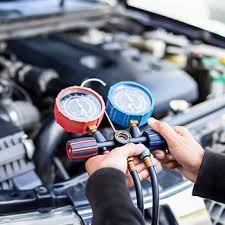
This guide will explore everything you need to know about car AC fixes, from diagnosing common problems to understanding when to visit an expert. Whether you’re a seasoned DIY mechanic or someone who just wants to learn more about car AC systems, this comprehensive resource will cover it all.
How the Car AC System Works
Before diving into the specifics of car AC fixes, it’s helpful to understand how the system works. Modern car air conditioning systems use a refrigeration cycle to cool the cabin air. Here are the key components involved in the process:
- Compressor The compressor is the heart of the AC system. It pumps the refrigerant gas into the system under high pressure. Powered by the car’s engine, the compressor takes low-pressure refrigerant gas and compresses it, which then flows through the condenser.
- Condenser The condenser cools down the high-pressure refrigerant gas from the compressor, turning it into a liquid. It works like a small radiator and is located in front of the car’s main radiator.
- Expansion Valve/Orifice Tube This component regulates the flow of refrigerant from the condenser to the evaporator. By reducing the pressure of the refrigerant, it allows the refrigerant to cool before entering the evaporator.
- Evaporator The evaporator is positioned inside the car, usually behind the dashboard. It’s responsible for absorbing heat from the cabin air. As the refrigerant passes through the evaporator coils, it absorbs heat and becomes gas, leaving cool air behind.
- Blower Fan The blower fan blows air over the evaporator coils and into the cabin of the car. The fan speed can be adjusted depending on your cooling needs.
- Receiver-Drier/Accumulator The receiver-drier (or accumulator, depending on the system) removes moisture from the refrigerant and filters out contaminants. If moisture is present in the refrigerant, it can freeze and cause blockages within the system.
- Refrigerant Refrigerant is the fluid that carries heat away from the cabin. Common refrigerants include R-134a and R-1234yf, both of which are used in modern vehicles to reduce environmental impact.
Common Car AC Problems and How to Fix Them
No matter how well you maintain your car’s air conditioning system, issues can still arise. Here are a few common car AC fixes and how you can address them:
1. Warm Air from the Vents
One of the most common issues with car AC systems is when the air blows warm instead of cold. This can be caused by several factors:
- Low Refrigerant: One of the primary reasons for warm air is a low refrigerant level. Over time, refrigerant can leak from the system, causing it to run low. Without enough refrigerant, the AC system cannot absorb enough heat, leading to warm air.
- Fix: Check for refrigerant leaks and recharge the system. If you are unfamiliar with this process, it’s best to visit an auto repair shop.
- Compressor Failure: If the compressor is faulty, it may fail to circulate refrigerant properly, resulting in warm air blowing through the vents.
- Fix: Replacing a damaged compressor requires mechanical expertise, and in many cases, it’s best to have a professional perform this repair.
- Condenser Issues: A damaged or clogged condenser can prevent the refrigerant from cooling properly, causing warm air to be expelled from the AC system.
- Fix: Inspect the condenser for damage, debris, or dust. Clean it with compressed air or a soft brush. If damaged, the condenser may need to be replaced.
2. Strange Noises from the AC System
If your car’s AC system is making unusual noises, such as squealing, grinding, or banging, it could indicate an issue with one of the components:
- Compressor Problems: A failing compressor can produce grinding or squealing sounds. This may indicate internal wear and tear or a lack of lubrication.
- Fix: Replacing the compressor is the best solution. A professional technician will likely be needed for this repair.
- Loose Parts: Loose or worn parts such as the blower fan or air ducts can create rattling or clicking sounds while the AC is running.
- Fix: Tighten or replace any loose components within the AC system. A technician can perform a thorough inspection to identify the source of the noise.
- Debris in the Blower: Leaves, dust, or other particles can enter the blower motor, causing it to make rattling or grinding sounds.
- Fix: Inspect the blower motor and remove any debris. If the motor is damaged, it may need to be replaced.
3. Foul Odors from the AC Vents
Foul smells emanating from the AC vents often point to mold or mildew buildup in the system. This can occur when moisture accumulates in the evaporator or ducts.
- Mold or Mildew: If moisture is trapped in the evaporator or ducts, it can cause the growth of mold and mildew, resulting in a musty smell when you turn on the AC.
- Fix: Run the car’s AC system on high for several minutes to dry out any moisture within the system. If the smell persists, clean the evaporator coils and replace the cabin air filter.
- Dirty Cabin Air Filter: A dirty or clogged cabin air filter can also cause unpleasant odors, as it traps dust, dirt, and bacteria.
- Fix: Replace the cabin air filter regularly (every 12,000 to 15,000 miles or as recommended by your vehicle manufacturer).
4. AC System Not Turning On
If your AC system fails to turn on at all, it could be due to several factors:
- Blown Fuse: A blown fuse can cut power to the AC system, preventing it from turning on.
- Fix: Check the car’s fuse box for any blown fuses associated with the AC system and replace them.
- Faulty Relay or Switch: If the AC relay or control switch fails, the system might not receive power to turn on.
- Fix: Inspect the AC control switch and relay. If they are faulty, they need to be replaced.
- Electrical Issues: Wiring issues, short circuits, or loose connections can also prevent the AC system from turning on.
- Fix: Electrical issues require expertise, so it’s best to consult with a professional technician to diagnose and repair the wiring.
5. Leaks in the AC System
Leaks in the AC system can lead to refrigerant loss, which affects the system’s ability to cool the air. Leaks can occur in various parts of the system, such as the hoses, seals, and compressor.
- Refrigerant Leaks: If refrigerant is leaking from the system, it can cause the AC to lose cooling power.
- Fix: If you suspect a refrigerant leak, take your car to a professional mechanic who can locate and seal the leak. The system will also need to be recharged with the correct refrigerant.
DIY Car AC Fixes: When to Call a Professional
While there are several car AC fixes you can do yourself, there are instances where professional assistance is needed. Here are a few DIY repairs and when it’s best to call an expert:
DIY Fixes You Can Perform:
- Changing the Cabin Air Filter: Replacing the cabin air filter is a simple task that requires minimal tools. A dirty filter can impede airflow and cause foul odors.
- Cleaning the Condenser and Evaporator: You can clean the condenser using compressed air or a soft brush. If your car’s air conditioning is blowing weak air, dirt and debris in the condenser may be the cause.
- Recharging the Refrigerant: If your AC is blowing warm air due to low refrigerant, you can recharge the system with a refrigerant top-off kit available at most auto parts shops. However, if you suspect a leak, it’s best to consult a mechanic.
When to Call a Professional:
- Compressor Replacement: Replacing a damaged or faulty compressor requires specialized expertise and tools. It’s a complex repair that’s best left to professionals.
- Refrigerant Leaks: If you can’t find the source of a refrigerant leak, a professional can use specialized equipment to detect and seal the leak.
- Electrical Issues: If your car’s AC system isn’t turning on or you hear unusual electrical noises, an experienced technician may be needed to diagnose and repair the problem.
Preventive Maintenance Tips for Your Car’s AC System
To prevent the need for frequent car AC fixes, regular maintenance is key. Here are a few suggestions to keep your AC system running smoothly:
- Use the AC regularly: Even during winter, run your AC for 10-15 minutes every few weeks to keep the compressor and seals lubricated.
- Replace the cabin air filter regularly: A clean filter ensures that your car’s