
A properly working car AC system keeps your vehicle comfortable during hot weather. If your car air conditioner is blowing warm air or taking longer to cool, it may be time for a car AC recharge. This process restores the correct amount of AC refrigerant, improving cooling performance and protecting AC components. At Air Green Corporation, we help customers understand automotive AC systems, maintenance, and replacement parts for reliable vehicle performance.

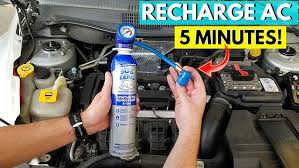


What Is a Car AC Recharge?
A car AC recharge is the process of adding refrigerant to your vehicle’s air conditioning system. Over time, refrigerant levels may decrease due to minor leaks or normal wear, reducing cooling efficiency.
During a recharge, a technician adds the correct amount of refrigerant and, if necessary, compressor oil to ensure smooth operation. If the system has leaks or damaged components, repairs should be completed before recharging.
Average Cost of a Car AC Recharge
The average car AC recharge cost typically ranges from $150 to $400, depending on the vehicle, refrigerant type, and labor charges.
DIY AC Recharge Kit
A DIY AC recharge kit usually costs between $30 and $60. These kits include refrigerant, a hose, and a pressure gauge. They are suitable for minor refrigerant top-ups but cannot fix leaks or mechanical problems.
Professional AC Recharge
A professional car AC recharge service generally costs $150–$400, including labor, refrigerant, system inspection, and basic diagnostics. Vehicles using R-1234yf refrigerant usually cost more than those using R-134a.
Luxury and Imported Vehicles
Luxury and imported vehicles often require specialized refrigerants and equipment, increasing the overall recharge cost.
Leak Detection and Repairs
If the system has a refrigerant leak, additional repairs may cost $100–$500 or more, depending on the damaged component.
Factors That Affect Car AC Recharge Cost
Several factors influence the cost of a car AC recharge.
Refrigerant Type
R-134a Refrigerant – Common in older vehicles and generally less expensive.
R-1234yf Refrigerant – Used in many newer vehicles and costs more due to environmental regulations.
Labor Charges
Labor rates vary depending on the repair shop, dealership, and vehicle complexity.
Vehicle Type
Luxury, imported, and high-performance vehicles usually require specialized service, increasing costs.
Additional Services
Extra services may include:
Leak detection
System inspection
Condenser cleaning
Compressor oil replacement
These services improve long-term AC performance but can increase the total bill.
Signs Your Car Needs an AC Recharge
Watch for these common symptoms:
Warm air coming from the vents.
Slow cabin cooling during hot weather.
Hissing or unusual noises from the AC system.
Unpleasant odors caused by moisture or a clogged cabin filter.
If these symptoms continue after a recharge, have the system inspected for leaks or faulty components.
DIY vs Professional AC Recharge
DIY Recharge
Pros
Lower cost
Convenient
Quick solution
Cons
Risk of overcharging
Cannot detect leaks
Limited effectiveness
Professional Recharge
Pros
Accurate refrigerant filling
Leak detection
Complete system inspection
Professional expertise
Cons
Higher service cost
Professional servicing is the better choice if your car AC system has leaks, compressor issues, or poor cooling performance.
Conclusion
The cost of a car AC recharge depends on the refrigerant type, labor charges, vehicle model, and whether additional repairs are required. Regular maintenance and timely inspections help your car air conditioning system operate efficiently while preventing expensive repairs. At Air Green Corporation, we provide quality automotive AC parts, expert guidance, and reliable cooling solutions to keep your vehicle comfortable throughout the year.