Auto Ac parts

How Much Does It Cost to Fix a Car AC? Comprehensive Guide

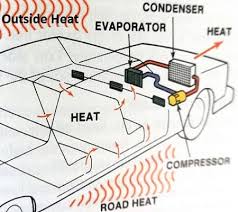
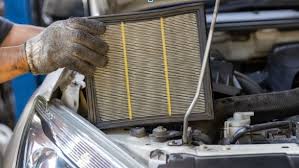
The air conditioning (AC) system in your car is essential for comfort, especially during the summer months. When it stops working or starts underperforming, it’s important to understand how much it will cost to fix the AC and what services are involved. Car AC repairs can range from minor fixes, such as recharging refrigerant, to major repairs like replacing the compressor. In this detailed guide, we’ll explore the various factors that affect the cost of car AC repair, common issues that can arise, and what to expect when taking your car to a repair shop. By understanding the pricing breakdown and the services offered, you’ll be better equipped to make informed decisions when it comes to fixing your car air conditioning system. Air Green Corporation also provides quality automotive AC parts for various vehicle applications. Contact Us Factors That Affect the Cost of Car AC Repairs The cost of fixing a car AC can vary greatly depending on several factors, including the type of repair required, the make and model of your vehicle, labor rates in your area, and whether you choose a dealership or an independent shop. 1. Type of Repair Needed The specific issue with your car AC system plays a major role in determining how much the repair will cost. Some common AC problems and their average costs include: AC Refrigerant Recharge: If your AC system is low on refrigerant, it may not cool properly. A car AC recharge typically costs between $100 and $200. This process involves checking the system and refilling it with the correct refrigerant. Refrigerant Leak Repair: If there’s a refrigerant leak in the AC system, the cost depends on where the leak is located. Leak detection may cost around $150 to $300, while repairs can add another $200 to $400 or more. Compressor Replacement: The AC compressor is one of the most important components of the system. Replacing an AC compressor can cost between $500 and $1,500 depending on the vehicle and labor charges. Condenser Replacement: If the AC condenser is damaged or clogged, replacing it typically costs between $300 and $600. Evaporator Repair or Replacement: The AC evaporator cools the air inside the cabin. Replacement can cost between $500 and $1,000 or more because of the labor involved. Blower Motor Replacement: A faulty AC blower motor can cause weak or no airflow. Replacement may cost around $300 to $700 depending on the vehicle. AC Clutch Replacement: The AC compressor clutch controls compressor operation. Replacement can cost between $300 and $600. 2. Labor Costs Labor costs vary depending on the complexity of the car AC repair and the region where you live. Repair shops may charge different hourly rates, and complex repairs such as compressor or evaporator replacement can require several hours of labor. Dealerships typically charge higher labor rates than independent repair shops. Choosing an experienced independent technician may help reduce overall car AC repair costs. 3. Vehicle Make and Model The make and model of your vehicle can significantly impact the cost of AC repair. Luxury vehicles and cars with advanced HVAC systems may require specialized parts and additional labor. Newer vehicles may also use R-1234yf refrigerant, which can cost more than R-134a refrigerant and may require specialized servicing equipment. 4. Parts Quality The cost of replacing automotive AC parts depends on the type and quality of parts used. OEM Parts: Original Equipment Manufacturer parts are designed for specific vehicle applications and generally offer reliable fit and performance. Aftermarket Parts: Aftermarket parts are produced by third-party manufacturers and may offer a more affordable alternative. Quality can vary between manufacturers. When selecting replacement parts, consider compatibility, quality, warranty, and long-term reliability. Air Green Corporation focuses on supplying automotive AC components for vehicle applications. 5. Location and Shop Type Where you live can also affect the cost of car AC repairs. Urban areas may have higher labor and operating costs, while smaller towns may offer more competitive pricing. Independent repair shops generally charge less than dealerships, although service quality can vary. Dealerships may have specialized knowledge for specific vehicle brands but often charge higher prices. Common Car AC Problems and Their Repair Costs Let’s look at some common car AC problems and their approximate repair costs. 1. Low Refrigerant Low refrigerant is one of the most common reasons why a car AC stops cooling. This can happen because of a refrigerant leak or another problem in the system. Cost to Fix: A refrigerant recharge may cost $100 to $200. If a leak is present, additional inspection and repair costs may apply. 2. Faulty Compressor The AC compressor pressurizes and circulates refrigerant through the system. If it fails, the AC may stop cooling completely. Cost to Fix: Compressor replacement can range from $500 to $1,500 depending on the vehicle and labor costs. 3. Condenser Issues The AC condenser releases heat from the refrigerant. Damage, dirt, or blockage can reduce AC performance. Cost to Fix: Condenser replacement typically costs between $300 and $600. 4. Blower Motor Failure The blower motor pushes air through the AC system and into the cabin. A faulty motor can cause weak or no airflow. Cost to Fix: Blower motor replacement may cost between $300 and $700. 5. Clogged Expansion Valve The expansion valve regulates refrigerant flow into the evaporator. If it becomes clogged or damaged, cooling performance can be affected. Cost to Fix: Replacement typically costs between $150 and $500. 6. Evaporator Issues The AC evaporator absorbs heat from the cabin air. If it becomes damaged or clogged, the system may stop cooling effectively. Cost to Fix: Evaporator replacement can cost between $500 and $1,000 or more. DIY vs. Professional AC Repair Some car AC repairs can be handled at home, but many require professional equipment and expertise. Simple tasks such as replacing a cabin air filter may be suitable for DIY work, while refrigerant leak diagnosis, compressor replacement, and other major repairs are generally better handled by trained technicians. DIY Repairs Refrigerant Recharge: An AC recharge kit can

How Much Does It Cost to Fix a Car AC? Comprehensive Guide Read More »
Cost to Recharge Car AC: A Comprehensive Guide for Vehicle Owners

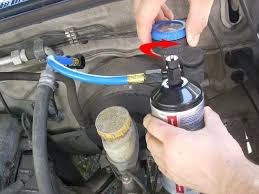
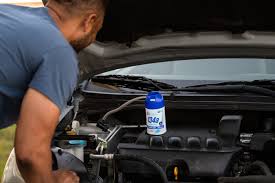
If you’re experiencing problems with your car’s air conditioning (AC) system, such as insufficient cooling or warm air blowing from the vents, you may need to recharge the AC system. Over time, the refrigerant in your car’s air conditioning system can naturally leak or deplete, leading to reduced cooling efficiency. One of the most common solutions for this issue is a car AC recharge. However, you may be wondering: How much does it cost to recharge a car’s AC? The price of a car AC recharge can vary based on several factors, including whether you go for a DIY recharge or a professional service. In this comprehensive guide, we will explore the cost of recharging a car AC, the factors that influence the price, and the benefits of recharging your vehicle’s air conditioning system. Contact Us What Is a Car AC Recharge? A car AC recharge is the process of refilling your vehicle’s air conditioning system with refrigerant. The refrigerant, often known as AC gas, is essential for the AC system to cool the air inside your vehicle. Over time, refrigerant levels can drop due to leaks in the car AC system. When this happens, the air conditioning unit loses its ability to effectively cool the interior of your car. Recharging the AC involves adding the refrigerant back into the system, usually with the help of an AC recharging kit or a professional service. Recharging helps restore the car AC cooling performance and ensures that the system runs efficiently. Why Do You Need to Recharge Your Car’s AC? There are several reasons why your car’s AC system may require a recharge. While refrigerant can be lost from a system over time, common causes include: 1. Refrigerant Leak Small leaks in the car air conditioning system can lead to a gradual loss of refrigerant. If you notice that your AC isn’t cooling as well or that cool air takes longer to reach the cabin, there may be a refrigerant leak that requires attention. 2. Refrigerant Loss Over Time Even without an obvious leak, seals, hoses, and connections can deteriorate as a vehicle ages. This can gradually reduce the refrigerant charge and affect AC cooling efficiency. 3. Compressor or Component Issues If there are issues with your AC compressor, condenser, evaporator, or other components, they can affect refrigerant flow and result in lower cooling performance. A major mechanical issue may require more than just an AC recharge. 4. Age of the Vehicle Older vehicles are more likely to experience refrigerant loss because seals and hoses can degrade over time. Regular car AC maintenance can help identify these problems early. Average Cost to Recharge Car AC The cost to recharge car AC depends on several factors, including whether you choose a DIY option or hire a professional mechanic. 1. DIY Car AC Recharge Kit If you’re comfortable performing a DIY car AC recharge, you can purchase a recharge kit to top off the refrigerant levels yourself. These kits are available at many auto parts stores and online retailers. They typically include a can of refrigerant, a hose, a pressure gauge, and an adapter. The average cost of a DIY car AC recharge kit typically ranges from $30 to $60. The exact cost depends on factors such as the brand, refrigerant type, and included equipment. Advantages of DIY Recharge: Cost-effective: Significantly cheaper than professional services. Convenient: You can perform the recharge at your convenience. Quick: If you’re familiar with the process, a DIY recharge can be completed relatively quickly. Disadvantages of DIY Recharge: Lack of professional diagnosis: If there is a leak or another underlying issue, a DIY kit may not identify or repair it. Risk of overcharging: Adding too much refrigerant can damage the AC system. Not always a permanent fix: If the refrigerant leak is significant, the recharge may only provide temporary cooling. 2. Professional Car AC Recharge For those who prefer professional service, hiring a mechanic or taking your car to an auto service center is a good option. The cost of a professional car AC recharge typically ranges from $150 to $400, depending on the vehicle, refrigerant type, service location, and additional repairs. For reliable automotive AC parts and solutions, Air Green Corporation can be considered when sourcing suitable components for your vehicle’s air conditioning system. 3. Factors That Influence Professional AC Recharge Costs Several factors can influence the overall car AC recharge cost. a) Type of Refrigerant The type of refrigerant used in your vehicle’s AC system is one of the primary cost factors. Many older vehicles use R-134a refrigerant, while newer vehicles may use R-1234yf refrigerant. R-134a Refrigerant: Commonly found in older vehicles and generally less expensive. R-1234yf Refrigerant: Used in many newer vehicles and typically costs more due to its price and specialized servicing requirements. b) Labor Costs Labor costs vary depending on the location and service provider. Dealerships and specialty repair shops often charge more than independent repair shops. The cost can also depend on the complexity of the car AC repair and the technician’s expertise. c) Additional Services If your AC system requires repairs in addition to a recharge, such as leak detection, compressor inspection, or hose replacement, the total cost will increase. Some service centers may also offer AC system cleaning or compressor oil replacement. d) Location The location of the service center can also affect the cost of car AC recharge. Urban areas and major cities may have higher service prices because of operating costs and demand, while smaller towns may offer more affordable services. 4. High-End or Imported Vehicles If you own a luxury car or an imported vehicle, you may face higher costs for an AC recharge. These vehicles may require specialized equipment, specific refrigerants, and additional labor. Costs can increase further if there are leaks or damaged AC components. How Often Should You Recharge Your Car’s AC? A common question many vehicle owners ask is, How often should I recharge my car’s AC? The answer depends on the age and condition

Cost to Recharge Car AC: A Comprehensive Guide for Vehicle Owners Read More »

The Ultimate Guide to Auto Parts & Spare Parts: Everything You Need to Know for Vehicle Maintenance and Repairs

When it comes to keeping your vehicle in top condition, understanding auto parts and spare parts is essential. Whether you’re performing routine maintenance, making repairs, or upgrading your vehicle, choosing the right parts is crucial for the durability and safety of your car. With so many types of auto parts available on the market today, it can be overwhelming to know where to begin. This comprehensive guide will delve deep into the world of auto parts and spare parts, providing essential information on what they are, the different categories of car components, and where to buy them. We’ll also explore key tips for buying the right spare parts, how to ensure compatibility, and the benefits of using quality auto parts for your vehicle. Contact Us 1. What Are Auto Parts and Spare Parts? Auto parts refer to the various components and systems that make up a vehicle, including parts that contribute to its engine, transmission, braking system, electrical system, suspension, and more. These parts are essential for the vehicle’s functionality and are designed to work together to ensure the car operates efficiently and safely. On the other hand, spare parts are individual components kept in reserve that can be used to replace worn-out, damaged, or broken parts. Spare parts help restore a vehicle to its optimal performance and extend its lifespan. They can be either OEM (Original Equipment Manufacturer) parts, which are designed and manufactured by the vehicle’s original maker, or aftermarket parts, which are produced by third-party companies. In general, auto parts include both replacement components for wear and tear as well as performance upgrades. Spare parts, specifically, are the replacements for components that have already worn out or become damaged. 2. Types of Auto Parts and Spare Parts To keep your vehicle in top condition, you should familiarize yourself with the different types of auto parts and spare parts available. These parts are categorized based on their function, material, and purpose. Below are some of the key categories of car parts you should know about: Engine Parts The engine is the heart of your vehicle, and keeping it in working order is critical for its performance. The components that make up your car’s engine are designed to handle combustion, power generation, and other essential functions. Some common engine parts include: Cylinder Heads: Critical for controlling air and fuel intake, as well as exhaust gases. Pistons and Rings: Pistons move up and down inside the engine’s cylinders, generating power, while the rings ensure a proper seal between the pistons and cylinders. Timing Belts/Chains: These synchronize the engine’s camshaft and crankshaft to ensure proper timing. Water Pumps: These circulate coolant throughout the engine to prevent overheating. Electrical System Parts The electrical system of a vehicle powers everything from lighting and air conditioning to the ignition system and entertainment. Key components of a car’s electrical system include: Batteries: These store electrical energy and provide the necessary power to start the vehicle and run electrical components. Alternators: These generate electricity to recharge the battery while the engine is running. Spark Plugs: These are responsible for igniting the fuel in the engine’s cylinders. Fuses and Relays: These components protect the electrical circuits in your vehicle from overloads and short circuits. Suspension and Steering Parts The suspension system is responsible for providing comfort, stability, and handling, while the steering system allows the driver to control the direction of the vehicle. Key components in these systems include: Shocks and Struts: These help absorb shock and smooth out your ride. Control Arms: These connect the vehicle’s suspension to its body and help control movement. Ball Joints and Tie Rods: Ball joints provide a flexible connection between components, while tie rods help maintain steering accuracy. Brake System Parts The brake system is one of the most important safety components in your vehicle. To ensure effective stopping power, the following components are essential: Brake Pads: These press against the brake rotors to stop the vehicle. Brake Rotors: These are metal discs that work with the brake pads to slow down the car. Brake Lines: These carry brake fluid from the master cylinder to the brakes, ensuring they function properly. Transmission and Drivetrain Parts The transmission system helps transfer power from the engine to the wheels, allowing the vehicle to change gears and adjust to varying speeds. Common components include: Clutch Kits: Clutch kits let you disengage the engine from the transmission for shifting. Drive Shafts and Axles: These components deliver rotational force from the engine to the wheels. Torque Converters: Found in automatic transmissions, torque converters transfer power between the engine and transmission. Interior and Exterior Parts Both the interior and exterior parts of a vehicle contribute to its functionality and aesthetic appeal. Common interior components include: Seats and Upholstery: Comfortable seating and durable materials are essential for a pleasant driving experience. Dashboard Components: These include the gauges, controls, and infotainment systems that make up the car’s interface. Air Conditioning and Heater Components: These parts ensure the interior remains comfortable, regardless of the climate. On the exterior, important components include: Bumpers and Fenders: These components protect your vehicle in the event of a collision and help improve aerodynamics. Mirrors and Windows: Mirrors are essential for visibility, while windows are important for both safety and comfort. Lights and Headlamps: These ensure you can see and be seen on the road, providing critical illumination at night. 3. OEM vs. Aftermarket Auto Parts When purchasing auto parts and spare parts, it’s important to understand the difference between OEM (Original Equipment Manufacturer) parts and aftermarket parts. Both have their advantages and drawbacks, and choosing the right one depends on your needs and preferences. OEM Parts OEM parts are produced by the vehicle manufacturer or a certified partner. These parts are designed to meet the original specifications and fit your vehicle perfectly. Some key advantages of OEM parts include: Exact Fit: OEM parts are guaranteed to fit your vehicle’s specific components. High Quality: These parts are built to the same high standards

The Ultimate Guide to Auto Parts & Spare Parts: Everything You Need to Know for Vehicle Maintenance and Repairs Read More »

Do Car AC Use Gas? Understanding the Basics of Car AC Systems and Refrigerant | Air Green Corporation

When the scorching heat of summer hits, one of the first things you may reach for is your car’s air conditioning (AC) system. It’s no secret that a functioning AC is essential for comfort on the road, but have you ever wondered what powers your car AC system? The question that often comes up is: Do car AC systems use gas? To clarify, car air conditioning systems do not use gasoline in the traditional sense, but they do rely on a type of gas, known as refrigerant, to operate. In this comprehensive guide from Air Green Corporation, we will dive deep into the working principles of a car AC system, the role of refrigerant or AC gas, and how it interacts with the car’s engine. We will also cover the types of refrigerants used in cars, how AC systems can lose refrigerant, and why you need to recharge the AC gas to maintain optimal performance. Additionally, we’ll address common misconceptions, discuss the environmental impact of refrigerants, and offer tips for keeping your car AC system running smoothly. Contact Us What Is a Car AC System? A car air conditioning (AC) system is a complex assembly of components that work together to cool the air inside the car’s cabin. The system uses the principles of thermodynamics, specifically the process of refrigerant evaporation and condensation, to transfer heat from inside the vehicle and expel it outside. The basic components of a car AC system include: Compressor: The compressor is responsible for compressing the refrigerant gas, which increases its pressure and temperature. It acts as the heart of the AC system, circulating refrigerant throughout the system. Condenser: The condenser is located in front of the radiator and cools down the refrigerant as it moves through the system. It removes heat from the refrigerant, turning it from a gas into a high-pressure liquid. Evaporator: The evaporator is located inside the cabin, usually behind the dashboard. As refrigerant flows through the evaporator, it absorbs heat from the air inside the car, cooling it before the air is blown into the cabin. Expansion Valve: This component regulates the flow of AC refrigerant into the evaporator. It controls the pressure and temperature of the refrigerant as it moves through the system. Receiver-Drier or Accumulator: This part helps remove moisture from the refrigerant and prevents contaminants from entering the system, ensuring the refrigerant remains clean and free of moisture. Do Car AC Systems Use Gas? While many people mistakenly believe that car AC systems use gasoline as fuel, the reality is that they rely on refrigerant gas, also called AC gas, to function. This refrigerant is a specialized substance designed to absorb and release heat efficiently, which is essential for the cooling process. The refrigerant gas does not burn like gasoline. Instead, it undergoes phase changes, transforming from a gas to a liquid and vice versa, within the AC system. This allows it to absorb heat from inside the cabin and expel it outside. Key Points About Refrigerant (AC Gas) Refrigerant is not gasoline: While car AC systems do use a form of “gas,” it is not gasoline or diesel fuel. Instead, it is a specially designed gas or liquid compound that allows the system to absorb and expel heat. Types of refrigerants: There are different car AC refrigerants used in modern vehicles. The most common are R-134a and R-1234yf, with R-1234yf being more environmentally friendly and commonly found in newer vehicles. Refrigerant does not get used up: Unlike fuel, AC refrigerant circulates through the system in a closed loop. However, refrigerant can leak over time due to cracks, damaged seals, or other problems, leading to the need for an AC recharge. How Does a Car AC System Work? To understand whether your car’s AC system uses gas, it’s important to understand how the car AC refrigeration cycle works. Step 1: Compression of Refrigerant The cycle begins with the AC compressor, which is powered by the car’s engine. The compressor pulls in the refrigerant gas, compresses it, and sends it into the condenser at high temperature and pressure. Step 2: Condensation The high-pressure gas flows into the AC condenser, where it is cooled by airflow through the front grille. As the refrigerant cools, it changes from a gas into a high-pressure liquid. The condenser releases heat from the refrigerant into the outside air. Step 3: Expansion of Refrigerant After leaving the condenser, the high-pressure liquid refrigerant travels to the expansion valve. This valve rapidly reduces the refrigerant’s pressure, allowing it to expand and cool. Step 4: Evaporation The low-pressure refrigerant enters the AC evaporator, which is located inside the cabin, typically behind the dashboard. As the refrigerant flows through the evaporator coil, it absorbs heat from the air inside the car. The cool air is then blown into the cabin through the vents. Step 5: Heat Transfer The refrigerant, now warmed by the cabin air, flows back to the AC compressor, and the cycle repeats. The car AC system continuously transfers heat from inside the vehicle to the outside. Types of Refrigerants Used in Car AC Systems Over the years, the types of refrigerants used in car air conditioning systems have changed because of environmental regulations. Two of the most commonly encountered refrigerants are R-134a and R-1234yf. 1. R-134a Refrigerant R-134a refrigerant has been widely used in car AC systems since the mid-1990s. It does not deplete the ozone layer like its predecessor, R-12. Advantages of R-134a: R-134a is non-toxic, non-flammable, operates at lower pressures than some older refrigerants, and has been widely used in automotive AC systems. Disadvantages of R-134a: Although it does not damage the ozone layer like R-12, R-134a is still a greenhouse gas and contributes to global warming when released into the atmosphere. 2. R-1234yf Refrigerant R-1234yf refrigerant is a newer refrigerant developed as an alternative to R-134a. It has a significantly lower global warming potential and is widely used in newer vehicles. Advantages of R-1234yf: It has a much lower environmental impact than R-134a while

Do Car AC Use Gas? Understanding the Basics of Car AC Systems and Refrigerant | Air Green Corporation Read More »

Your Complete Guide to Finding Auto Parts Close By Me: Where to Shop and How to Choose the Right Parts for Your Vehicle

Finding reliable and quality auto parts close by me can make all the difference when it comes to maintaining and repairing your car. Whether you’re in need of routine safety components, searching for hard-to-find parts, or looking to perform a quick repair, sourcing auto parts locally is often the most accessible and effective option. In this comprehensive guide, we’ll explore how to find the best auto parts stores near you, the benefits of shopping locally for auto parts, and how to choose the right components for your vehicle. From convenience and expert advice to time-saving solutions, this blog post will equip you with everything you need to know about auto parts stores nearby. Contact Us Why You Should Shop for Auto Parts Close By Me Finding an auto parts store close by has numerous benefits. Let’s explore why buying locally for auto parts is often the best choice for car owners: 1. Convenience and Time-Saving One of the most important benefits of searching for auto parts close by me is the convenience it offers. Whether you’re tackling a DIY repair or need to fix a breakdown on short notice, visiting a nearby store can save you significant time. Instead of waiting for shipping or paying for expedited delivery, you can get the parts you need right away. 2. Expert Advice and Customer Service Local auto parts stores often offer personalized service that large online retailers simply can’t match. Store staff can offer advice, answer questions, and help you find the right components for your specific vehicle model. They can also help with troubleshooting and guide you on the correct installation or repair process. 3. Immediate Availability When you need an auto part in a pinch, visiting a nearby store gives you instant access to the part. This can be especially useful if you’re working on an urgent repair or need a replacement to continue your journey. Many auto parts stores near you carry a large range of inventory that covers most common repairs and maintenance needs. 4. Avoid Shipping Delays and Fees One drawback of ordering auto parts online is the potential for shipping delays and unexpected costs. By shopping at an auto parts store close by, you avoid these issues and ensure that the part is in your hands right away. This is especially useful if you’re working on a time-sensitive repair or need a component for a weekend project. 5. Cost-Effective Options Local auto parts stores may also offer competitive prices on components, especially when compared to shipping costs associated with online orders. Many stores also offer in-store discounts, promotions, and clearance sales, helping you save money on essential parts. Where to Find Auto Parts Close By Me Finding the right auto parts store close by is key to ensuring you get quality components and service. Here are a few common places you can find auto parts in your area: 1. National Auto Parts Chains National auto parts chains typically have numerous locations nationwide, offering a wide inventory of auto parts for various makes and models. Some of the most popular auto parts chains in the United States include: AutoZone O’Reilly Auto Parts Advance Auto Parts NAPA Auto Parts These stores carry a substantial variety of parts, tools, and accessories, from engine components to exterior parts like tires and mirrors. They also offer helpful services like battery testing, oil recycling, and tool rentals. Because they operate multiple locations, they’re often easy to find and offer reliable, consistent service. 2. Local Auto Parts Stores While national chains offer wide selection, local auto parts stores can be a great choice for specialized parts or expert advice. Local shops may be able to source hard-to-find components and offer customized service, which can make all the difference when you’re working on a specific make or model. Some independent stores focus on vintage, classic, or high-performance car parts, which is great if you own a non-mainstream vehicle. 3. Salvage Yards and Junkyards If you’re looking for cost-effective alternatives to brand-new parts, salvage yards or junkyards are a great option. These locations typically sell used components that have been salvaged from older or damaged vehicles. The advantage of shopping at a salvage yard is the low cost of components, and in many cases, you can find quality parts that are still in good condition. Salvage yards are especially useful for older or discontinued vehicle models where new parts may not be available. Be sure to check the condition of components before purchasing and ask about warranties, as many yards will test the parts to make sure they’re in working order. 4. Dealerships For those who prefer OEM (Original Equipment Manufacturer) parts, visiting a dealership is the best option. Dealerships sell components that are designed specifically for your vehicle, ensuring compatibility and quality. While OEM parts tend to be more expensive than aftermarket options, they’re often the best choice for critical components such as engines, transmissions, or airbags. Dealerships may be less accessible than independent auto parts stores, especially if you need a quick part replacement, but they’re an excellent source for high-quality, brand-new components. 5. Online Auto Parts Retailers With Local Pick-Up Options Many online auto parts stores now offer the option to shop online and pick up your order at a local store. This provides the convenience of browsing a large online inventory with the immediate availability of nearby pickup. Retailers such as RockAuto, CarParts.com, and AutoPartsWarehouse.com will let you check availability at your nearby stores and get parts the same day. What Auto Parts Can You Find Close By Me? When searching for auto parts close by me, it’s important to understand the different types of components you might need for your car. Here’s a list of common auto parts you can find at most nearby stores: 1. Engine Parts Your engine is the heart of your car, so keeping it in good condition is crucial. Common engine components include: Pistons: Essential for compression inside the engine’s cylinders. Timing Chains/Belts: Help

Your Complete Guide to Finding Auto Parts Close By Me: Where to Shop and How to Choose the Right Parts for Your Vehicle Read More »

A Comprehensive Guide to Auto Parts and Engines: Understanding the Heart of Your Vehicle

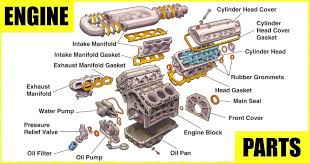
When you pop the hood of your vehicle, you’re looking at one of the most complex, intricate systems designed to turn fuel into power and make your car run smoothly. From the engine to the various auto parts that keep everything operating efficiently, understanding the importance of each component is essential for car owners, mechanics, and enthusiasts alike. In this extensive guide, we’ll dive deep into the world of auto parts and engines, exploring the various components that make up your vehicle’s engine, how they function, and how you can maintain or repair them. Whether you’re a DIY mechanic looking to expand your knowledge, or a car owner wanting to understand what makes your vehicle run, this article covers everything you need to know. Contact Us The Engine: The Heart of the Vehicle At the center of any vehicle is the engine. It’s the powerhouse responsible for converting fuel into the mechanical energy that powers the car’s wheels. Understanding how an engine works and the key engine components that keep it running smoothly is essential for both basic vehicle maintenance and more advanced repairs. 1. How Does a Car Engine Work? The internal combustion engine (ICE), which powers most modern vehicles, operates by burning fuel (usually petrol or diesel) inside its cylinders. This controlled explosion releases energy, which then turns the engine’s crankshaft, providing power to move the car. Here’s a breakdown of how it works: Intake Stroke: The intake valve opens, and the piston moves down the cylinder, drawing in a mixture of air and fuel. Compression Stroke: The intake valve closes, and the piston moves upward, compressing the air-fuel mixture for ignition. Power Stroke: The spark plug ignites the compressed mixture, causing an explosion that forces the piston down. Exhaust Stroke: The exhaust valve opens, and the piston moves up again, pushing the spent gases out of the cylinder. This four-stroke cycle (also known as the Otto cycle) repeats continuously, producing the energy needed to propel your car forward. 2. Types of Car Engines There are several types of car engines, and the type in your vehicle plays a critical role in its performance, efficiency, and driving experience. Here are the most common types: Inline Engines (I-Engines): In these engines, the cylinders are arranged in a straight line. They’re simple, compact, and cost-effective. Inline engines are usually found in small to mid-sized vehicles. V-Engines: In V-engines, the cylinders are arranged in two rows in the shape of a “V”. This configuration allows for more cylinders in a smaller space, offering greater power. V6 and V8 engines are common examples. Boxer Engines: Boxer engines have horizontally opposed cylinders, meaning they lie flat and move in opposite directions. This configuration offers better balance and lower vibration. Subaru and Porsche are well known for using boxer engines. Rotary Engines: Less common but unique, rotary engines use a rotor instead of pistons to create combustion. They’re smaller, lighter, and rev higher than conventional engines but tend to be less fuel-efficient and durable. Understanding your car’s engine type helps you better appreciate its performance capabilities and maintenance needs. Key Auto Parts That Make Up a Car Engine To keep an engine running smoothly, there are a variety of essential components working in unison. These components each have specific functions, and if one fails, it can affect the engine’s overall performance. Below are the essential auto parts that make up a car engine. 1. Cylinder Block The cylinder block (or engine block) is the main structure of the engine, housing the cylinders, pistons, and other essential components. It’s typically made from cast iron or aluminum alloy for durability and weight reduction. The block includes the core passages for lubrication and cooling, and the crankshaft is mounted inside it. 2. Pistons Pistons are the components that move up and down within the cylinders. As the fuel mixture ignites, the resulting explosion pushes the pistons down, transferring energy to the crankshaft. This linear motion is then converted into rotational energy to power the wheels. 3. Crankshaft The crankshaft is a long metal rod that converts the up-and-down movement of the pistons into rotational motion. It’s a critical component in transferring power from the engine to the rest of the vehicle. It works in conjunction with the flywheel and is one of the most important parts of the engine. 4. Camshaft The camshaft controls the opening and closing of the engine’s valves. It’s synchronized with the crankshaft and controls the timing of the intake and exhaust valves. The camshaft is essential for ensuring proper timing for the intake of fuel and air, as well as the expulsion of exhaust gases. 5. Valves The engine has two types of valves: intake valves and exhaust valves. The intake valves allow the air-fuel mixture into the cylinders, while the exhaust valves let the spent gases exit after combustion. The timing and operation of these valves are controlled by the camshaft. 6. Spark Plugs Spark plugs are responsible for igniting the air-fuel mixture in the cylinders. The ignition creates a spark that ignites the fuel, causing combustion. Modern spark plugs are designed to last tens of thousands of miles, but they can degrade over time, leading to misfires and poor engine performance. 7. Timing Belt/Chain The timing belt or timing chain ensures that the camshaft and crankshaft stay synchronized, allowing the engine’s valves and pistons to work in harmony. If the timing belt or chain breaks, the engine will lose synchronization, leading to potential catastrophic engine damage. 8. Oil Pump The oil pump circulates engine oil throughout the system, lubricating moving parts and reducing friction. Oil also helps cool the engine. Without a functioning oil pump, the engine would overheat, wear out prematurely, and could eventually seize up entirely. 9. Water Pump The water pump is an essential component of the cooling system, circulating coolant through the engine to prevent it from overheating. It ensures that the engine operates at an optimal temperature by maintaining a steady flow of coolant.

A Comprehensive Guide to Auto Parts and Engines: Understanding the Heart of Your Vehicle Read More »

Fixing Your Car’s AC: A Comprehensive Guide | Air Green Corporation

A properly working car AC system is essential for a comfortable driving experience, especially during hot weather. It keeps the cabin cool, removes humidity, and improves overall driving comfort. However, over time, car air conditioning systems can develop issues due to wear and tear, resulting in poor cooling or complete failure. In this guide by Air Green Corporation, you’ll learn about car AC repair, common problems, troubleshooting methods, maintenance tips, and the best practices to keep your automotive AC system running efficiently. Contact Us Understanding How Your Car’s AC System Works Before repairing your car AC system, it’s important to understand how it works. The automotive air conditioning system consists of several components that work together to cool and dehumidify the air inside your vehicle. Key Components of a Car AC System AC Compressor – Compresses and circulates AC refrigerant throughout the system. AC Condenser – Converts high-pressure refrigerant gas into liquid while releasing heat. Receiver/Dryer or Accumulator – Removes moisture and contaminants from the refrigerant. Expansion Valve or Orifice Tube – Regulates refrigerant flow and reduces pressure. AC Evaporator – Absorbs heat from the cabin and delivers cool air. Car AC Refrigerant – Usually R-134a or R-1234yf, responsible for the cooling process. Understanding these components makes car AC troubleshooting much easier. Common Car AC Problems 1. Weak Airflow Possible Causes Clogged cabin air filter Faulty blower motor Damaged air ducts Fix Replace the cabin air filter and inspect the blower motor for proper operation. 2. Insufficient Cooling Possible Causes Low AC refrigerant Faulty AC compressor Dirty condenser or evaporator Fix Recharge the car AC refrigerant and clean or replace damaged components. 3. Unpleasant Odors Possible Causes Mold inside the evaporator Dirty cabin air filter Fix Clean the evaporator and replace the filter. 4. No Cooling Possible Causes Refrigerant leaks Compressor failure Electrical faults Fix Repair leaks, replace the AC compressor, and inspect electrical connections. 5. Noisy AC Operation Possible Causes Worn compressor bearings Debris inside the blower fan Fix Inspect the blower fan and replace worn components if necessary. How to Diagnose Car AC Problems 1. Check Airflow Turn the car AC to maximum and inspect airflow. Weak airflow usually indicates a clogged filter or blower issue. 2. Listen for Unusual Noises Grinding or rattling noises often point to compressor or blower problems. 3. Check Refrigerant Levels Use a pressure gauge to inspect AC refrigerant levels. Low pressure usually indicates a refrigerant leak. 4. Inspect the Compressor Verify that the compressor clutch engages when the AC is switched on. 5. Check for Refrigerant Leaks Use a UV dye or electronic leak detector to locate leaks in the car AC system. 6. Inspect the Condenser and Evaporator Remove dirt and debris from the condenser and inspect the evaporator for mold or damage. DIY Fixes for Common Car AC Problems Replace the Cabin Air Filter Remove the old filter and install a new cabin air filter to improve airflow. Recharge the Car AC Use a car AC recharge kit and follow the manufacturer’s instructions carefully. Avoid overcharging the system. Clean the AC Condenser Wash away dirt and debris using low-pressure water to improve cooling efficiency. Repair Refrigerant Leaks Minor leaks may be sealed temporarily, while larger leaks require replacement of damaged components. Replace the AC Compressor If the compressor fails completely, replace it and refill the system with the correct AC refrigerant. When to Seek Professional Help Professional car AC repair is recommended if you notice: Continuous refrigerant leaks Complete compressor failure Electrical problems Multiple damaged AC components A certified technician has the proper tools to diagnose and repair complex automotive AC systems. Preventive Maintenance for Your Car AC Run Your AC Regularly Operate your car AC for a few minutes every month, even during winter. Replace Cabin Air Filters Install a new cabin air filter according to your vehicle manufacturer’s schedule. Keep AC Components Clean Clean the condenser and inspect the evaporator regularly. Schedule Annual AC Service Annual car AC maintenance helps identify issues before they become costly repairs. Monitor Refrigerant Levels Check car AC refrigerant levels periodically and recharge only when necessary. Choosing the Right Auto Parts for AC Repairs Always use high-quality automotive AC parts for reliable performance. OEM vs Aftermarket Parts OEM auto parts provide excellent fit and reliability. Aftermarket auto parts can be cost-effective but vary in quality. Warranty Choose parts backed by a manufacturer’s warranty. Trusted Supplier Purchase from reliable suppliers like Air Green Corporation for quality car AC parts and automotive components. Cost of Car AC Repairs Repair costs vary depending on the issue. Cabin Air Filter Replacement: $20–$50 Car AC Recharge: $100–$300 AC Compressor Replacement: $500–$1,000 Refrigerant Leak Repair: $150–$500 Frequently Asked Questions How Often Should I Recharge My Car AC? Recharge your car AC system only when refrigerant levels become low, typically every 2–5 years depending on usage. Can I Drive Without a Working Car AC? Yes, but driving comfort will decrease, and windshield defogging performance may also be affected. Why Does My Car AC Smell Musty? A musty odor usually indicates mold in the AC evaporator or a dirty cabin air filter. Which Refrigerant Does My Car Use? Most modern vehicles use R-134a or R-1234yf refrigerant. Check your owner’s manual for confirmation. How Long Does an AC Compressor Last? A well-maintained AC compressor generally lasts between 8 and 10 years. Conclusion Keeping your car AC system in excellent condition improves comfort, safety, and overall driving performance. By understanding common car AC problems, performing regular car AC maintenance, and using high-quality automotive AC parts, you can extend the life of your vehicle’s air conditioning system. Air Green Corporation offers dependable car AC components and automotive solutions to help maintain reliable cooling performance throughout the year.

Fixing Your Car’s AC: A Comprehensive Guide | Air Green Corporation Read More »

Auto Parts Near Me: Your Ultimate Guide to Finding and Purchasing Auto Parts Locally

When it comes to maintaining or repairing your car, access to quality auto parts is essential. Whether you’re a car enthusiast, a DIY mechanic, or someone simply looking to fix a minor issue with their vehicle, finding reliable auto parts near me can save both time and money. This is where the search for “auto parts near me” becomes invaluable. The convenience of finding parts locally allows for faster repairs, often more affordable prices, and helpful support from your local auto parts store or mechanic. In this comprehensive guide, we’ll cover everything you need to know about finding auto parts manfucturer — from types of auto parts, where to find them, how to choose the right store, and tips on saving money while shopping for car parts locally. Whether you need a brake pad, a filter, or an alternator, this guide will help you navigate the world of auto parts and ensure you’re getting the best quality at the best price. Contact Us Understanding Auto Parts Auto parts refer to the individual components that make up a vehicle. These parts are essential for a car’s operation, safety, comfort, and overall performance. Auto parts can be classified into two main categories: 1. OEM (Original Equipment Manufacturer) Parts OEM parts are those made by the same manufacturer that built the vehicle. These parts are designed to fit perfectly and provide the same performance as the original components. Since they come directly from the vehicle’s manufacturer, OEM parts tend to be more expensive but offer the highest level of quality and reliability. 2. Aftermarket Parts Aftermarket parts are made by third-party manufacturers and are not produced by the original vehicle manufacturer. While aftermarket parts can be more affordable than OEM parts, their quality and compatibility can vary significantly. Some aftermarket components are of equal or even better quality than OEM parts, but others can be subpar, which is why it’s important to choose carefully. Why Choosing Local Auto Parts Stores Is Beneficial When you search for car parts near me, there are several benefits to buying locally: 1. Convenience and Speed One of the main benefits of finding auto parts near you is the convenience of getting the part you need right away. If you’re in the middle of a repair, waiting for a part to be shipped can bring the entire process to a halt. By shopping at a local auto parts store, you can get the component you need within hours, or even minutes. 2. Personalized Service Local auto parts stores often offer personalized service that large online retailers or national chains may not. Staff at these stores are usually car enthusiasts or experts who can provide advice on the best parts for your specific make and model. Whether you’re unsure about compatibility or need help with installation, the support from knowledgeable staff can be invaluable. 3. Support for Local Businesses By buying from local auto parts stores, you’re supporting small businesses and contributing to the local economy. Many local shops prioritize customer service and aim to build long-term relationships, which means you can get better customer care and potentially discounts if you’re a regular customer. 4. Reduced Shipping Costs Buying locally eliminates shipping charges, which can sometimes make the cost of online parts significantly higher. When you buy locally, you also avoid potential delays that can come with shipping. This is especially useful when you’re in urgent need of a part for a vehicle repair. 5. Returns and Exchanges Local stores usually have more flexible return policies compared to online retailers, and they can help you exchange or return parts that aren’t the right fit or quality without hassle. It’s much simpler to handle returns in person than dealing with shipping a part back to an online store. How to Find Auto Parts Near Me Finding auto parts near you is straightforward, thanks to modern technology and the power of the internet. Here are a few approaches to locate auto parts locally: 1. Online Search A quick search for “auto parts near me” or “auto parts stores near me” on your preferred search engine will provide you with a list of nearby stores that sell auto parts. Most auto parts stores have websites that list the components they carry, and you can often search by vehicle make and model. Many local stores also offer online ordering with in-store pickup options, adding even more convenience. 2. Google Maps Google Maps is a great tool for finding nearby auto parts stores. You can search for terms like “auto parts store” or “auto parts near me” and Google will show you stores in your area along with reviews, ratings, and contact information. This helps you find the most reputable stores near you, and reviews from other customers give you an idea of the quality of service they provide. 3. Local Dealerships Many car dealerships have parts departments that sell OEM components for the specific vehicles they sell. If you’re looking for an authentic part from the manufacturer, visiting a dealership near you can be a great option. While they may be pricier, you’ll be confident that the parts are genuine and guaranteed to fit your vehicle. 4. Auto Repair Shops and Mechanics Local auto repair shops often have partnerships with auto parts suppliers and can direct you to reliable sources for car parts. If you’re not sure where to buy the part you need, asking your mechanic for recommendations can be helpful. Some mechanics may also have access to discounted parts and can help you get the right component for your vehicle. 5. Online Marketplaces With Local Sellers In addition to large retailers like Amazon or eBay, many online marketplaces feature local auto parts sellers. For instance, websites like OLX or Craigslist often have listings for used auto parts sold locally, which can be a more affordable option if you’re willing to buy used items. Common Auto Parts You Can Find Locally Local auto parts stores carry a wide variety of components for

Auto Parts Near Me: Your Ultimate Guide to Finding and Purchasing Auto Parts Locally Read More »

How Much Is Car AC Recharge? A Complete Guide to AC Recharge Costs and Factors | Air Green Corporation

A properly working car AC system keeps your vehicle comfortable during hot weather. If your car air conditioner is blowing warm air or taking longer to cool, it may be time for a car AC recharge. This process restores the correct amount of AC refrigerant, improving cooling performance and protecting AC components. At Air Green Corporation, we help customers understand automotive AC systems, maintenance, and replacement parts for reliable vehicle performance. Contact Us What Is a Car AC Recharge? A car AC recharge is the process of adding refrigerant to your vehicle’s air conditioning system. Over time, refrigerant levels may decrease due to minor leaks or normal wear, reducing cooling efficiency. During a recharge, a technician adds the correct amount of refrigerant and, if necessary, compressor oil to ensure smooth operation. If the system has leaks or damaged components, repairs should be completed before recharging. Average Cost of a Car AC Recharge The average car AC recharge cost typically ranges from $150 to $400, depending on the vehicle, refrigerant type, and labor charges. DIY AC Recharge Kit A DIY AC recharge kit usually costs between $30 and $60. These kits include refrigerant, a hose, and a pressure gauge. They are suitable for minor refrigerant top-ups but cannot fix leaks or mechanical problems. Professional AC Recharge A professional car AC recharge service generally costs $150–$400, including labor, refrigerant, system inspection, and basic diagnostics. Vehicles using R-1234yf refrigerant usually cost more than those using R-134a. Luxury and Imported Vehicles Luxury and imported vehicles often require specialized refrigerants and equipment, increasing the overall recharge cost. Leak Detection and Repairs If the system has a refrigerant leak, additional repairs may cost $100–$500 or more, depending on the damaged component. Factors That Affect Car AC Recharge Cost Several factors influence the cost of a car AC recharge. Refrigerant Type R-134a Refrigerant – Common in older vehicles and generally less expensive. R-1234yf Refrigerant – Used in many newer vehicles and costs more due to environmental regulations. Labor Charges Labor rates vary depending on the repair shop, dealership, and vehicle complexity. Vehicle Type Luxury, imported, and high-performance vehicles usually require specialized service, increasing costs. Additional Services Extra services may include: Leak detection System inspection Condenser cleaning Compressor oil replacement These services improve long-term AC performance but can increase the total bill. Signs Your Car Needs an AC Recharge Watch for these common symptoms: Warm air coming from the vents. Slow cabin cooling during hot weather. Hissing or unusual noises from the AC system. Unpleasant odors caused by moisture or a clogged cabin filter. If these symptoms continue after a recharge, have the system inspected for leaks or faulty components. DIY vs Professional AC Recharge DIY Recharge Pros Lower cost Convenient Quick solution Cons Risk of overcharging Cannot detect leaks Limited effectiveness Professional Recharge Pros Accurate refrigerant filling Leak detection Complete system inspection Professional expertise Cons Higher service cost Professional servicing is the better choice if your car AC system has leaks, compressor issues, or poor cooling performance. Conclusion The cost of a car AC recharge depends on the refrigerant type, labor charges, vehicle model, and whether additional repairs are required. Regular maintenance and timely inspections help your car air conditioning system operate efficiently while preventing expensive repairs. At Air Green Corporation, we provide quality automotive AC parts, expert guidance, and reliable cooling solutions to keep your vehicle comfortable throughout the year.

How Much Is Car AC Recharge? A Complete Guide to AC Recharge Costs and Factors | Air Green Corporation Read More »

How Do Car AC Systems Work? A Complete Guide | Air Green Corporation

A car AC system is essential for maintaining a comfortable and enjoyable driving experience, especially during hot weather. It cools the cabin by removing heat and humidity, ensuring fresh and cool air inside the vehicle. At Air Green Corporation, we understand the importance of a well-maintained automotive air conditioning system for maximum comfort and performance. Contact Us Understanding How a Car AC System Works A car air conditioning system operates through a refrigeration cycle that continuously circulates AC refrigerant to absorb heat from the cabin and release it outside. This cycle consists of four major stages: Compression The AC compressor compresses the refrigerant into a high-pressure, high-temperature gas and sends it to the condenser. Condensation Inside the AC condenser, the refrigerant releases heat to the outside air and changes into a high-pressure liquid. Expansion The liquid refrigerant passes through the expansion valve, where its pressure drops rapidly, making it extremely cold. Evaporation The cold refrigerant enters the evaporator, absorbs heat from the cabin air, and cool air is blown through the vents. The refrigerant then returns to the compressor, and the cycle repeats. Main Components of a Car AC System A car AC system includes several important components: AC Compressor – Compresses and circulates refrigerant. Condenser – Releases heat outside the vehicle. Evaporator – Cools the air entering the cabin. Expansion Valve – Controls refrigerant flow. Receiver/Dryer – Removes moisture from the system. Blower Fan – Pushes cool air through the vents. Refrigerant – Transfers heat during the cooling process. Cabin Air Filter – Filters dust and improves airflow. Common Car AC Problems Your car air conditioner may not perform efficiently due to: Low refrigerant levels Compressor failure Blocked condenser Faulty expansion valve Electrical issues If you notice weak cooling or unusual noises, have the system inspected by a qualified technician. Car AC Maintenance Tips To keep your car AC system working efficiently: Run the AC regularly, even during winter. Replace the cabin air filter as recommended. Check refrigerant levels periodically. Keep the condenser clean. Schedule annual AC servicing. Conclusion A properly functioning car AC system provides comfort, improves driving safety, and enhances the overall driving experience. Understanding how the automotive air conditioning system works can help you identify problems early and maintain peak performance. At Air Green Corporation, we offer reliable automotive AC parts and solutions to help keep your vehicle’s cooling system operating efficiently throughout the year.

How Do Car AC Systems Work? A Complete Guide | Air Green Corporation Read More »

Scroll to Top