Gas in Car AC: Everything You Need to Know About Automotive AC Refrigerants | Air Green Corporation
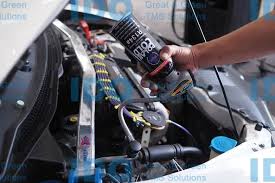
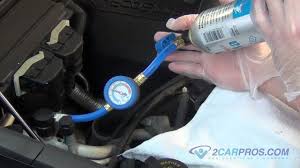
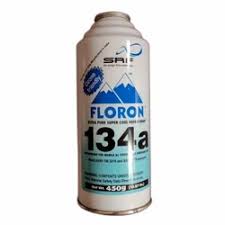
When you step into your car on a hot day and turn on the air conditioning (AC), the cool air that flows through the cabin is a relief, especially during scorching summer months. However, have you ever wondered how your car’s AC system keeps you cool and comfortable? The answer lies in the gas in your car’s AC system. Also known as refrigerant, this substance plays a critical role in the cooling process of your car’s air conditioning system. In this blog post, we will explore the importance of AC gas, the different types of refrigerants, how it works, the signs of low refrigerant levels, how to recharge the gas, and everything else you need to know to maintain a properly functioning car AC system. At Air Green Corporation, we believe understanding your vehicle’s AC system helps improve comfort, efficiency, and long-term performance. Contact Us What is AC Gas in Cars? The gas in a car’s AC system is commonly referred to as refrigerant or coolant. It’s a chemical substance that circulates through the car air conditioning system to absorb heat from the inside of your car and release it outside, cooling the air within the cabin. This process is vital for the proper functioning of your car’s climate control system, ensuring that you have a comfortable driving experience regardless of the external temperature. Refrigerants undergo a series of changes from gas to liquid and back again as they move through the air conditioning system. The refrigerant absorbs the heat from the air in your car, and through compression and expansion, it cools the air that is then circulated into the cabin. Essentially, refrigerant plays the role of transferring heat from the inside of your car to the outside, which is the key to an efficient car AC cooling system. How Does the Car AC Gas Work? The air conditioning system in your car operates through a series of steps that involve the transformation of the refrigerant gas from one state to another. Here’s how it works: 1. Compression The refrigerant begins as a gas inside the AC compressor. The compressor compresses the gas, which increases the pressure and temperature of the refrigerant. This high-pressure, hot refrigerant is then pushed into the next stage of the system: the condenser. 2. Condensation As the hot, high-pressure refrigerant flows through the condenser, which is located in front of the radiator, it releases heat into the surrounding air. The refrigerant then cools and condenses into a high-pressure liquid. This liquid is now ready to move to the next stage, where it will expand and further cool. 3. Expansion The high-pressure liquid refrigerant moves into the expansion valve or orifice tube, where the pressure is reduced suddenly. As the refrigerant expands, it cools down significantly and turns into a cold, low-pressure liquid and gas mixture. 4. Evaporation This cold mixture flows into the evaporator, located inside the cabin of the car. Here, the refrigerant absorbs heat from the air inside the car, causing the refrigerant to evaporate and turn back into a gas. The cool air that results from this process is then blown into the cabin, lowering the temperature inside the vehicle. 5. Cycle Repeats The refrigerant gas then flows back to the compressor, and the cycle continues. The compressor continually compresses the refrigerant gas, releasing heat and cooling the air inside your vehicle until the desired temperature is reached. Types of Refrigerants Used in Car AC Systems There are several types of refrigerants used in car air conditioning systems. Over time, refrigerants have evolved to meet environmental, efficiency, and safety standards. The most common refrigerants are R-134a and R-1234yf, although other refrigerants have been used in the past. 1. R-134a (Tetrafluoroethane) R-134a refrigerant was the most commonly used refrigerant in car air conditioning systems from the mid-1990s until the present day. It became the standard refrigerant after the phase-out of R-12, which was harmful to the ozone layer. R-134a is a synthetic refrigerant that has a lower environmental impact than R-12 but still contributes to global warming. 2. R-1234yf (2,3,3,3-Tetrafluoropropene) R-1234yf refrigerant is a newer refrigerant designed to replace R-134a in many modern vehicles. It has a significantly lower Global Warming Potential (GWP) than R-134a, making it more environmentally friendly. Many newer vehicles, especially in Europe and North America, are now equipped with R-1234yf due to stricter environmental regulations. 3. R-12 (Dichlorodifluoromethane) R-12 refrigerant was the original refrigerant used in cars before it was phased out due to its negative impact on the ozone layer. R-12 was replaced by R-134a in the mid-1990s, but some older vehicles still contain R-12, especially vintage cars. If you own an older vehicle that uses R-12, it’s important to use R-12-compatible refrigerant when recharging the system. 4. R-290 (Propane) While not yet widely used, R-290 refrigerant is a natural refrigerant (propane) that has an ultra-low GWP. It is considered one of the safest and most environmentally friendly refrigerants. However, due to its flammability, its use in vehicles has been limited. Signs of Low or Leaking AC Refrigerant Your car’s AC system relies on a specific amount of refrigerant to function properly. If the refrigerant level is low or if there is a leak, it can lead to poor cooling performance, increased wear on the AC components, and potentially more severe damage. Here are the most common signs that your car may be running low on refrigerant: 1. Weak or Warm Air Flow If the air blowing out of the vents is not as cold as it should be, it’s a clear sign that the car AC refrigerant level may be low. Refrigerant is the key substance that absorbs heat, so if the system is not cooling the air efficiently, it could be due to a refrigerant leak or insufficient refrigerant. 2. Frost or Ice on the Evaporator Coil If you notice frost or ice forming around the AC components, this could be a sign that there’s a refrigerant leak. When there’s not enough refrigerant in the system,