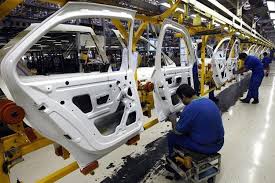
The automotive industry is one of the largest and most intricate industries in the world. It’s powered by a robust supply chain, where auto parts manufacturing plays a vital role in ensuring the quality, safety, and performance of vehicles. Without dependable auto parts manufacturers, automakers would not be able to produce the cars, trucks, and electric vehicles (EVs) that we rely on every day. Auto parts manufacturing encompasses everything from the production of individual components like engines, transmissions, and electrical systems to the assembly of complete vehicle systems. It’s a complex, high-tech process that requires extensive knowledge, innovation, and investment in advanced manufacturing technology. The rise of electric and autonomous vehicles is further transforming the landscape of automotive components manufacturing, creating both challenges and opportunities for manufacturers. In this blog post, we’ll take an in-depth look at the world of auto parts manufacturing — how it works, who the key players are, and how advances in materials, technology, and sustainability are shaping the future of automotive manufacturing. Contact Us The Basics of Auto Parts Manufacturing Auto parts manufacturing is the process of producing the components that make up a vehicle. These components range from simple items like bolts and screws to complex systems like engines, transmissions, and electronic control units (ECUs). Manufacturing auto parts requires a combination of engineering expertise, specialized equipment, and skilled labor. The process starts with design and engineering, where auto parts are conceptualized, tested, and refined before they’re ready for production. Once the design phase is complete, the manufacturing process begins. Auto parts manufacturers often use different production methods depending on the type of component being made, the materials required, and the specifications set by automakers, or OEMs (Original Equipment Manufacturers). Key Stages of Auto Parts Manufacturing Design and Prototyping: This is the first step in the manufacturing process, where components are designed using computer-aided design (CAD) software. Prototypes are created to test the functionality and feasibility of the parts. Material Selection: Auto parts are made from a wide range of materials, including steel, aluminum, plastic, rubber, and composite materials. The choice of material depends on the specific requirements of the part, including strength, durability, and weight. Production: This is the stage where the component is physically manufactured. Different parts may be produced using techniques like casting, forging, machining, stamping, injection molding, and welding. Assembly and Integration: In this stage, individual components are assembled into larger systems or sub-systems, such as the engine, transmission, or suspension system. This process can involve both manual and automated work. Testing and Quality Control: Every auto part undergoes rigorous testing to ensure it meets safety and quality standards. Tests may include stress testing, performance testing, and environmental testing to confirm the part will function as intended under various conditions. Distribution: After passing quality control, the parts are packaged and shipped to automakers or aftermarket suppliers. Types of Auto Parts Manufactured The automotive industry produces a vast array of components, each with a specific role within a vehicle’s system. Some parts are designed for core functionality, while others enhance the car’s performance, safety, or aesthetics. Below are the main categories of auto parts commonly manufactured by auto parts suppliers: 1. Engine and Drivetrain Parts The engine and drivetrain are the heart of any vehicle, and the components that make up these systems are critical to a car’s overall performance, efficiency, and reliability. Engine components include pistons, cylinder heads, camshafts, crankshafts, and timing belts. Drivetrain components include transmissions, axles, differential gears, and drive shafts. Key Auto Parts Manufacturers: Bosch: Known for producing advanced engine control systems, fuel injectors, and turbochargers. ZF Friedrichshafen: A leading provider of driveline and chassis components, including transmissions and axles. 2. Suspension and Steering Parts The suspension system is responsible for providing a smooth and stable ride by absorbing shocks and vibrations, while the steering system allows the driver to control the direction of the vehicle. Components in this category include control arms, shock absorbers, struts, steering racks, and ball joints. Key Auto Parts Manufacturers: Magna International: Supplier of suspension components and steering systems. Tenneco: Well regarded for its shock absorbers and suspension components. 3. Brake Parts The brake system is one of the most critical safety features in a vehicle. It’s responsible for slowing down or stopping the car when necessary. Brake components include brake pads, brake discs, drums, calipers, master cylinders, and hydraulic systems. Key Auto Parts Manufacturers: Brembo: A leader in the manufacturing of high-performance brake systems, including calipers, rotors, and pads. Akebono Brake Corporation: Manufacturer of OEM brake products, including brake pads and discs. 4. Electrical and Electronic Parts With the growing complexity of modern vehicles, electrical and electronic components have become a major part of auto manufacturing. These parts include wiring harnesses, sensors, batteries, alternators, electric motors, and infotainment systems. Key Auto Parts Manufacturers: Denso: Known for producing a wide range of automotive electronics, including sensors, powertrain components, and air conditioning systems. Delphi Technologies: A global supplier of electrical parts, including battery systems, sensors, and electronic control units (ECUs). 5. Body Parts and Exterior Components Body components make up the car’s exterior and contribute to both the safety and aesthetics of the vehicle. These components include doors, windows, fenders, bumpers, side mirrors, and lighting systems. Key Auto Parts Manufacturers: Valeo: Supplier of lighting systems, wiper systems, and front-end modules. Lear Corporation: Known for producing interior and exterior components, including seating and electrical systems. 6. Fuel and Exhaust System Parts The fuel system is responsible for delivering fuel to the engine, while the exhaust system expels gases produced during combustion. Components in this category include fuel injectors, fuel pumps, exhaust pipes, mufflers, and catalytic converters. Key Auto Parts Manufacturers: Faurecia: A major producer of exhaust systems, including catalytic converters and emission control systems. Magneti Marelli: Specializes in exhaust systems and emission control technologies. The Evolution of Auto Parts Manufacturing The world of auto parts manufacturing has evolved dramatically over the last century. In the early days of the automotive industry, parts were often